Media Home
 UN Web TV
 UN Audiovisual Library
 UN Photo
Unifeed
UN / GING MALI
STORY: UN / GING MALI
TRT: 3.05
SOURCE: UNIFEED-UNTV / RECENT
RESTRICTIONS: NONE
LANGUAGE: ENGLISH / NATS
DATELINE: 19 JUNE 2014, NEW YORK CITY / RECENT
RECENT – NEW YORK CITY
1. Wide shot, exterior, United Nations headquarters
19 JUNE 2014, NEW YORK CITY
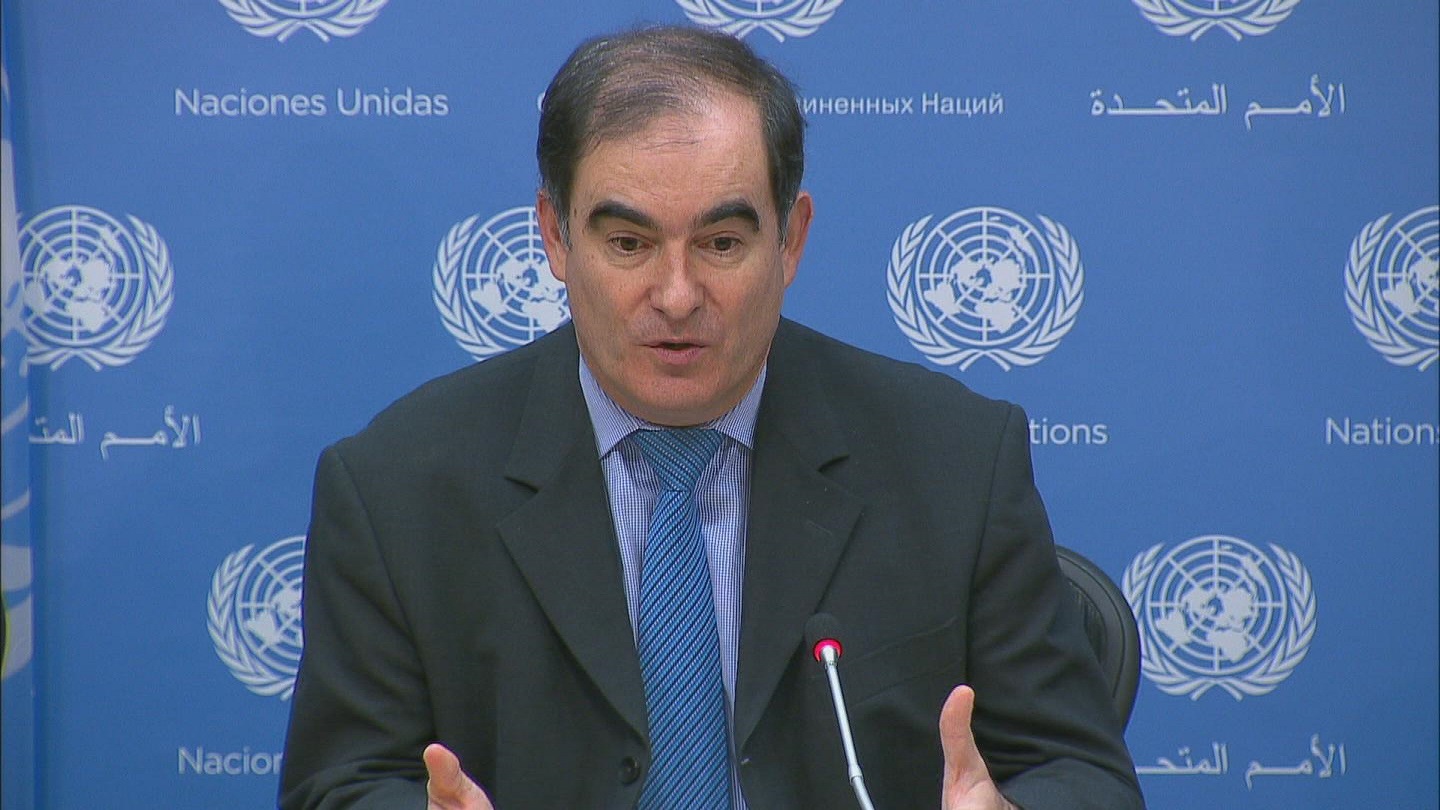
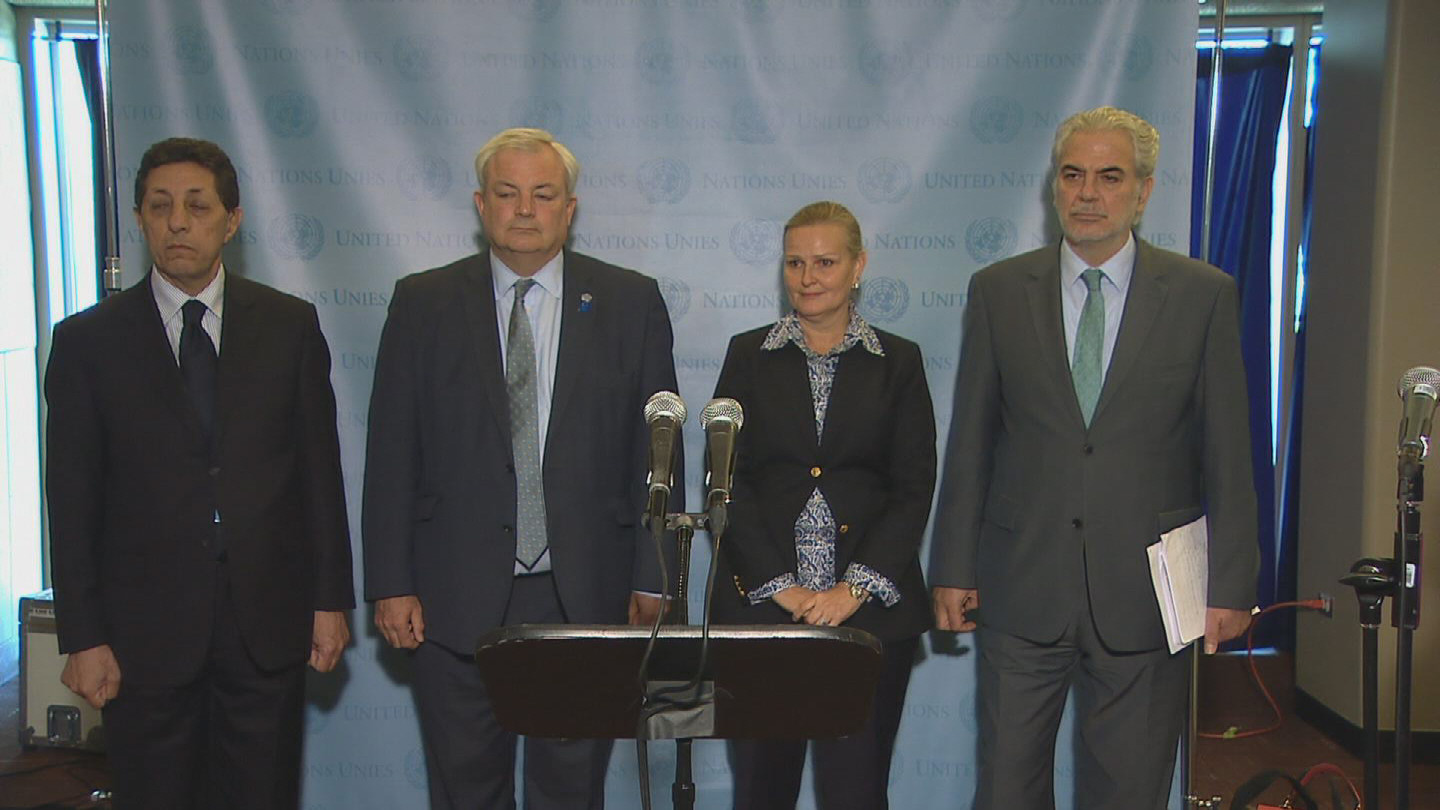
2. Med shot, emergency relief coordinator John Ging walking into press room
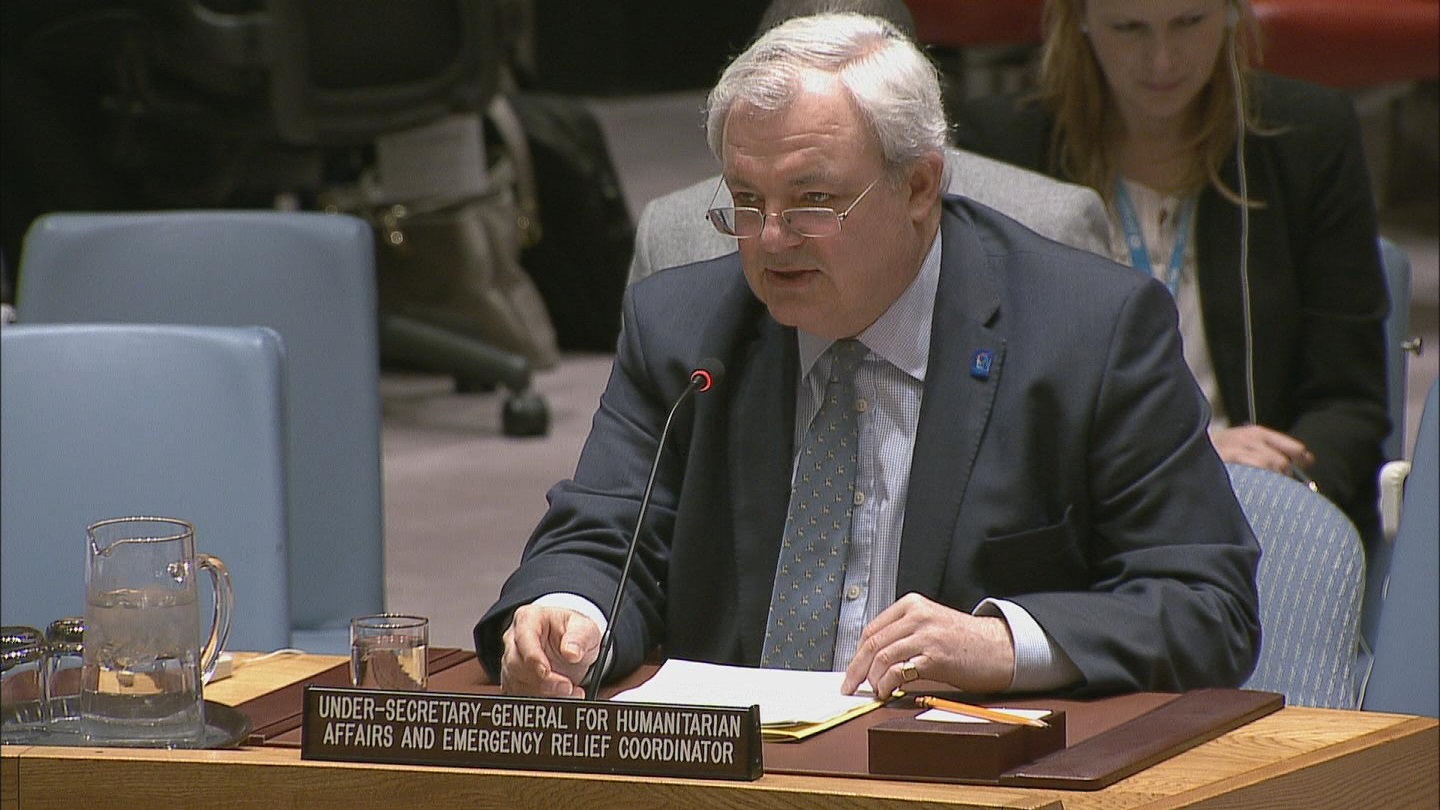
3. SOUNDBITE (English) John Ging, OCHA Director of Operations:
“When it comes to the humanitarian situation, it’s a very large for us and it has been for quite some time. It’s the biggest operation that we have across the Sahel in fact. There is almost 500.000 children under the age of five and 85 percent of whom are in the southern part of the country and who are at risk of cute malnutrition and 136.000 of those are at risk of severe acute malnutrition. So, it’s a very grave situation for children in Mali. There’s about 1.5 million people in Mali in need of immediate food assistance.”
4. Med shot, reporters
5. SOUNDBITE (English) John Ging, OCHA Director of Operations:
“One issue that became very clear to me during and through my mission and the few days that I was there was the vulnerability of women and the risks that they are facing. In each of the occasions that I had the opportunity with women and women groups and NGO’s who were working with them- they did highlight the very grave situation with regard to violence.”
6. Med shot, reporters
7. SOUNDBITE (English) John Ging, OCHA Director of Operations:
“I went to visit a place called Menaka in a very harsh environment place, where people have suffered so much. The first message that was communicated to me in my very first meeting there was the violence against women. And again –as I said- it’s shocking, it’s appalling, it’s unacceptable and these women have the right to be protected.”
8. Med shot, journalists
9. SOUNDBITE (English) John Ging, OCHA Director of Operations:
“The good news is that it is a country that has the potential to sustain itself, if it can address successfully the issues that underpinning the violence. So, there’s a really high degree of expectations among the population that the government –I met the Prime Minister, I met the Minister of Humanitarian Affairs – that they will step up to their responsibilities and –you know- exercise courageous leadership to address political issues that have been unaddressed for decades.”
10. Med shot, reporters
11. SOUNDBITE (English) John Ging, OCHA Director of Operations:
“This –again- is one of the crisis that has slipped from the centre of global attention and as a result it is quite underfunded at only 24 percent. So, an appeal of 568 million dollars is only funded to the amount of 135 million dollars.”
12. Zoom out, press room
After a three-day visit to Mali, the Director of Operations of the United Nations (UN) Office for the Coordination of Humanitarian Affairs (OCHA) John Ging said today (19 June) that life-saving assistance is still urgently needed across the country and more must be done to build a lasting peace.
Speaking to reporters in United Nations Headquarters, Ging said “it’s the biggest operation that we have across the Sahel in fact. There’s almost 500.000 children under the age of five and 85 percent of whom are in the southern part of the country and who are at risk of cute malnutrition and 136.000 of those are at risk of severe acute malnutrition. So, it’s a very grave situation for children in Mali. There’s about 1.5 million people in Mali in need of immediate food assistance.”
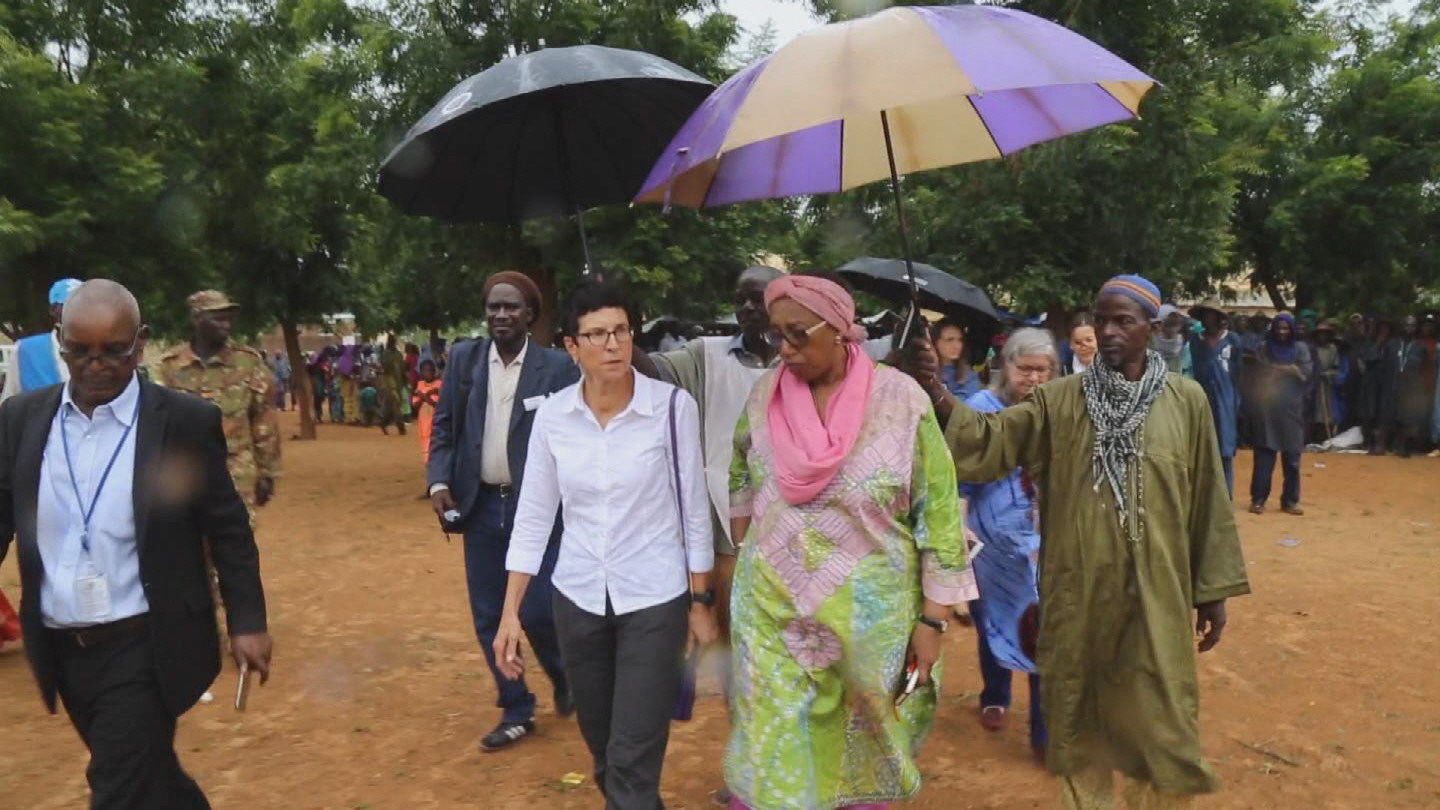
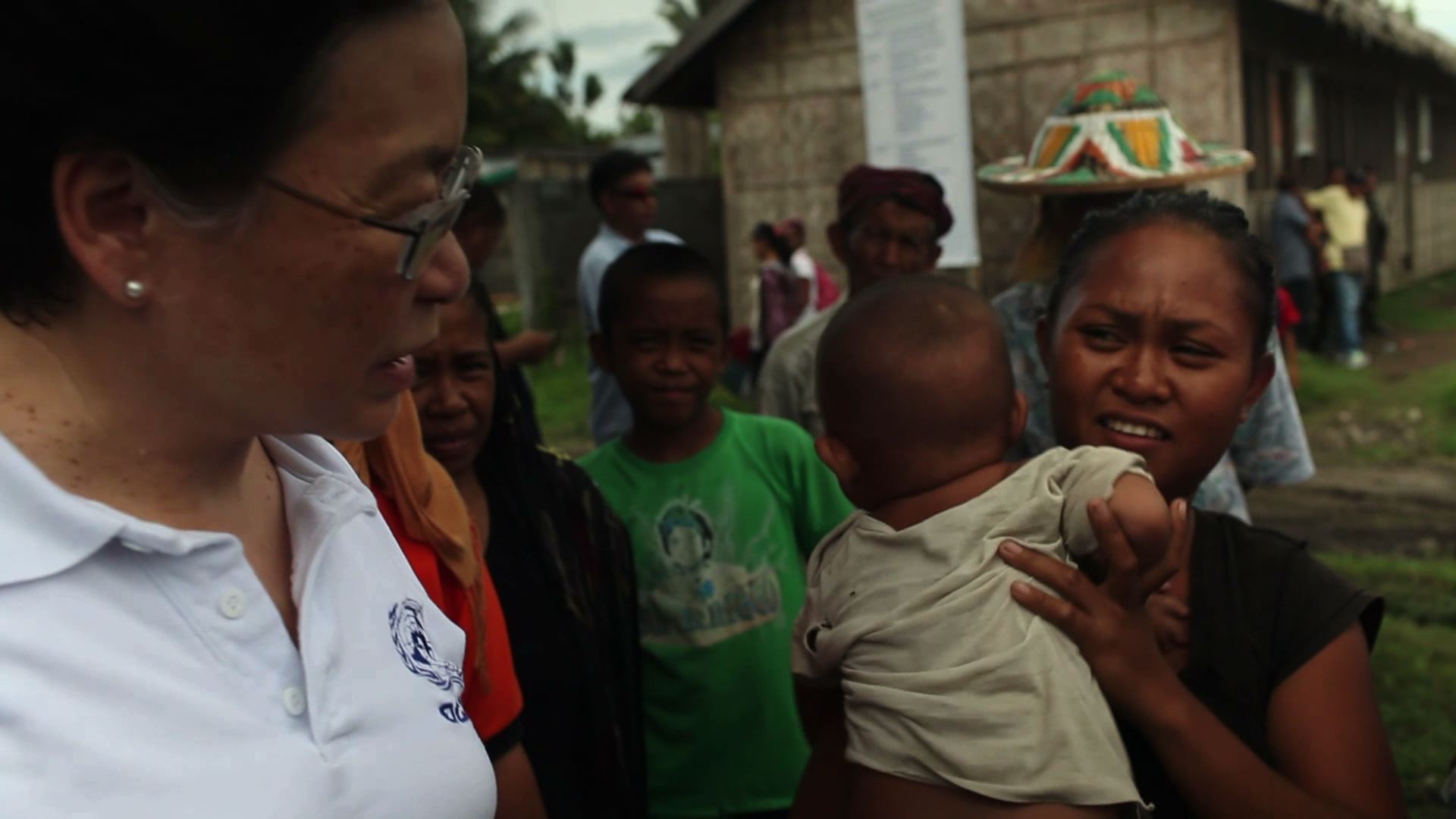
Last week John Ging travelled to Gao and Menaka, where he met displaced families and humanitarian aid workers.
He said “one issue that became very clear to me during and through my mission and the few days that I was there was the vulnerability of women and the risks that they are facing. In each of the occasions that I had the opportunity with women and women groups and NGO’s who were working with them- they did highlight the very grave situation with regard to violence.”
Ging noted that the community in Menaka is badly affected by the crisis in Mali. The needs are urgent and severe: water, food and livelihoods support was the common appeal.
He said “I went to visit a place called Menaka in a very harsh environment place, where people have suffered so much. The first message that was communicated to me in my very first meeting there was the violence against women. And again –as I said- it’s shocking, it’s appalling, it’s unacceptable and these women have the right to be protected.”
Ging stressed that the prospects for a peaceful Mali depend on the courage of political leaders to demonstrate their full commitment to the peace process.
He said “the good news is that it is a country that has the potential to sustain itself, if it can address successfully the issues that underpinning the violence. So, there’s a really high degree of expectations among the population that the government –I met the Prime Minister, I met the Minister of Humanitarian Affairs – that they will step up to their responsibilities and –you know- exercise courageous leadership to address political issues that have been unaddressed for decades.”
Finally, he underlined the funding issues, saying “this –again- is one of the crisis that has slipped from the centre of global attention and as a result it is quite underfunded at only 24 percent. So, an appeal of 568 million dollars is only funded to the amount of 135 million dollars.”
Despite limited financial resources and dangerous operating conditions, so far this year UN humanitarian organizations and their partners have helped provide more than half a million people with food aid, over 200,000 people now have permanent access to drinkable water, and 150,000 people received healthcare.
Download
There is no media available to download.