Media Home
 UN Web TV
 UN Audiovisual Library
 UN Photo
Unifeed
WHO / CLIMATE CHANGE HEALTH RISKS
STORY: WHO / CLIMATE CHANGE HEALTH RISKS
TRT: 2.21
SOURCE: WHO
RESTRICTIONS: NONE
LANGUAGE: ENGLISH / NATS
DATELINE: 25, 27 AUGUST 2014, GENEVA, SWITZERLAND
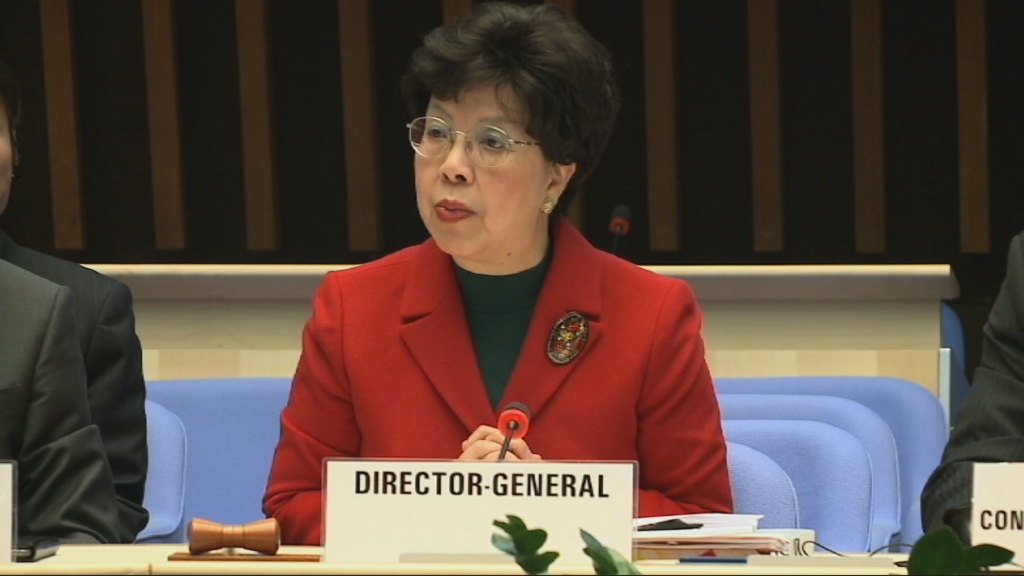
1. Wide shot, WHO Headquarters exterior
2. Various shots, climate change conference
25 AUGUST 2014, GENEVA, SWITZERLAND
3. SOUNDBITE (English) Dr Maria Neira, WHO Director Department of Public Health and Environment:
“Climate change and health are very strongly related. We have opportunities by adapting to climate change to reinforce, to increase resilience of our health systems, and at the same time there are plenty of health benefits that can be obtained from tackling climate change.”
FILE - NOVEMBER 2011, PAKISTAN
4. Various shots, floods
25 AUGUST 2014, GENEVA, SWITZERLAND
5. SOUNDBITE (English) Dr Diarmid Campbell-Lendrum, WHO Evidence and Policy on Environmental Health:
“The links between health and climate in some cases are very direct. We have increasing temperatures which cause more heat waves; we know that people die in heat waves. We have increasing temperatures, changing rain fall, which affect infectious diseases and that kills hundreds of thousands of people every year. And we have changes which are impacting on food production and that affects malnutrition which is one of our biggest health problems. So it’s about time that people understood that climate change is not only an environmental issue, it also impacts people’s health.”
FILE - NOVEMBER 2011, PAKISTAN
6. Various shots, floods
25 AUGUST 2014, GENEVA, SWITZERLAND
7. SOUNDBITE (English) Dr Diarmid Campbell-Lendrum, WHO Evidence and Policy on Environmental Health:
“Recent evidence from WHO indicates that about seven million people die each year from air pollution. So it’s the same things that are causing that air pollution which are also driving climate change. So we can effectively hit two problems at once: save lives now and help to reduce the damage to the global climate.”
FILE - NOVEMBER 2011, PAKISTAN
8. Various shots, floods
25 AUGUST 2014, GENEVA, SWITZERLAND
9. SOUNDBITE (English) Dr Maria Neira, WHO Director Department of Public Health and Environment:
“The good news is that we have as well solutions. We know that if we tackle, if we reduce the greenhouse emissions that are responsible for climate change, we can obtain as well very good benefits for our health. So this was the perfect time to align and to make sure that the conclusions of this conference will fit the Secretary General’s summit on climate change, and at the same time all the negotiations that are taking place on climate change and hopefully to reach an agreement.”
FILE – VARIOUS DATES AND LOCATIONS
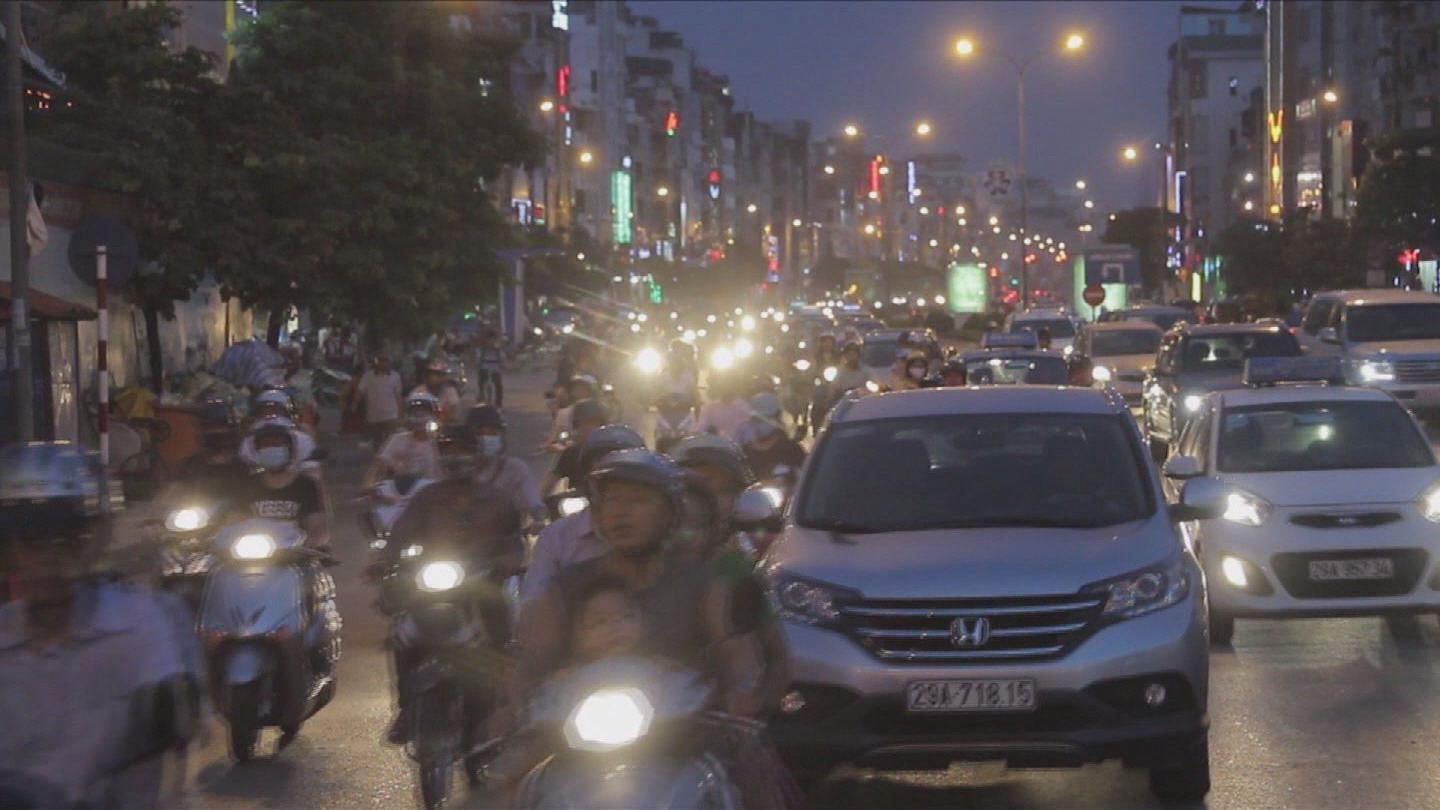
10. Various shots, urban pollution
Action to reduce climate change could bring about previously unrecognized health benefits, while measures to adapt to climate change could also save lives by ensuring that communities are better prepared to deal with the impact of heat, extreme weather, infectious disease and food insecurity.
These are two key messages being discussed at the first-ever global conference on health and climate, which opens today at the World Health Organization (WHO) headquarters in Geneva.
SOUNDBITE (English) Dr Maria Neira, WHO Director Department of Public Health and Environment:
“Climate change and health are very strongly related. We have opportunities by adapting to climate change to reinforce, to increase resilience of our health systems, and at the same time there are plenty of health benefits that can be obtained from tackling climate change.”
Changes in energy and transport policies could save millions of lives annually from diseases caused by high levels of air pollution. The right energy and transport policies could also reduce the burden of disease associated with physical inactivity and traffic injury.
SOUNDBITE (English) Dr Diarmid Campbell-Lendrum, WHO Evidence and Policy on Environmental Health:
“The links between health and climate in some cases are very direct. We have increasing temperatures which cause more heat waves; we know that people die in heat waves. We have increasing temperatures, changing rain fall, which affect infectious diseases and that kills hundreds of thousands of people every year. And we have changes which are impacting on food production and that affects malnutrition which is one of our biggest health problems. So it’s about time that people understood that climate change is not only an environmental issue, it also impacts people’s health.”
Climate change is already causing tens of thousands of deaths every year from shifting patterns of disease, from extreme weather events, such as heat-waves and floods, and from the degradation of water supplies, sanitation, and impacts on agriculture, according to the most recent WHO data.
SOUNDBITE (English) Dr Diarmid Campbell-Lendrum, WHO Evidence and Policy on Environmental Health:
“Recent evidence from WHO indicates that about seven million people die each year from air pollution. So it’s the same things that are causing that air pollution which are also driving climate change. So we can effectively hit two problems at once: save lives now and help to reduce the damage to the global climate.”
WHO and its partners highlight the importance of acting now to help protect health in the present as well as the future. The health community is working hard to improve its capacity for surveillance and control of infectious diseases such as cholera, malaria and dengue, which are highly sensitive to weather and climate.
SOUNDBITE (English) Dr Maria Neira, WHO Director Department of Public Health and Environment:
“The good news is that we have as well solutions. We know that if we tackle, if we reduce the greenhouse emissions that are responsible for climate change, we can obtain as well very good benefits for our health. So this was the perfect time to align and to make sure that the conclusions of this conference will fit the Secretary General’s summit on climate change, and at the same time all the negotiations that are taking place on climate change and hopefully to reach an agreement.”
The conference brings together over 300 participants, including government ministers, heads of UN agencies, urban leaders, civil society and leading health, climate and sustainable-development experts.
It aims to pave the way for careful consideration of health and climate issues in the upcoming UN Climate Summit, being organized by UN Secretary-General Ban Ki-moon in September 2014.
Download
There is no media available to download.