Media Home
 UN Web TV
 UN Audiovisual Library
 UN Photo
Unifeed
WHO / RABIES
STORY: WHO / RABIES
TRT: 00:59
SOURCE: WHO
RESTRICTIONS: NONE
LANGUAGE: ENGLISH / NATS
DATELINE: 10 DECEMBER 2015, GENEVA, SWITZERLAND / FILE
UNTV CH – FILE, GENEVA, SWITZERLAND
1. Wide shot, aerial shot of Palais des Nations
WHO - 10 DECEMBER 2015, GENEVA, SWITZERLAND
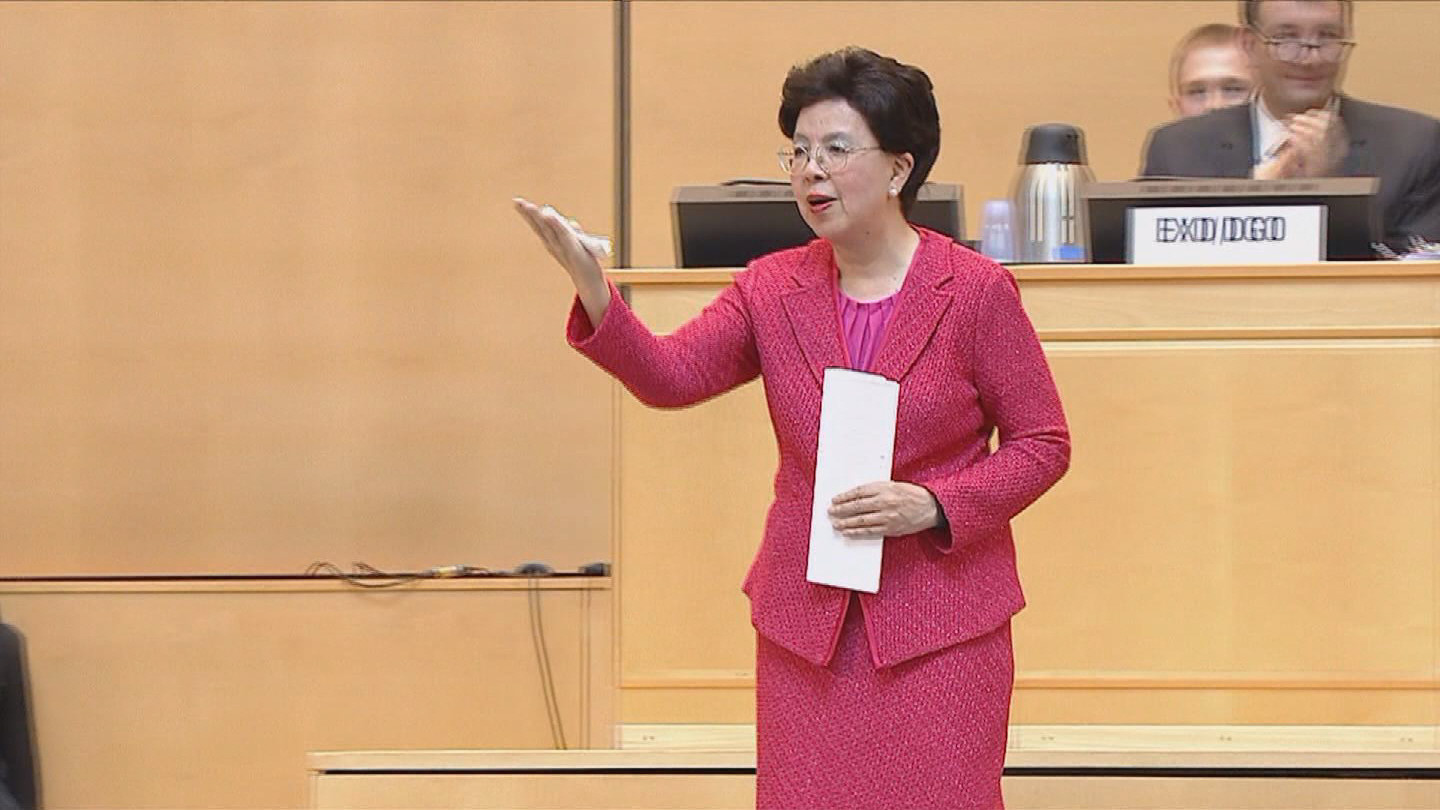
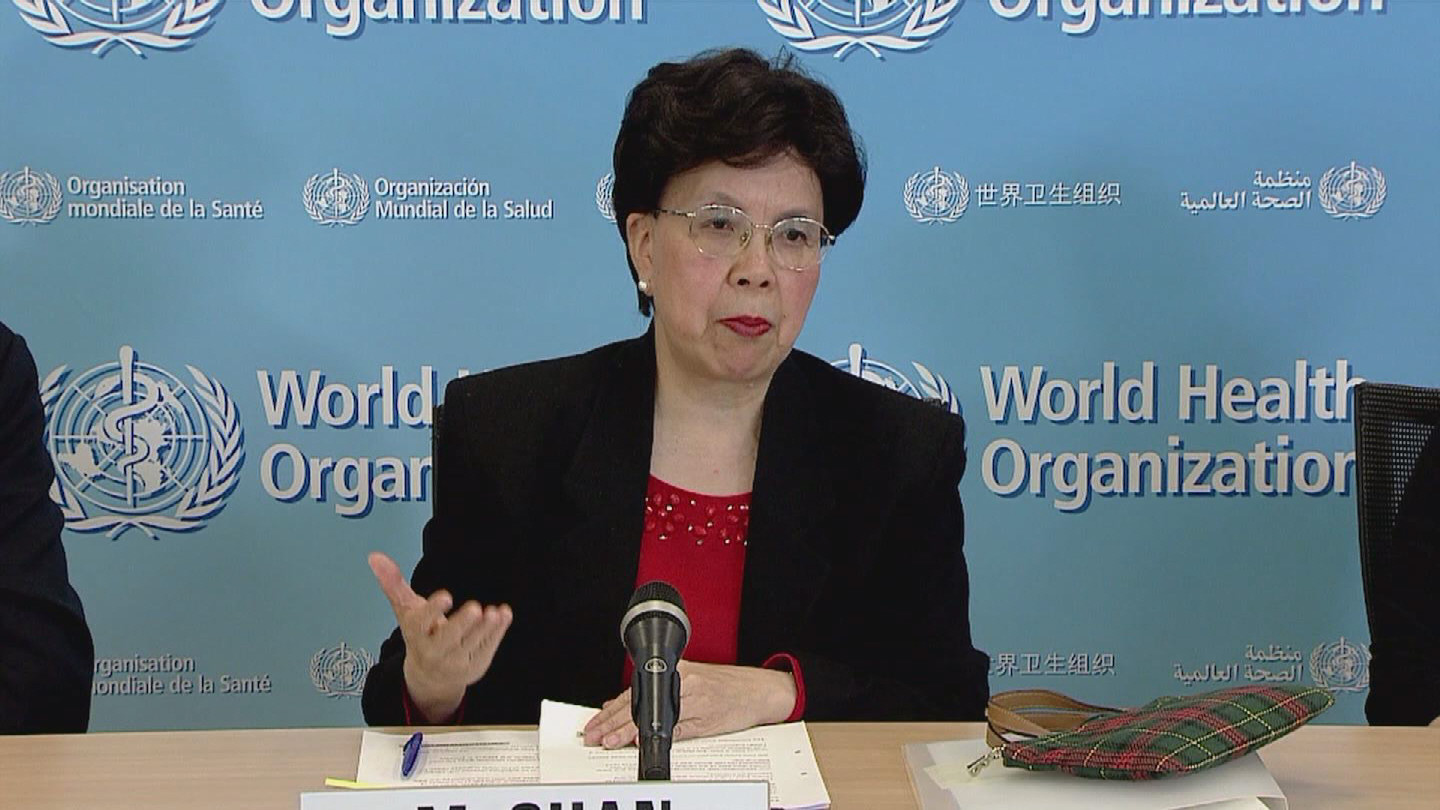
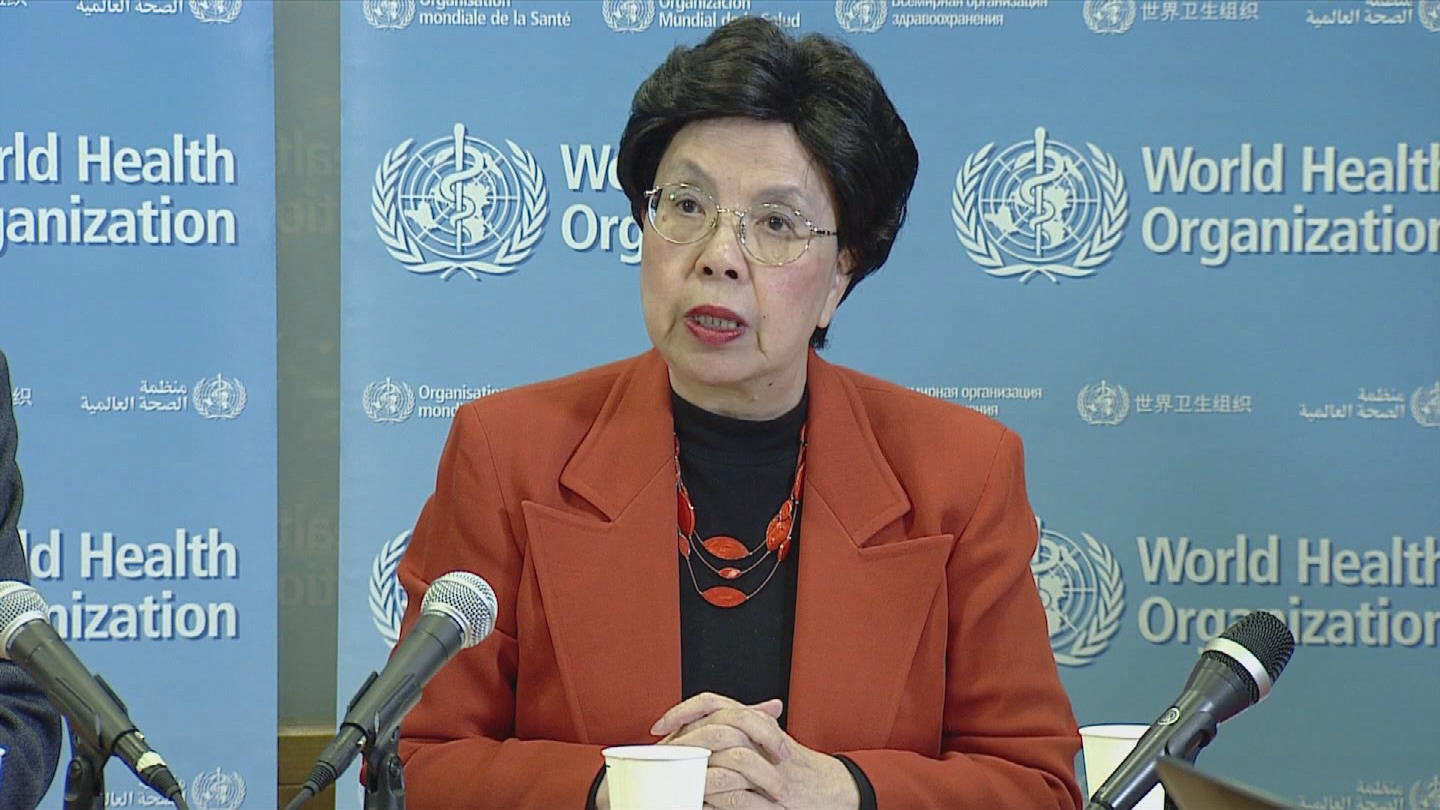
2. SOUNDBITE (English) Margaret Chan, Director-General of WHO:
“Rabies kills tens of thousands of people every year, mainly in remote rural areas of Asia and Africa. Death from rabies is horrific and agonizingly painful, every single one of these deaths could have been prevented.”
3. Cutaway, reporter
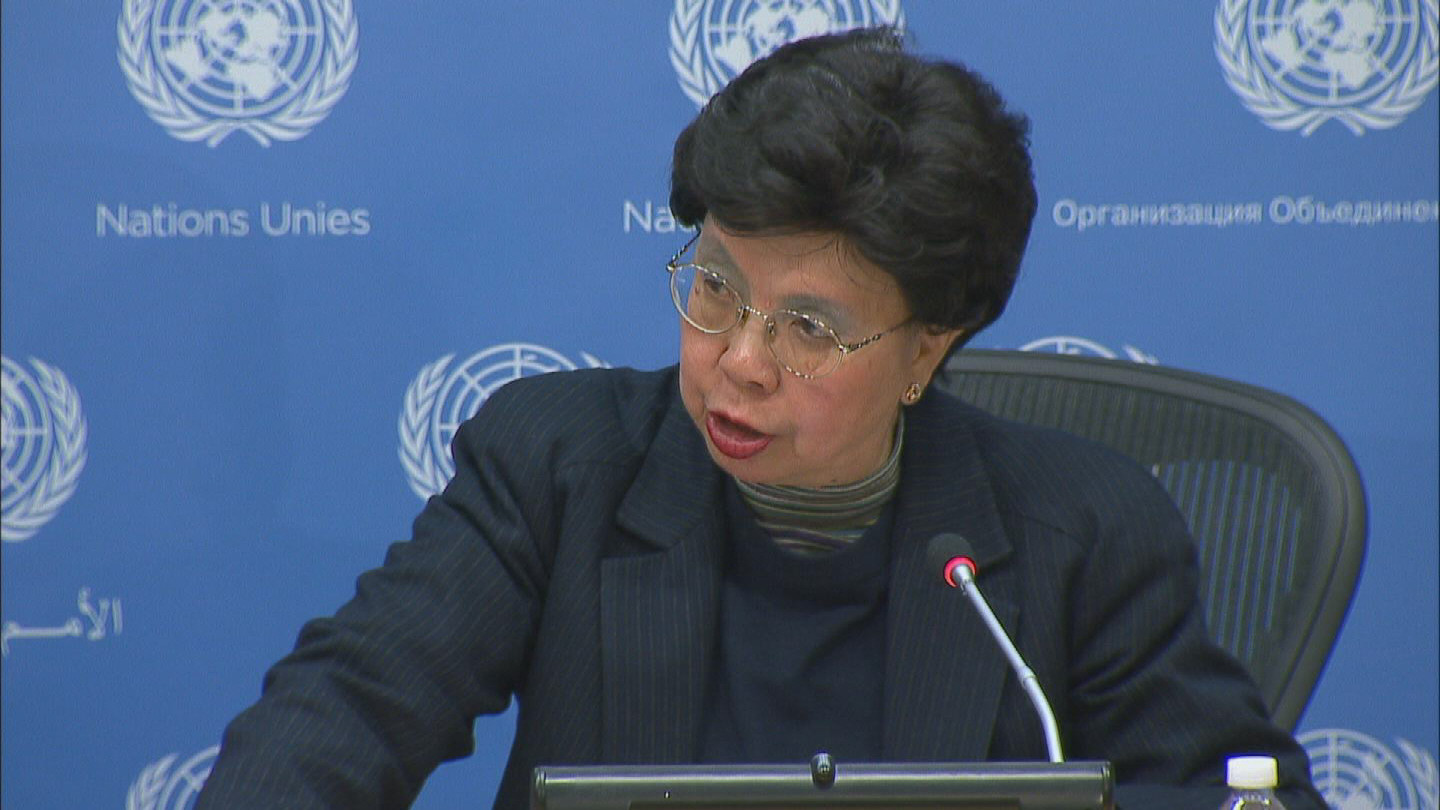
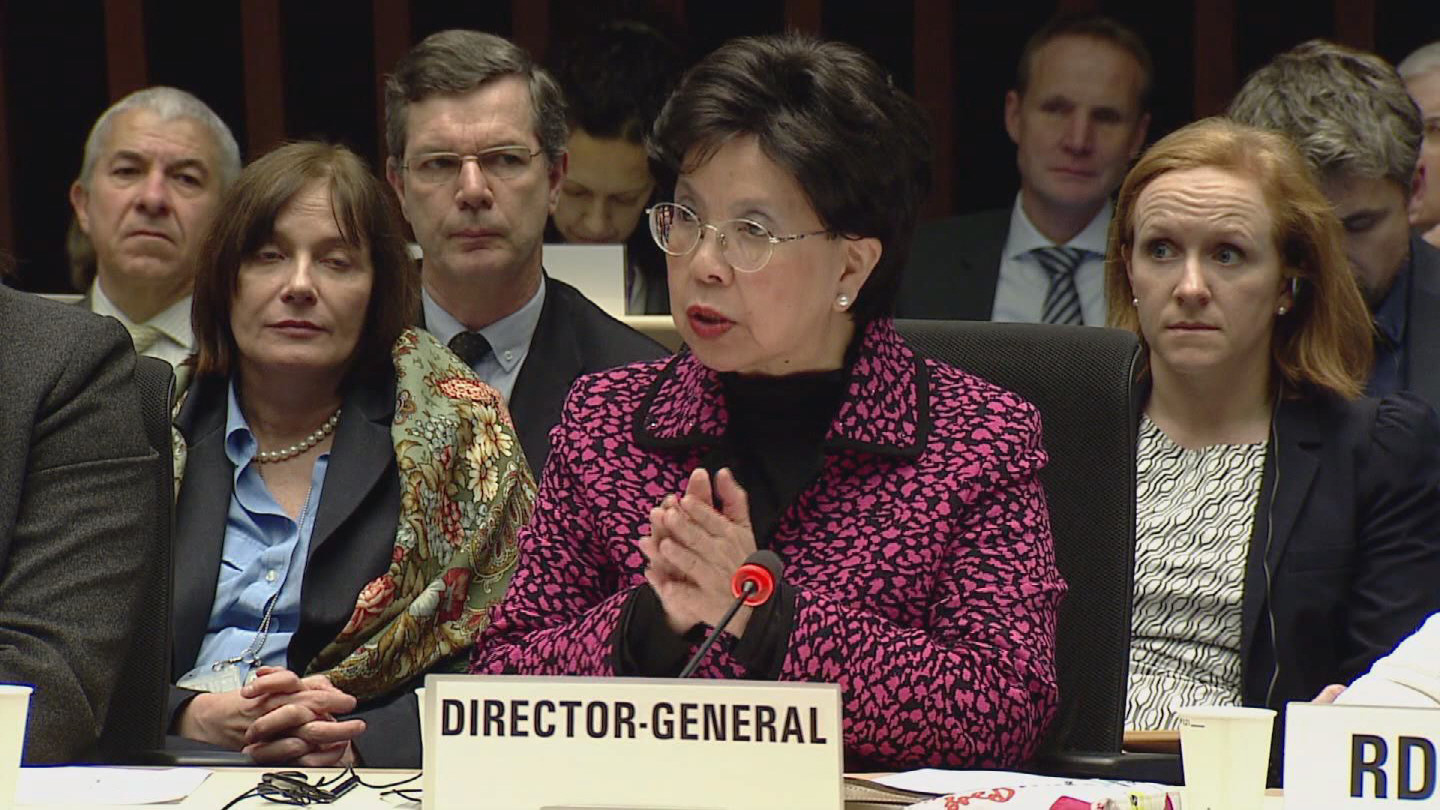
4. SOUNDBITE (English) Margaret Chan, Director-General of WHO:
“Well over 95% of human rabies cases results from the bite of a rabid dog. Vaccinating at least 70% of the dog population breaks the cycle of transmission in dogs.”
5. Cutaway, reporters
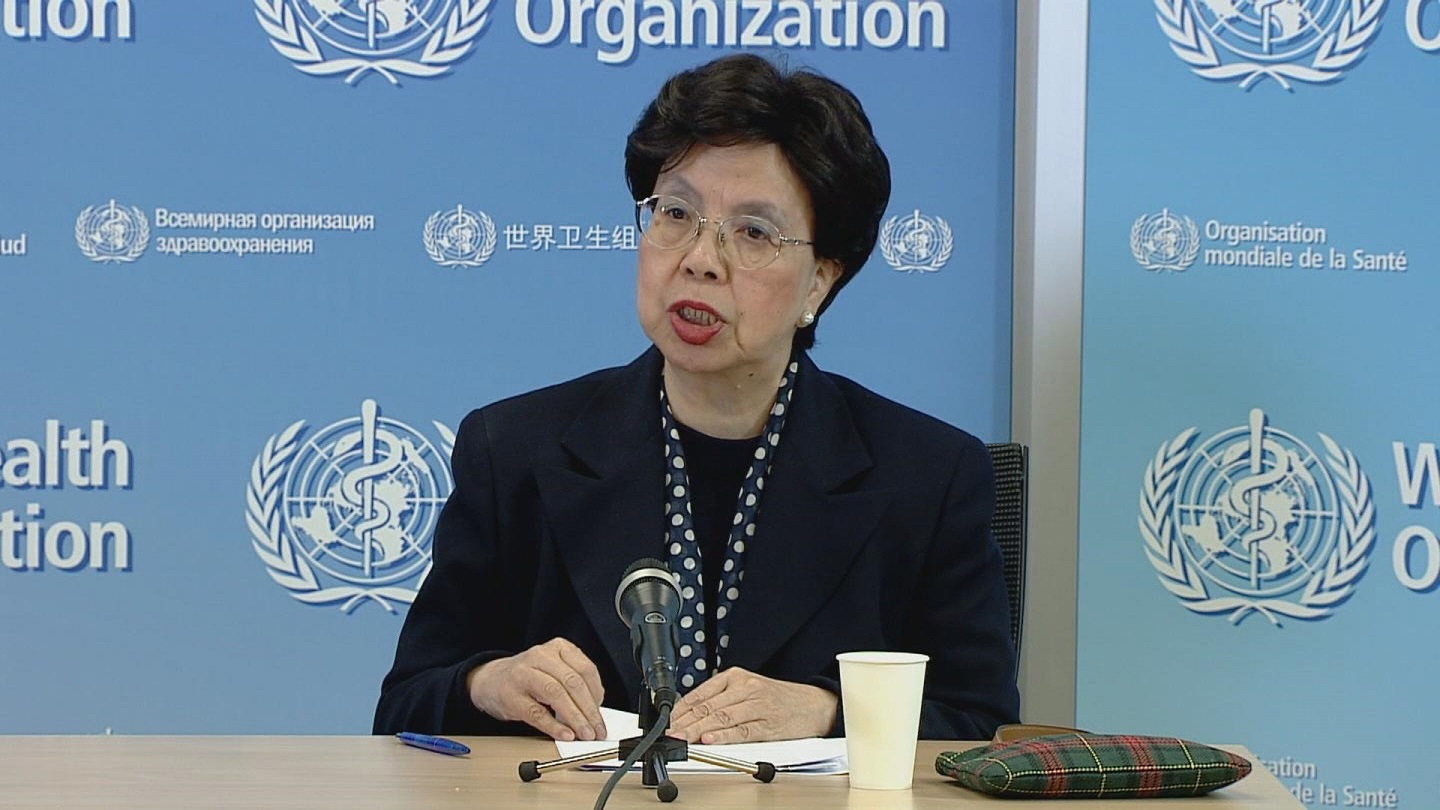
6. SOUNDBITE (English) Margaret Chan, Director-General of WHO:
“Rabies elimination is feasible, is possible, and it is affordable. So ladies and gentlemen, once again, let’s put rabies into the history book.”
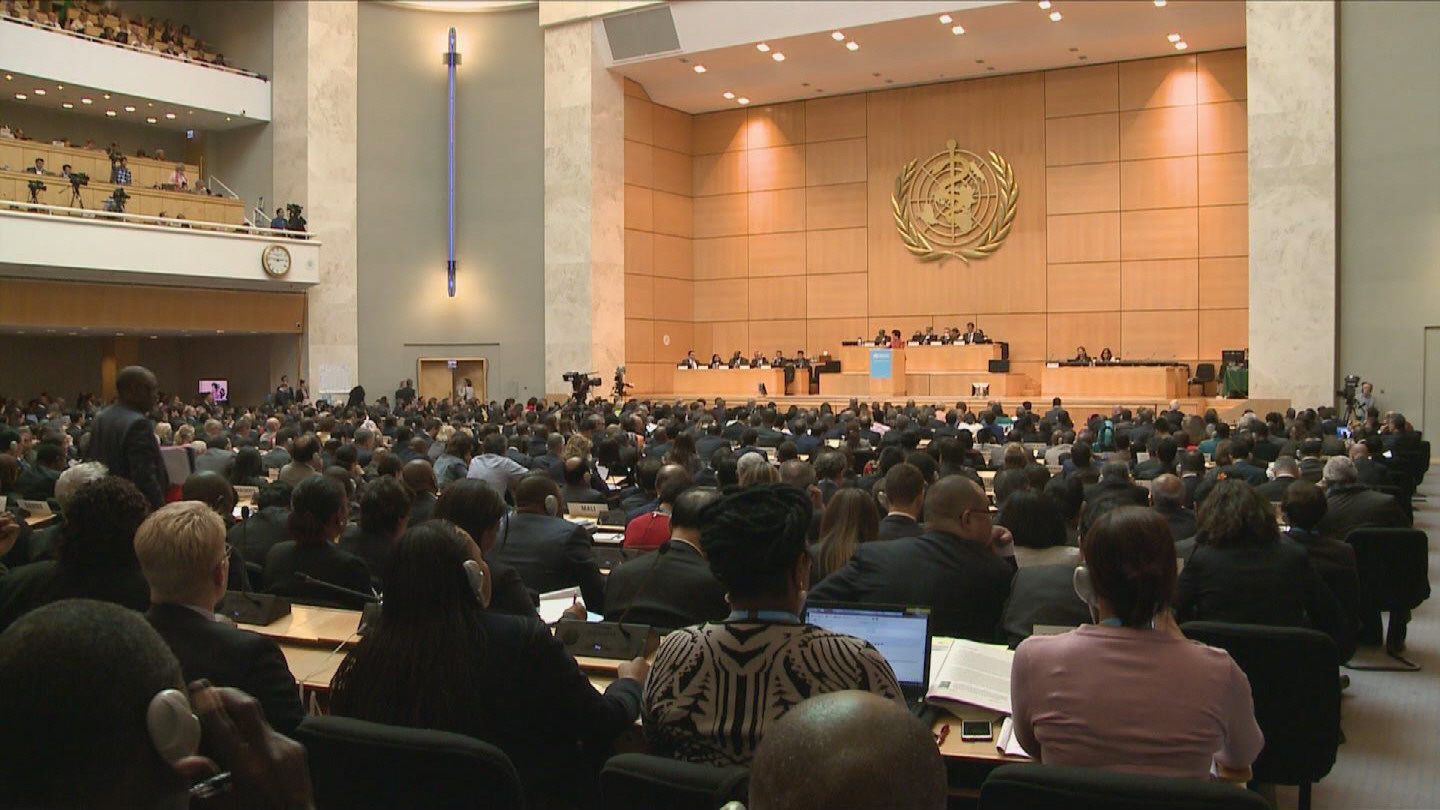
7. Wide shot, press room
A new framework to eliminate human rabies and save tens of thousands of lives each year has been launched today by the World Health Organization (WHO), the World Organization for Animal Health (OIE), the Food and Agriculture Organization of the United Nations (FAO) and the Global Alliance for the Control of Rabies (GARC).
The framework calls for three key actions - making human vaccines and antibodies affordable, ensuring people who get bitten receive prompt treatment, and mass dog vaccinations to tackle the disease at its source.
Tens of thousands of people die from rabies each year and, worldwide, 4 out of every 10 people bitten by suspected rabid dogs are children aged under 15 years. One person dies every 10 minutes, with the greatest burden in Asia and Africa.
The cost of human vaccines to protect from rabies is, however, beyond the reach of many of those who may need it. And treatment for people who are bitten can cost US$ 40–50, representing an average of 40 days of wages in some of the affected countries. Recognizing that human vaccination is currently not always affordable, the new framework emphasizes prevention through vaccinating dogs – whose bites cause 99% of all human rabies cases. A dog vaccine costs less than US$1.
Whilst vaccinating dogs will be key in the new approach, the elimination of rabies – and saving the lives of those who are bitten – will not be possible without more widely-available human vaccines.
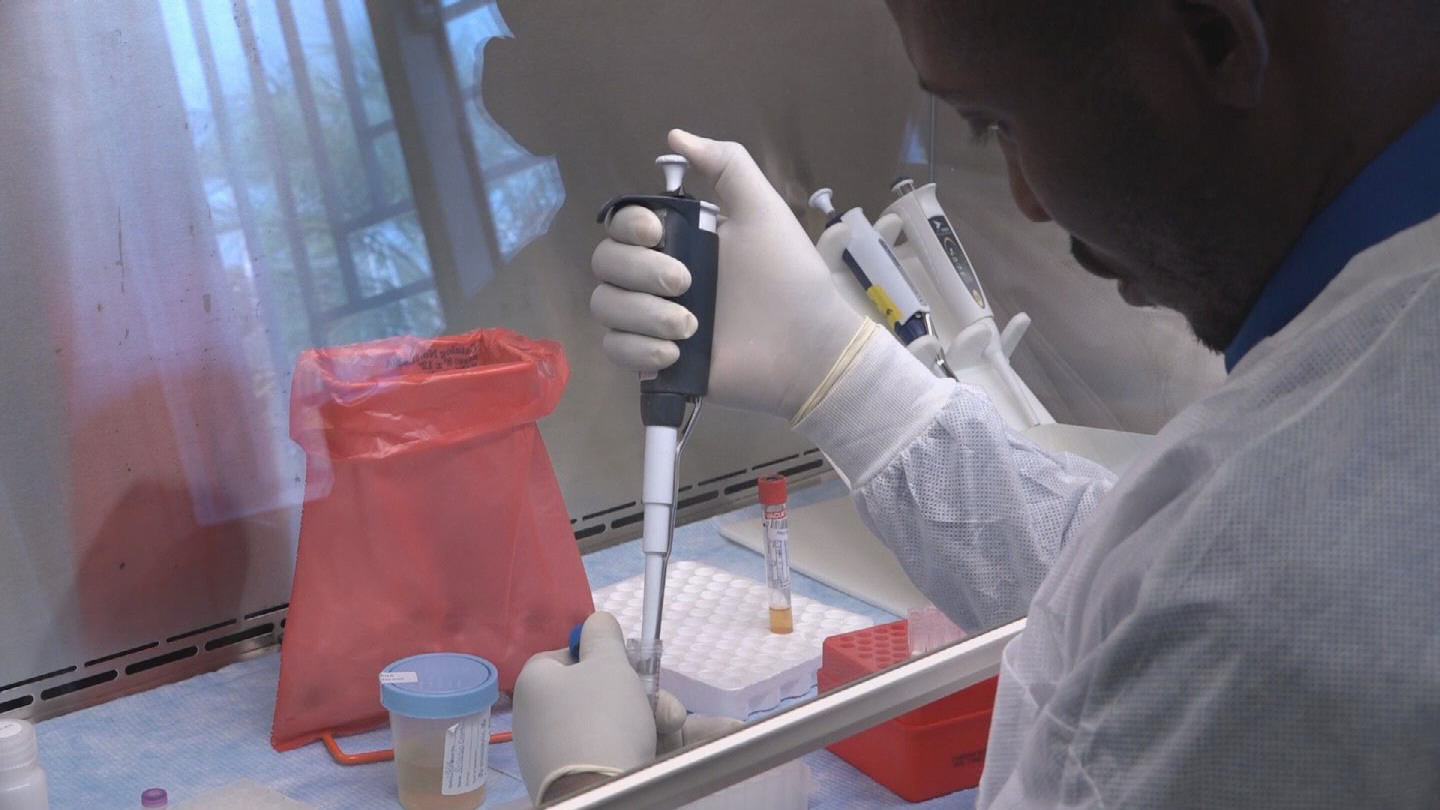
Currently, about 80% of people exposed to rabies live in poor, rural areas of Africa and Asia with no access to prompt treatment should they be bitten. Bringing treatment closer to victims and providing wider access to affordable vaccines and potent rabies immunoglobulins, which neutralize the rabies virus before it can get a hold in the body, are vital to achieving zero rabies deaths.
Bringing down the cost of human rabies vaccines and treatments will require strong international collaboration to make quality-assured vaccines and rabies immunoglobulin available to health centres in regions where rabies is endemic.
On 10 and 11 December 2015, experts, donors, and veterinary and public health officials will adopt a plan of action that is expected to deliver prompt post-exposure prophylaxis for all in rabies endemic areas as well as a framework for scaling up sustained, large-scale dog vaccination. This milestone international conference will also discuss a push for coordinated activities targeting dog and human populations by adapting proven control strategies.
Another important component is harnessing support for community awareness and engagement to facilitate and strengthen data collection, bite incidence reporting and demand for post-exposure prophylaxis. Educating children on how to avoid being bitten is also vital.
The conference “Global elimination of dog-mediated human rabies – The time is now” is jointly organized by WHO and the OIE, in collaboration with FAO with the support of GARC.
Download
There is no media available to download.