Media Home
 UN Web TV
 UN Audiovisual Library
 UN Photo
Unifeed
GENEVA / WMO CLIMATE RECORD
STORY: GENEVA / WMO CLIMATE RECORD
TRT: 01:46
SOURCE: UNTV CH
RESTRICTIONS: NONE
LANGUAGE: ENGLISH / NATS
DATELINE: 25 JANUARY 2016 GENEVA, SWITZERLAND
RECENT – GENEVA
1. Exterior, Palais des Nations
25 JANUARY 2016 GENEVA, SWITZERLAND
2. Wide shot, corridor in the Palais des Nations
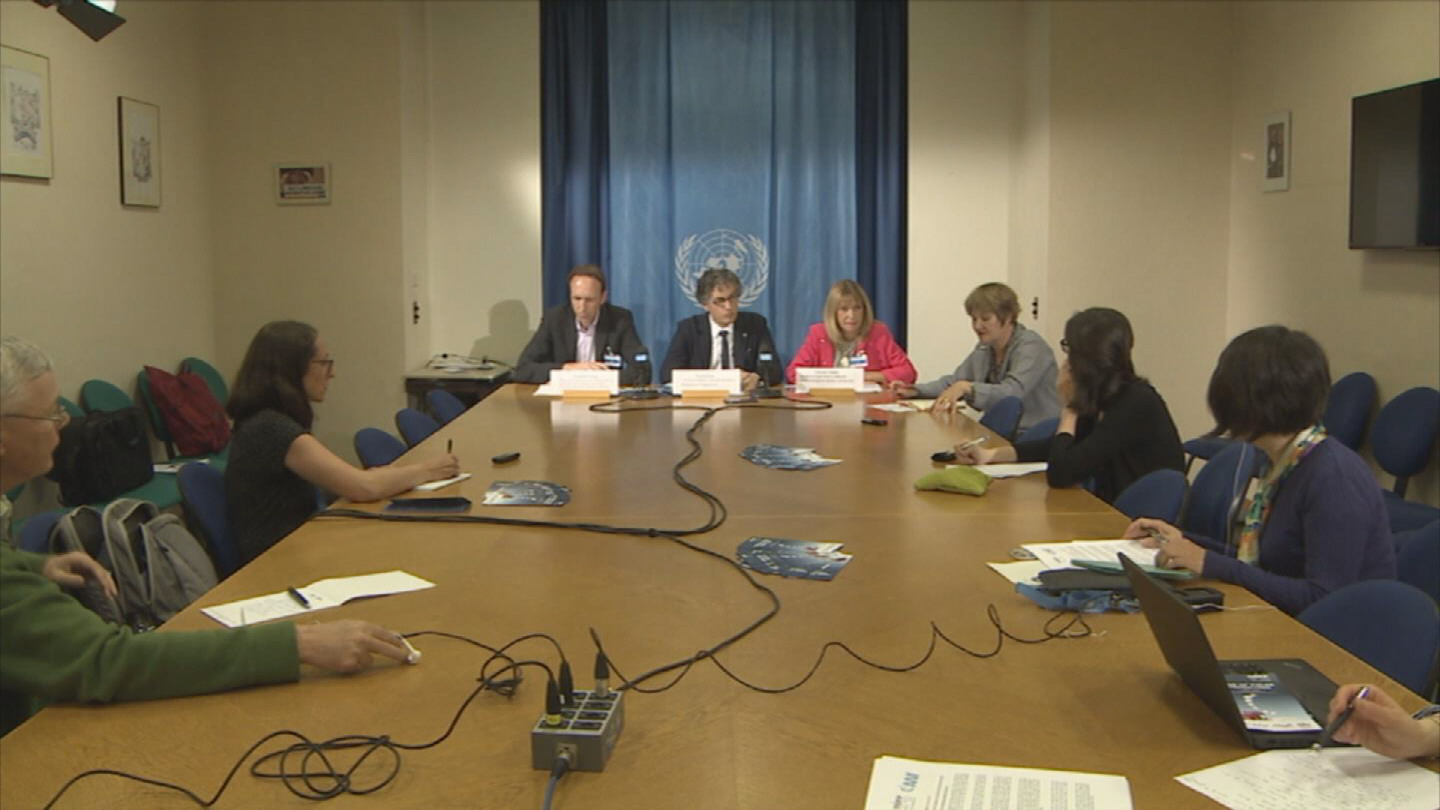
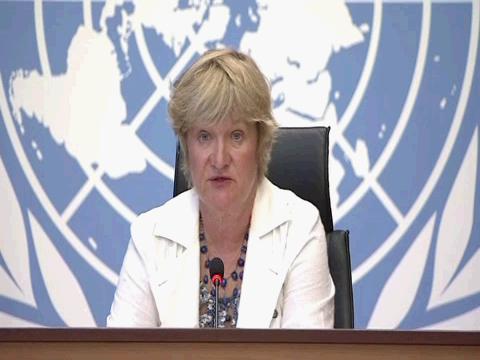
3. SOUNDBITE (English) Clare Nullis, Spokesperson for the World Meterological Organisation (WMO):
”2015 was the hottest year on record by quite a considerable margin. It was striking. So the average global temperatures, and we are talking about the land surface and the sea surface, that was 0.76 Celsius Degree above the long term average which is between 1961 and 1990.“
4. Close up, hands
5. SOUNDBITE (English) – Clare Nullis, Spokesperson for the World Meterological Organisation (WMO):
“What is important is that this is part of a long term trend, so 14 of the 15 hottest years on record have all been in this century. We have just had the hottest year by a big margin, we have had the hottest 5 years and we have had the hottest 10 years. It is part of a long term trend, there is no pause in global warming. It is continued and it is said to continue further.”
6. Close up, eyes
7. SOUNDBITE (English) - Clare Nullis, Spokesperson for the World Meterological Organisation (WMO):
Why is it significant?, because there is general scientific consensus as was repeated time and time again during the Paris Climate Change negotiations in December. There is general scientific consensus that we really need to stay, keep those temperatures increases below an absolute maximum of 2 degree Celsius to stand a good chance of being able to survive as we are today.”
8. Close up, hands
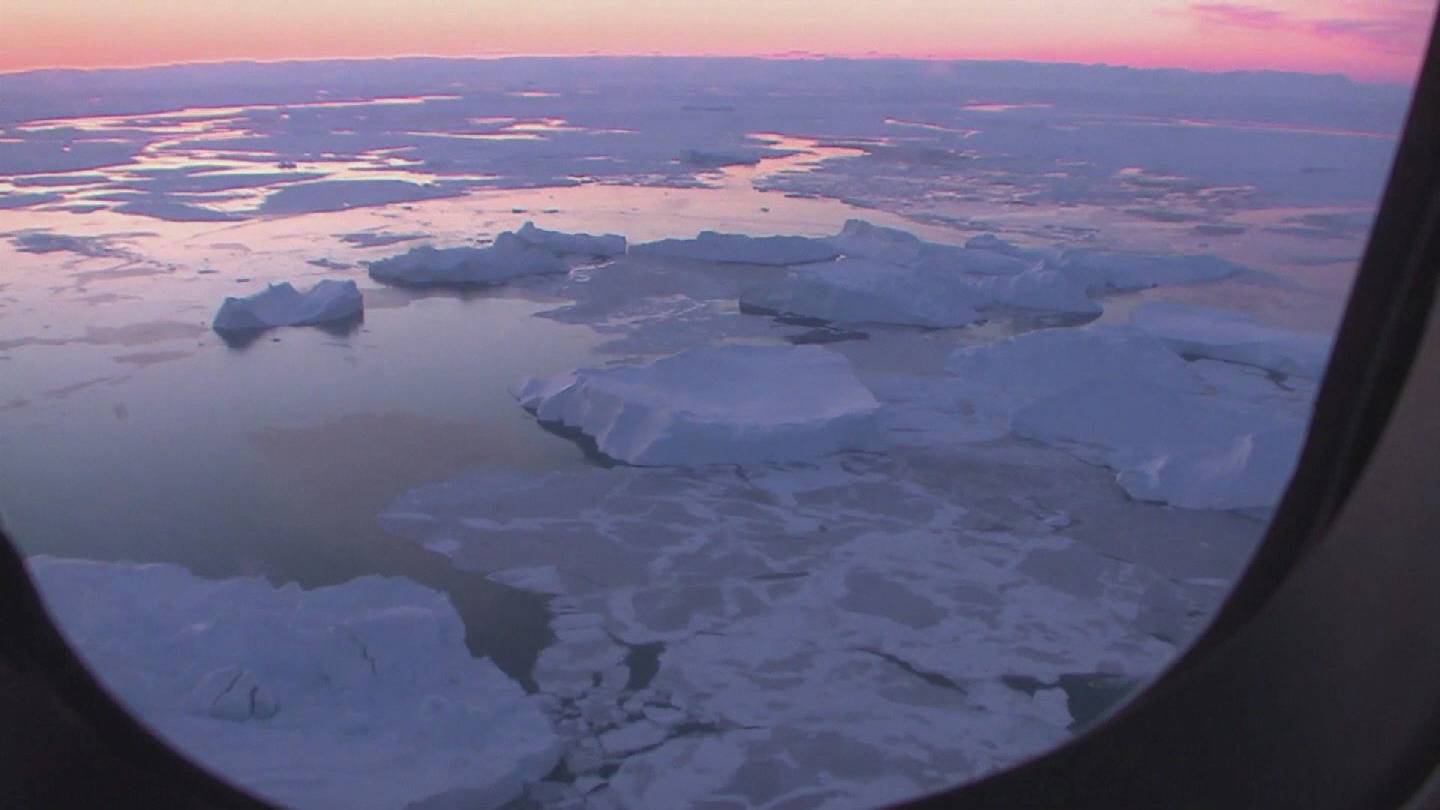
According to the World Meteorological Organization (WMO), 2015 was the hottest year on record.
WMO Spokesperson Clare Nullis said today (25 Jan) in Geneva “2015 was the hottest year on record by quite a considerable margin. It was striking. So the average global temperatures, and we are talking about the land surface and the sea surface, that was 0,76 Celsius Degree above the long term average which is between 1961 and 1990.“
The consolidated WMO analysis combines three internationally-renowed observational datasets from NASA, NOAA and Met Office. As such it provides the most authoritative international reference source.
Clare Nullis also said, “what is important is that this is part of a long term trend, so 14 of the 15 hottest year on record have all been in this century. We have just had the hottest year by a big margin, we have had the hottest 5 years and we have had the hottest 10 years. It is part of a long term trend, there is no pause in global warming. It is continued and it is said to continue further.”
However, temperatures only tell one part of the story. In 2015, in addition to the heat, there were a lot of extreme events, both linked to the El Nino but also as a result of climate change.
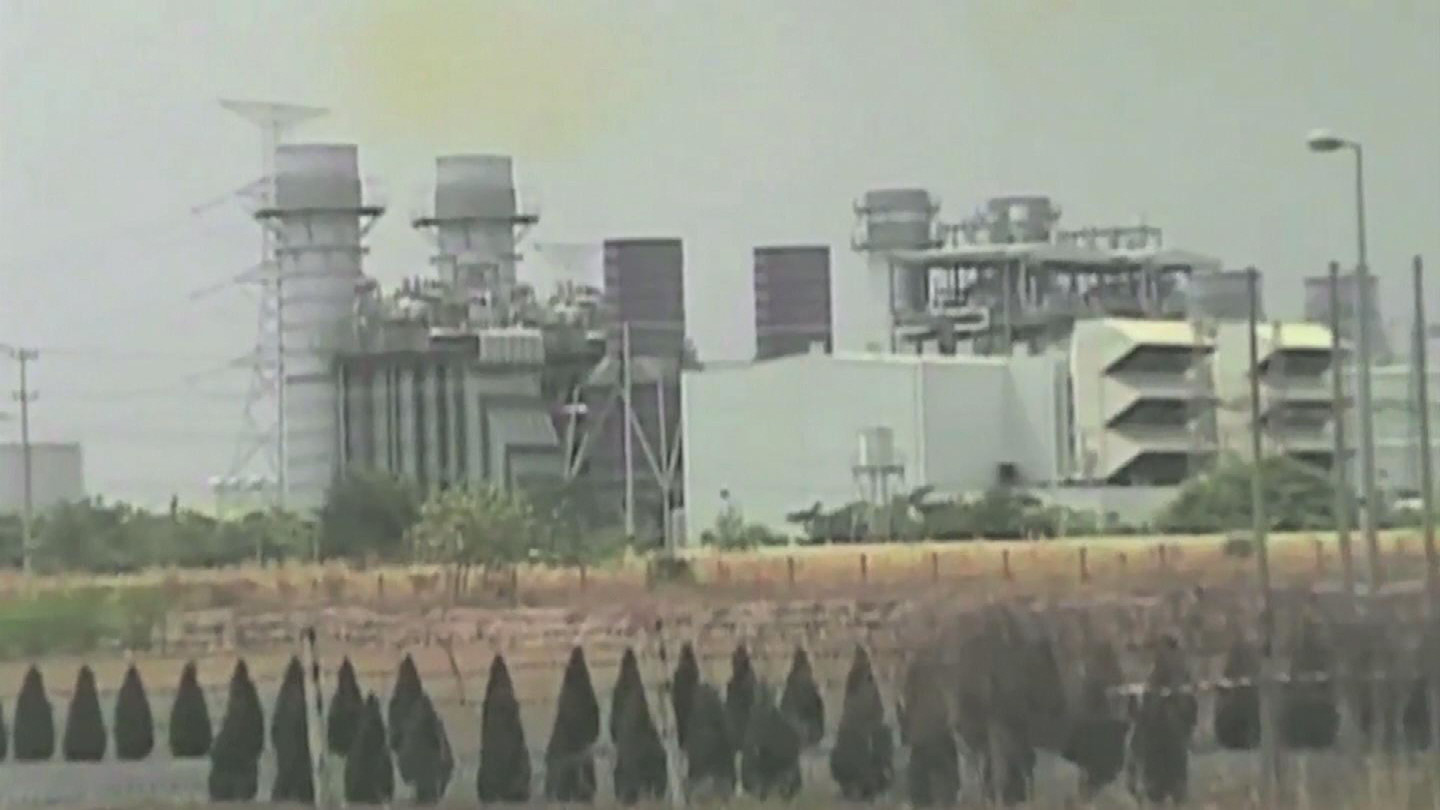
Clare Nullis noted that what was particularly significant about 2015 was the underlying trend of global warming caused by human activities - caused by Greenhouse gas emissions- and that combined with a very powerful El Nino event. So the natural El Nino event combined with human induced climate change created a major impact on heating up temperatures.
Clare Nullis added, ”why is it significant?, because there is general scientific consensus as was repeated time and time again during the Paris Climate Change negotiations in December. There is general scientific consensus that we really need to stay, keep those temperatures increases below an absolute maximum of 2 degree Celsius to stand a good chance of being able to survive as we are today.”
The Paris agreement went one step further and said the target should be 1.5 Celsius Degree.
Download
There is no media available to download.