Media Home
 UN Web TV
 UN Audiovisual Library
 UN Photo
Unifeed
GENEVA / ZIKA EMERGENCY COMMITTEE
STORY: GENEVA / ZIKA EMERGENCY COMMITTEE
TRT: 01:34
SOURCE: WHO
RESTRICTIONS: NONE
LANGUAGE: ENGLISH / NATS
DATELINE: 28 JANUARY 2016, GENEVA
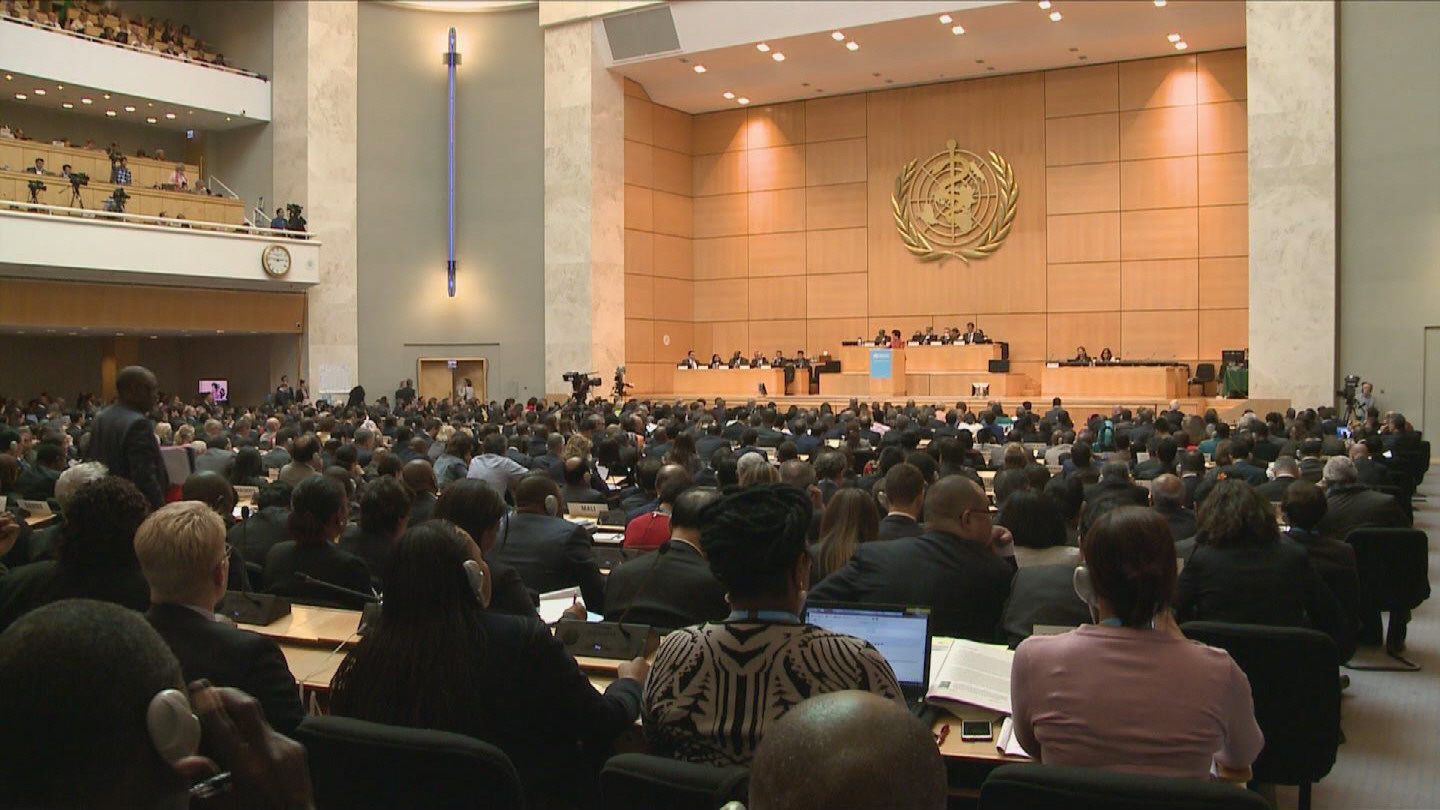
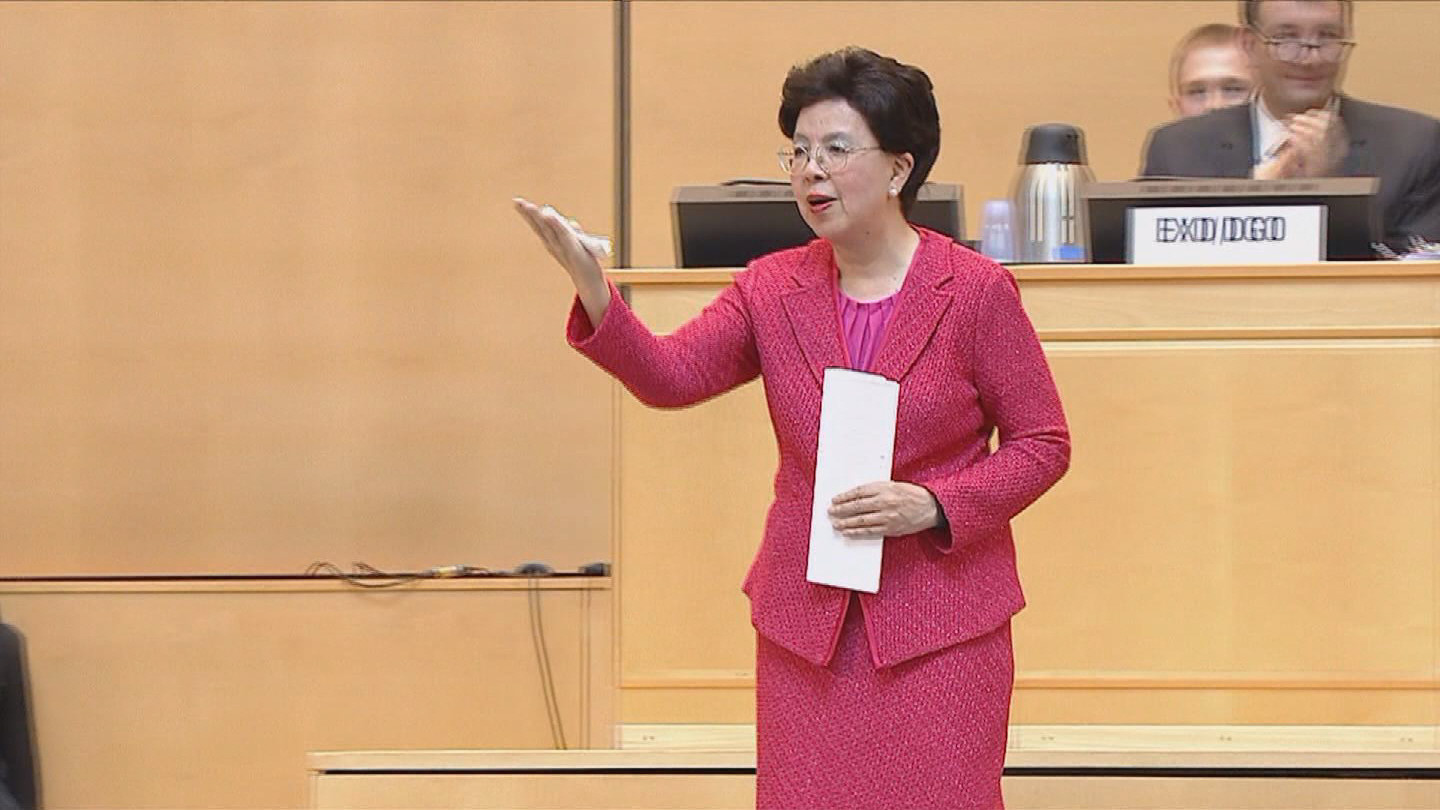
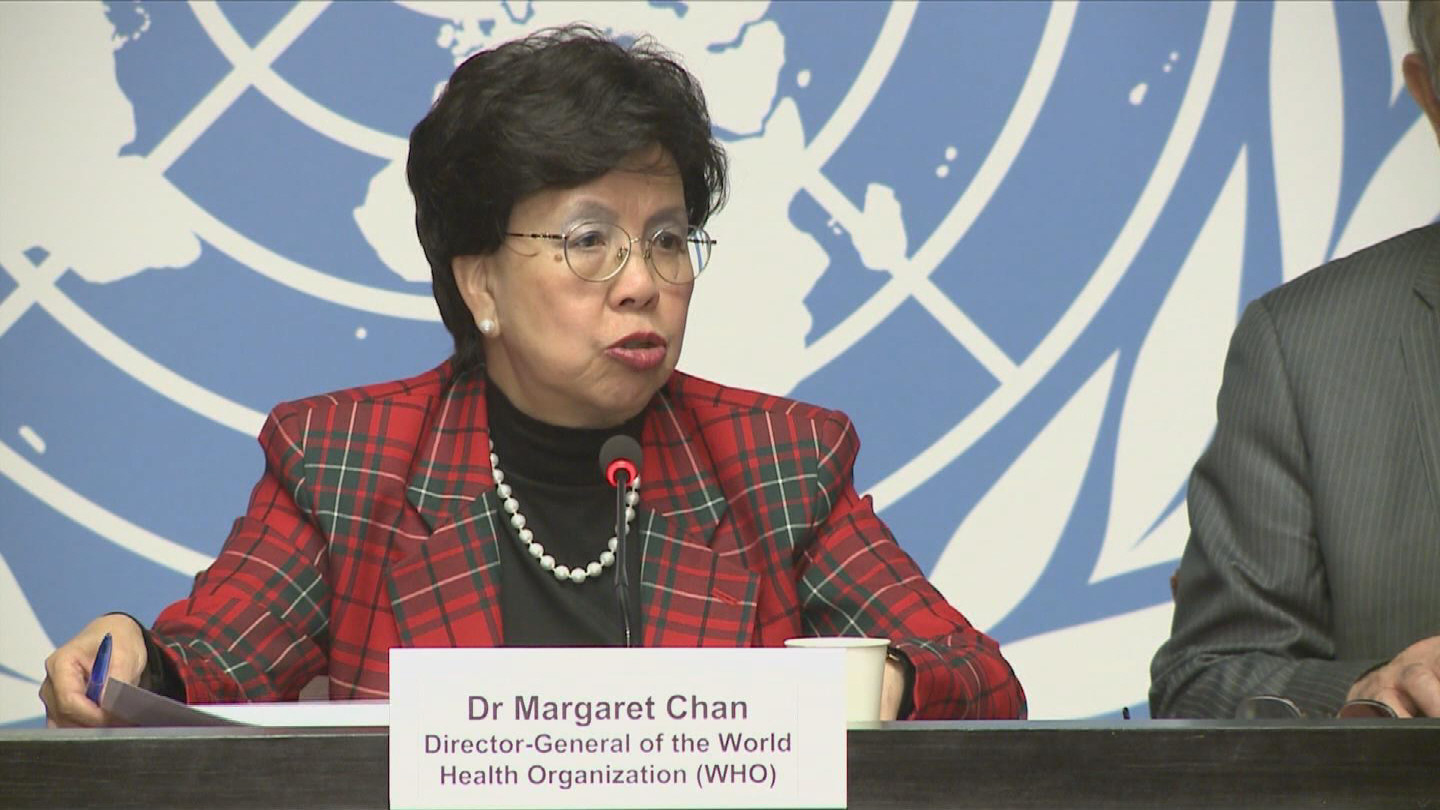
1. Wide shot, Chan seated at assembly
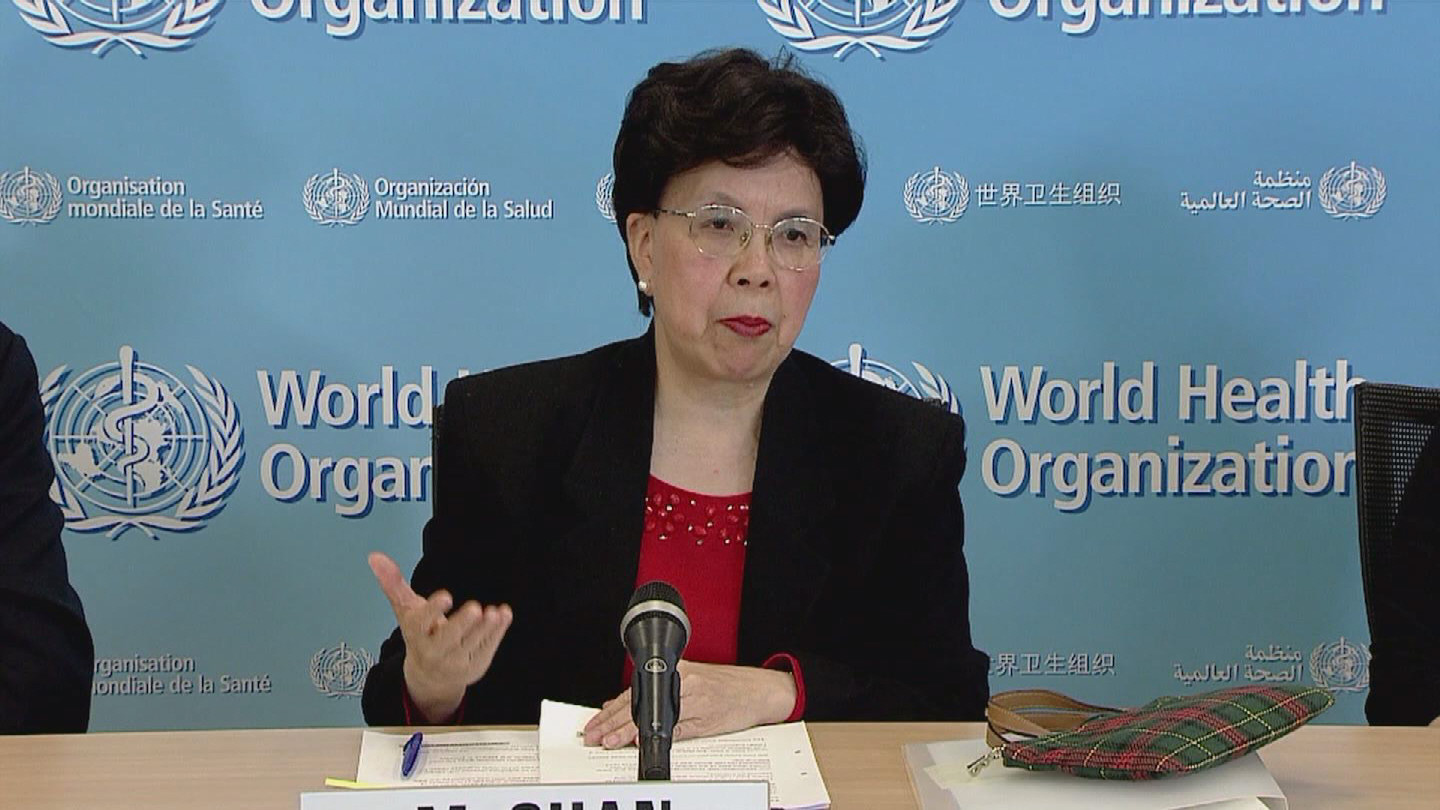
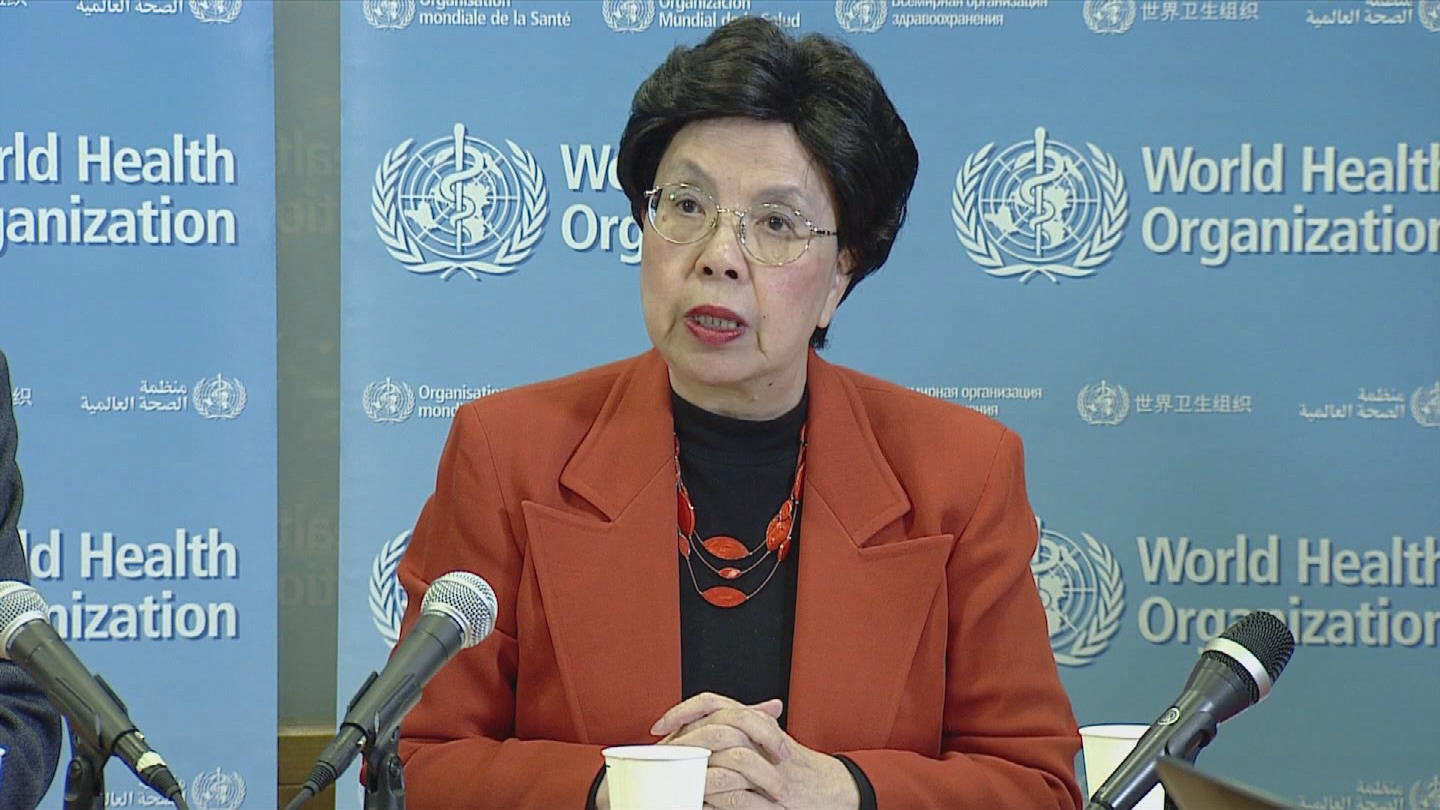
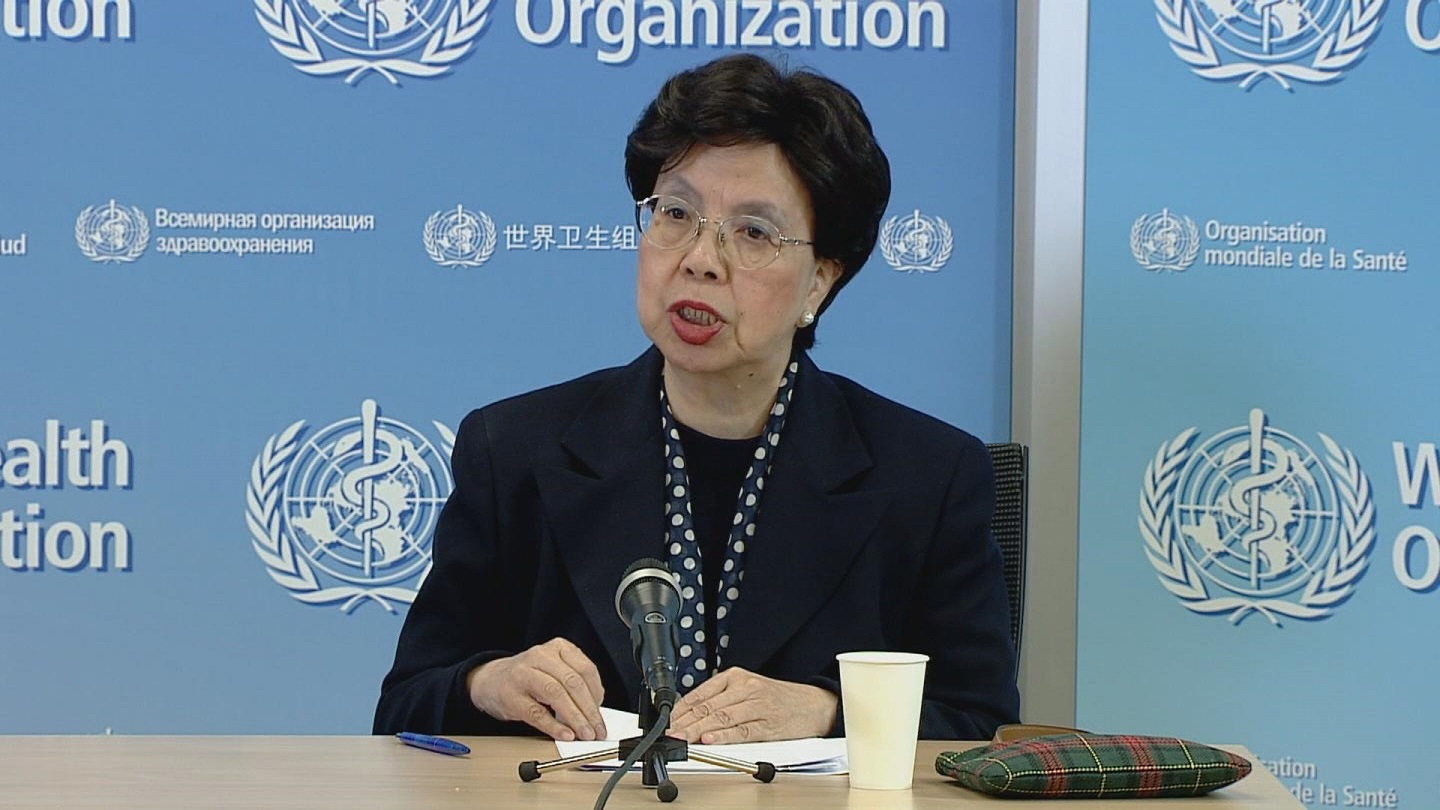
2. SOUNDBITE (English) Margaret Chan, Director-General, World Health Organization:
“The level of alarm is extremely high. Arrival of the virus in some places has been associated with a steep increase in the birth of babies with abnormally small heads and in cases of Guillain-Barre syndrome.”
3. Wide shot, assembly
4. SOUNDBITE (English) Margaret Chan, Director-General, World Health Organization:
A causal relationship between Zika virus infection and birth malformations and neurological syndromes has not yet been established, but is strongly suspected.”
4. Cutaway, member states
5. SOUNDBITE (English) Margaret Chan, Director-General, World Health Organization:
“The possible links, only recently suspected, have rapidly changed the risk profile of Zika, from a mild threat to one of alarming proportions. The increased incidence of microcephaly is particularly alarming, as it places a heart-breaking burden on families and communities.”
6. Cutaway, member states
7. SOUNDBITE (English) Margaret Chan, Director-General, World Health Organization:
“The level of concern is high, as is the level of uncertainty. Questions abound. We need to get some answers quickly.”
8. Wide shot, assembly
World Health Organization (WHO) Director-General Margaret Chan will convene an International Health Regulations Emergency Committee on Zika virus Monday (1 Feb) to seek advice on the appropriate level of international concern and for recommended measures that should be undertaken in affected countries and elsewhere.
Last May, Brazil reported its first case of Zika virus. Since then, the disease has spread within Brazil and to 24 other countries in the region.
The arrival of the virus in some countries of the Americas, notably Brazil, has been associated with a steep increase in the birth of babies with abnormally small heads and in cases of Guillain-Barré syndrome, a poorly understood condition in which the immune system attacks the nervous system, sometimes resulting in paralysis.
A causal relationship between Zika virus infection and birth defects and neurological syndromes has not been established, but is strongly suspected.
WHO is deeply concerned about this rapidly evolving situation for four main reasons: the possible association of infection with birth malformations and neurological syndromes, the potential for further international spread given the wide geographical distribution of the mosquito vector, the lack of population immunity in newly affected areas and the absence of vaccines, specific treatments, and rapid diagnostic tests.
Moreover, conditions associated with this year’s El Nino weather pattern are expected to increase mosquito populations greatly in many places.
Decisions concerning the Committee’s membership and advice will be made public on WHO’s website.
The Zika virus was first isolated in 1947 from a monkey in the Zika forest of Uganda. Its historical home has been in a narrow equatorial belt stretching across Africa and into equatorial Asia.
Download
There is no media available to download.