Media Home
 UN Web TV
 UN Audiovisual Library
 UN Photo
Unifeed
ZIMBABWE / EL NINO
STORY: ZIMBABWE / EL NINO
TRT: 02:51
SOURCE: FAO
RESTRICTIONS: NONE
LANGUAGE: NATS / ENGLISH / LOCAL LANGUAGES
DATELINE: 6 JULY 2016 - ROME, ITALY/ FILE
FILE - APRIL-MAY 2016, CHIVI AND CHIPINGE DISTRICTS, ZIMBABWE
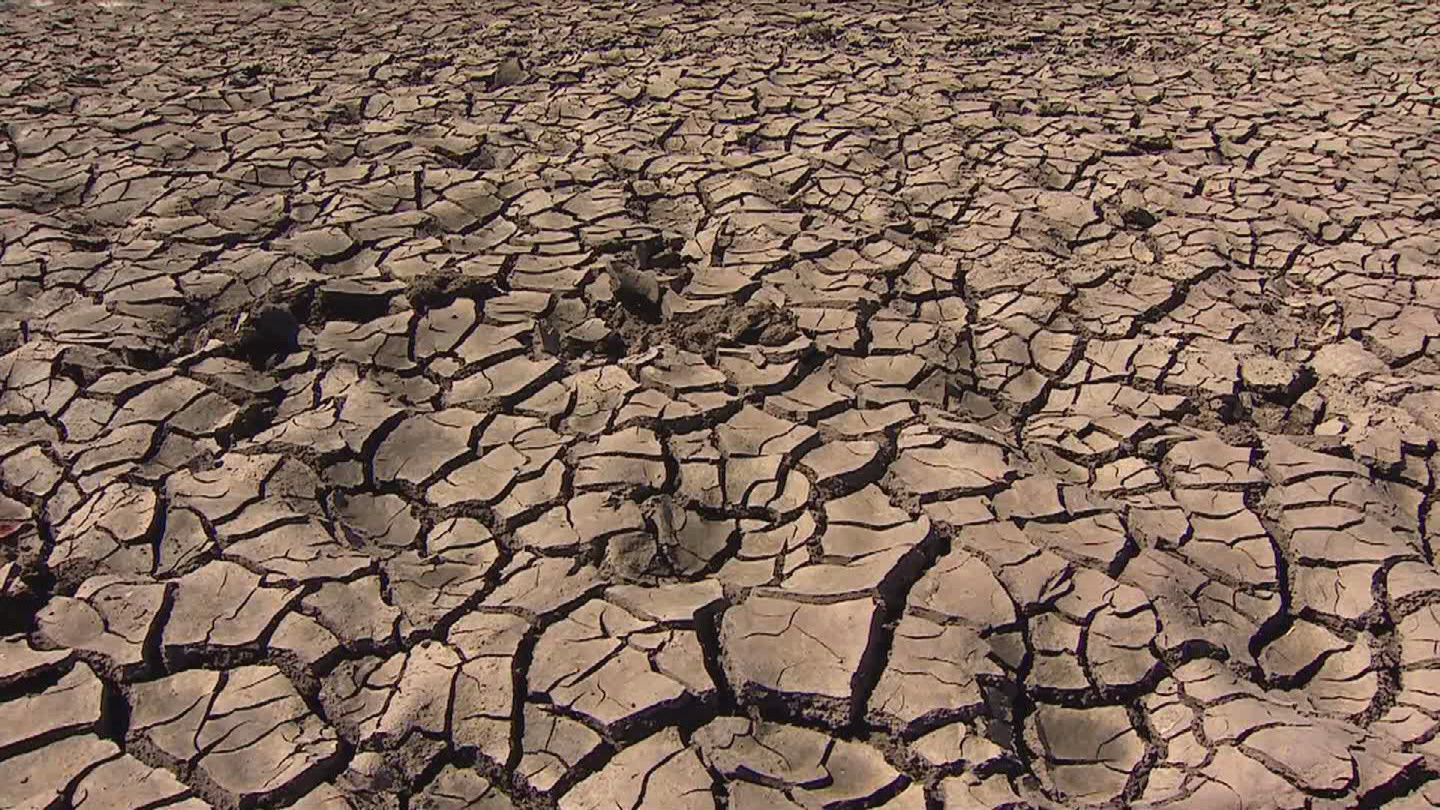
1. Wide shot, dry river
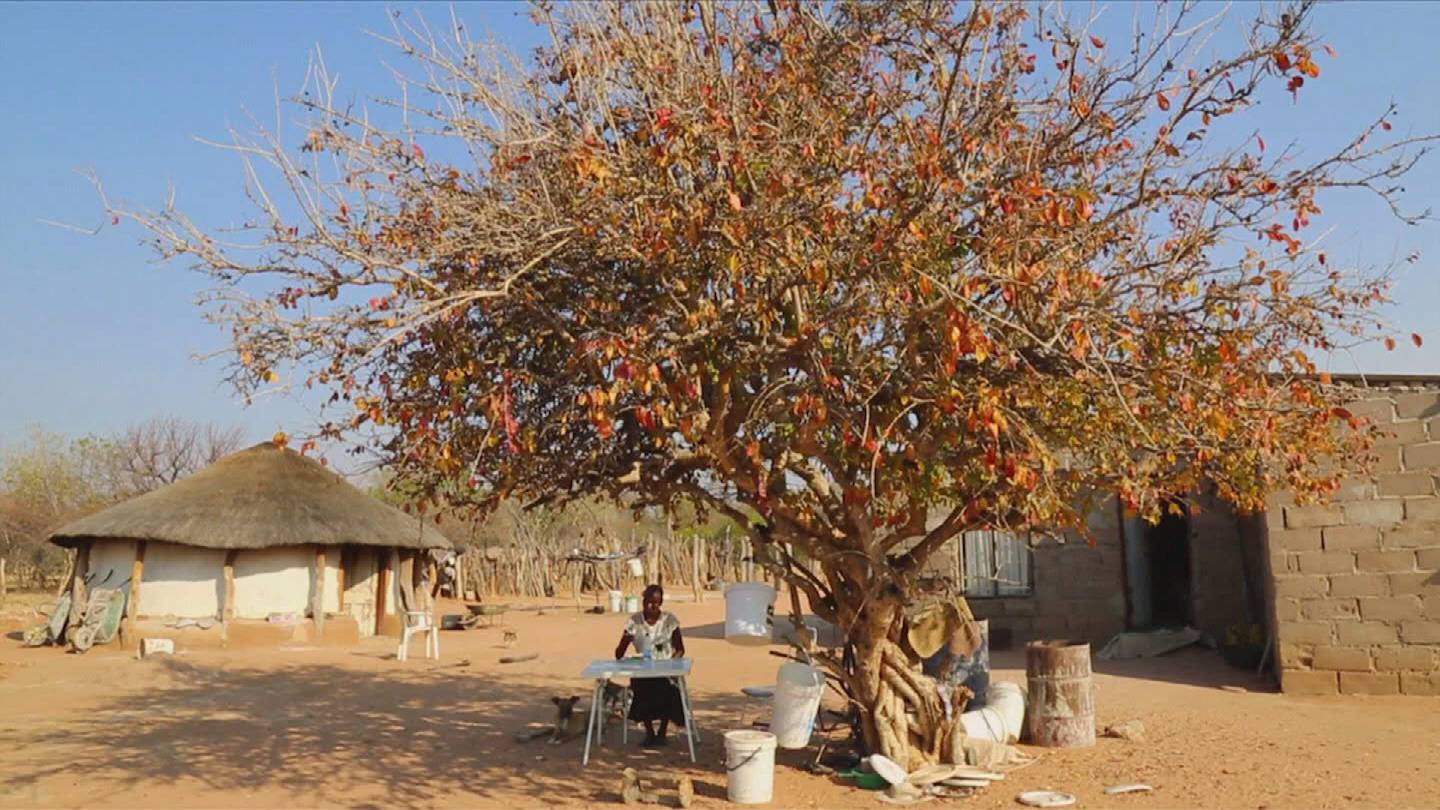
2. Wide shot, rural home in Zimbabwe
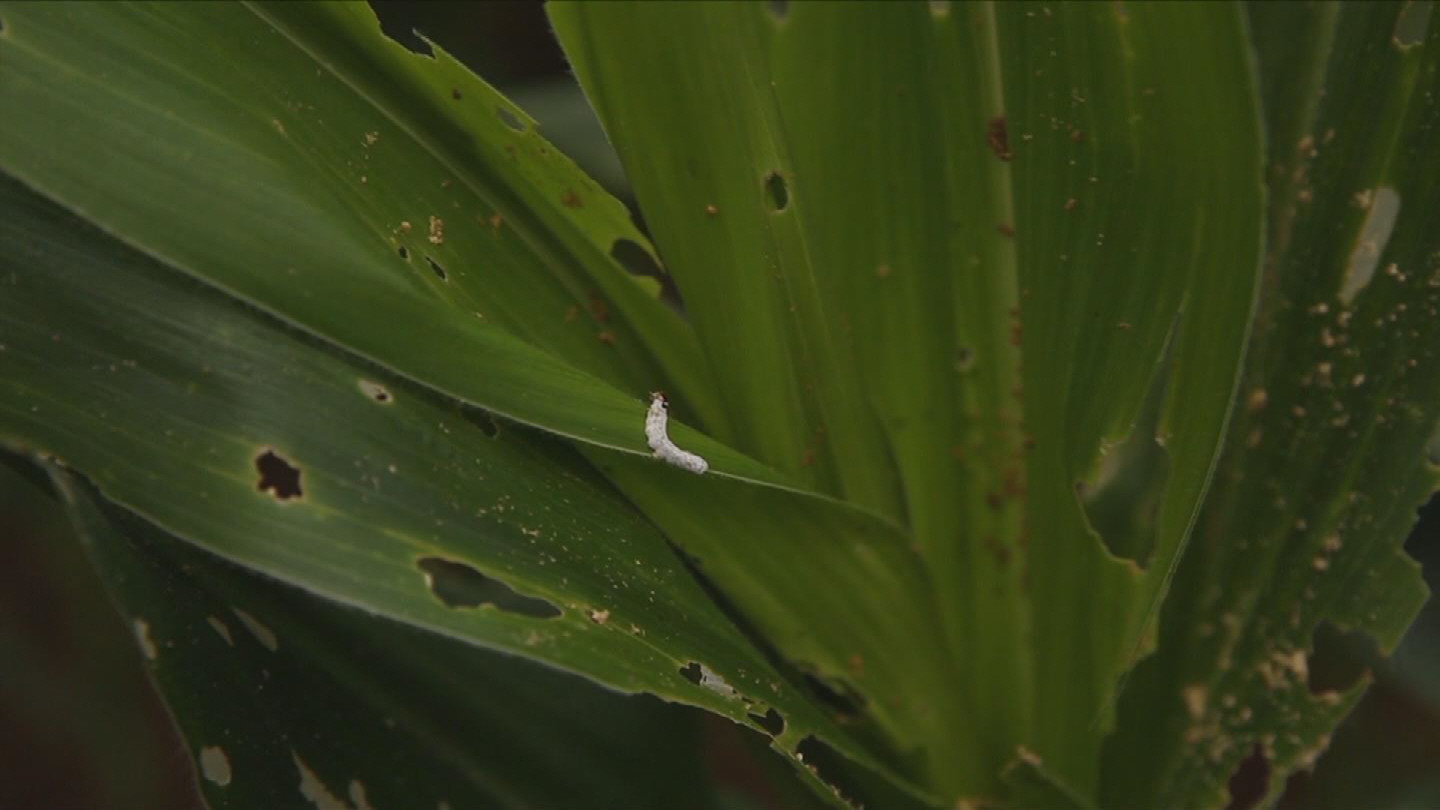
3. Wide shot, stunted crops
4. Close up, stunted crops
5. Wide shot, women cooking sadza (maize meal)
6. Wide shot, Philemon Madube walking with his dogs
7. SOUNDBITE (local language) Philemon Madube, livestock farmer:
“Our biggest problem is water. If the rains had come in time, things could have been better but water is a problem for us.”
8. Wide shot, woman walking in the field
9. Wide shot, cow in grazing land
10. Close up, cow hip bone
11. Wide shot, Walter Mhlaba herding his cattle
12. SOUNDBITE (local language) Walter Mhlaba, livestock farmer:
“I sold most of the cattle because they were starving to death. I couldn't fetch much for them, just $30 or $20. One of them fell and died in front of the buyer. I have dug many graves for the cattle. There is one over there. Some of them died when giving birth. The placenta would fall off because of starvation.”
13. Wide shot, farmer entering warehouse
14. Wide shot, farmer carrying bags of feed from warehouse
15. Wide shot, bags of seed in Warehouse
16. Wide shot, farmer paying cash for feed
17. Close up, water coming from pipe
18. Wide shot, two kids at water point
19. Wide shot, failed crops
20. SOUNDBITE (English) David Phiri, FAO Subregional Coordinator for Southern Africa
“The effects of El Niño, and a bad drought last year already, means that there’s been two bad seasons. So we expect that even next season - even if it is good - there will still be effects of these two seasons because farmers may not always have the seeds that they will need, some of the livestock will have died so they will need to restock. So normalcy may not return until about two seasons from now”.
6 JULY 2016, ROME, ITALY
21. SOUNDBITE (English) Macharia Kamau, UN Special Envoy for El Niño and Climate Ambassador:
The situation with El Niño and the onset of La Niña is that we still have over 60 million people who are faced with a very difficult reality on the ground. I have just come from a trip around the South Pacific, and I have been to Asia, and what we have seen there is that because these El Niño and La Niña weather events tend to be slow onset event, they don't command the kind of high media attention that a hurricane or an earthquake might. So, although they are real disasters, that corrode and erode the abilities of communities to sustain and survive, they don't get the same response. So, a lot of people continue to suffer, a lot of livestock is lost, crops are lost and the situation remains very dire on the ground.
Southern Africa is currently in the grip of an intense drought driven by one of the strongest El Niño events recorded in the past 50 years.
Across large swathes of Zimbabwe, this year’s rainfall season has so far been the driest in recent years. In typical years, families normally have enough food to eat after the main harvests begin in late March and April; that however is not the case this year.
This year is particularly difficult for farmers in the Chivi district in Masvingo Province.
The Chipinge district, which lies in the eastern highlands of the country, is about 400km from the country’s capital - Harare. Thousands of cattle in the region have died lack of pasture and water. Livestock remains and skeletons have become a common scene for the community.
With funding from the United Nations Central Emergency Response Fund (CERF), the Food and Agriculture Organization of the United Nations (FAO) is supporting 8,000 families. Through this project, livestock and crop farmers were able to access subsidized animal feed, drought-tolerant small grain, and legume seeds. They also received training on how to best manage crops and livestock during the drought.
From the proceeds received from the sale of the subsidized animal feed and seeds, the project has established a drought mitigation revolving fund in each of the seven-targeted districts. This money is already being used by the communities to procure additional stock feed and rehabilitate water points for both human and livestock consumption.
The El Niño induced drought will continue impacting different sectors of — agriculture, water and sanitation, energy, health and education. More projects like these will be required to assist vulnerable families to restore agricultural production, regain their livelihoods and better withstand future climatic shocks.
Download
There is no media available to download.