Media Home
 UN Web TV
 UN Audiovisual Library
 UN Photo
Unifeed
CHINA / HEALTH CARE REFORMS
STORY: CHINA / HEALTH CARE REFORMS
TRT: 2:16
SOURCE: WORLD BANK
RESTRICTIONS: NONE
LANGUAGE: ENGLISH / NATS
DATELINE: 22 JULY 2016, FUJIAN PROVINCE, CHINA
1. Wide shot, buildings and skyscrapers
2. Wide shot, buildings and skyscrapers
3. Wide shot, lake and buildings
4. Med shot, motorists riding bikes and driving in cars
5. Med shot, Jim Yong Kim getting out of vehicle to meet health care professionals
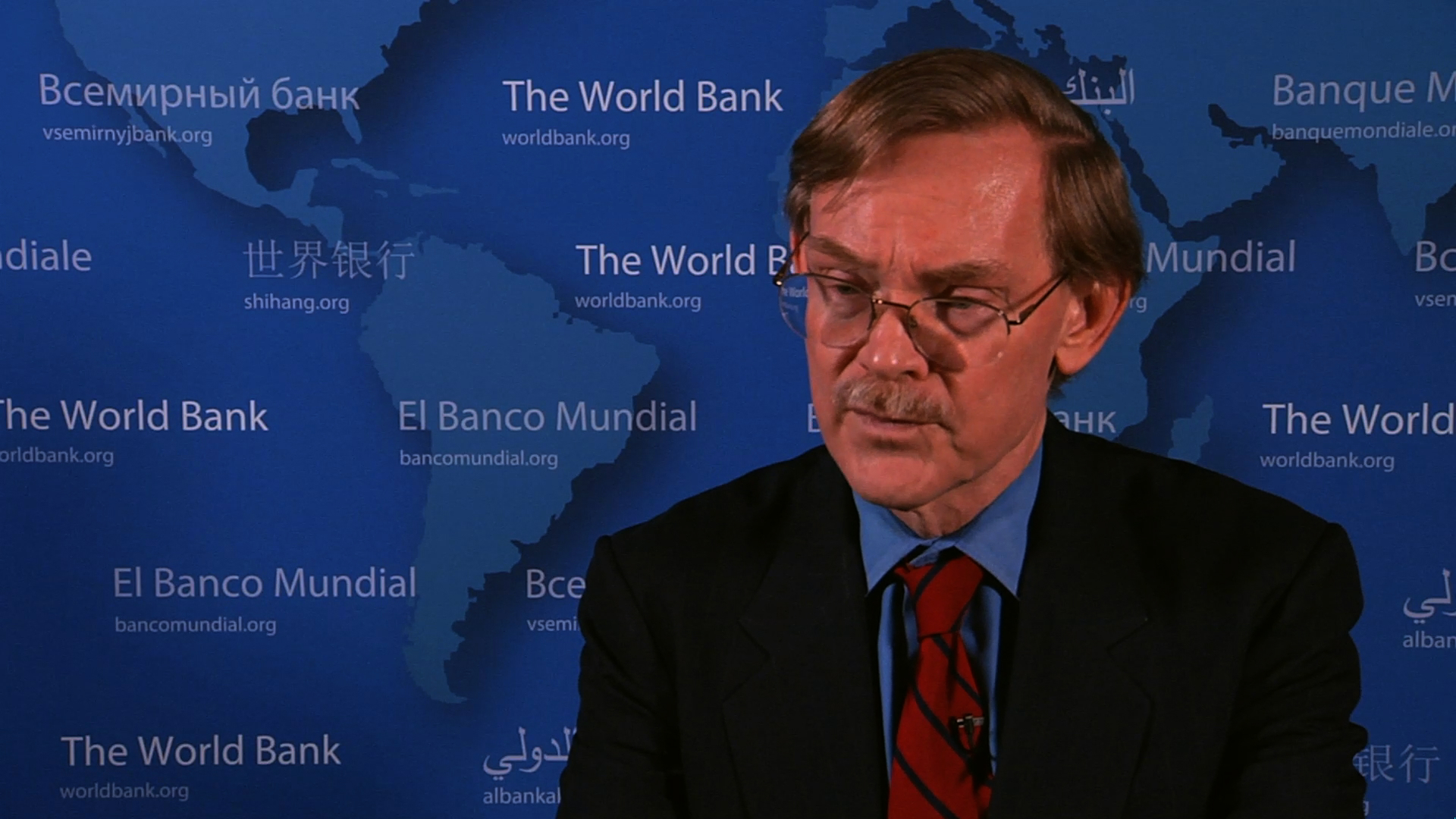
6. SOUNDBITE (English) Jim Yong Kim, President, World Bank Group:
“The China health study is extremely important because after years of reform and reaching near universal health coverage, the leaders of China have decided that they need to deepen the health reform. And since this affects 1 in every 6 people in the world, this is incredibly important.The plan also is extremely ambitious. 8 different sectors, 4 focused on the quality and the organization of patient care, and in 4, looking at the administrative, financial aspects of it. This is the most ambitious health reform effort that I have ever seen.”
7. Wide shot, meeting on Fujian’s health care reform
8. Med shot, Jim Yong Kim at Fujian health care reform meeting
9. Med shot, Jim Yong Kim walking with doctors
10. Med shot, Jim Yong Kim meeting with doctors
11. Med shot, Jim Yong Kim talking with doctors and patients
12. SOUNDBITE (English) Jim Yong Kim, President, World Bank Group:
“The problems that China is trying to deal with are problems that exist in just about every middle income, and actually, very many high-income country health care systems. And certainly the kinds of problems that low-income countries will face eventually as well. We think that if we get it right here in China, which means not only policy reform, but implementation, and then taking good innovations to scale and spreading them throughout the country. If we can get there, we think that this study and this effort could have implications and could help health care systems all over the World.”
13. Med shot, Jim Yong Kim talking with doctors
14. Close up, computer screen showing health records
15. Med shot, Jim Yong Kim talking with doctors and patients
16. Med shot, Jim Yong Kim talking with patient
The World Bank, in association with the World Health Organization and the Chinese Government, issued a report that calls for a return to relying on community health care and less on expensive hospital care.
To build on earlier reforms and maintain progress toward universal health coverage, China needs to deepen reforms in its health care sector to meet the needs of its people and control spending increases.
This is the finding of a sweeping 2-year study conducted jointly by the World Bank, World Health Organization and Chinese Government. While China has lifted more than 600 million people out of poverty in the last three decades and reformed its health care system as recently as 2009, more needs to be done.
SOUNDBITE (English) Jim Yong Kim, President, World Bank Group:
“The China health study is extremely important because after years of reform and reaching near universal health coverage, the leaders of China have decided that they need to deepen the health reform. And since this affects 1 in every 6 people in the world, this is incredibly important. The plan also is extremely ambitious. 8 different sectors, 4 focused on the quality and the organization of patient care, and in 4, looking at the administrative, financial aspects of it. This is the most ambitious health reform effort that I have ever seen.”
The report finds that China needs to respond to changing health care needs: an aging population and a surge in diseases such as cancer, diabetes, and heart disease. China currently has 140 million people over 65. That number is expected to grow to 230 million by 2030. To meet these changes, the report calls for institutional reform and innovation, adoption of a tiered-service delivery system, and a return to greater reliance on community health care and less on expensive hospital-based care.
SOUNDBITE (English) Jim Yong Kim, President, World Bank Group:
“The problems that China is trying to deal with are problems that exist in just about every middle income, and actually, very many high-income country health care systems. And certainly the kinds of problems that low-income countries will face eventually as well. We think that if we get it right here in China, which means not only policy reform, but implementation, and then taking good innovations to scale and spreading them throughout the country. If we can get there, we think that this study and this effort could have implications and could help health care systems all over the World.”
The report, Deepening Health Reform in China, Building High-Quality and Value-Based Service Delivery, finds that China needs to further reform its health system to meet the growing health needs of the population and control spending increases. These reforms will aide on the already impressive achievements China has made in healthcare reform and its progress toward universal health coverage.
Download
There is no media available to download.