Media Home
 UN Web TV
 UN Audiovisual Library
 UN Photo
Unifeed
UN / KANG MALAWI MADAGASCAR
STORY: UN / KANG MALAWI MADAGASCAR
TRT: 01:52
SOURCE: UNIFEED-UNTV
RESTRICTIONS: NONE
LANGUAGE: ENGLISH / NATS
DATELINE: 27 JULY 2016, NEW YORK CITY
RECENT – NEW YORK CITY
1.Wide shot, exterior United Nations Headquarters
27 JULY 2016, NEW YORK CITY
2.Wide shot, press room
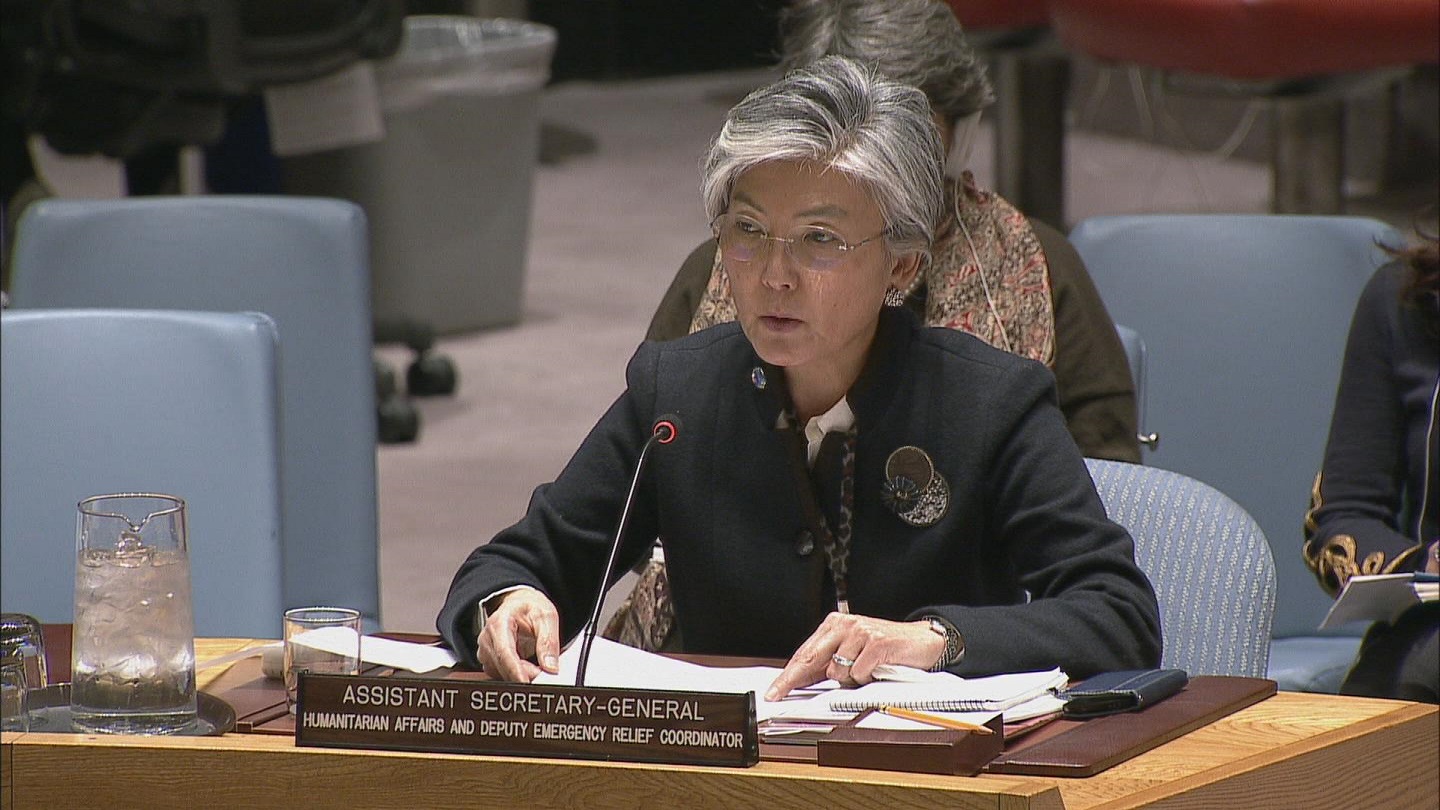
3.SOUNDBITE (English) Kyung-wha Kang, Deputy Emergency Relief Coordinator, United Nations Office for the Coordination of Humanitarian Affairs (OCHA):
“Indeed, the current impact of El Niño crisis is felt globally, affecting 60 million people. And southern Africa is of particular concern, as the region is facing its worst drought in 35 years, with an estimated 40 million people facing food insecurity, including some 23 million in need of urgent humanitarian assistance. And as a high probability of La Niña phenomenon towards the end of this year, it is likely the situation will be exacerbated, and coping capacities of most of these countries will be further eroded.”
5.Wide shot, journalists
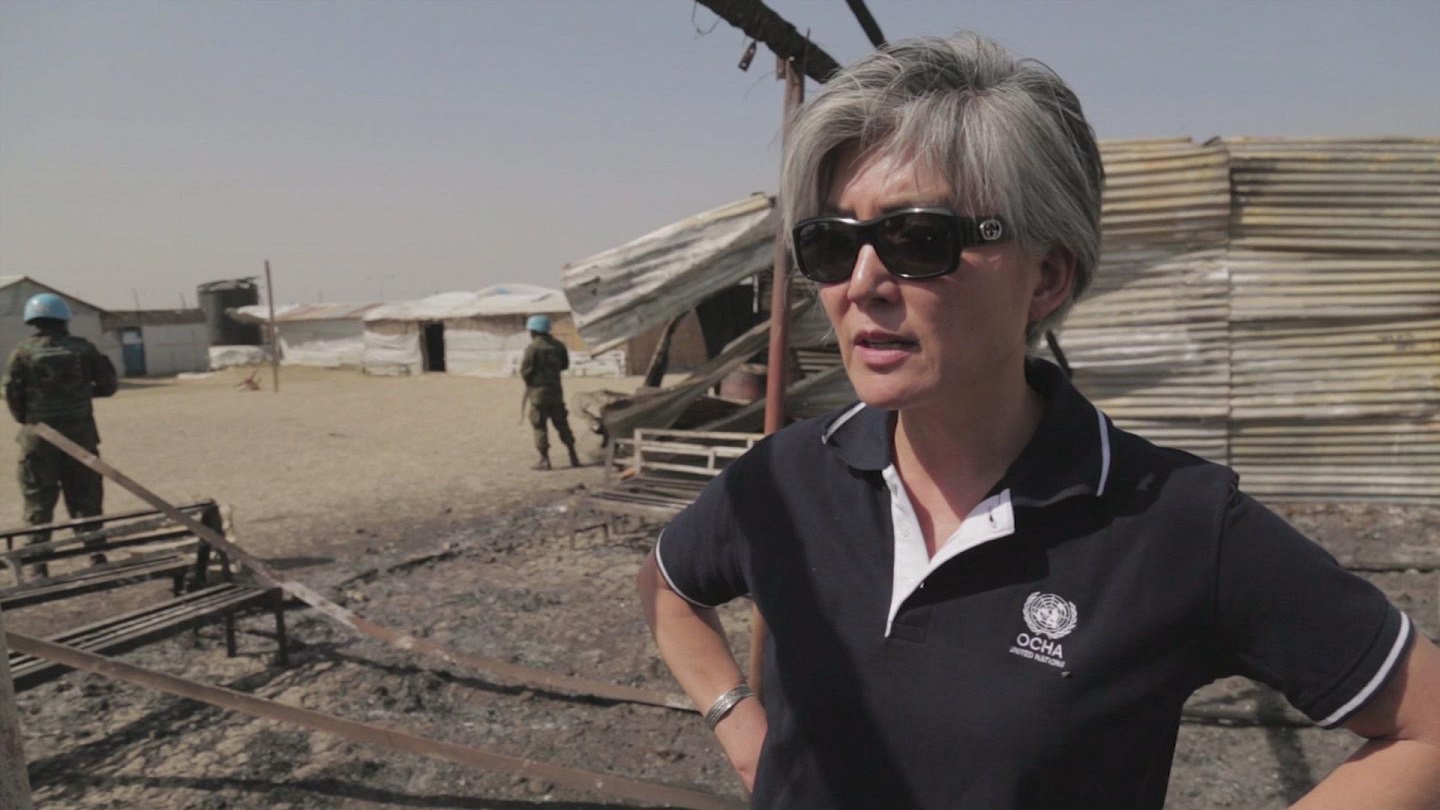
6.SOUNDBITE (English) Kyung-wha Kang, Deputy Emergency Relief Coordinator, United Nations Office for the Coordination of Humanitarian Affairs (OCHA):
“I spoke with mothers and children effected by malnutrition, about the support they are receiving. I also met with communities receiving help to improve their agriculture production. And despite the challenges, I am very glad to see that the communities are participating the projects that will help them to take their livelihoods to their own hands and build resilience to better mitigate the impact of future crisis.”
7.Med shot, journalist
8.SOUNDBITE (English) Kyung-wha Kang, Deputy Emergency Relief Coordinator, United Nations Office for the Coordination of Humanitarian Affairs (OCHA):
“With the increasing probability of La Niña occurring towards the end of this year, we will need to work even harder in the month before the event to help mitigate its impact. And we really rely on the generosity of donors and the partners to support the governments and demonstrate their continued commitment to saving lives as well as restoring the livelihoods of those affected.”
9.Wide shot, zoom out press room
The United Nations Deputy Emergency Relief Coordinator Kyung-wha Kang said due to "a high probability of La Niña towards the end of this year, it is likely the situation will be exacerbated," adding that coping capacities of most of Malawi and Madagascar "will be further eroded.”
Briefing journalists on her trip to Malawi and Madagasgar from 16 until 22 July, she also said “the current impact of El Niño crisis is felt globally,” adding that “and Southern Africa is a particular concern, as the region is facing its worst drought in 35 years, with an estimated 40 million people facing food insecurity, including some 23 million in need of urgent humanitarian assistance.”
Speaking about the affected communities, Kang said “despite the challenges, I am very glad to see that the communities are participating the projects that will help them to take their livelihoods to their own hands and build resilience to better mitigate the impact of future crisis.”
On the urgent need of funding in humanitarian assistance and development, she said “we really rely on the generosity of donors and the partners to support the governments and demonstrate their continued commitment to saving lives as well as restoring the livelihoods of those affected.”
Ahead of her trip to the southern Africa region, Kang met with several key donors in London discussing the possible contributions in response to this unprecedented El Niño affected drought crisis.
Besides Malawi and Madagascar, the most severely affected countries include Angola, Lesotho, Mozambique, Swaziland and Zimbabwe.
Nearly 40 million people are food insecure in the region, including some 23 million who require urgent humanitarian assistance. About 2.7 million children face severe acute malnutrition, with the figure expected to spike significantly, if immediate assistance is not received. Food insecurity is expected to peak during the October 2016 to March 2017 lean season.
Download
There is no media available to download.