Media Home
 UN Web TV
 UN Audiovisual Library
 UN Photo
Unifeed
GENEVA / SYRIA DE MISTURA EGELAND
STORY: GENEVA / SYRIA DE MISTURA EGELAND
TRT: 3:19
SOURCE: UNTV CH
RESTRICTIONS: NONE
LANGUAGE: ENGLISH / NATS
DATELINE: 20 OCTOBER 2016 GENEVA, SWITZERLAND
1. Exterior, Palais des Nations
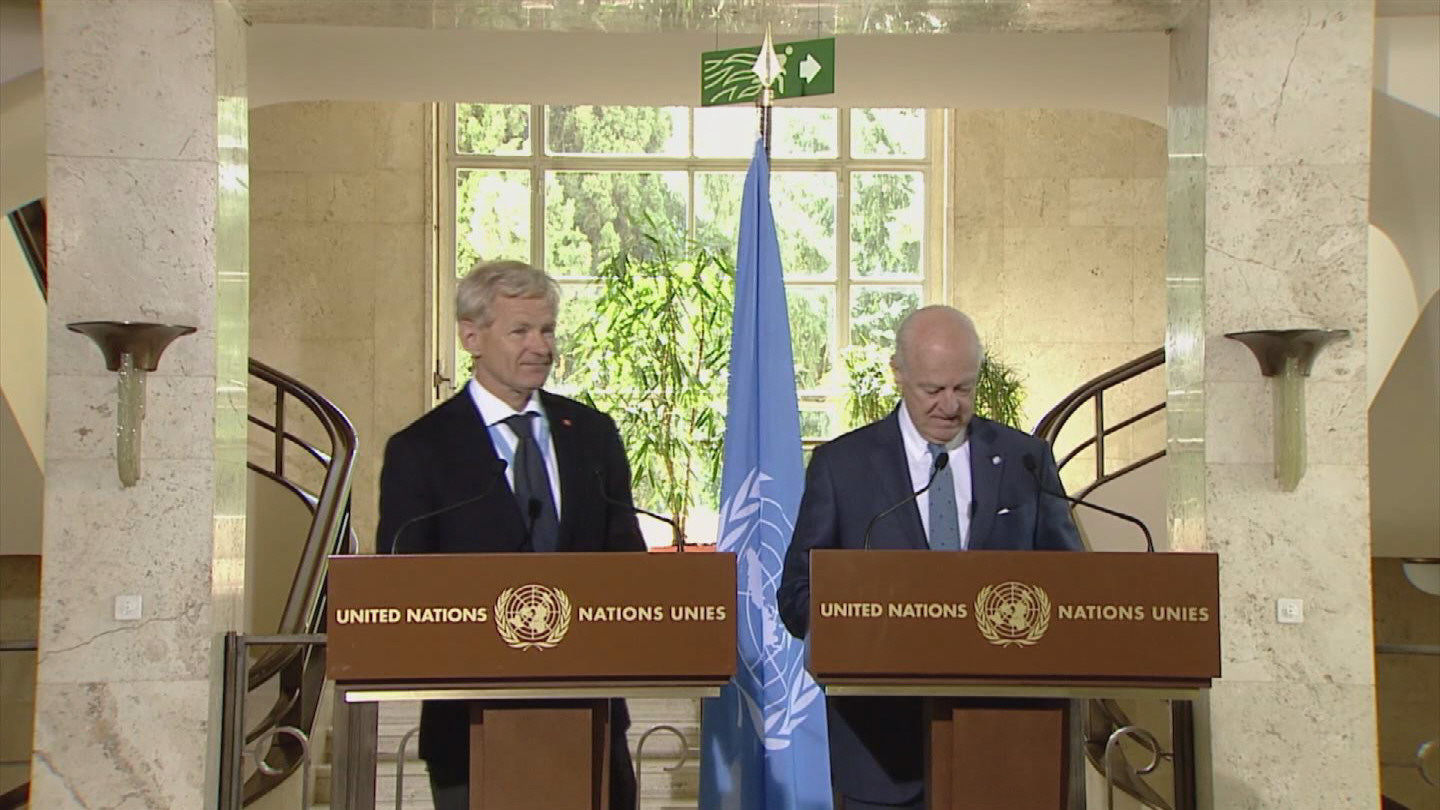
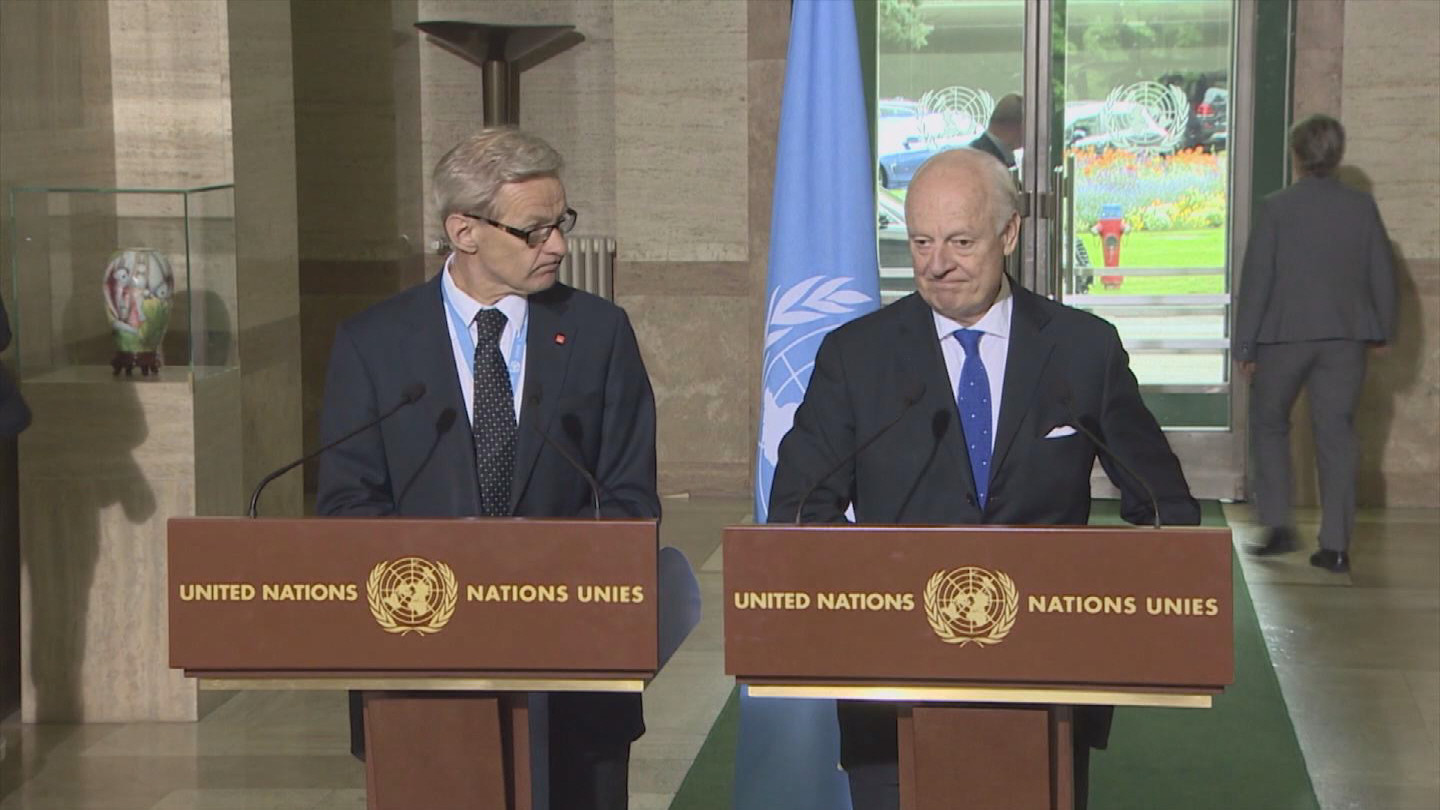
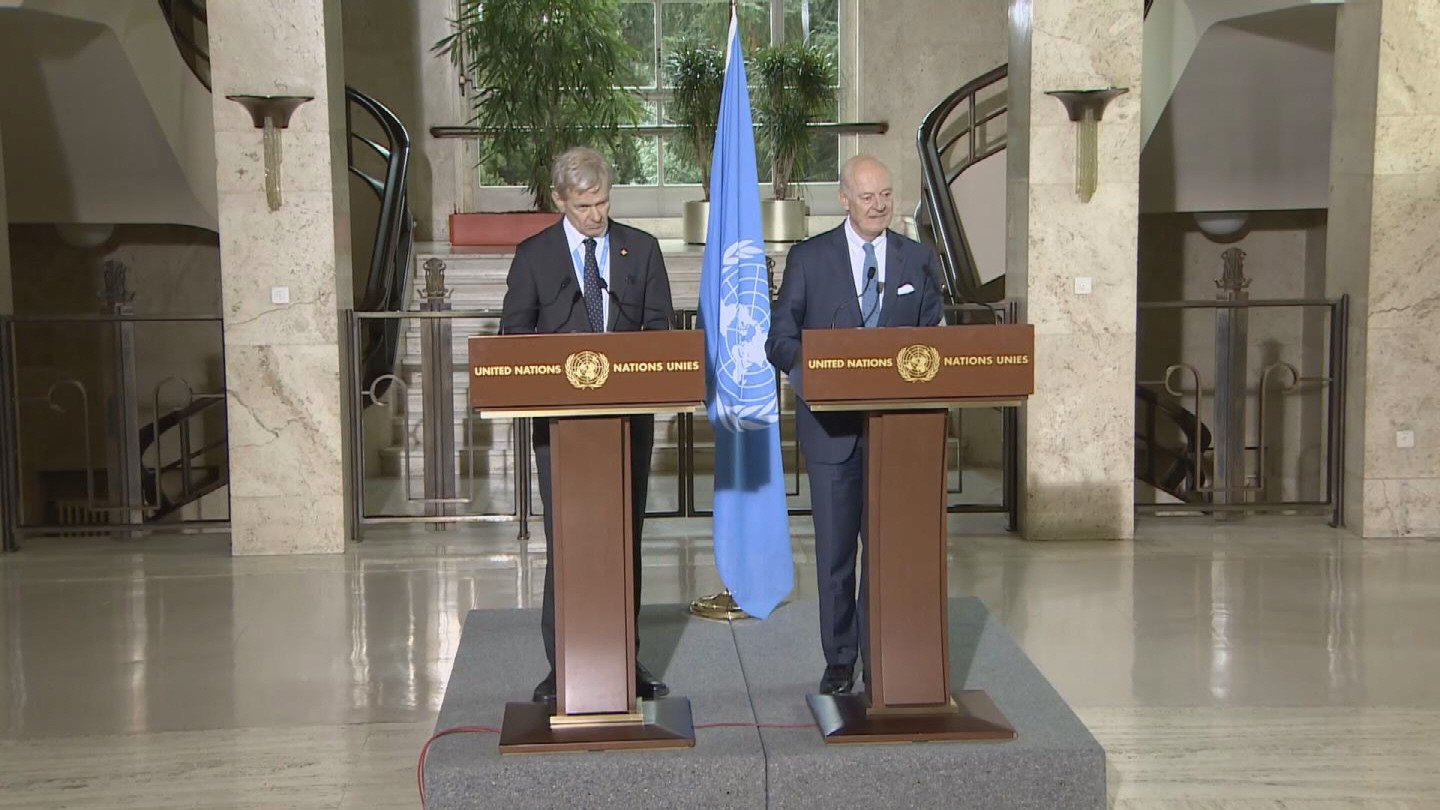
2. Wide shot, press stakeout
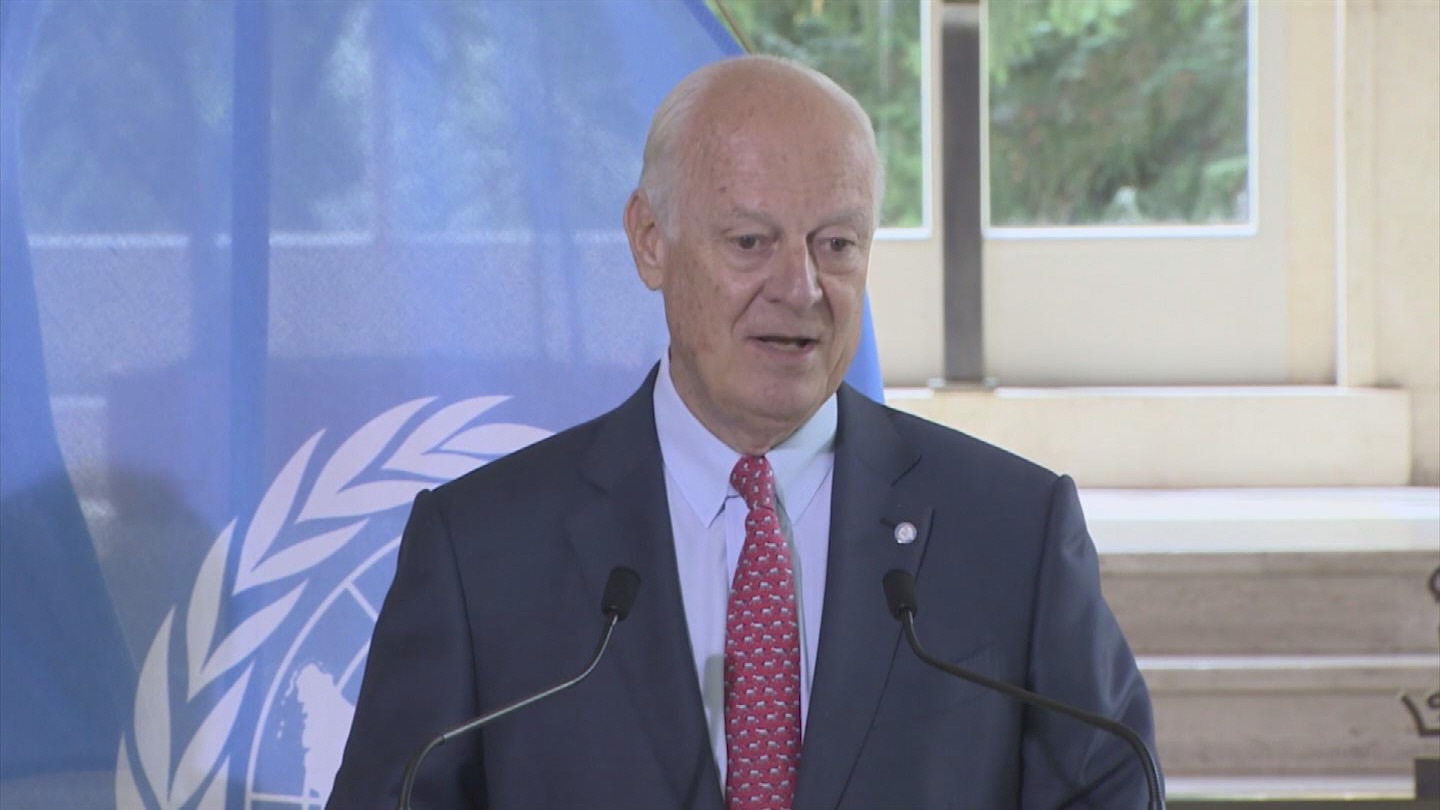
3. SOUNDBITE (English) Staffan de Mistura, UN Special Envoy for Syria:
“We, the UN, consider this pause as a direct response to an urgent request for medical evacuation and relief for those who have been wounded or are heavily sick, victims inside eastern Aleppo, particularly in connection with the destruction of medical facilities. This requests from the UN has been on the table for few weeks actually and preceded the so called ‘Special Envoy’s plan’ or proposal.”
4. Wide shot, journalists
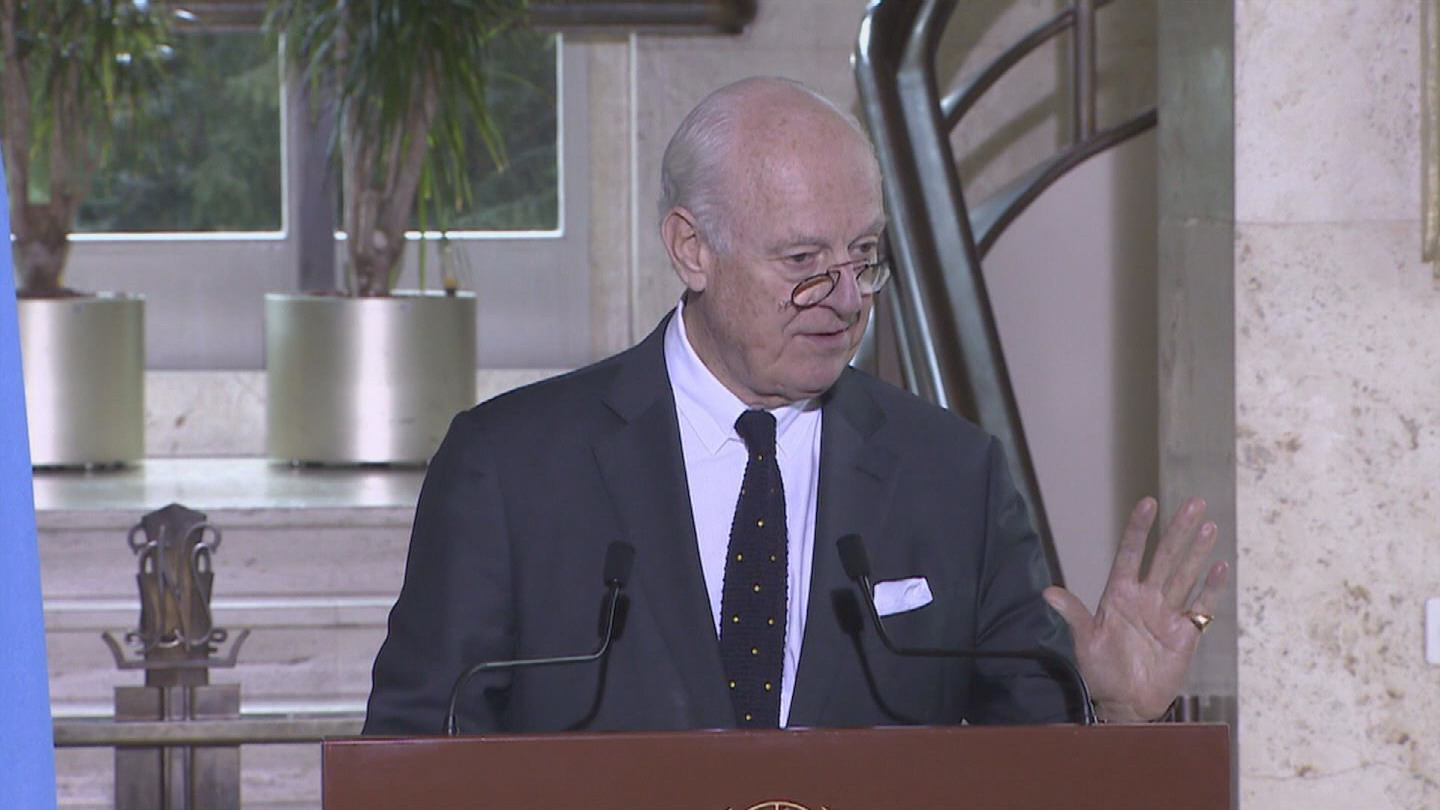
5. SOUNDBITE (English) Staffan de Mistura, UN Special Envoy for Syria:
“The plan says: stop bombing and fighting from both sides. Second: voluntary departure of Al-Nusra fighters with their weapons to any locations they want and any other fighter who wants to leave, but the others are not compelled to do so. This has not yet been accepted by Al-Nusra.”
6. Close up, photographer
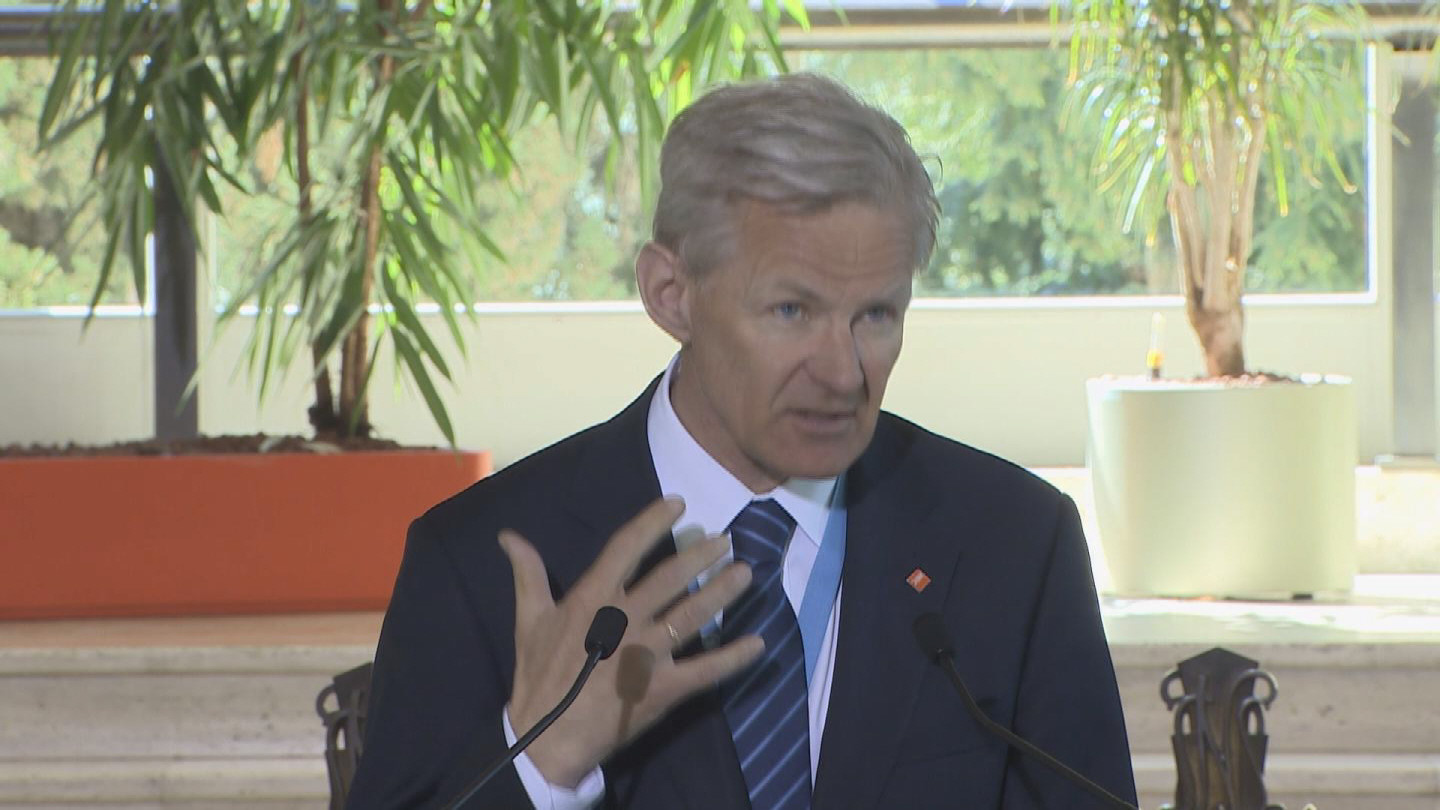
7. SOUNDBITE (English) Jan Egeland, Special Advisor to the UN Special Envoy for Syria:
“We believe we now have all of the green lights that we need – both form the Russians and the government and from the armed opposition groups inside – and we hope that the first medical evacuations can take place tomorrow and they will be organized by United Nations, World Health Organisation with Red Cross, Red Crescent partners and help from non-governmental organisations.”
8. Close up, Security
9. SOUNDBITE (English) Jan Egeland, Special Advisor to the UN Special Envoy for Syria:
“I am convinced that United Nations is becoming more and more relevant in this. Frankly because we are failing, but they are failing much more. Everybody else are failing much more than us and everybody understands that they must help us, the United Nations, and our humanitarian partners to succeed. If we would not have this pause now, if we hadn’t been for the pressure of the United Nations, we would not have been in Douma yesterday, if it would not have been for the United Nations. We have reached 17 of the 18 besieged areas this year because of the effective diplomacy of the United Nations and the Member States.”
10. Med shot, journalists
11. SOUNDBITE (English) Jan Egeland, Special Advisor to the UN Special Envoy for Syria:
“Very many times I feel like is there anybody really helping us? Is there anybody really helping us to reach the other side? And it is particular this cross line thing that has become increasingly difficult and why? Because the war has become more bitter, and the war has become more cruel and that is why it has to end. That is the only solution to this.”
12. Close up, journalist
A Russian unilateral declaration of a humanitarian pause of 11 hours a day for four consecutive days, beginning today, will allow for the safe evacuation of 200 wounded residents from the devastated east of the Syrian city of Aleppo, said the United Nations (UN).
Speaking to reporters in Geneva today (20 Oct), the UN Special Envoy Staffan de Mistura said "we, the UN, consider this pause as a direct response to an urgent request for medical evacuation and relief for those who have been wounded or are heavily sick, victims inside eastern Aleppo, particularly in connection with the destruction of medical facilities," de Mistura said. "This requests from the UN has been on the table for few weeks actually and preceded the so called ‘Special Envoy’s plan’ or proposal,“ he added, referring to his own proposals for Syria as outlined to the UN Security Council on 7 October.
In this connection, the Special Envoy also released a two-page outline, referred to as a “non-paper" in diplomatic parlance, summarizing the the details of his plan, which is distinct from the Russian one. “The plan says: stop bombing and fighting from both sides. Second: voluntary departure of Al-Nusra fighters with their weapons to any locations they want and any other fighter who wants to leave, but the others are not compelled to do so. This has not yet been accepted by Al-Nusra,” de Mistura said, in reference to the former name of Jabhat Fateh al-Sham, which has been designated a terrorist organization by the United Nations.
Other elements of this package entail, according to de Mistura, “public assurances by the Government of Syria to allow local administration to remain in place" in Eastern Aleppo, as well as unhindered humanitarian access.
Jan Egeland, head of the UN Humanitarian Taskforce for Syria and Special Advisor to the UN Syria Envoy, hoped civilian evacuations begin in Aleppo tomorrow (Friday). The sick and injured people should be able to decide themselves whether they would like to be taken to government controlled west Aleppo, or to Idlib, a city under rebel control, he said.
Egeland added “we believe we now have all of the green lights that we need – both from the Russians and the government and from the armed opposition groups inside – and we hope that the first medical evacuations can take place tomorrow and they will be organized by United Nations, World Health Organisation with Red Cross, Red Crescent partners and help from non-governmental organisations.”
More than 250,000 civilians, including an estimated 100,000 children, have been trapped in the rebel-held east of the city since mid-July. They have faced devastating bombardment from Russian and Syrian government aircraft.
Asked about the relevance of the UN’s plans to end the Syrian conflict, given the unilateral nature of the Russian-announced pause in fighting, Egeland said: “I am convinced that the United Nations is becoming more and more relevant in this. Frankly because we are failing, but they are failing much more. Everybody else are failing much more than us and everybody understands that they must help us, the United Nations, and our humanitarian partners to succeed.”
He said “if we would not have this pause now, if we hadn’t been for the pressure of the United Nations, we would not have been in Douma yesterday, if it would not have been for the United Nations. We have reached 17 of the 18 besieged areas this year because of the effective diplomacy of the United Nations and the Member States.”
“Very many times I feel like 'is there anybody really helping us?", Egeland confessed in an apparent expression of his frustration with the current situation. "Is there anybody really helping us to reach the other side? And it is particular this cross-line thing that has become increasingly difficult, and why? Because the war has become more bitter, and the war has become more cruel -- and that is why it has to end. That is the only solution to this.”
Download
There is no media available to download.