Media Home
 UN Web TV
 UN Audiovisual Library
 UN Photo
Unifeed
FAO / SDGS GENDER EQUALITY
STORY: FAO / SDGS GENDER EQUALITY
TRT: 02:55
SOURCE: FAO
RESTRICTIONS: NONE
LANGUAGE: ENGLISH /NATS
DATELINE: 16 DECEMBER 2016, ROME, ITALY
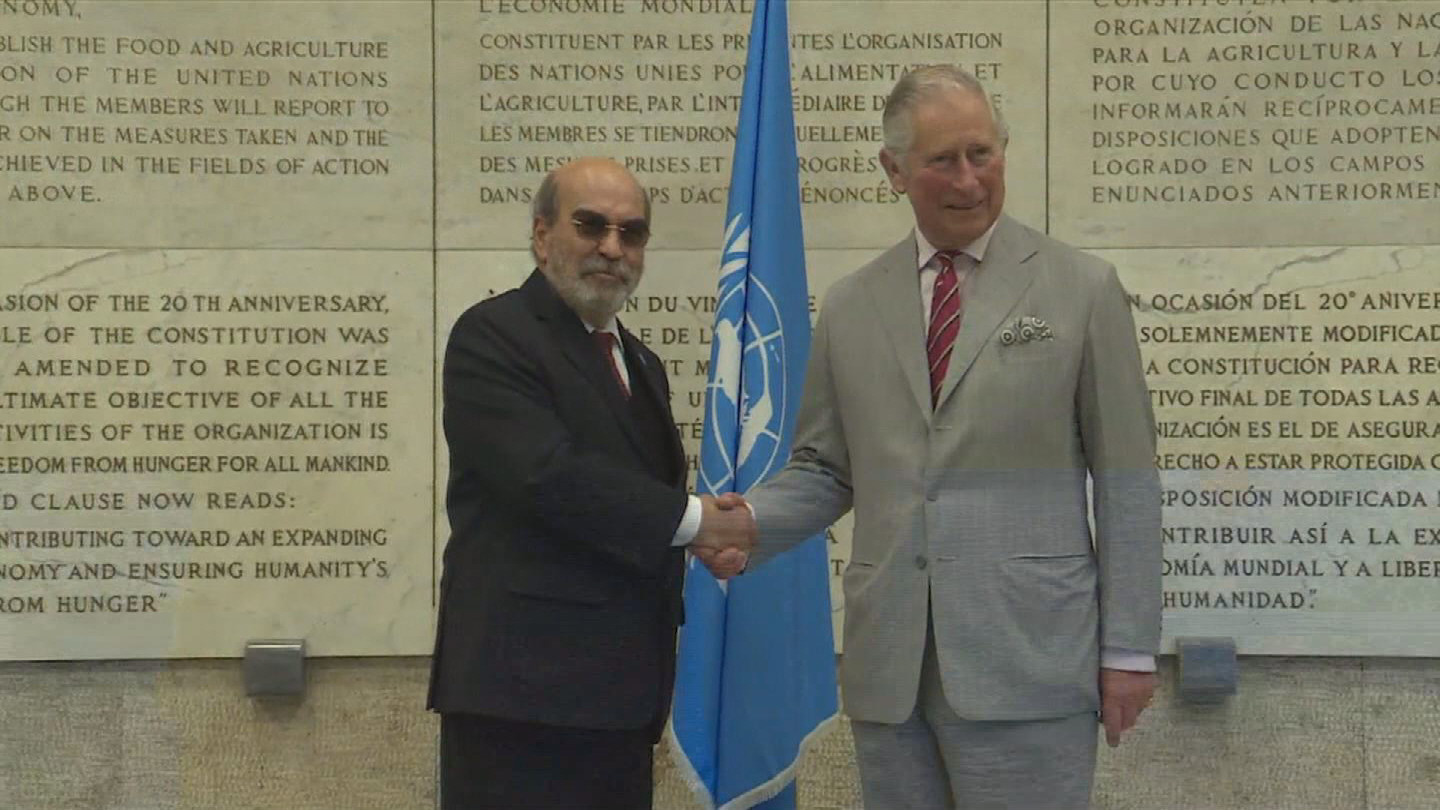
1. Various shots, Princess Victoria of Sweden arrival
2. Med shot, family Photo in front of FAO Constitution
3. Med shot, Princess Victoria of Sweden meeting with FAO Director-General
4. Wide shot, conference room audience
5. Wide shot, dais
6. Med shot, attendants
7. SOUNDBITE (English) José Graziano da Silva, Director-General, Food and Agriculture Organization (FAO):
“This is a crucial sector, in which almost 45 percent of the labour force is formed by women. This figure rises to 60 percent in Africa and Asia. Women are the backbone of our work and agriculture. These numbers alone show how important it is that rural women to have the appropriate conditions to develop their capacities and carry out their activities.”
8. Close up, attendant
9. SOUNDBITE (English) Princess Victoria of Sweden:
“If female farmers were given access to the same resources as their male counterparts, food production could be increased by as much as 20 to 30 percent. And that would mean saving about 100 to 150 million people from living in hunger. In building a sustainable future, rural women represent a resource that we simply cannot afford to overlook.”
10. Wide shot, dais
11. SOUNDBITE (English) Dr. Ameenah Gurib-Fakim, President, Republic of Mauritius:
“As the child bearers and child care providers, women play a critical role in the health of infants and are often responsible for producing the food, purchasing it, processing it and preparing the meals. Thus, any effective programme to improve household nutrition and health must necessarily address gender inequalities.”
12. Med shot, girls at the audience
13. Wide shot, Burkina Faso’s First Lady speaking at podium
14. SOUNDBITE (French) Sika Bella Kaboré, First Lady, Burkina Faso:
“Ladies and gentlemen, I would like to take this opportunity to urge for more investments in women and to improve women’s access to 4 key production factors which are: land, financial resources, inputs and agricultural equipment and infrastructure. By fostering their access to those 4 production factors, we can eradicate hunger and malnutrition, whose main victims worldwide are women.”
15. Wide shot, audience applauding
During a high-level event at FAO headquarters in Rome, princess Victoria of Sweden said “if female farmers were given access to the same resources as their male counterparts, food production could be increased by as much as 20 to 30 percent.”
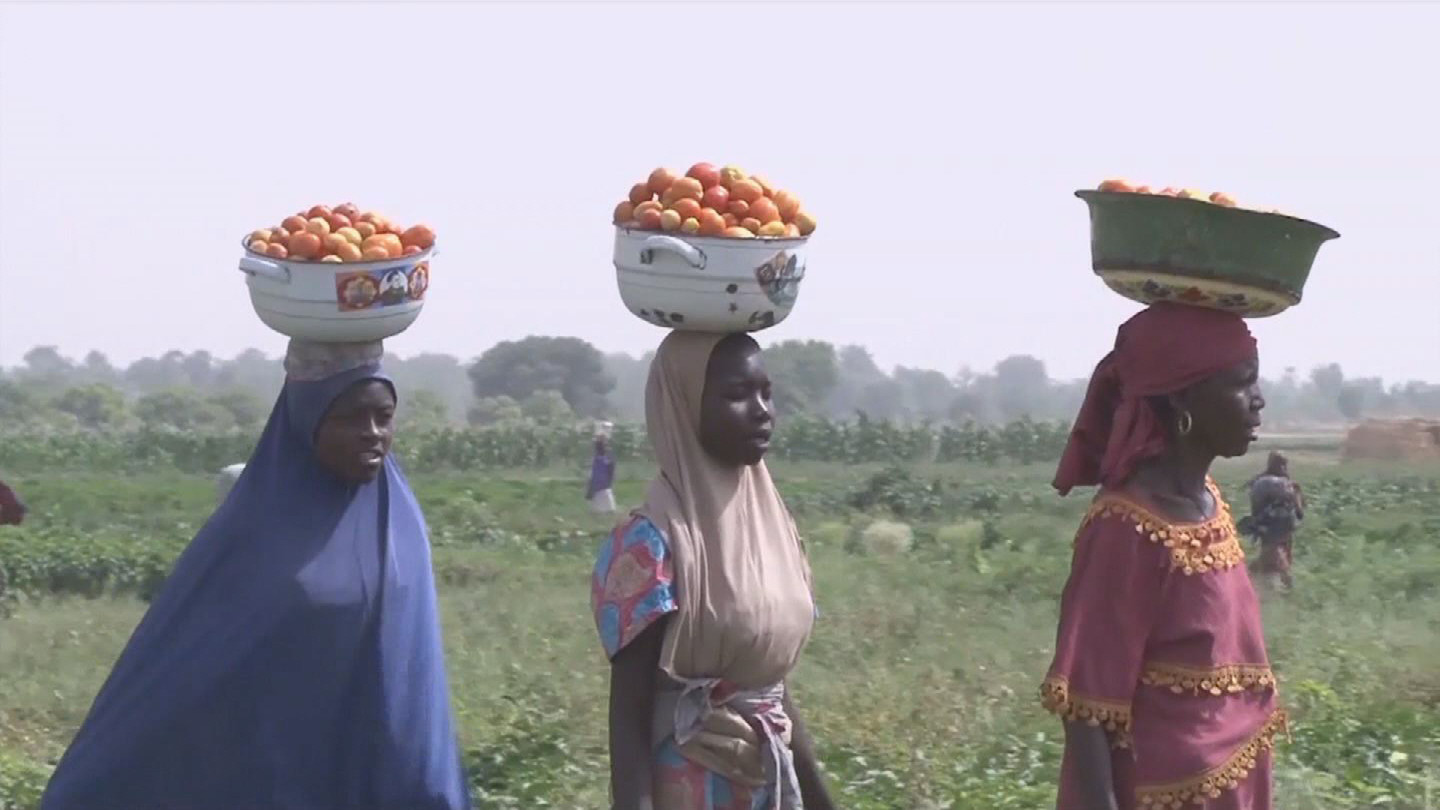
The event held on Friday (16 Dec) focussed on gender equality and the role and empowerment of rural women to fight hunger and malnutrition.
Crown Princess of Sweden spoke on the key role rural women play in achieving the Sustainable Development Goals and the importance role of gender equality in ending hunger.
FAO’s Director-General José Graziano da Silva noted that achieving gender equality and empowering women is not only the right thing to do but is a critical ingredient in the fight against extreme poverty, hunger and malnutrition.
He said, “This is a crucial sector, in which almost 45 percent of the labour force is formed by women. This figure rises to 60 percent in Africa and Asia. Women are the backbone of our work and agriculture. These numbers alone show how important it is that rural women to have the appropriate conditions to develop their capacities and carry out their activities.”
These numbers underscore the importance of ensuring that rural women enjoy a level playing field, according to the FAO Director-General Graziano da Silva pointed out the crucial role of rural women to achieve all the Sustainable Development Goals - but especially SDG2: freeing the world from hunger and malnutrition. –
Also speaking at the event, the president of the Republic of Mauritius, Dr. Ameenah Gurib-Fakim, said “as the child bearers and child care providers, women play a critical role in the health of infants and are often responsible for producing the food, purchasing it, processing it and preparing the meals. Thus, any effective programme to improve household nutrition and health must necessarily address gender inequalities.”
Burkina Faso’s First Lady urged for more investments in women “to improve women’s access to 4 key production factors which are: land, financial resources, inputs and agricultural equipment and infrastructure. By fostering their access to those 4 production factors, we can eradicate hunger and malnutrition, whose main victims worldwide are women.”
The High-level Event took place roughly sixty days after the International Day of Rural Women on 15 October. Within the larger context of maintaining global momentum for gender equality and the empowerment of women and girls through 2016–2017 and beyond, it also looks forward to International Women’s Day on 8 March 2017, which will in turn build on the outcomes of the High-level Event.
Download
There is no media available to download.