Media Home
 UN Web TV
 UN Audiovisual Library
 UN Photo
General Assembly
High-level Dialogue on Building Sustainable Peace for All - Part 1
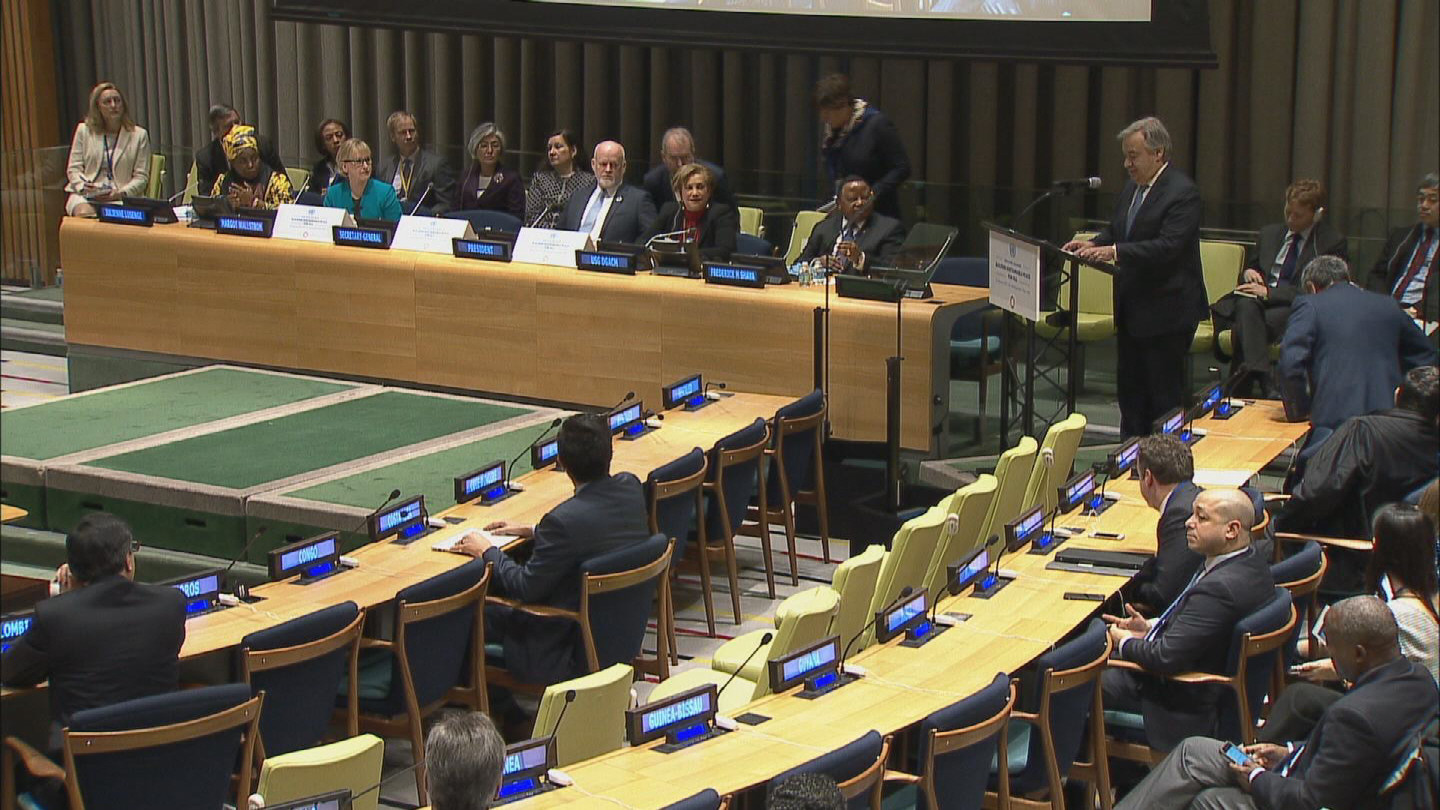
Secretary-General António Guterres, addressing the Assembly for the first time since taking office on 1 January, declared: “We need a global response that addresses the root causes of conflict and integrates peace, sustainable development and human rights in a holistic way, from conception to execution.” Inequality remained high around the globe, he said, with the world’s eight richest individuals holding the same wealth as its 3.6 billion poorest. People and entire countries felt they had been left behind, with devastating new conflicts erupting and old ones remaining intractable.
“We must focus on the pursuit of collective results,” he stressed, underlining the universal nature of the 2030 Agenda for Sustainable Development and the importance of preventing conflicts, two concepts which were closely linked. In that regard, he called for renewed investment in infrastructure, building more effective and accountable institutions, protecting human rights, promoting social cohesion, ensuring the meaningful participation of women and girls and moving towards renewable energy — all of which were ultimately investments in peace.
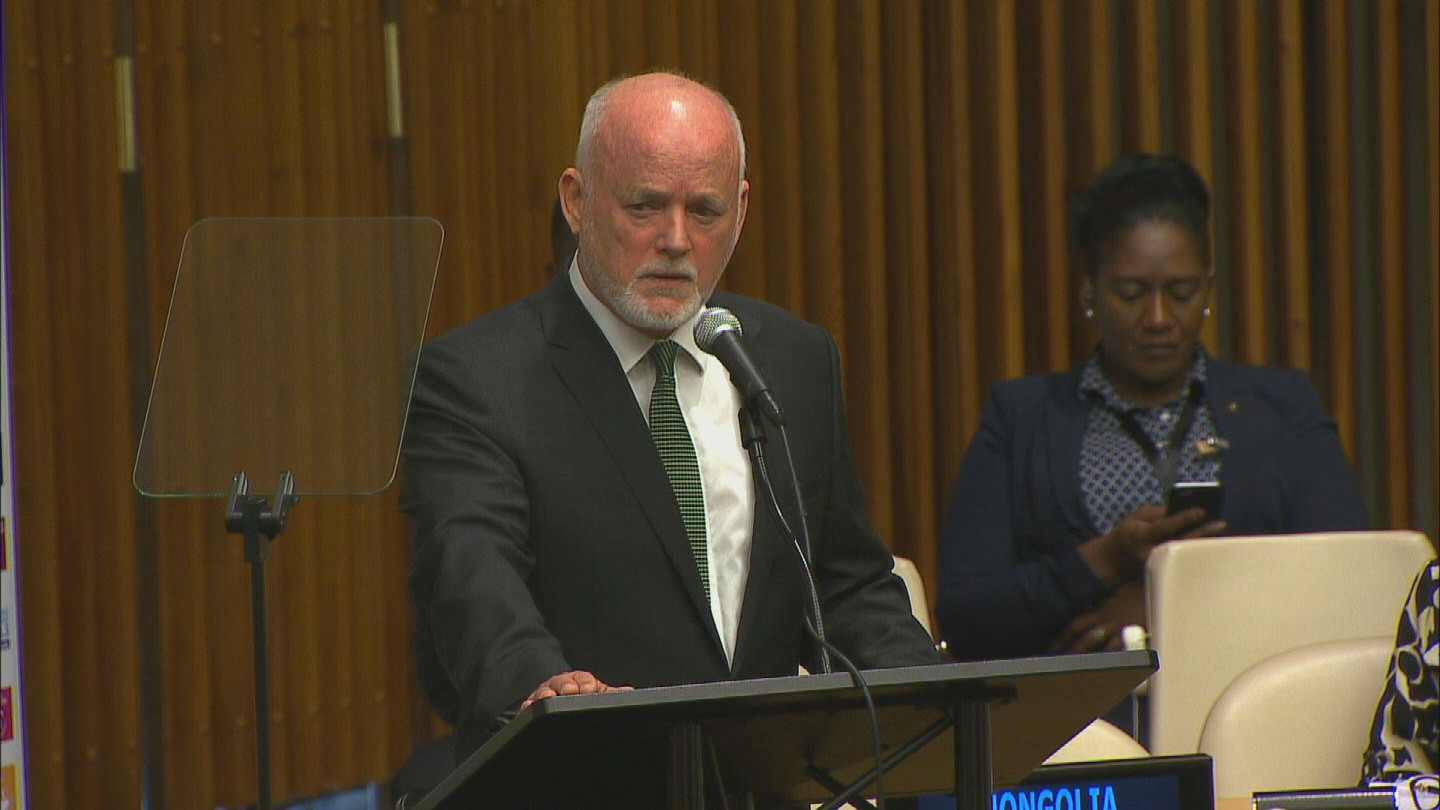
Assembly President Peter Thomson (Fiji) emphasized that the adoption of the sustaining peace resolutions by the Assembly and the Security Council had signalled a new, cross-sectoral, comprehensive and integrated approach to peace and development. Calling on participants to explore mutually reinforcing ways to sustain peace while delivering on the 2030 Agenda’s 17 Sustainable Development Goals, he also urged them to make today’s dialogue a “benchmark in truth-telling” on the subject.
Margot Wallström, Minister for Foreign Affairs of Sweden and President of the Security Council for January, expressed similar optimism about today’s dialogue. “In these times of nationalism, polarization and fear, we can send a message of hope that change is possible,” she said, stressing that Member States must consider their will and capacity to act on reports of potential conflict. The 2030 Agenda required all countries and people to be involved in peacebuilding and prevention.
Frederick Makamure Shava (Zimbabwe), President of the Economic and Social Council, was among the many speakers highlighting the links between the 2030 Agenda, the Addis Ababa Action Agenda on Financing for Development, the Paris Agreement on climate change and the review of the United Nations peacebuilding architecture, which together had paved the way for a better, more inclusive and sustainable world. Sustaining peace must be an integral part of an integrated approach that addressed the many drivers of conflict.
Civil society representative Julienne Lusenge, speaking for the Fund for Congolese Women and the Female Solidarity for Integrated Peace and Development, was among several speakers who shared concrete experiences with such conflict drivers, including the illicit exploitation of natural resources and the resulting unequal distribution of wealth in her home country, the Democratic Republic of Congo. Urging Member States to put in place an effective system to ensure that the earth’s wealth benefited all people, she drew particular attention to the importance of training women to provide clean energy, build practical infrastructure and teach children about peace and respect.