Media Home
 UN Web TV
 UN Audiovisual Library
 UN Photo
Unifeed
SOUTH SUDAN / WORLD HUMANITARIAN DAY ADVANCER
STORY: SOUTH SUDAN / WORLD HUMANITARIAN DAY ADVANCER
TRT: 3:22
SOURCE: UNMISS
RESTRICTIONS: NONE
LANGUAGES: ENGLISH/ARABIC/NATS
DATELINE: 15 - 17 AUGUST 2017 JUBA, SOUTH SUDAN - 13 AUGUST 2017, BENTIU, SOUTH SUDAN / FILE
17 AUGUST 2017, JUBA, SOUTH SUDAN
1. Med shot, Mary Kiden preparing a meal of porridge at a community center
2. Close up, of pot of porridge
3. Wide shot, Mary and others preparing their meal
4. SOUNDBITE (Arabic) Mary Kiden, Displaced from Yei in Protection of Civilians site in Juba:
“I have been here since March. My staying here is just slow…. Today I have tomorrow I don’t have – that’s how I live. We are watching on the government – we don’t know what is going to happen in the future. We are staying here and we are suffering. Our troubles include sick children – food is a problem.”
5. Med shot, Kai Gatluok, Deputy Camp Chairman, POC 3
6. SOUNDBITE (English) Kai Gatluok, Deputy Camp Chairman, POC 3:
“They are safe when they come in. But the other problem you hear that there is raping. Raping always happens when they are going to look for firewood.”
7. Various shots, women walking with firewood on their heads
15 AUGUST 2017 JUBA, SOUTH SUDAN
8. Set up of Ian Ridley, the Head of Office OCHA South Sudan
9. SOUNDBITE (English) Ian Ridley, the Head of Office OCHA South Sudan
“This World Humanitarian Day, the theme is ‘Not a Target’ – and that’s to draw attention to the fact in conflict, civilians, aid workers, warehouses, clinics shouldn’t be a target. There are rules of war, and those rules require all parties to the conflict to respect that civilians are not targets nor our aid workers, and that’s what we would like to bring out attention to.”
FILE / LAINYA, SOUTH SUDAN
10. Various shots, destroyed hospital and an investigation team on the ground
15 AUGUST 2017 JUBA, SOUTH SUDAN
11. SOUNDBITE (English) Ian Ridley, Head of Office OCHA South Sudan:
“Last year on World Humanitarian Day the numbers of Aid workers that had died since December 2013 was 59. This year, it is 82. So almost two aid workers have died while fulfilling their duties here in South Sudan, and I should point out that they are predominantly South Sudanese helping their fellow South Sudanese. So what we would appeal for is for those people that are targeting aid workers to stop doing that and let them continue with their work in safety and security and respect the fact that humanitarian workers are there not as parties to the conflict but on the contrary to bring humanitarian assistance to victims of conflict.”
FILE / JUBA BOR ROAD
12. Various shots, location of investigation where aid workers were killed in an ambush
13 AUGUST 2017 - BENTIU, SOUTH SUDAN
13. Various shots, displaced receiving food rations
14. Various shots, women carrying supplies
It is just past noon and Mary Kiden, is preparing porridge for lunch. Mary is among 80 other displaced that are currently living in difficult conditions at a community center in a Protection of Civilian’s site in the South Sudanese capital, Juba.
She has been here since March when she trekked from Yei. Her husband was killed on the way. A widow now, and displaced - she finds it difficult to fend for her four children.
She said, “I have been here since March. My staying here is just slow…. Today I have tomorrow I don’t have – that’s how I live. We are watching on the government – we don’t know what is going to happen in the future. We are staying here and we are suffering. Our troubles include sick children – food is a problem.”
Unlike numerous other displaced who have managed to get a place to shelter – Mary is still being considered as a newly arrived as she has not been located in the POC area, and is not receiving regular food rations or non-food items.
One of the camp leaders, Kai Gatluok says those in the camp experience a lot of difficulties – be they newly arrived or long term residents. The Protection of Civilians (POC) site came about in December 2013 when conflict broke out in South Sudan. Gatluok says that the community center is currently hosting 85 new arrivals, and they continue to receive IDPS day and night.
Recent estimates indicate that 99 displaced were received in the POC sites in Juba on August 16th – with varying numbers every single day.
Gatlouk said, “They are safe when they come in. But the other problem you hear that there is raping. Raping always happens when they are going to look for firewood.”
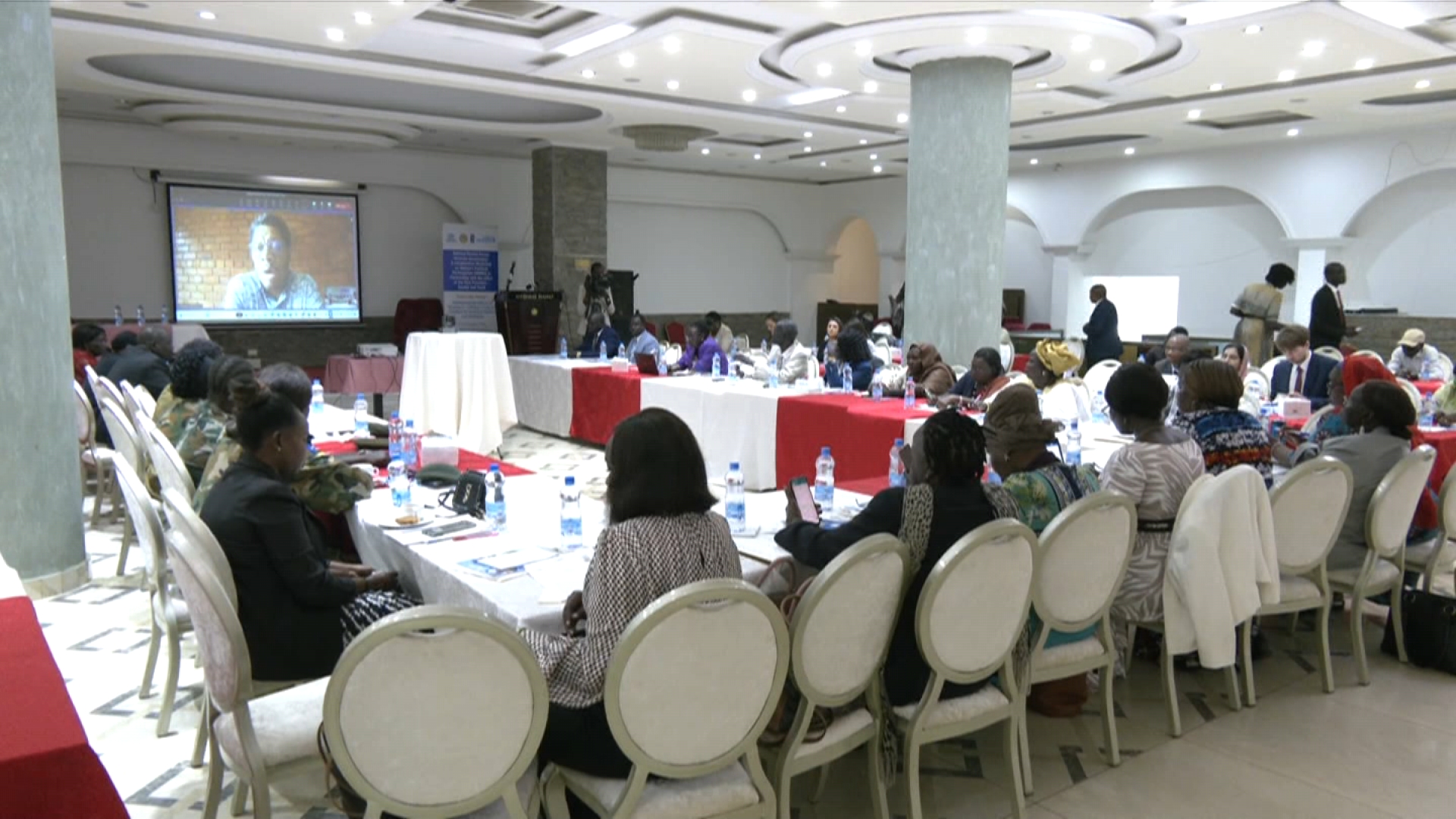
Ahead of the World Humanitarian Day which is marked annually on August 19th, the UN Office for the Coordination of Humanitarian Affairs (OCHA) has been running a campaign aimed at driving awareness on the protection of civilians.
Speaking in the South Sudanese capital Juba ahead of the day, Ian Ridley, Head of OCHA’s office in South Sudan highlighted on the theme of the campaign.
He said, “This World Humanitarian Day, the theme is ‘Not a Target’ – and that’s to draw attention to the fact in conflict, civilians, aid workers, warehouses, clinics shouldn’t be a target. There are rules of war, and those rules require all parties to the conflict to respect that civilians are not targets nor our aid workers, and that’s what we would like to bring out attention to.”
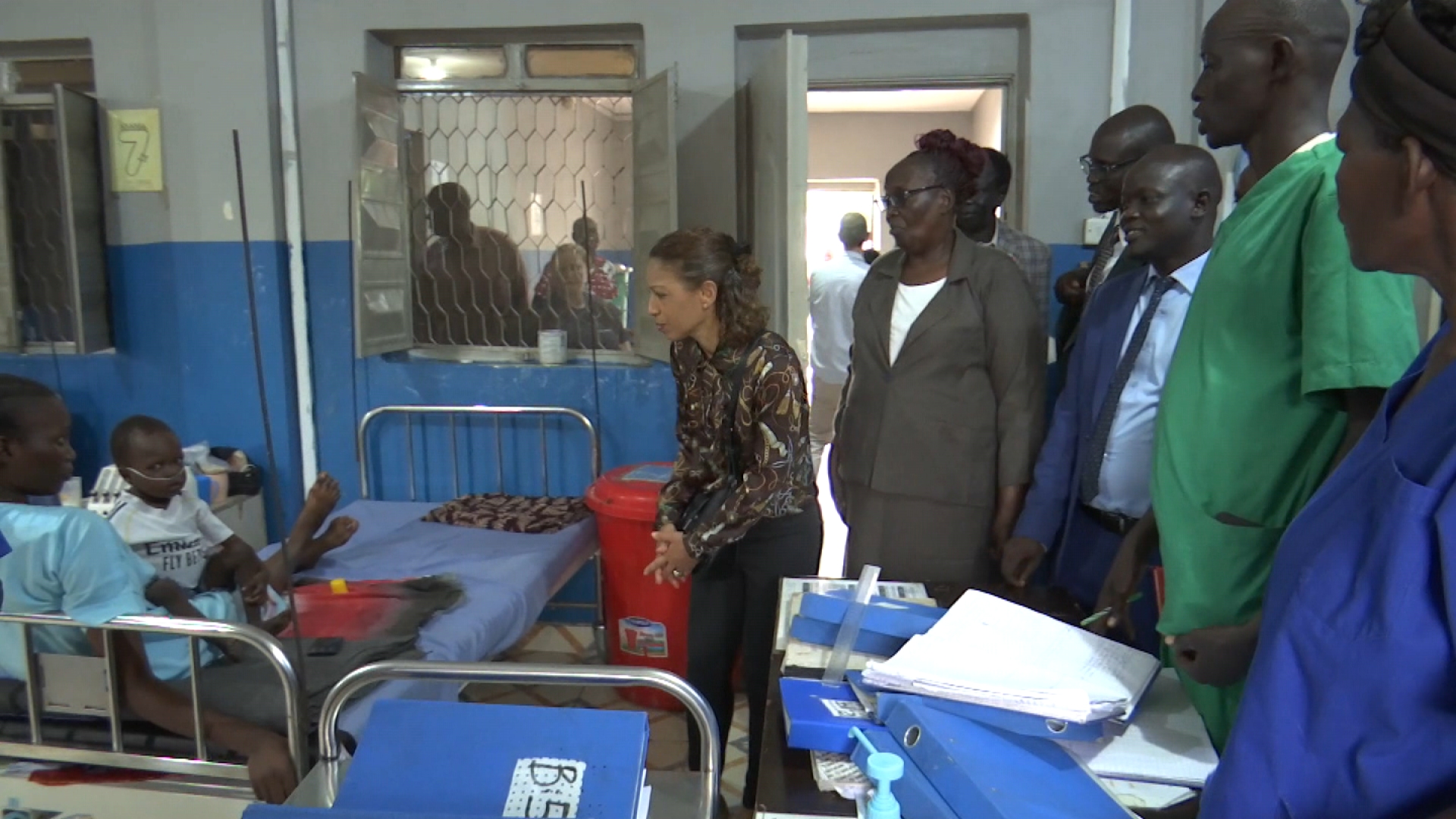
South Sudan has over the last seen clinics destroyed during conflict, warehouses looted and aid workers killed. Displaced civilians have been victims of sexual violence and children have also suffered.
During the interview, Ridley appealed to those targeting air workers to stop.
He said, “Last year on World Humanitarian Day the numbers of Aid workers that had died since December 2013 was 59. This year, it is 82. So almost two aid workers have died while fulfilling their duties here in South Sudan, and I should point out that they are predominantly South Sudanese helping their fellow South Sudanese. So what we would appeal for is for those people that are targeting aid workers to stop doing that and let them continue with their work in safety and security and respect the fact that humanitarian workers are there not as parties to the conflict but on the contrary to bring humanitarian assistance to victims of conflict.”
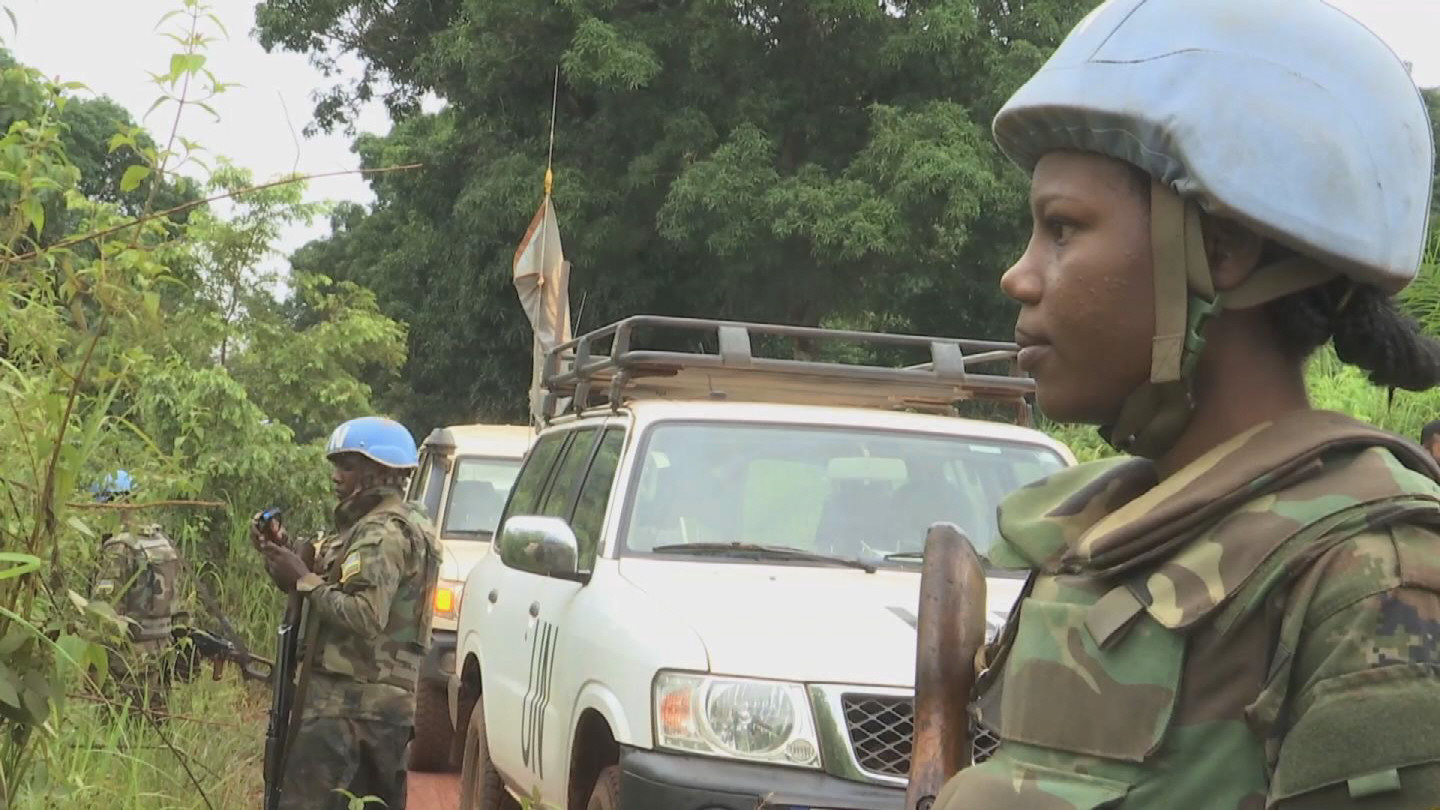
As South Sudan’s conflict continues - with more humanitarian workers putting their lives at risk – insecurity continues to threaten and disrupt the provision of assistance of thousands of displaced who continue to seek safety and assistance from the United Nations and partners, despite numerous calls on the need to end conflict in the country.
Download
There is no media available to download.
Related Content
7754th Security Council Meeting: SG Reports on Sudan and South…