Media Home
 UN Web TV
 UN Audiovisual Library
 UN Photo
Security Council
8069th Security Council Meeting: Peace and Security
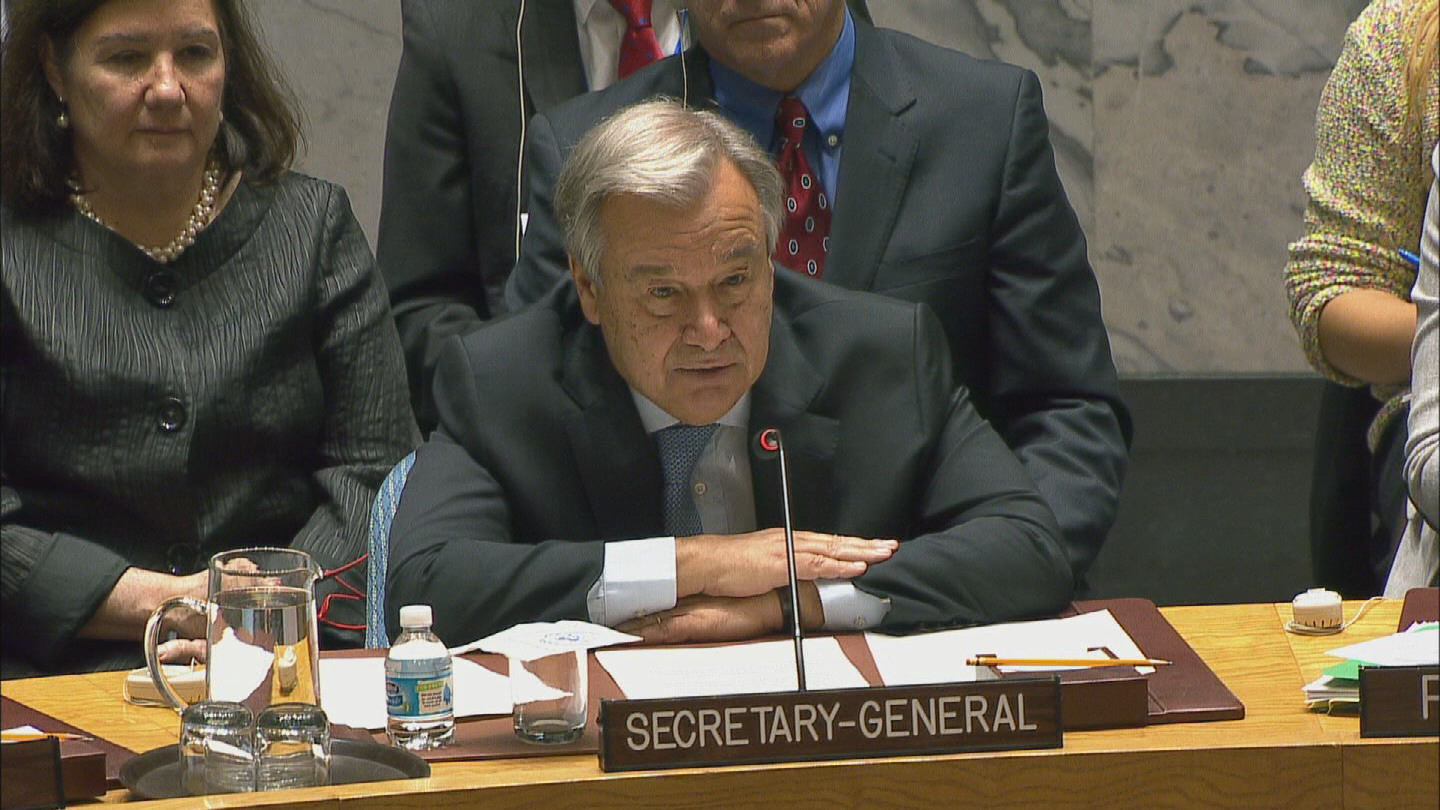
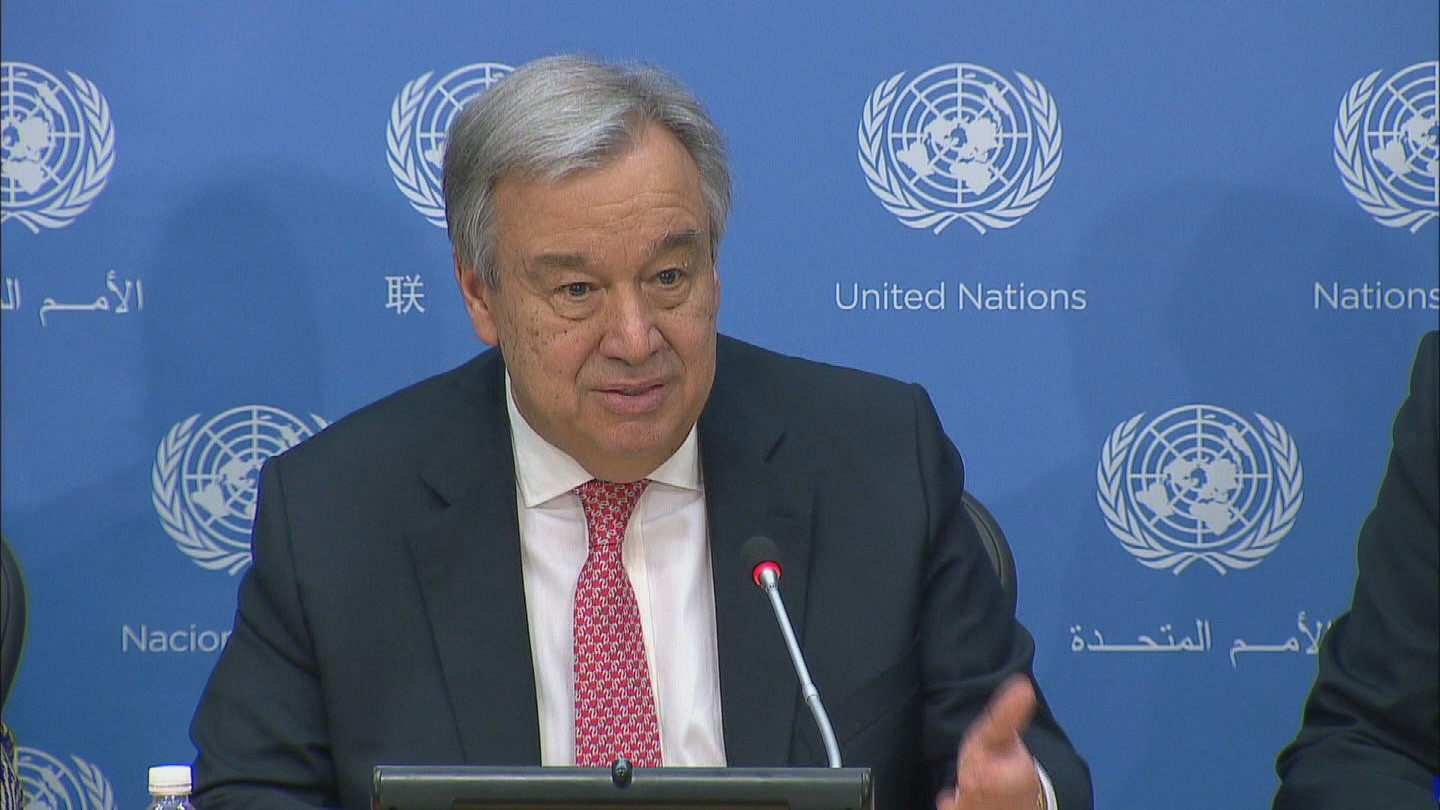
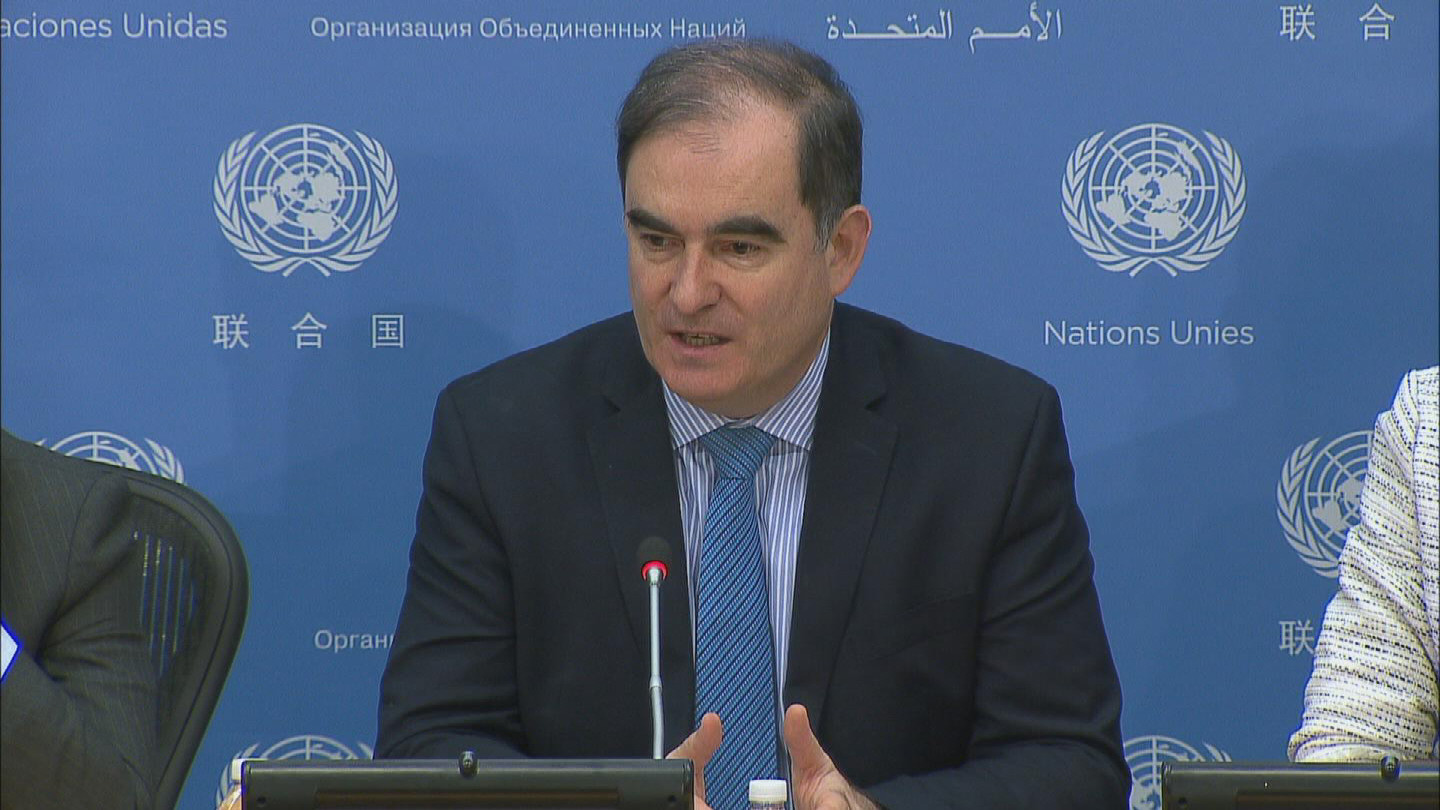
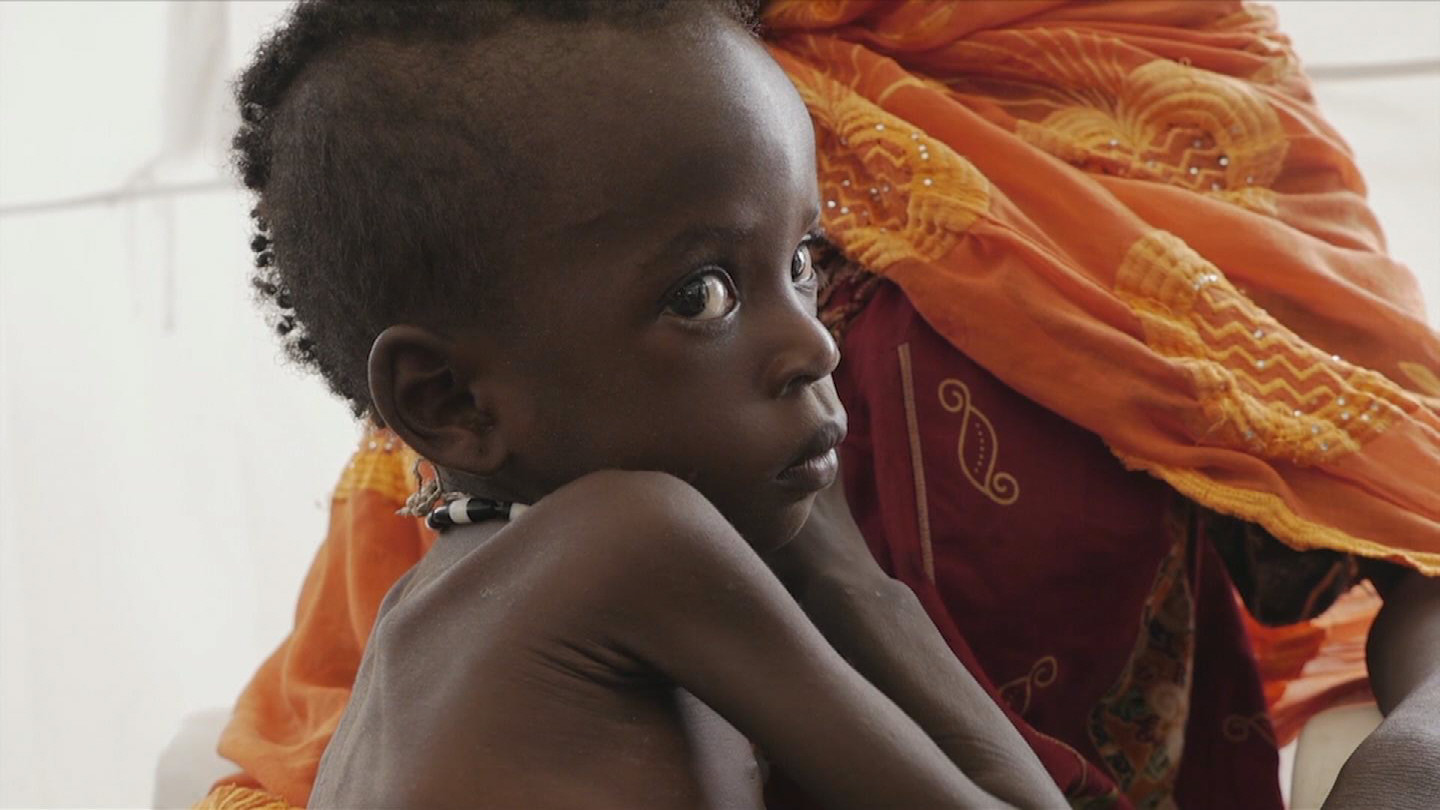
Sounding the alarm on famine exacerbated by conflict, Secretary-General António Guterres urged the international community to step up efforts to end violence, ensure humanitarian assistance and foster long-term development in South Sudan, Nigeria, Somalia, Yemen and other areas of instability-rooted starvation.
Speaking in the Security Council this afternoon, he declared: “Until these conflicts are resolved and development takes root, communities and entire regions will continue to be ravaged by hunger and suffering.” He cited studies showing that the decline of world hunger was threatened by the proliferation of strife, with 60 per cent of the 815 million hungry people living in conflict areas.
He said that the parties to all four countries he was warning about had stated their commitment to humanitarian and human rights law, but most of them had not followed through. He called on them to facilitate rapid and unimpeded passage of humanitarian relief, only imposing constraints in good faith, and to respect and protect humanitarian personnel and supplies. Efforts to stem violent extremism, an element in each of the four famine situations, must be stepped up as well.
Emergency programmes and urgent political efforts in the conflict zones must be followed by longer-term efforts. “Right now, we must urgently commit to increasing humanitarian aid and funding the programmes we have in place. Where we have not prevented or resolved conflict, we must support its victims and survivors. In the long-term, we must focus on what communities and countries need to emerge from protracted conflict and instability,” he stated.
“Prevention, as always, must be our watchword,” he added, stating that early famine warning mechanisms, humanitarian aid and strengthened respect for international law must be complemented by investment in sustainable peace and comprehensive long-term solutions in at-risk countries, noting the complex challenges those countries faced.
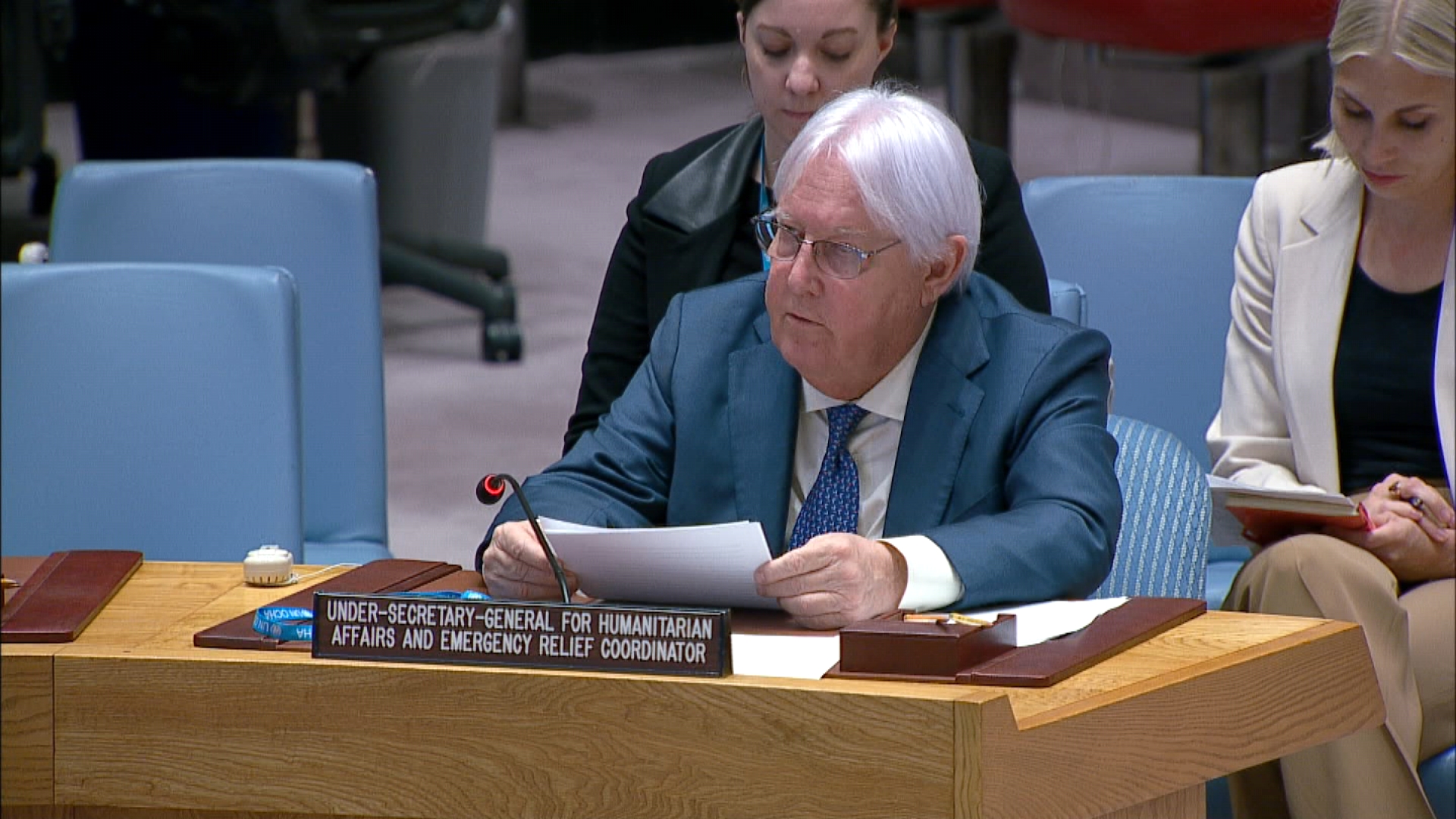
Meanwhile, he stressed that adequate funding for humanitarian agencies was a matter of life and death. “It is unconscionable that aid agencies must make life-or-death decisions about who gets aid because of a shortage of resources,” he said.
Following the Secretary-General’s briefing, Council members welcomed his efforts to alleviate famine in Nigeria, Somalia, South Sudan and Yemen and his appeals for stepped-up aid, with some speakers describing the additional assistance from their countries. Sweden’s representative, describing her country’s contribution, added that aid workers required full support from the international community and that targeting them was unacceptable. Speakers called on all parties to conflict to respect international humanitarian law, condemning, for example, air attacks on hospitals in Yemen.
Delegates also agreed that the achievement of sustainable development must be stepped up to eradicate the root causes of conflict and stem famine, while the collaboration of parties to conflict, the United Nations, regional organizations and all partners must be utilized to prevent and end conflicts. Terrorism was named often as a factor in causing famine, especially in the four countries spoken of. Ethiopia’s representative and others stressed the links between famine, climate change and conflict.
All speakers agreed on the link between hunger and conflict, and some, including the representative of Japan, specifically endorsed the Security Council’s engagement on mitigating famine. The Russian Federation’s representative, while recognizing the link, said it was simplistic to over-ascribe hunger to conflict; there were many contributing causes, from economic downturns to volatility in world food prices. In many of those areas, the General Assembly had primary competency.
The representative of Uruguay said that one victim of widespread suffering was the lessening sensitivity of people towards those affected by numerous food crises, shown by euphemisms such as “food insecurity”, when hunger was being discussed. “I think we have to stop being indifferent to these evils”, he said.
The representatives of the United Kingdom, United States, Senegal, Kazakhstan, China, Ukraine, Italy, Bolivia, Egypt and France also spoke.
The meeting opened at 3:12 p.m. and ended at 4:46 p.m.