Media Home
 UN Web TV
 UN Audiovisual Library
 UN Photo
Security Council
8080th Security Council Meeting: Peace and Security in Africa
Innovative actions would be needed to support the Joint Force of the Group of Five for the Sahel (Sahel G-5) countries (Mali, Burkina Faso, Chad, Mauritania and Niger) as well as development efforts, United Nations Secretary General António Guterres told the Security Council this morning, stressing that the situation in that region was a challenge for all.
Underlining that prevention was his priority, he said that in the Sahel, that meant preventing the region from sinking into chaos. Addressing the high level Council meeting on ways in which the international community could support the Joint Force of the Sahel G-5, he said under development and climate change had contributed to the humanitarian and security crises in the region. Weak institutions, exclusion and marginalization of certain groups were exploited by extremists and terrorists. Porous borders facilitated human trafficking, as well as arms and drugs smuggling and other criminal activities.
Warning that there was a risk of spillover which would have grave consequences for the region and beyond, he said he had presented the Council with several options. Notable among those, the United Nations could quickly mobilize support to complement the efforts of the bilateral partners. The joint force and MINUSMA would be complimentary, he said, but added that only a comprehensive implementation of the peace agreement could bring stability. He had also presented recommendations to provide political guidance to the joint force, such as monitoring and support mechanisms, and had urged for respect of human rights. Only a multidimensional response would bring stability.
Abdoulaye Diop, Mali’s Minister for Foreign Affairs and International Cooperation, said the menace to security was being faced by the Sahel countries but it was also a challenge that must be shared with the world due to its causes, its manifestations and its impact on international security. It required a collective response. He emphasized that the creation of the joint force aimed to complement the work of MINUSMA and the Operation Barkhane French force.
Affirming the determination of the Sahel G-5 countries to operationalize the joint force, he said that despite challenges, much headway had been made with the support of the African Union partners. He stressed that to reach full deployment of the joint force by the March 2018 deadline, robust international support would be needed. Thanking European countries that had pledged assistance, he called on all bilateral and multilateral partners to participate in the December conference in Brussels on the security and development of the Sahel and to pledge further assistance for the specific needs of the joint force and for addressing root causes of insecurity in the region.
Thanking the Secretary General for laying out options that would be a good basis for support, he pointed to the first option, a Security Council-mandated United Nations support package and called on the Council to act in that regard. “Our five chiefs of State have played their part in providing the resources necessary for the deployment of the joint force of the G-5 Sahel as a regional response to transnational threats… We hope that the Security Council equally takes up its principal responsibility and acts on the Secretary General’s recommendations”, he said.
African Union Commission Chairperson Moussa Faki Mahamat said the Sahel G-5 countries had demonstrated their determination to tackle the challenges confronting them and the international community was duty bound to support them and in doing so would also be acting in its own interest as the threat in the region did not recognize borders.
He hoped the Council would provide concrete content to the idea of prevention, as the threat could take a broader scale if not dealt with now. In the face of the terrorist threat and the risk to the region, half measures would not be sufficient. He said the joint force must go hand in hand with the implementation of the Malian peace process.
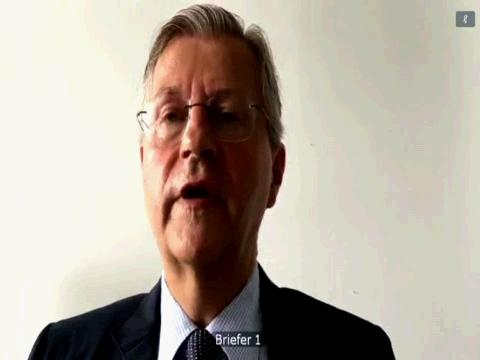
Angel Losada Fernandez, Special Representative for the Sahel of the European Union, said that the security of the African region was critical for the entire globe, but it would not be able to hold unless the Malian peace agreement was implemented by all the parties. He welcomed the efforts of the Heads of State in the region, noting the immediate response of the European Union for support. European aid had always, in addition, recognized the security development nexus, he said and emphasized the need to ensure the respect for human rights in all security operations.
The Brussels conference, he said, would provide an opportunity to scale up the joint force and ensure an adequate civilian component. The Union had already established financial institutions to receive and distribute the support necessary.
Speakers at the Ministerial level of Burkina Faso, Chad, Mauritania and Niger also addressed the Council, echoing Mali’s request for support of the joint force and stressing that the threat in the Sahel was a threat to international peace and security of the world. Ibrahim Yacoubou, Minister for Foreign Affairs, Cooperation, African Integration and Nigerians Abroad of Niger, said the war must be taken to the narco terrorists. Merely defensive measures by MINUSMA were not sufficient. For the joint force to be effective in taking the fight to the enemy, action must be taken now, in the form of full support to the force. If action were delayed, terrorists could become too entrenched in the region.
Jean Yves Le Drian, Minister for Europe and Foreign Affairs of France and Council President for the month, said terrorist groups in the Sahel represented a global threat, which was financed by drug trafficking and human trafficking. The joint force should be provided with the necessary support so that it could expand its counter terrorism capacity. Bilateral support was crucial, he said, but multilateral aid was also necessary. The Council should support the operational capacity of the joint force and must assess the options available. All efforts, however, implied full implementation of the peace agreement in Mali, he stressed.
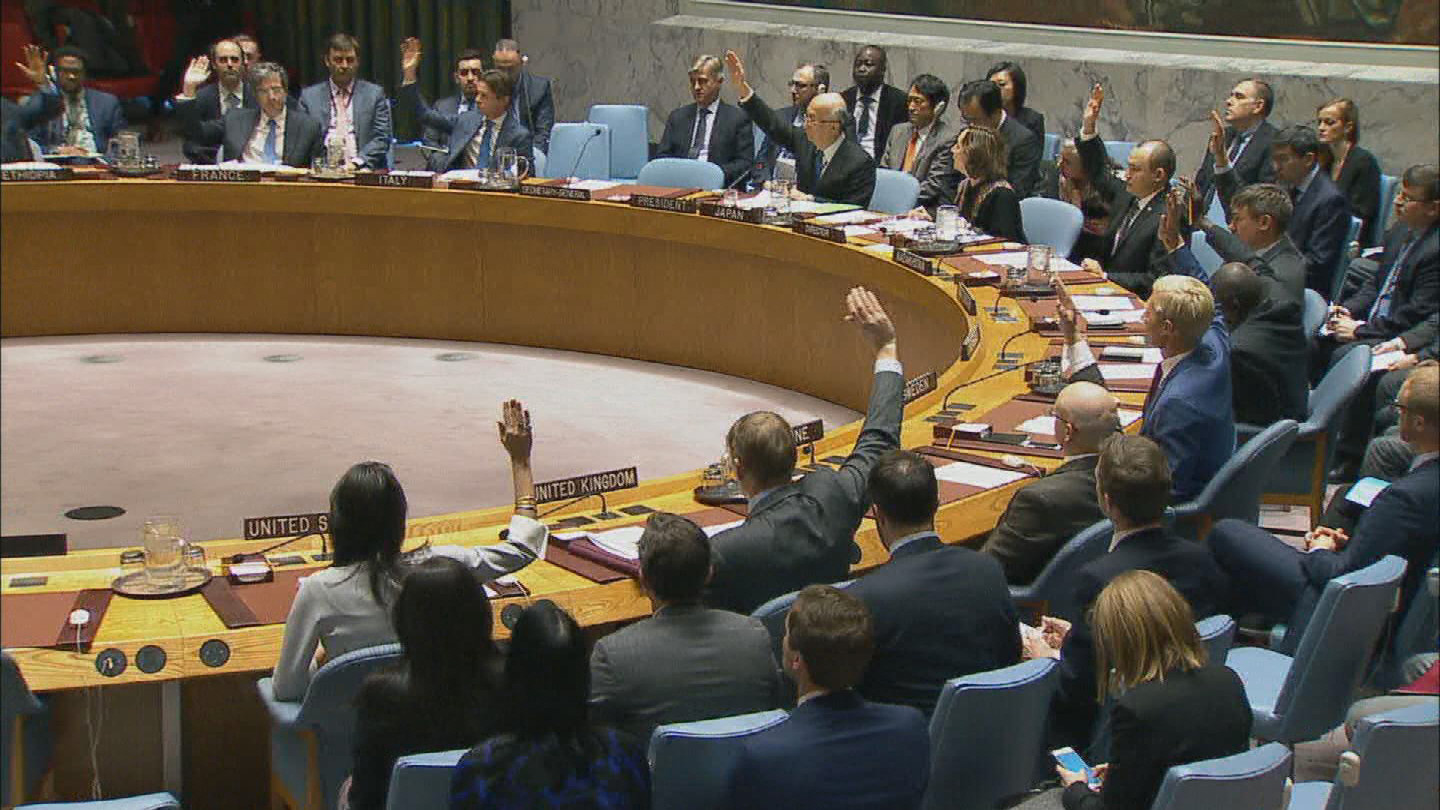
Council members agreed that the terrorist threat in the Sahel was a threat to international peace and security. They welcomed the initiative of the Sahel G 5 countries, and called for multilateral and bilateral support. They stressed that all operations should adhere to international human rights and humanitarian law and underlined the importance of development in the region.
Discussing the modalities of support, the representative of the United States expressed reservations about tasking MINUSMA with support to the joint force. In addition, she said her country was reticent to allow the United Nations to support non Organizational activities. The bilateral support of her country to the joint force, she added, would be tailored to the needs on the ground.
Italy’s representative emphasized the added value of multilateral support, which, he said, was the only way to establish a framework of support that could also take stock of bilateral contributions at the same time.
The representative of the Russian Federation, noting that the regime change in Libya had resulted in a wave of insecurity in the region, called for robust international support for the joint force, as well as for capacity building for the countries of the region and full implementation the United Nations comprehensive strategy for the Sahel.
Speakers also stressed the need to address the root causes of the terrorist threat and international criminal activities in the region, mentioning under development and drought as a consequence of climate change.
The representative of Bolivia noted that the fall out of the intervention in Libya had destabilized the Sahel region. Another factor contributing to the situation was the region’s illegal exploitation of natural resources, he said.
Speakers paid tribute to the three Chadian peacekeepers of MINUSMA who died on 24 October and their injured colleagues and commended their courage and devotion to bring peace and security to Mali.
Also speaking were ministers and other senior officials and representatives of Sweden, Ukraine, United Kingdom, Ethiopia, Senegal, Egypt, Kazakhstan, China, Japan, Uruguay, Burkina Faso, Chad and Mauritania.
The meeting started at 10:10 a.m. and adjourned at 1:15 p.m.