Media Home
 UN Web TV
 UN Audiovisual Library
 UN Photo
General Assembly
48th Plenary Meeting of General Assembly 72nd Session
The 193 Member States of the United Nations must resist every temptation to turn the General Assembly into a platform for “red lines” and “static positions”, the world body heard today, as it adopted its annual “Olympic Truce” draft resolution ahead of a debate on how best to revitalize its work.
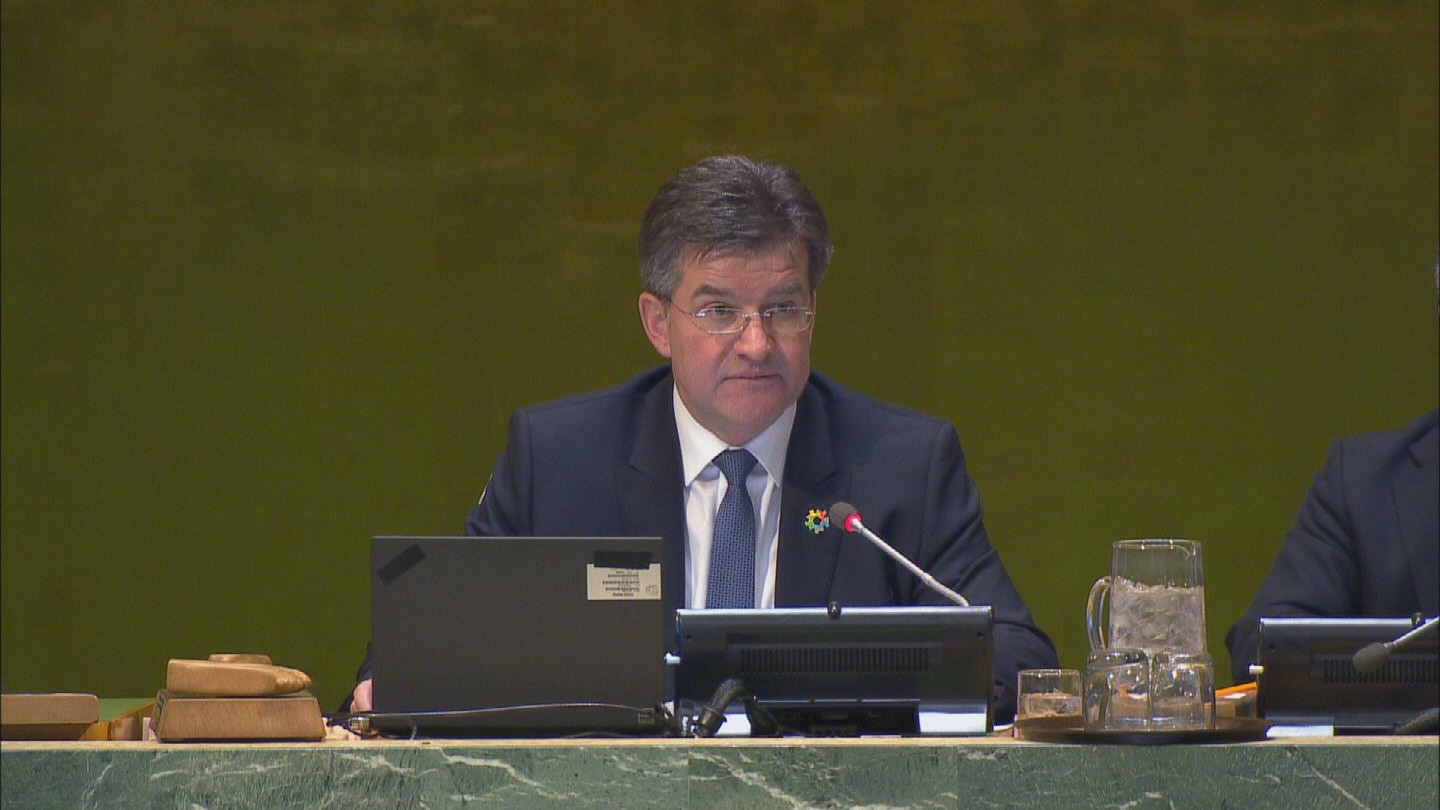
“This Hall should be a place for dialogue, a place we enter with ideas and proposals,” said Assembly President Miroslav Lajčák (Slovakia) in opening remarks. States might be tempted to pursue their own narrow interests through the organ’s work, leading to a win for one person, one State or one group, but “we will all lose” through such an approach, he cautioned.
Spotlighting recent strides in revitalizing the Assembly’s work, he pointed at the more transparent selection and appointment of the Secretary General and new ethics guidelines for the President’s Office. Going forward, discussions would focus on the conduct of election campaigns, strengthening interactions with permanent missions and establishing a longer term, more transparent rotation of the chairs of the Assembly’s Main Committees, he added.
In the ensuing debate, delegates outlined their positions on the four thematic clusters related to the Assembly’s revitalization — its role and authority; working methods; selection and appointment of the Secretary General and other executive heads; and strengthening accountability, transparency and institutional memory in the Office of the President of the General Assembly.
Many noted that any changes should be harmonized with broader organizational reforms advocated by Secretary General António Guterres. Others emphasized that the ultimate goal was to create an Assembly — and a wider United Nations system — that was more effective, transparent, inclusive and “fit for purpose” in the twenty first century.
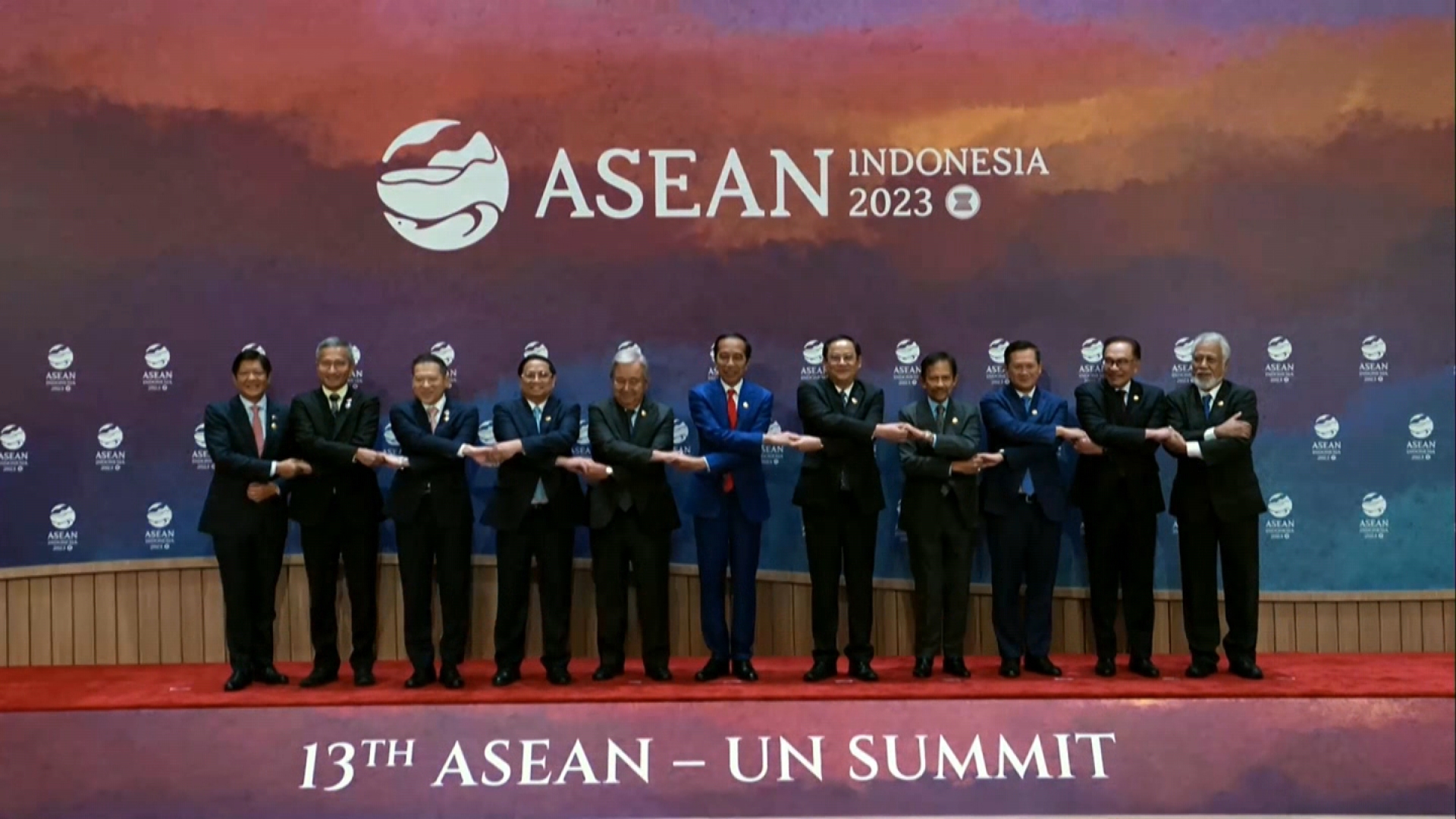
In that vein, the representative of the Philippines encouraged, on behalf of the Association of Southeast Asian Nations (ASEAN), faithful implementation of Assembly resolution 71/323, noting that, among other things, it called upon the President to present concrete revitalization proposals.
The representative of the Maldives emphasized that, whereas the conduct of meetings had improved, there remained a need to consider why so many resolutions and actionable mandates were not being executed. Additionally, enhanced coherence between the Assembly’s Main Committees, the Economic and Social Council and the Security Council would render all those bodies more effective in helping States to implement the 2030 Agenda for Sustainable Development and its 17 Sustainable Development Goals.
Commending recent achievements, she said the process for appointing the current Secretary General had demonstrated unprecedented levels of transparency and enhanced the Assembly’s integrity. Echoing her support for the Assembly’s role in that regard, Algeria’s representative called, on behalf of the Non Aligned Movement, for the compilation of lessons learned from the last selection process, while stressing that the General Assembly’s overall authority must be enhanced.
Prior to that discussion, the Assembly considered the role of sport in promoting peace and development. In adopting the draft resolution “Building a peaceful and better world through sport and the Olympic ideal” (document A/72/L.5) without a vote, the Assembly urged Member States to observe the historic concept of the “Olympic Truce”, allowing the safe passage, access and participation of athletes from the seventh day before the start of the upcoming XXIII Olympic Winter Games until seven days after the end of the XII Paralympic Games. Both will be held in PyeongChang, Republic of Korea.
Lee Hee Beom, President of the 2018 Games Organizing Committee, introduced that draft, expressing hope that the Olympic events would provide a window of opportunity for the promotion of peace and cooperation in north east Asia.
In a special address to the Assembly, Yuna Kim, Olympic gold medallist in figure skating and Goodwill Ambassador for the 2018 Games, said the event would also offer a chance to share the Olympic spirit with all peoples across the world, while serving as a model for future games.
Greece’s delegate said the “Olympic Truce” concept, from antiquity to modern times, reflected a need to make peace an attainable goal. “We should bear in mind that in a world of differences, inequalities and conflicts, even an agreement for a temporary truce is an achievement for the international community,” he said.
An observer for the International Olympic Committee emphasized the unique role of sport in building bridges and fostering peace and understanding. Given the current landscape of international instability, symbols of friendship and solidarity were more needed now than ever before, he stressed.
Also speaking today were representatives of Monaco, Belarus, Kuwait, Singapore, Israel, Brunei Darussalam, Qatar, Japan, Cuba, India, Bahrain, Tunisia and Indonesia, as well as the European Union delegation.
The Assembly will reconvene at 3:30 this afternoon, to elect the single remaining member of the International Court of Justice.