Media Home
 UN Web TV
 UN Audiovisual Library
 UN Photo
Unifeed
BANGLADESH / ROHINGYA CHILDREN
STORY: BANGLADESH / ROHINGYA CHILDREN
TRT: 03:21
SOURCE: UNICEF
RESTRICTIONS: PLEASE CREDIT UNICEF ON SCREEN
LANGUAGE: ENGLISH / ARAKANESE / NATS
DATELINE: 10 - 13 NOVEMBER 2017, COX'S BAZAR, BANGLADESH
1 Various shots, Rohingya refugees paddling on raft to Cox’s Bazar
2. Med shot, 10-year-old Muhammad Yunus on raft
3. SOUNDBITE (Arakanese) Muhammad Yunus, 10-year-old refugee:
“We have come here by raft. It has been two days and I was really scared, because big waves hit our raft. We did not eat anything and we arrived here starving.”
4. Med shot, Moriam, a 20-year-old Rohingya mother cradles her 10-day-old baby on grass bank
5. Close up, 10-day-old baby crying on her mother’s lap
6. Tracking shot, Rohingya girl walks along a path where newly arrived refugees wait
7. Various shots, UNICEF Emergency Field Coordinator assessing a newly arrived Rohingya baby
8. SOUNDBITE (English) Andreas Wuestenberg, Emergency Field Coordinator, UNICEF:
“Well I would say 50 percent of the arrivals are children and the main health problems we are encountering are diarrhea cases, often severe watery diarrhea. Also, measles, almost every day we are having one or two or three new measles cases often with complications from pneumonia and then a lot of malnourished cases, also severely malnourished cases, some of them even needing hospitalization.”
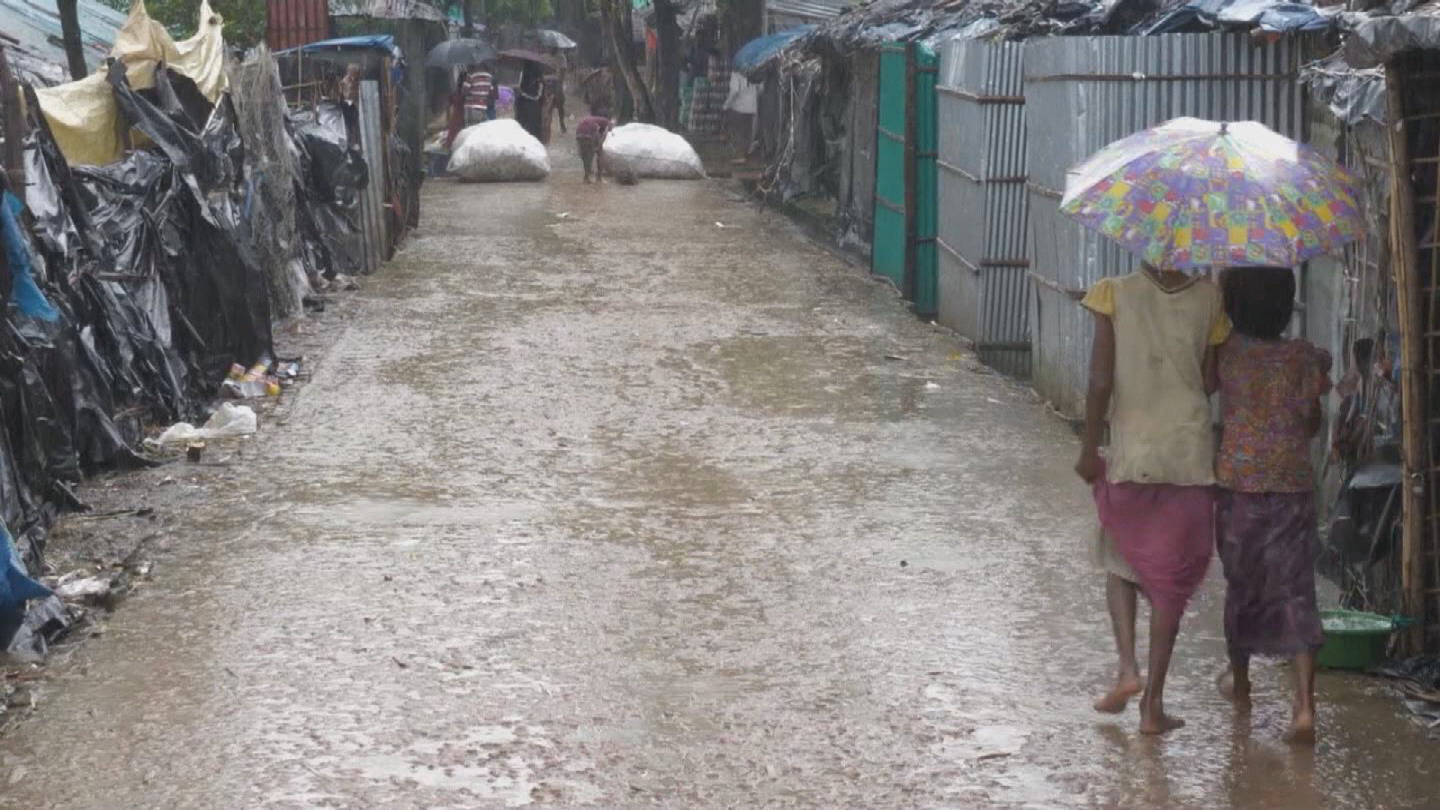
9. Pan left, Balukhali Camp, Cox’s Bazar
10. Pan right, boy walking through Balukhali Camp
11. Wide shot, UNICEF supported Malnutrition Screening Centre in Cox’s Bazar
12. Med shot, silhouetted mothers and babies at UNICEF supported Malnutrition Screening Centre
13. SOUNDBITE (Arakanese) Musaddeka, refugee girl:
“There were killing, burning houses, slaughtering the people, torturing and abusing that is why we fled here. Torturing and beating.”
14. Med shot, 10-month-old Atika sits on Musaddeka’s (her sister’s) knee as she has her Mid-Upper Arm Circumference (MUAC) checked
15. Close up, Atika’s face to her MUAC reading
16. SOUNDBITE (Arakanese) Musaddeka, refugee girl:
“We are getting medicine here and my sister is getting better. I am too.”
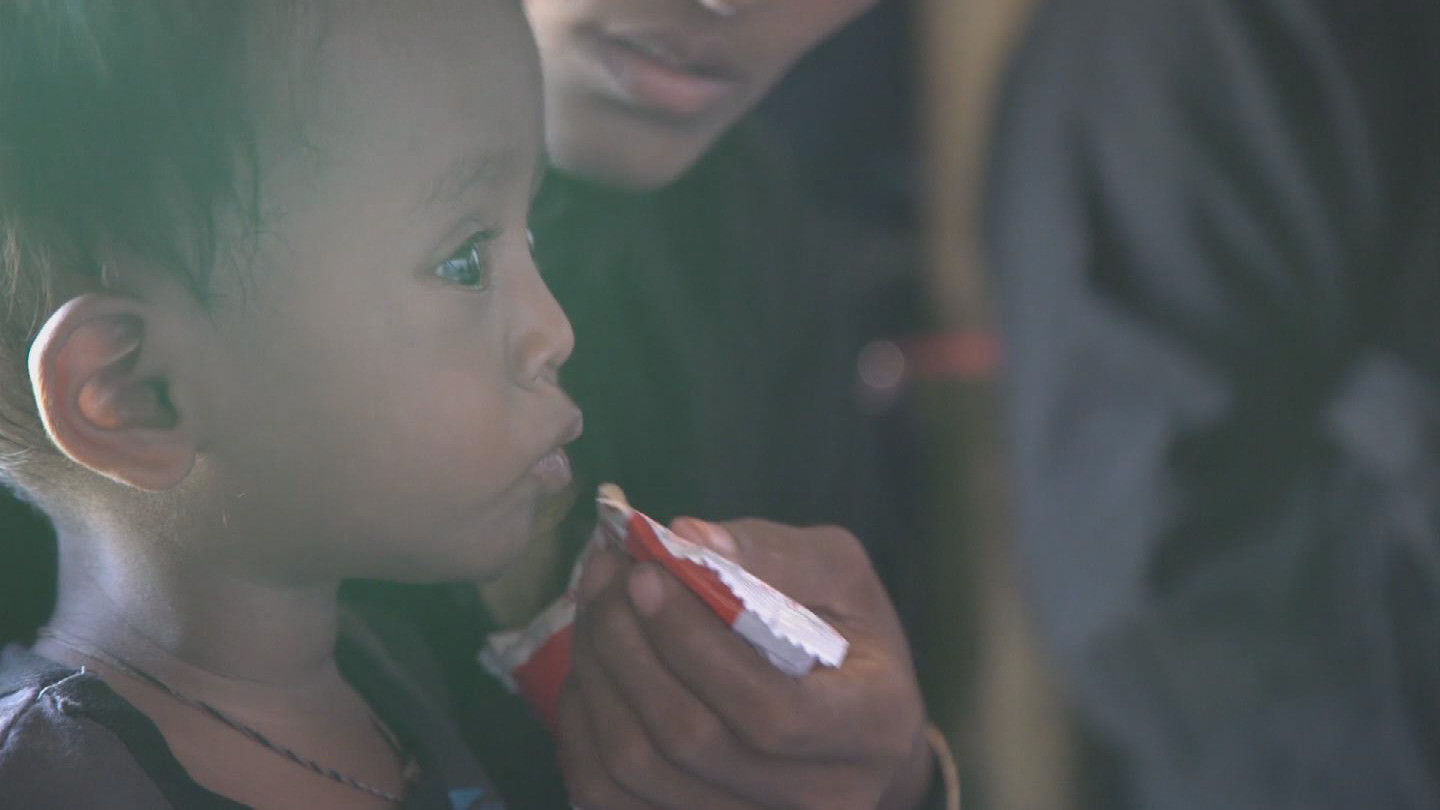
17. Various shots, Musaddeka and a boy feeding their siblings
Since August 2017, over 600,000 Rohingya refugees have fled the violence in Myanmar.
10-year-old Muhammad Yunus landed on the shores of Cox’s Bazar, Bangladesh after a harrowing 2-day journey on a makeshift raft.
“We have come here by raft,” said Mohammed. “It has been two days and I was really scared, because big waves hit our raft. We did not eat anything and we arrived here starving.”
Many of the refugees who survived the journey, arrive with no possessions and are often sick and malnourished. Mothers are also risking their lives to bring their new born babies to seek safety.
UNICEF Emergency Field Coordinator Andreas Wuestenberg said, “Well I would say 50 percent of the arrivals are children and the main health problems we are encountering are diarrhea cases, often severe watery diarrhea.”
He added, “Also, measles, almost every day we are having one or two or three measles cases often with complications from pneumonia and then a lot of malnourished cases, also severely malnourished cases, some of them even needing hospitalization.”
The refugees ultimately settle in makeshift camps that are overcrowded and lack basic services.
In Balukhali Camp, there are over 200,000 people.
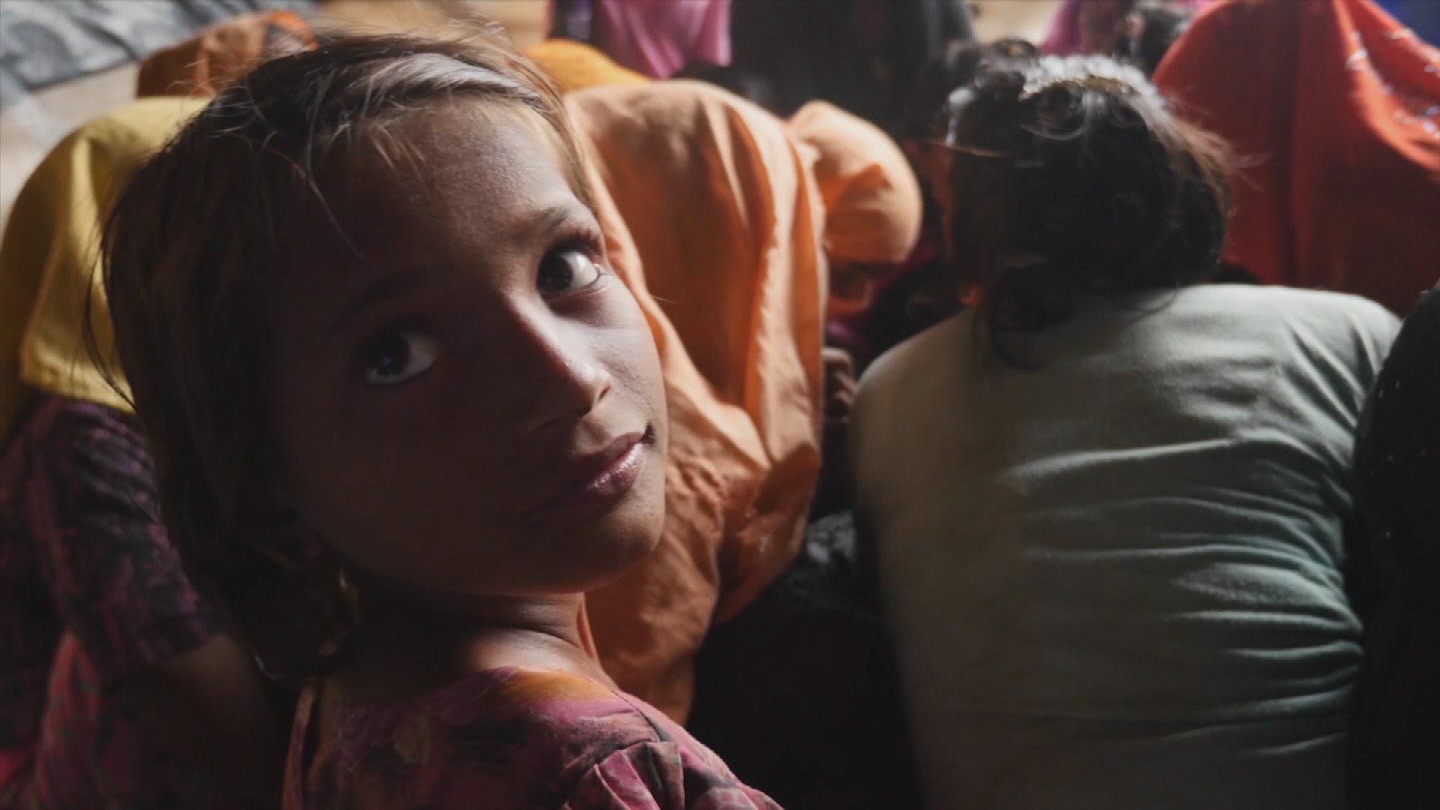
Musaddeka arrived one month ago, after her village was set on fire.
“There were killing, burning houses, slaughtering the people, torturing and abusing that is why we fled here. Torturing and beating”, said Musaddeka with tears rolling down her face.
Musaddeka’s 10-month-old baby sister, Atika, is also severely malnourished.
To address the malnutrition crisis, UNICEF is establishing health centers throughout the camps to help children like Musaddeka and Atika.
“We are getting medicine here and my sister is getting better. I am too,” said Musaddeka.
Download
There is no media available to download.