Media Home
 UN Web TV
 UN Audiovisual Library
 UN Photo
Unifeed
YEMEN / MOBILE CRANES
STORY: YEMEN / MOBILE CRANES
TRT: 1:38
SOURCE: WFP
RESTRICTIONS: PLEASE CREDIT WFP ON SCREEN
LANGUAGE: ENGLISH /NATS
DATELINE: 15 JANUARY 2018, HODEIDAH, YEMEN /FILE
15 JANUARY 2018, HODEIDAH, YEMEN
1. Various shots, mobile cranes being unloaded from ship
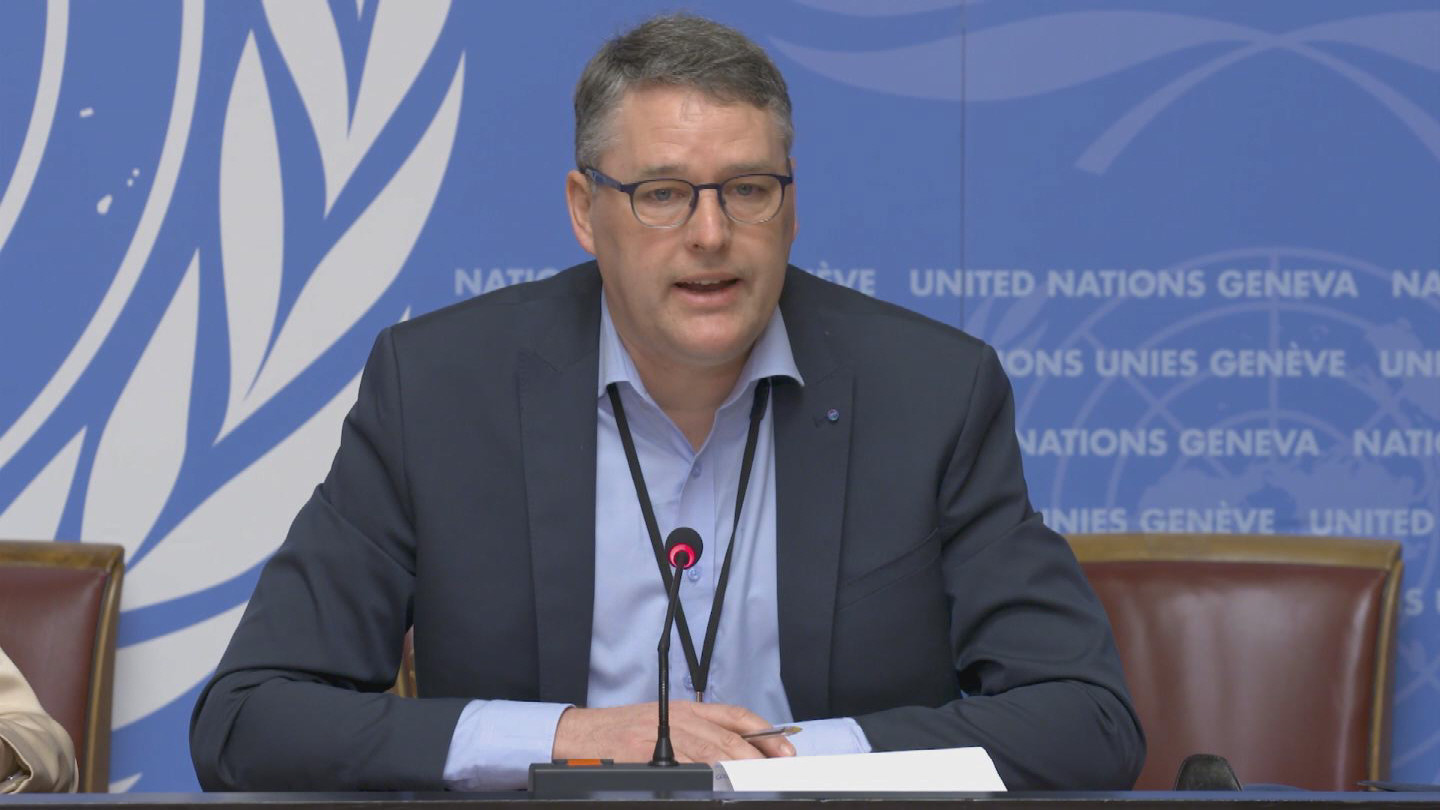
2. SOUNDBITE (English) Stephen Anderson, Director for Yemen, WFP:
“These four Tadano cranes which have just arrived at Hodeidah port in Yemen, funded by the United States Agency for International Development will significantly increase the off-loading capacity here at the port, ease congestion and improve ultimately, improve delivery of humanitarian and other supplies to the people who desperately need it across Yemen”
FILE – JULY 2017, HODEIDAH, YEMEN
3. Med shot, bombed building
4. Wide shot, rubble
FILE – 26 JULY 2017, HODEIDAH, YEMEN
5. Wide shot, Al Thawara hospital, Hodeidah
6. Wide shot, hospital room
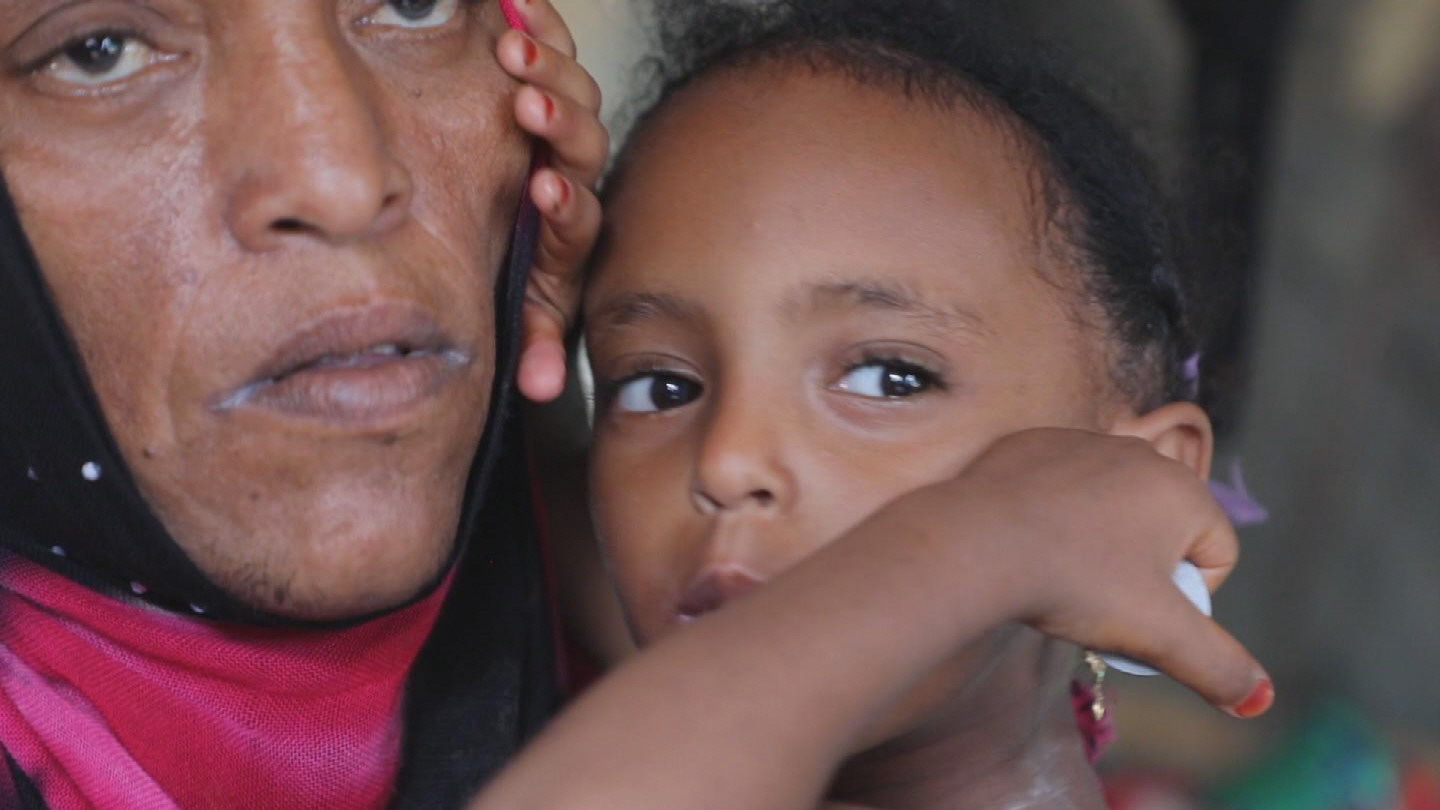
7. Med shot, Mother with child patient
8. Close up, child patient
9. Med shot, mother with baby
10. Close up, baby in hospital bed
Four mobile cranes purchased by the United Nations World Food Programme (WFP) and funded by the United States Agency for International Development (USAID) have arrived Monday in Yemen’s Hodeidah Port to allow faster delivery of relief items for Yemeni families in the grips of the world’s biggest hunger crisis.
The cranes, which will be operational immediately, are urgently needed to boost the capacity of Hodeidah Port, which handles around 70 percent of Yemen’s imports, including critically-needed food and humanitarian supplies.
With each of the mobile cranes able to handle up to 60 tons, they will significantly boost the discharge of humanitarian cargo and other relief items. Saudi Arabia and United Arab Emirates facilitated the transfer of the cranes aboard the WFP-chartered vessel MV JUIST to Yemen.
More than 22 million people in Yemen need humanitarian assistance, including 11.3 million who are in acute need – an increase of more than one million people since March 2017. This also includes 8.4 million hungry people who depend entirely on external food assistance. Most of them live in areas in central and northern Yemen that are most rapidly and cost-effectively reached via Hodeidah Port.
WFP has been providing monthly food assistance to nearly seven million people in Yemen since August 2017 – double the number it was able to assist in the first half of 2017.
In January, WFP hopes to reach 7 million people, though as in previous months and due to financial constraints only about half of these people are receiving full food rations, the remainder will receive a smaller ration that covers 60 percent of their needs. WFP requires USD 303 million to sustain life-saving support through June 2018.
Download
There is no media available to download.