Media Home
 UN Web TV
 UN Audiovisual Library
 UN Photo
Unifeed
UN / CHILDREN IODINE DEFICIENCY
STORY: UN / CHILDREN IODINE DEFICIENCY
TRT: 1:02
SOURCE: UNIFEED
RESTRICTIONS: NONE
LANGUAGE: ENGLISH / NATS
DATELINE: 01 MARCH 2018, NEW YORK CITY / RECENT
FILE - NEW YORK CITY
1. Wide shot, UNHQ exterior
01 MARCH 2018, NEW YORK CITY
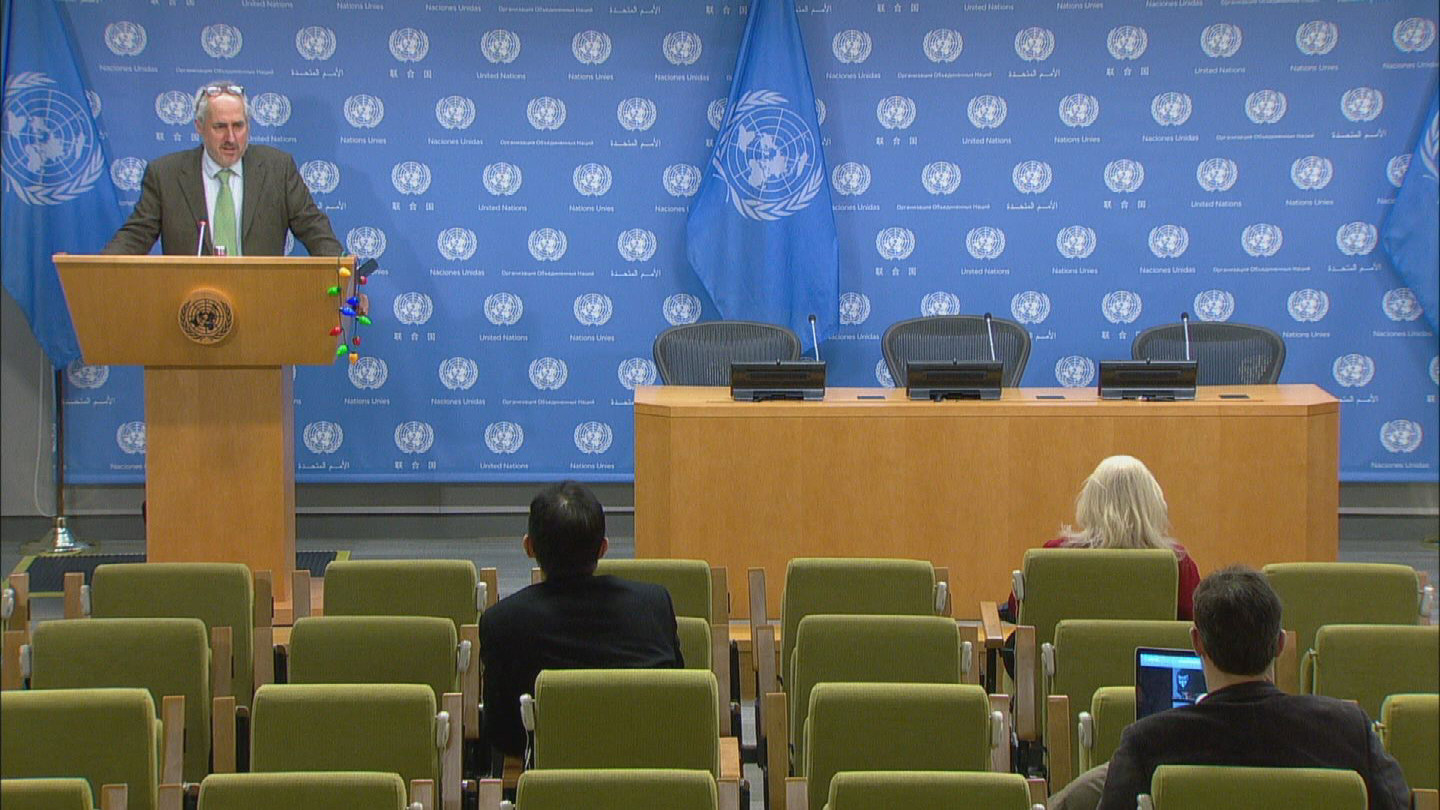
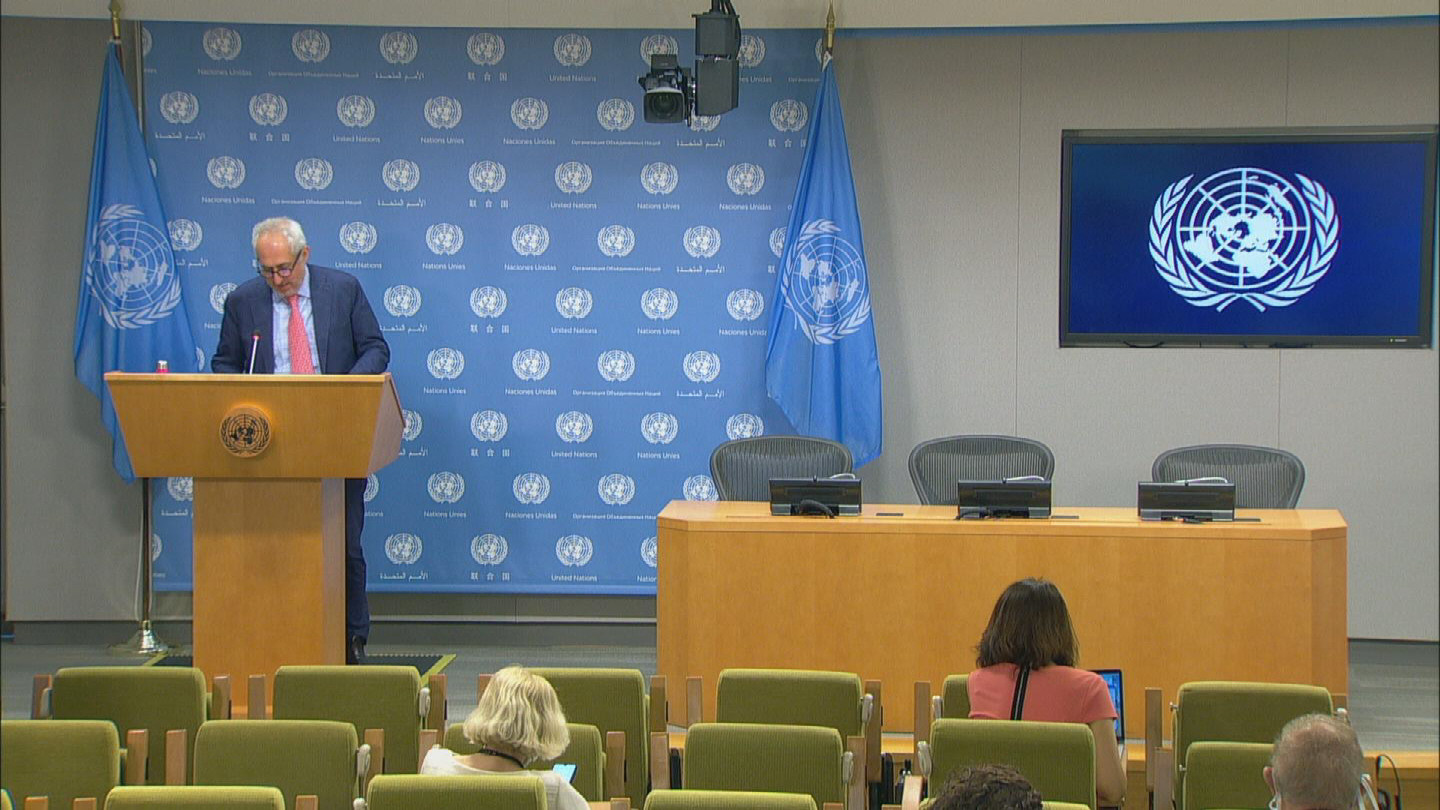
2. Wide shot, press room
3. SOUNDBITE (English) Stephane Dujarric, Spokesperson, United Nations:
“UNICEF and the NGO Global Alliance for Improved Nutrition say today in a report that nearly 19 million babies born globally every year are at risk of permanent brain damage and reduced cognitive function due to a lack of iodine in the earliest years of life.”
4. Med shot, reporters
5. SOUNDBITE (English) Stephane Dujarric, Spokesperson, United Nations:
“More than 1 in 4 of these children – 4.3 million – lives in South Asia. Insufficient iodine during pregnancy and infancy results in neurological and psychological deficits, reducing a child’s IQ. This translates into major losses in the cognitive capital of entire nations and thus [has] a negative impact on their socio-economic development.”
6. Med shot, reporters
7. Wide shot, podium
UNICEF and the NGO Global Alliance for Improved Nutrition (GAIN) said today (1 Mar) in a report that nearly 19 million babies born globally every year are at risk of permanent brain damage and reduced cognitive function due to a lack of iodine in the earliest years of life.
Speaking to reporters in New York, UN spokesperson Stephane Dujarric noted that more than 1 in 4 of these children – 4.3 million – lives in South Asia.
According to the report, insufficient iodine during pregnancy and infancy results in neurological and psychological deficits, reducing a child’s IQ. This translates into major losses in the cognitive capital of entire nations and thus [has] a negative impact on their socio-economic development.
The earliest moments of life, from conception up to age 2, are the most critical for a child’s development. Nutrition – along with protection and stimulating activities like play and early learning – during a child’s first 1,000 days shape brain development for life.
The report outlines urgent steps to reduce the risk of mental impairment to babies’ growing brains: Integrate salt iodization into national plans to support children’s nutrition and brain development in early childhood; Align salt iodization and salt reduction agendas; Establish surveillance systems to identify unreached populations; Strengthen regulatory systems to enforce existing legislation on salt iodization; Recognize the growing importance of fortified foods as potential sources of iodized salt.
Download
There is no media available to download.