Media Home
 UN Web TV
 UN Audiovisual Library
 UN Photo
Security Council
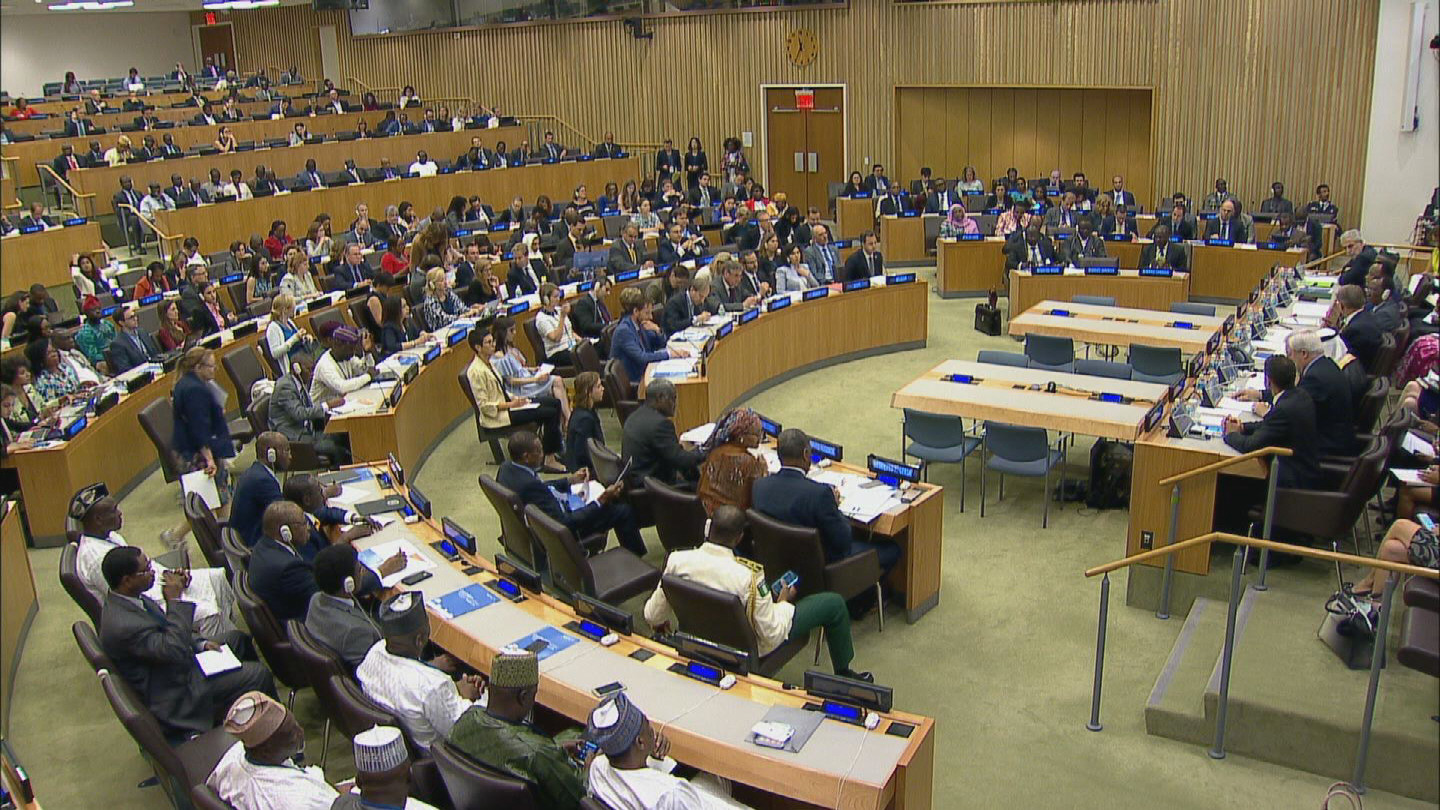
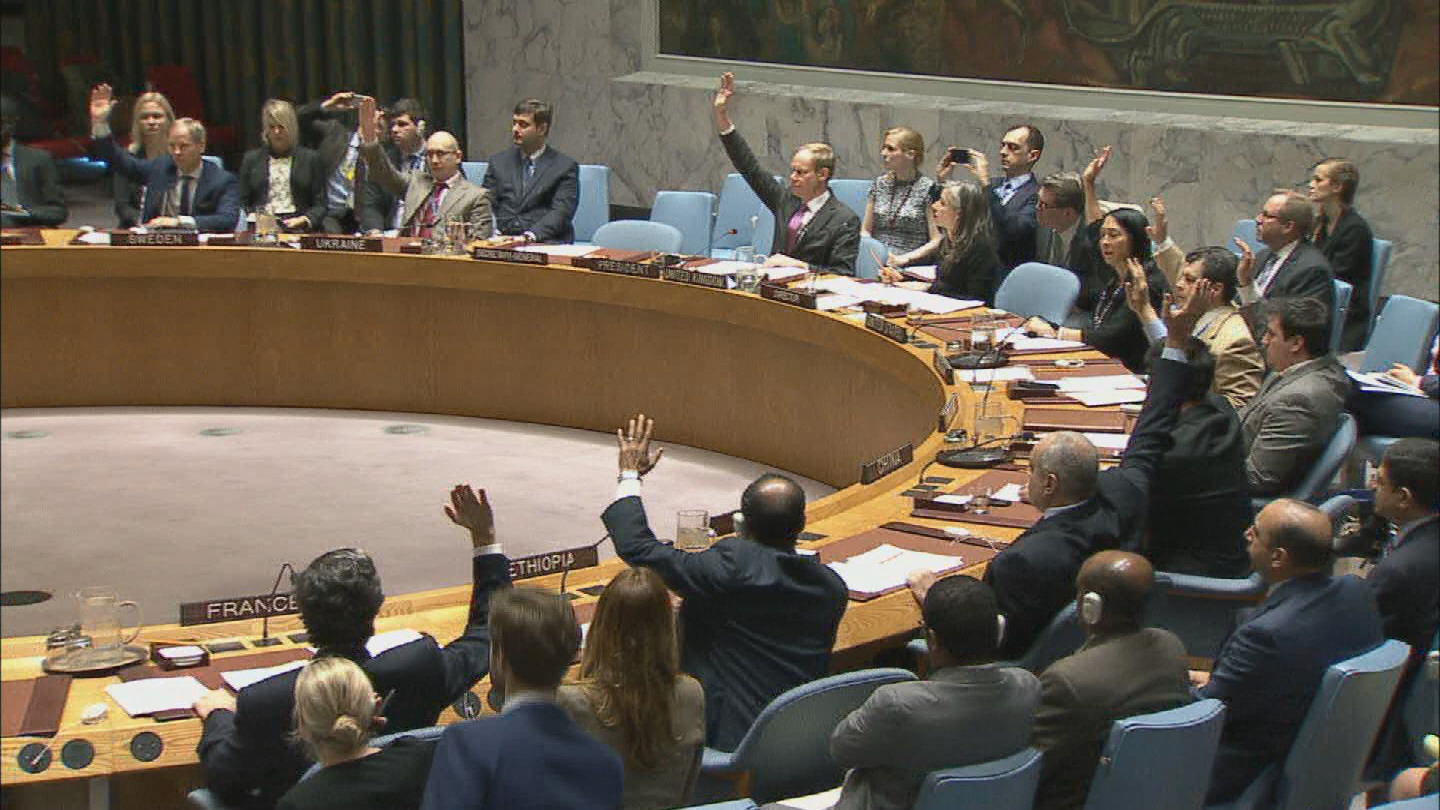
8212th Security Council Meeting: Peace and Security in Africa
The environmental monitoring network in the Lake Chad Basin was inadequate, sparse, poorly funded and badly operated, a representative of the commission overseeing its management told the Security Council today, as delegates explored the causes of conflict and dire human suffering in the region.
Mohammed Bila, a representative of the Lake Chad Basin Commission based in N’Djamena, recounted the experience of Kaukiri, a village near the tri‑point marker between Niger, Nigeria and Chad, where by 2010, farming could not take place because the Komadugu Yobe River had not brought water to the areas around the village. Yet, there was no sign that the three preceding years of similar agricultural loss had been noticed by local authorities or community organizations.
“As of today, no authority can detect if a similar disaster is occurring,” he said. He recommended introducing a participatory system of local water governance. Climate security risk assessments and reporting from local, national and regional levels should also be aggregated and presented to the Council, as an early warning for conflict prevention.
Mr. Bila joined Deputy Secretary‑General Amina Mohamed, and Senior Conflict Advisor at Adelphi, Chitra Nagarajan, in painting a picture of the factors behind people’s suffering in the Lake Chad Basin and driving some to terrorism one year after the adoption of resolution 2349 (2017).
“We are seeing decreased resilience,” said Ms. Nagarajan, speaking from Abuja, describing the problem as one of governance of and access to natural resources. Tensions were growing between farmers, pastoralists, fishermen and ethnic groups, while deforestation had fostered desertification. Men and boys were among the first to flee when conflict erupted.
She said other tensions among refugees, internally displaced persons, returnees and host communities had been exacerbated by a sense that aid had benefited some but not others. Local leaders were increasingly seen as diverting aid to themselves and their families, and people said corruption was worsening. Looking ahead, she said groups other than Boko Haram could emerge and prove more difficult to combat.
Ms. Mohamed, speaking via videoconference from Monrovia, outlined progress made against Boko Haram, stressing that the Multinational Joint Task Force — comprising military units from Benin, Cameroon, Chad, Niger and Nigeria — had liberated hostages and made territorial gains. It was important to now stabilize reclaimed areas, and seize opportunities to promote sustainable development.
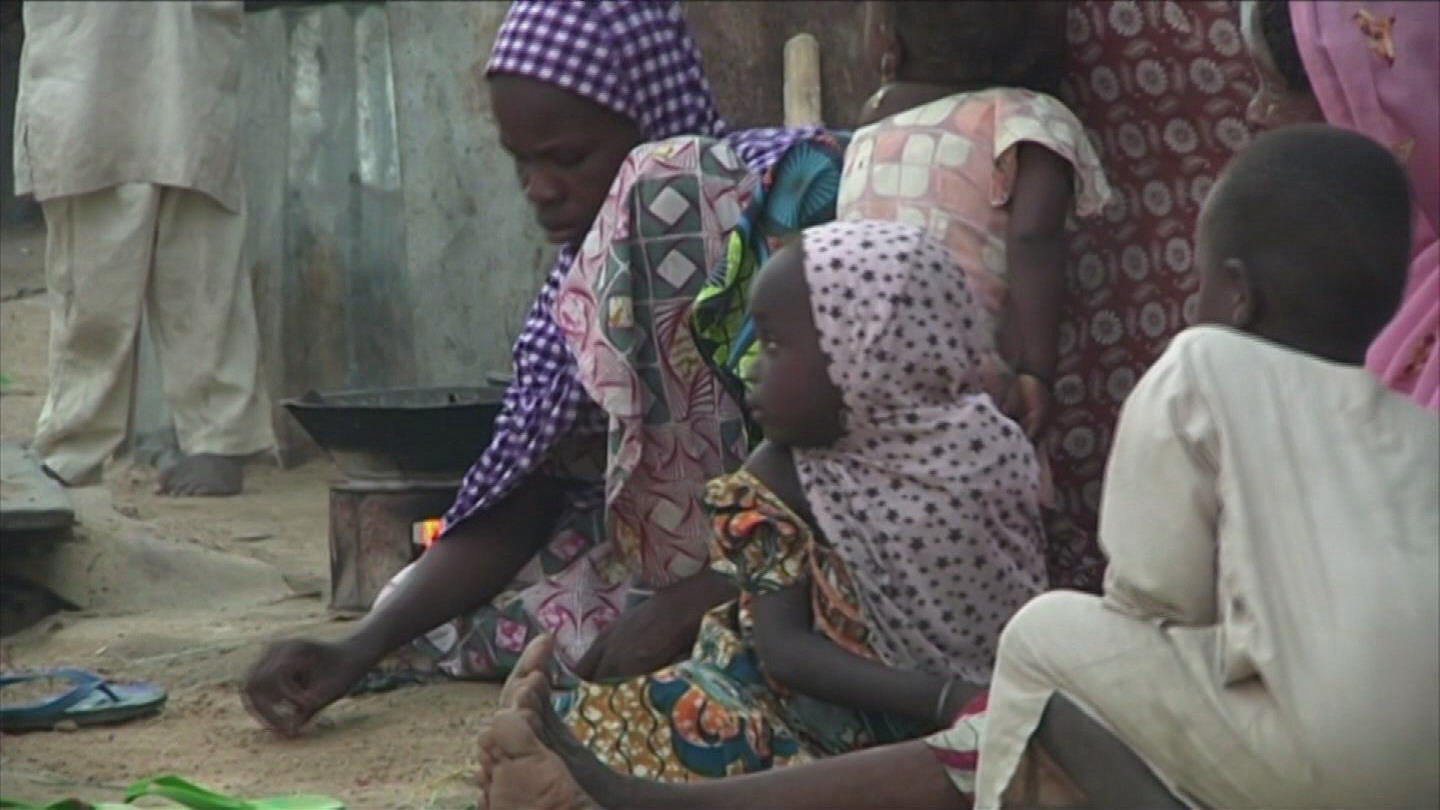
The humanitarian situation was dire, she said, with 10.7 million people in need of life‑saving assistance. Some 4.5 million were severely food insecure across the Lake Chad Basin, a figure expected to rise to 5.8 million by June. The United Nations was supporting the African Union and the Lake Chad Basin Commission in developing a resilience strategy which she expected to be launched next month in N’Djamena.
In the ensuing dialogue, delegates around the chamber praised the Task Force for confronting Boko Haram, Islamic State in Iraq and the Levant (ISIL/Da’esh) and other terrorist groups, with Ethiopia’s delegate stressing that it had not received the international support it deserved. The impact of the withdrawal of Chadian troops from the Task Force should not be taken lightly.
Kuwait’s delegate meanwhile called for stepped up regional and international cooperation to cut off financing for those groups. One idea, said Kazakhstan’s delegate, was to strengthen regional partnership through the joint steering committee of the Lake Chad Basin Commission and the African Union, with a view to garnering support for the Task Force’s operational needs.
One year after the adoption of resolution 2349 (2017), “Boko Haram feels more or less at home in the region”, said the representative of the Russian Federation, a situation that might have been averted had his delegation’s concerns been considered when adopting that text. Eliminating that threat would allow for more focus on preventing natural disasters by other bodies, such as the Economic and Social Council. “We should not upset the existing division of responsibilities,” he said.
Nigeria’s delegate, also speaking on behalf of Cameroon, Chad and Niger, agreed that Boko Haram had negatively affected virtually every facet of people’s lives. Challenges, such as climate and particularly the shrinking of Lake Chad, required dedicated international intervention. “The lake is very dear to our hearts,” he said, providing livelihoods for 45 million people. Its drying had left fishermen jobless, herdsmen traversing long distances in search of greener pastures, and young people joining terrorist groups.
The net effect had been instability. “We must treat the issues in the Lake Chad with the urgency they deserve and show the needed political commitment towards reviving the lake,” he asserted.
Also speaking today were representatives of the United Kingdom, Sweden, Peru, China, France, United States, Côte d’Ivoire, Bolivia, Poland, Equatorial Guinea and the Netherlands.
The meeting began at 11:06 a.m. and ended at 1:27 p.m.