Media Home
 UN Web TV
 UN Audiovisual Library
 UN Photo
Unifeed
GENEVA / CAMEROON HUMANITARIAN NEEDS
STORY: GENEVA / CAMEROON HUMANITARIAN NEEDS
TRT: 3:00
SOURCE: UNTV CH
RESTRICTIONS: NONE
LANGUAGE: ENGLISH / NATTS
DATELINE: 24 JANUARY 2019 GENEVA, SWITZERLAND
1. Exterior, Palais des Nations
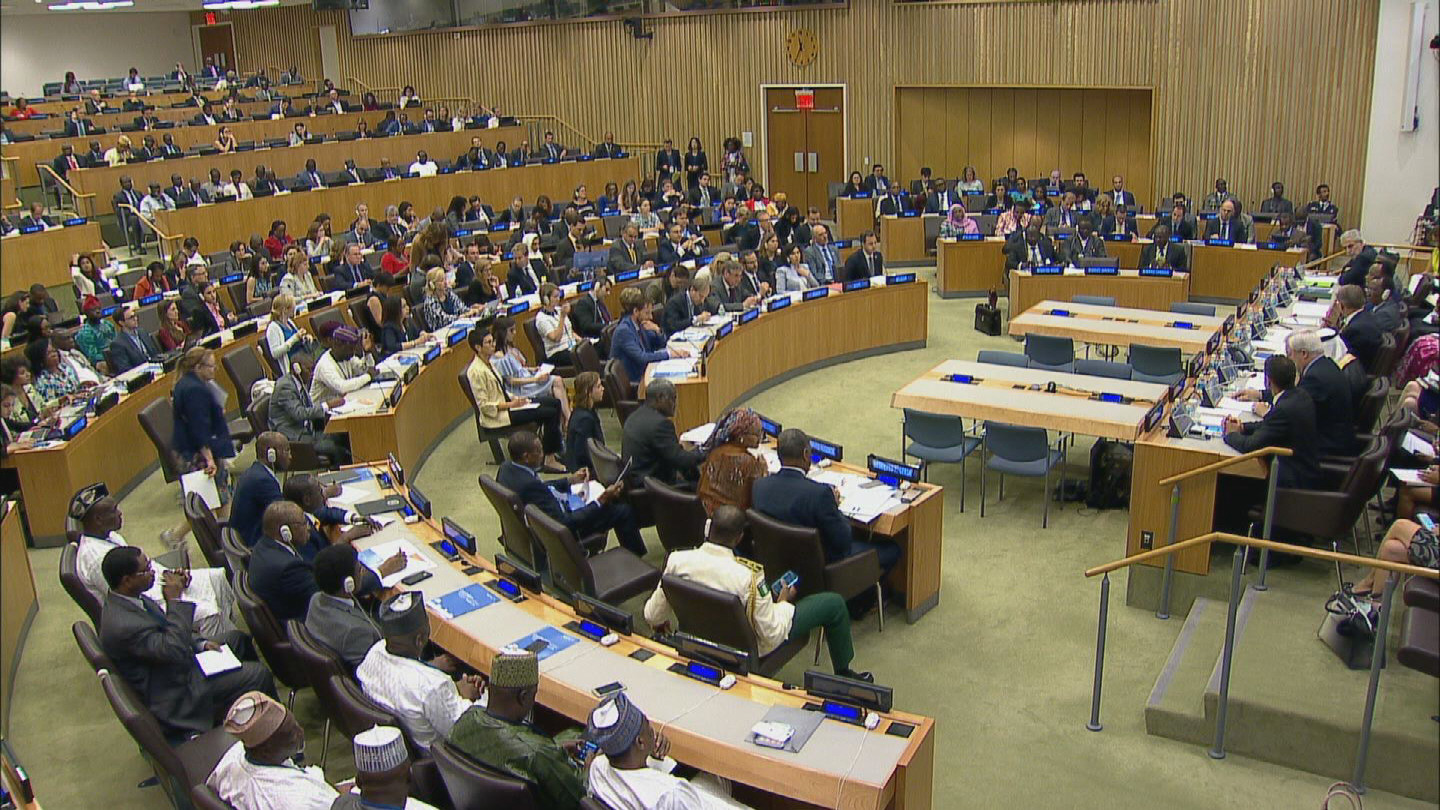
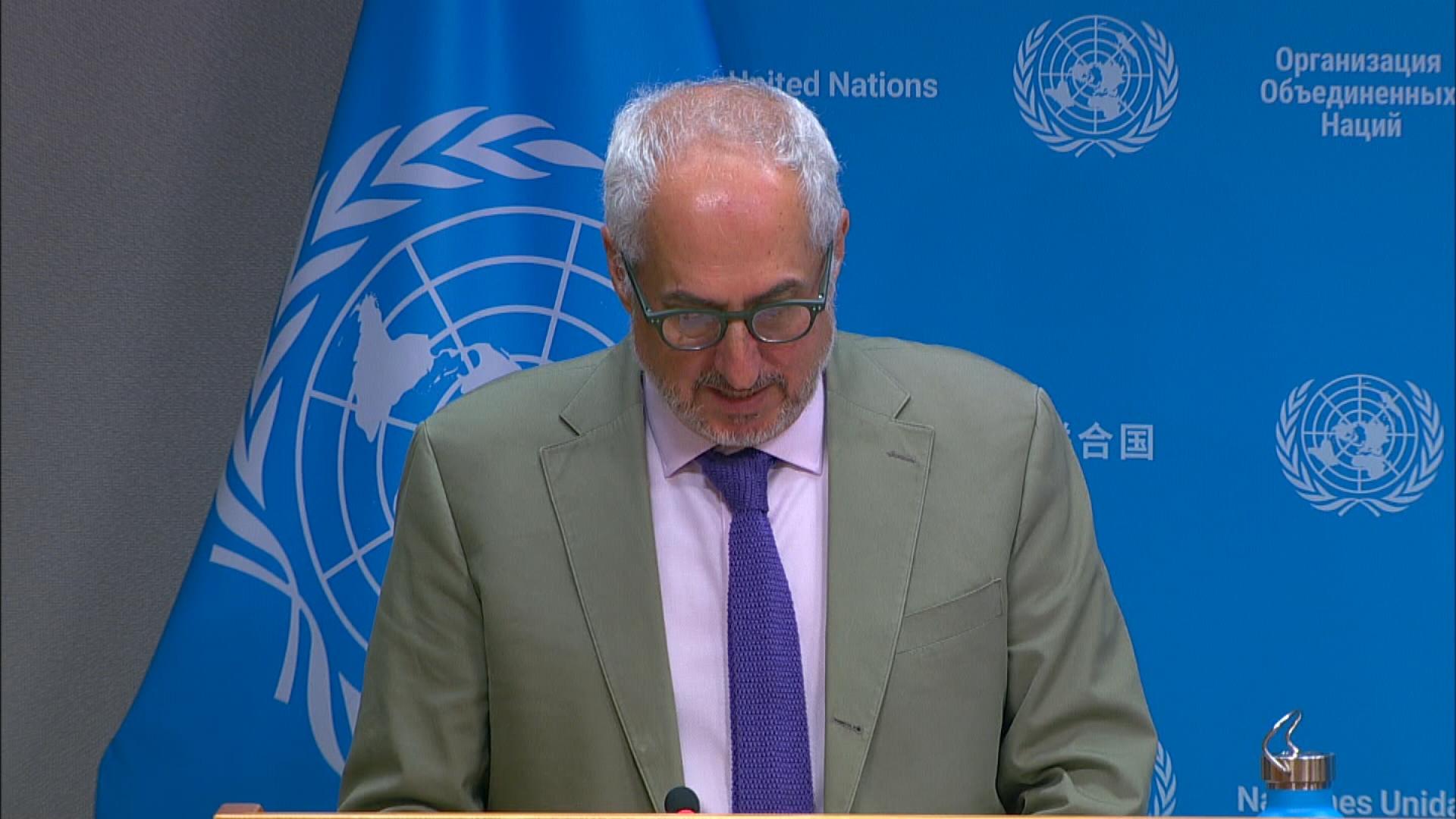
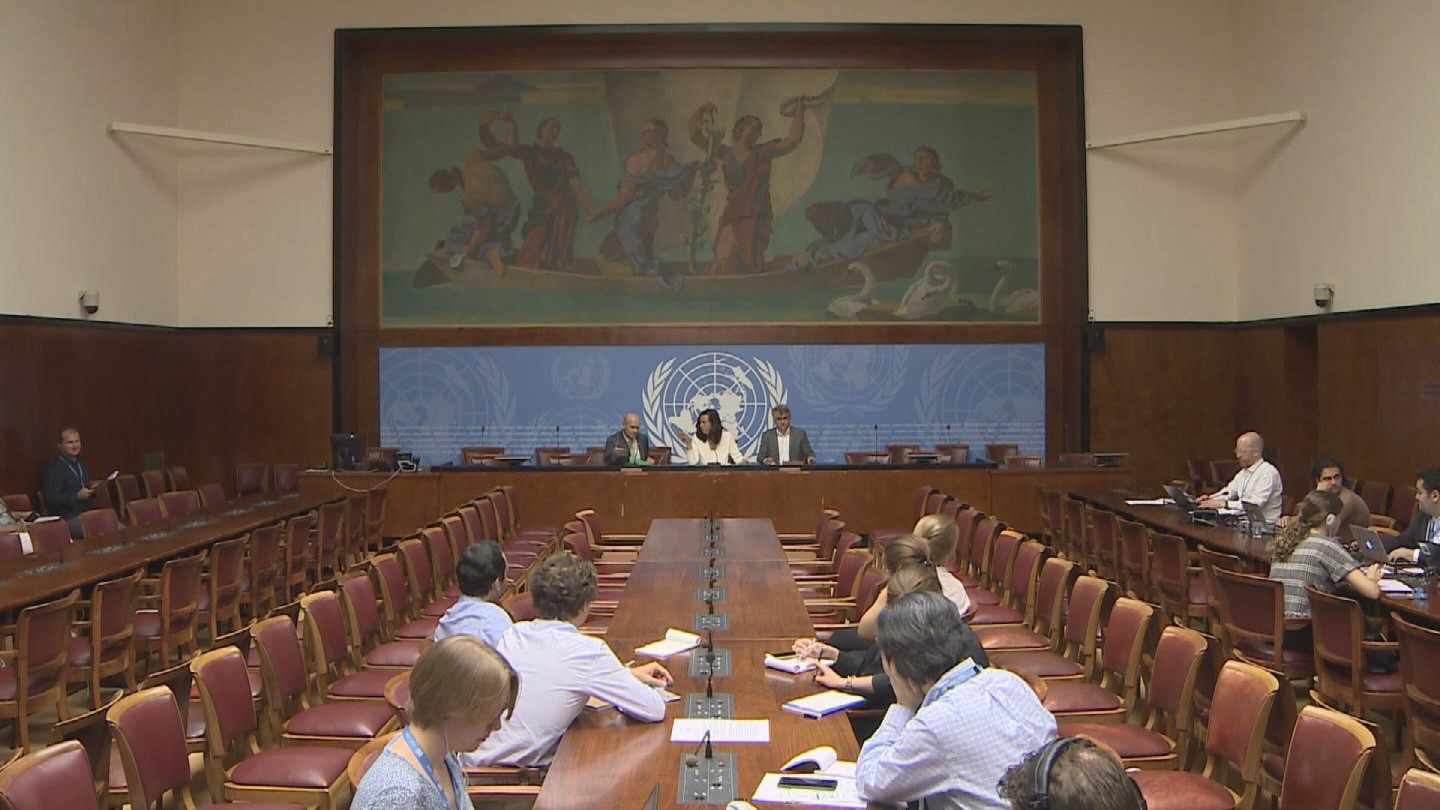
2. Wide shot, press briefing room
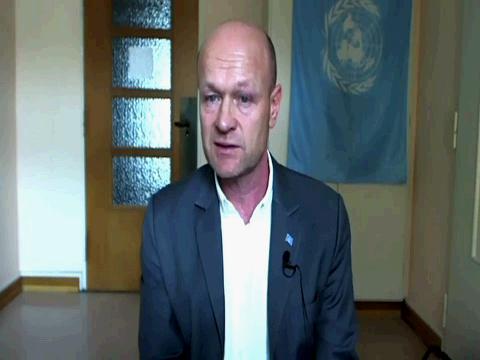
3. SOUNDBITE (English) Allegra Baiocchi, UN Resident and Humanitarian Coordinator for Cameroon:
“We cannot continue to consider Cameroon as a forgotten crisis. It has an impact not only for Cameroon and its people, but also for the whole region of Central Africa”.
4. Close up, journalist
5. SOUNDBITE (English) Allegra Baiocchi, UN Resident and Humanitarian Coordinator for Cameroon:
“Cameroon is the second most impacted country from the Lake Chad Basin crisis, both in terms of attacks and casualties, but also in terms of refugees and IDP’s. And while over the last years we had seen a reduction in Boko Haram attacks, the last three months have actually turned the tide around and there are increased attacks in Nigeria which have meant new arrivals in Cameroon. But we have actually seen increased activities in Cameroon itself”.
6. Close up, journalists
7. SOUNDBITE (English) Allegra Baiocchi, UN Resident and Humanitarian Coordinator for Cameroon:
“Humanitarian needs have never been as high, in fact have increased by 30 % since last year. We have just completed our response plan which will be presented in Yaoundé later in the month and we now have 4.3 million people in need across the three different situations that affect the country”.
8. Close up, hand writing
9. SOUNDBITE (English) Allegra Baiocchi, UN Resident and Humanitarian Coordinator for Cameroon:
“Unfortunately, our appeal last year was 40 % funded, making it the worst funded in Africa and the third worst funded globally. I think this is unacceptable for a situation like in Cameroon and for the figures we are dealing with in Cameroon. So, my big message to the donors has been ‘Thank you, but we need to do more’. “
10. Close up, hand typing
11. SOUNDBITE (English) Allegra Baiocchi, UN Resident and Humanitarian Coordinator for Cameroon:
“In the East, Cameroon continues to host 250,000 refugees from Central African Republic, again because the situation in Central African Republic is not significantly changing or improving. The options for return are very limited and again we had cross-border movements including of irregular armed forces and insurgent groups coming in to infiltrate, so another situation of concern for us”.
12. Close up, journalist
13. SOUNDBITE (English) Allegra Baiocchi, UN Resident and Humanitarian Coordinator for Cameroon:
“The needs are multi-sectorial, of course. So as all populations are displaced, there is incredible needs for shelter, food security, access to services which in some of these regions were already weak to start with and protection. So we have often said that the Lake Chad region is a crisis of protection and that remains very to be the case. But it is also the case for the North-West and South-West regions”.
14. Close up, journalist
15. Close up, camera
16. Med shot, journalists
A worsening security situation in the western part of Cameroon coupled with a continuing crisis along the country’s eastern border, account for unprecedented levels of humanitarian assistance needed, the UN said today.
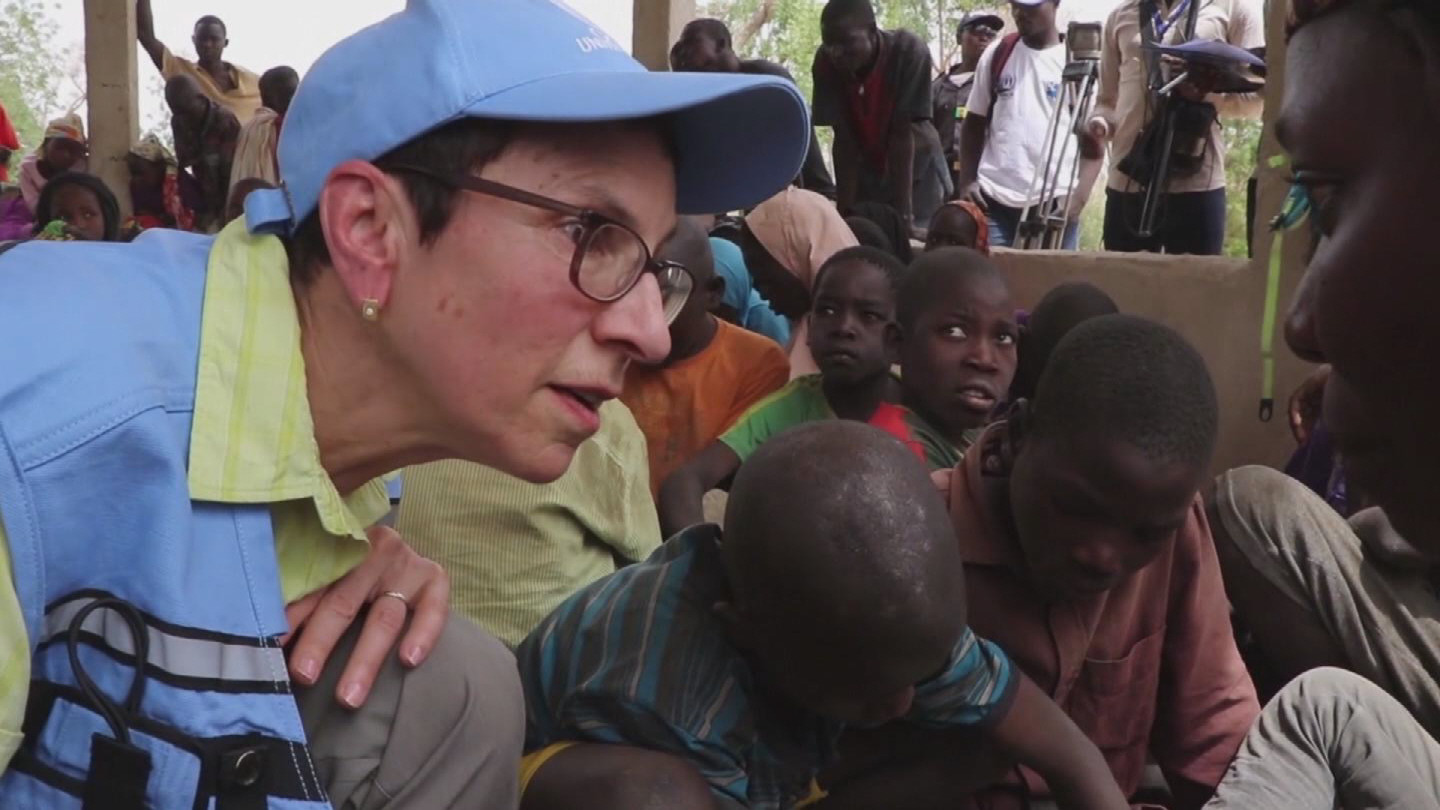
The UN Resident and Humanitarian Coordinator for Cameroon, Allegra Baiocchi, warned key donor countries Thursday (24 Jan) of the worrying developments and of the urgent need to up humanitarian aid to assist more than four million people in the West African country.
“Humanitarian needs have never been as high, in fact have increased by 30 per cent since last year”, noted UN Resident Coordinator Allegra Baiocchi during a press conference in Geneva.
“We have just completed our response plan which will be presented in Yaoundé later in the month, and we now have 4.3 million people in need in across the three different situations that affect the country,” she added, in reference to the conflict in areas along the border with Nigeria (North-West and South-West) and the border with the Central African Republic (East).
“We cannot continue to consider Cameroon as a forgotten crisis. It has an impact not only for Cameroon and its people, but also for the whole region of Central Africa”, Ms. Baiocchi said.
Attacks against civilians have increased and many conflict-affected people are surviving in harsh conditions without humanitarian assistance due to the dramatic underfunding of the response.
“Cameroon is the second most-impacted country from the Lake Chad Basin crisis, both in terms of attacks and casualties, but also in terms of refugees and IDPs”, Baiocchi explained, with reference to the violence that is pushing people to seek protection across international borders as well internally displaced people (IDPs) within Cameroon’s own borders.
“While over the last years we had seen a reduction in Boko Haram attacks, the last three months have actually turned the tide around, and there are increased attacks in Nigeria which have meant new arrivals in Cameroon,” Baiocchi said, speaking of the terrorist network that is active across the region. “But we have actually seen increased activities in Cameroon itself,” she added.
The UN estimates that today one in six people, mostly women and children, require lifesaving assistance. The joint Humanitarian Response Plan 2019 seeks US$299 million to assist 2.3 million vulnerable people, more than half of those in need.
“Unfortunately, our appeal last year was 40 per cent funded, making it the worst funded in Africa and the third worst funded globally. I think this is unacceptable for a situation like in Cameroon and for the figures we are dealing with in Cameroon. So, my big message to the donors has been ‘Thank you, but we need to do more’. “
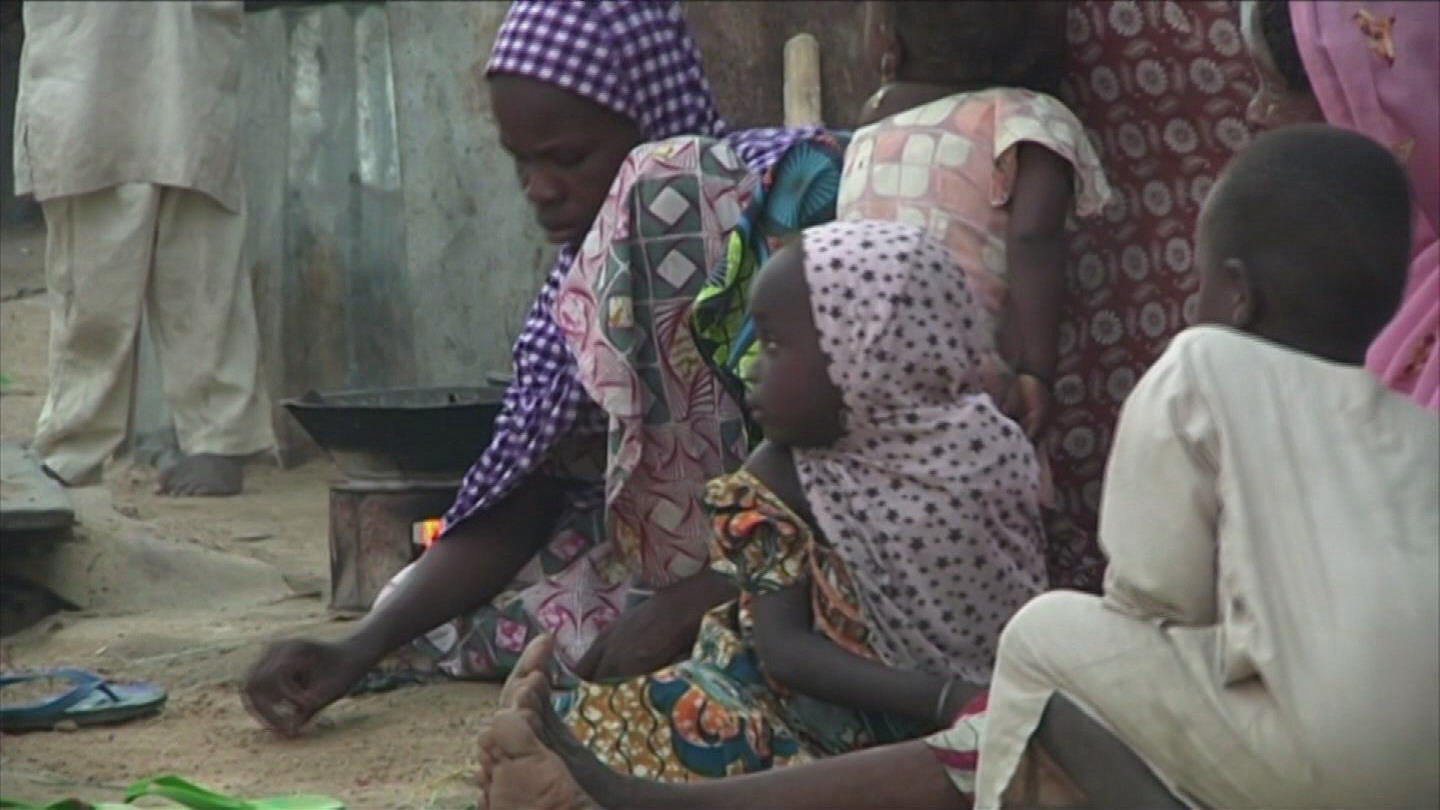
Insecurity and violence in the North-West and South-West regions have uprooted 437,000 people from their homes and forced over 2,000 to seek refuge in neighbouring Nigeria. Four million people are affected by the conflict in Cameroon’s west. Due to the deteriorating situation in northeast Nigeria, more than 10,000 new refugees arrived in Cameroon in 2018, bringing the number of Nigerian refugees in Cameroon to 100,000.
“In the East, Cameroon continues to host 250,000 refugees from Central African Republic, again because the situation in Central African Republic is not significantly changing or improving. The options for return are very limited and again we had cross-border movements including of irregular armed forces and insurgent groups coming in to infiltrate, so another situation of concern for us,” Baiocchi said.
Humanitarian needs are likely to increase in coming years, with needs across all sectors. “As all populations are displaced, there is incredible needs for shelter, food security, access to services which in some of these regions were already weak to start with and protection. So we have often said that the Lake Chad region is a crisis of protection and that remains very to be the case. But it is also the case for the North-West and South-West regions,” Baiocchi explained.
Download
There is no media available to download.