Media Home
 UN Web TV
 UN Audiovisual Library
 UN Photo
Economic and Social Council
ECOSOC Operational Activities for Development Segment: 14th Plenary
Solid structures and direction key to realizing 2030 Agenda, speakers stress at start of Economic and Social Council’s Operational Activities for Development Segment at 14th meeting.
Realizing the Sustainable Development Goals depends on having effective structures, tools and guidance, Member States told the Economic and Social Council today at the opening of its three-day segment on operational activities for development.
Under the theme “repositioning the United Nations development system to best support the 2030 Agenda: acting on our common vision”, delegates took stock of achievements and challenges involving widespread reform efforts. They also considered the Secretary-General’s related progress report.
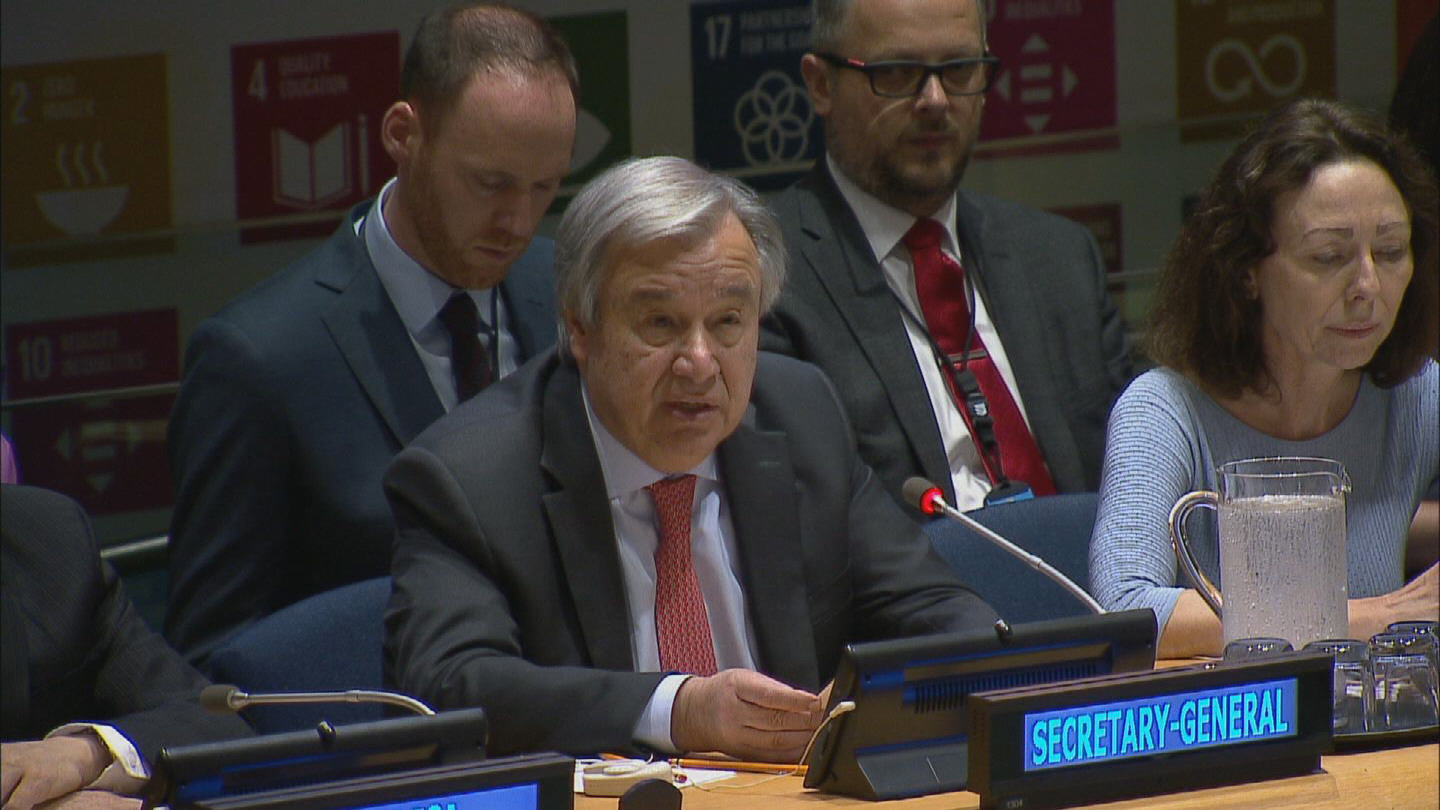
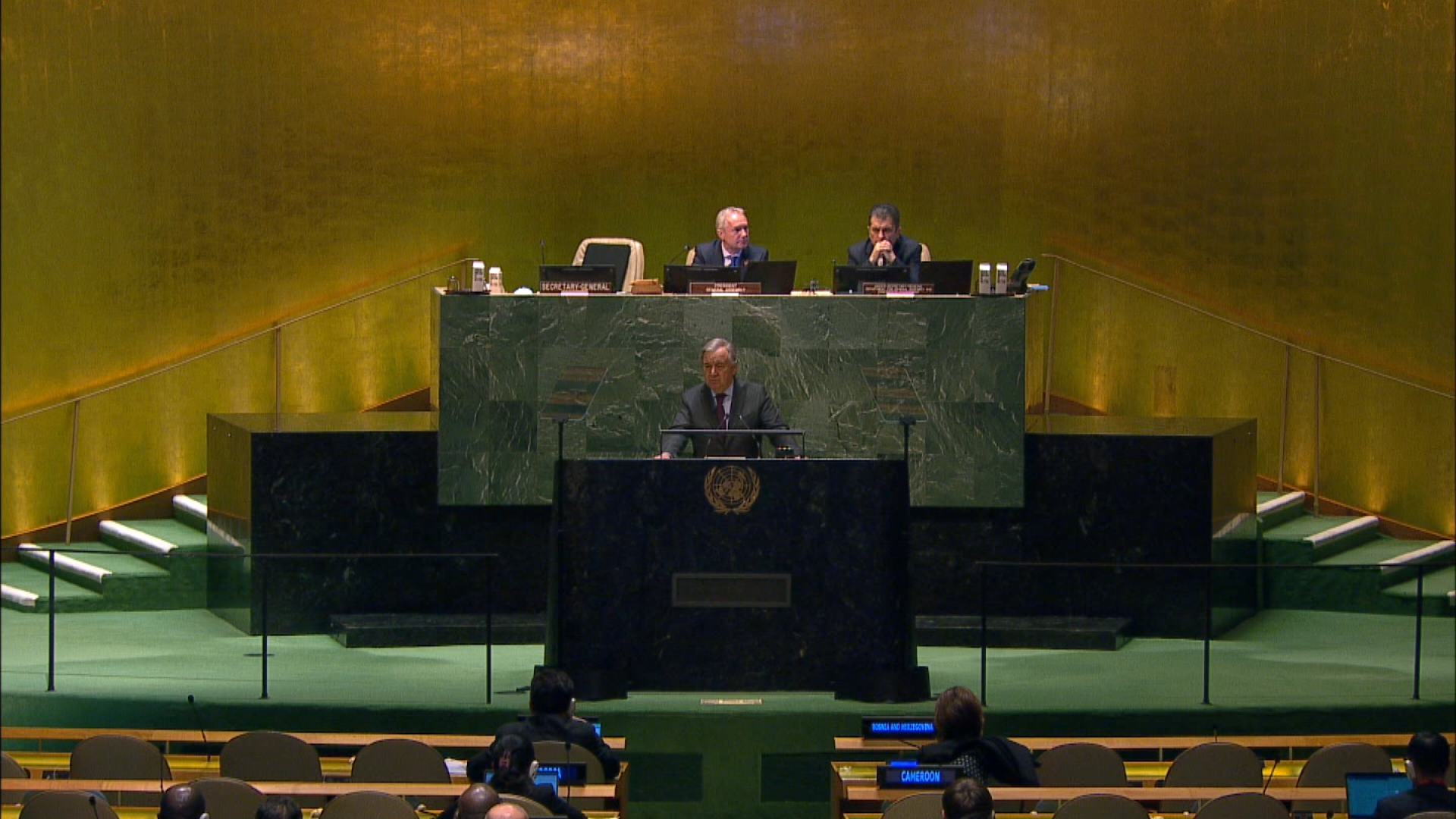
In his opening remarks, Secretary-General António Guterres said the report indicates that the Organization is well advanced on its transformative journey in a new era for its development system. Highlighting elements of a range of achievements — from cost-saving measures to establishing a new generation of United Nations country teams — he said that the coming weeks will see the finalization of a system-wide strategic document that responds to Member States needs and expectations.
“It is only through collective action that we can tackle increasingly complex global crises, threats that know no borders, the race against climate change, financial uncertainty and pervasive inequalities,” he said, stressing that the objectives are clear: to ensure that the United Nations development system is well-positioned to help Member States to implement the 2030 Agenda for Sustainable Development and to be more responsible and accountable to national priorities.
Pointing to a shared sense of urgency, he said the world is not moving fast enough to achieve the Sustainable Development Goals and to leave no one behind and is losing the race against climate change. The existing financing gap needs to be filled. As such, no one country or institution can tackle these challenges alone.
“We must work together,” he said. “For our part, we need a more cohesive, integrated and accountable United Nations development system to help countries accelerate action and achieve the transformative change our world requires. Let us renew our commitment to action and take bold decisions on the remaining mandates of this transformative journey. We are crossing a major hurdle in our transformative journey. Let us complete this journey together.”
Council President Inga Rhonda King (Saint Vincent and the Grenadines) pointed out that this year’s operational activities segment marks the first since Member States, through resolution 72/305 on strengthening the Economic and Social Council, gave it a mandate to serve as a platform to ensure accountability for system-wide performance and results in relation to the 2030 Agenda and to provide guidance to, and overall coordination of, the United Nations development system.
For the first time, she continued, the segment will formally review and deliberate on the implementation of mandates set out in the resolution on repositioning the development system. It is also the penultimate opportunity for the Council to consider the implementation of the current quadrennial comprehensive policy review of United Nations operational activities for development and the mandates contained in resolution 71/243.
Kira Christianne Danganan Azucena (Philippines), Council Vice-President for the Operational Activities for Development Segment, outlined the programme, which will feature an annual dialogue with the Executive Heads of the development system to hear how they are responding to ongoing reforms. It is designed to ensure a real conversation between the development system and Member States. Discussion topics will include: system-wide implementation of the quadrennial comprehensive policy review resolution, options for longer-term profiling and restructuring of the Organization’s regional assets, the Development Coordination Office and the funding compact.
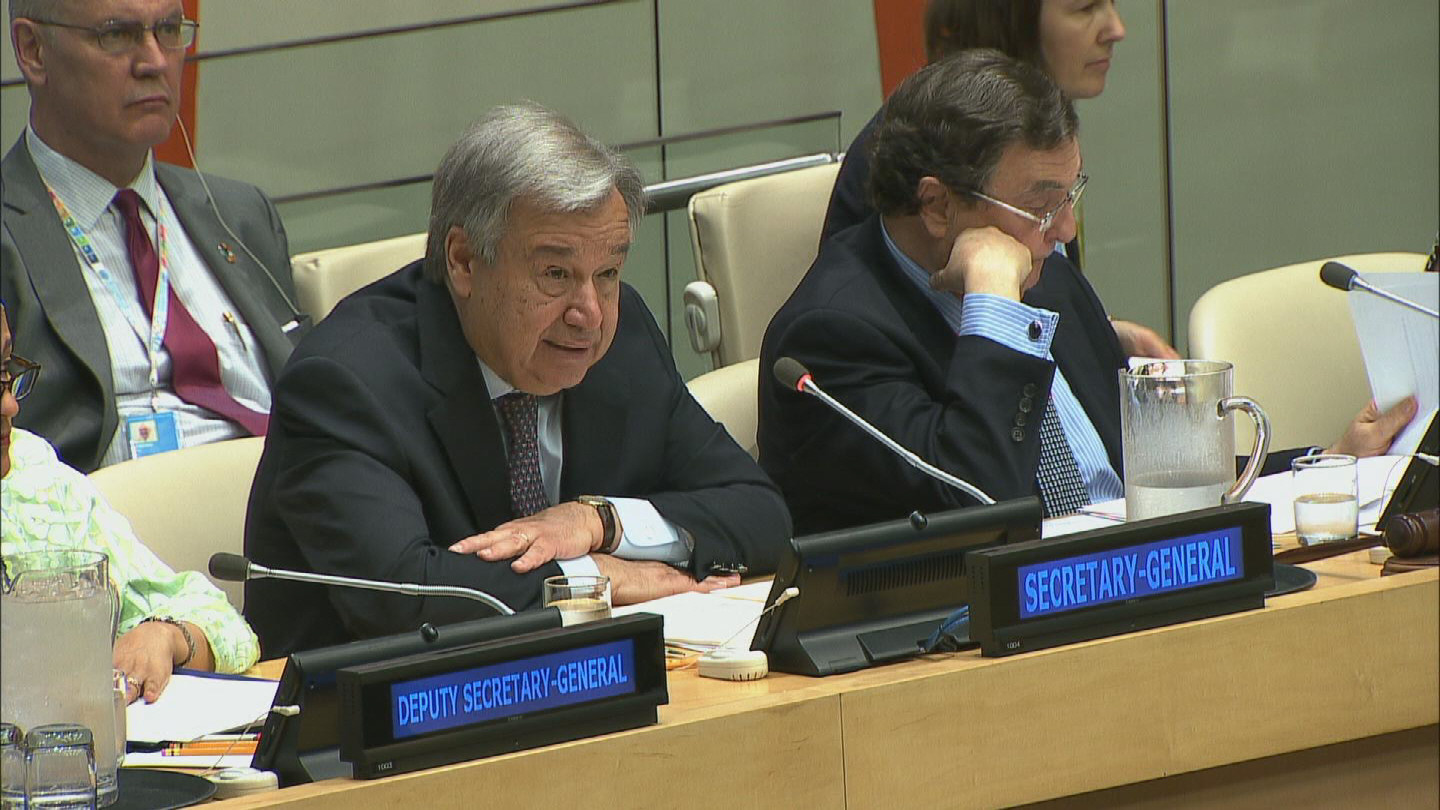
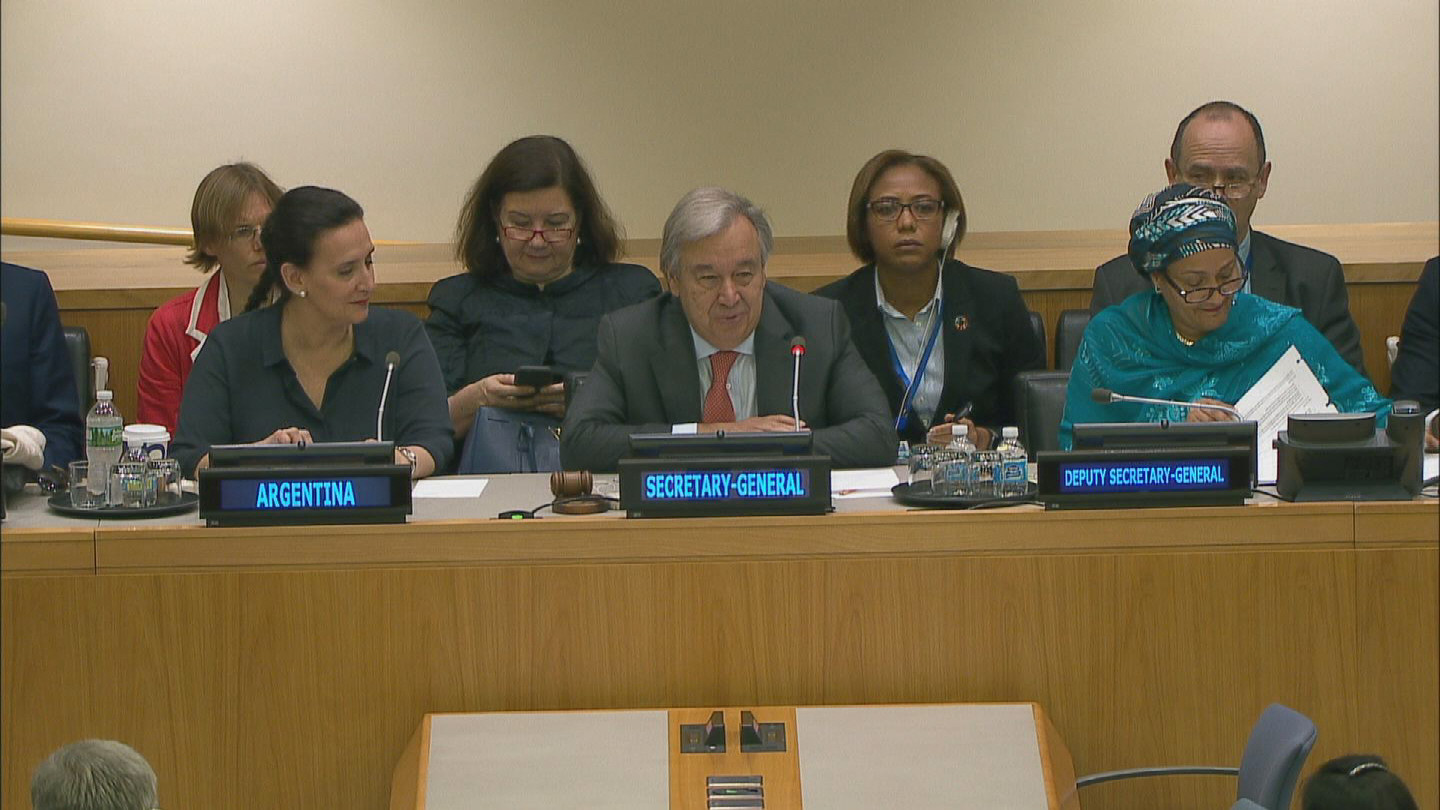
With this in mind, following the opening segment, delegates queried the Secretary-General on national and regional concerns. Responding, Mr. Guterres acknowledged that people are not used to effective coordination, transparency and accountability, and that there has been resistance to that. Recalling that he was previously the head of a United Nations agency himself, he said change requires time and Member States must understand how difficult cultural change can be.
The Secretary-General underscored the value of a well-coordinated country team that can support, within the United Nations context, a national development plan framed by the Goals and generating a true sense of national ownership. Turning to questions about the regional dimension, he said efforts are under way to increase the effectiveness of the regional commissions. Going forward, he cautioned that it will not be easy to take a fresh look at structures, but the Secretariat is determined to do so.
The Council also held three interactive dialogues on: “Strengthening the Quadrennial Comprehensive Policy Review of operational activities for development of the United Nations system”; “Discussion of the Report on the UN Development Coordination Office’s operations, administration and finance”; and “What has changed on the ground in the early days of reform?”
The Council will meet again at 10 a.m., on Wednesday, 22 May, to continue its work.
For further details please see source:
MEETINGS COVERAGE