Media Home
 UN Web TV
 UN Audiovisual Library
 UN Photo
Unifeed
FAO / GLOBAL FOOD CRISES REPORT
STORY: FAO / GLOBAL FOOD CRISIS REPORT
TRT: 4:19
SOURCE: FAO
RESTRICTIONS: NONE
LANGUAGE: ENGLISH /NATS
DATELINE: 15 APRIL 2020, ROME ITALY /FILE
MAY 2016 – SOMALIA
1. Wide shots of dry land
2. Wide shot, dead cattle carcass
NOVEMBER 2017 - LUBAO, PAMPANGA PROVINCE, PHILIPPINES
3. Various shots, damage by typhoon
2016 - Haiti
4. Tracking shot, aftermath of Hurricane Matthew
15 APRIL 2020, ROME ITALY
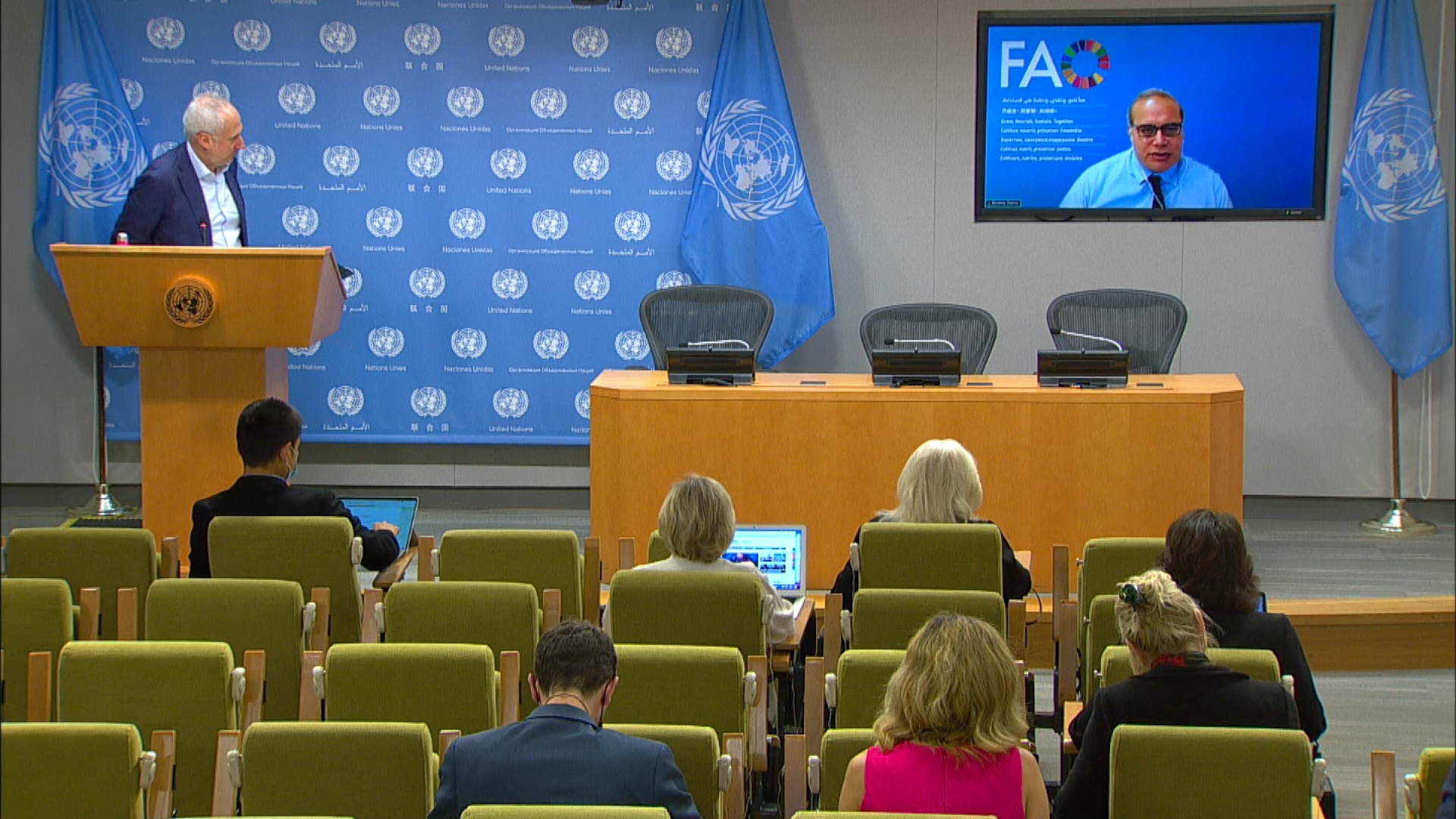
5. SOUNDBITE (English) Dominique Burgeon, Director of the Emergencies and Rehabilitation Division, FAO:
“This year’s report, 2020 report, basically tells us that even before Covid-19 at the beginning of 2020, we already have a very large number of people in severe acute food insecurity - actually the largest ever number of people in severe acute food insecurity since we have the first edition of report in 2017.”
2017 – TURKEY
6. Med shot, trainees packaging citrus in Mersin
7. Wide shot, trainees harvesting apples in Gaziantep
8. Aerial shot, refugee camp, Şanlıurfa
MARCH 2018 - COX’S BAZAR, BANGLADESH
9. Various shot, Rohingya people in refugee camp
15 APRIL 2020, ROME ITALY
10. SOUNDBITE (English) Dominique Burgeon, Director of the Emergencies and Rehabilitation Division, FAO:
“We are extremely worried about the displaced people, the IDP ( Internally Displaced People), the refugees that are also very impacted and then we are also very concerned by the fact that COVID-19 could create the condition [audio in background] for social and political unrest in some of these context.”
2017 - Kasai region, Democratic Republic of Congo
11. Various shots, displaced people including women and children in front of house
12. Vaious shots, displaced people working in field with seeds and tools provided by FAO
15 APRIL 2020, ROME ITALY
13. SOUNDBITE (English) Dominique Burgeon, Director of the Emergencies and Rehabilitation Division, FAO:
“It is important to stress that these 135 million people are already in situation of food crises are already weaken, they are very fragile health, and it’s clear that these people will be further affected by the impact ( of COVID-19) and therefore they need out continue support.”
21 JANUARY 2020, SAMBURN COUNTY, MWINGI, KENYA
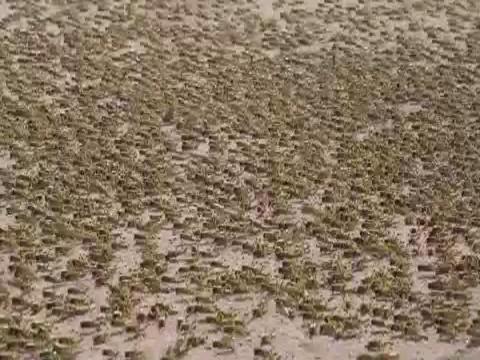
14. Various shots, locust swarm
15. Close up, desert locust
JANUARY 2017, SOUTH SUDAN
16. Various shots, fishermen fishing using kits provided by FAO
15 APRIL 2020, ROME ITALY
17. SOUNDBITE (English) Dominique Burgeon, Director of the Emergencies and Rehabilitation Division, FAO:
“First we think we should continue to scale-up and expand near-real time monitoring of the food security situation, we have to have a clear picture of what impacts of what COVID-19 is so that we can trigger really early action. The second one we need to preserve critical humanitarian food, livelihood and nutrition assistance to vulnerable people, this is absolutely critical. Social protection is another area where we need to work. “
15 JUNE 2018 - CHIQUIMULA MUNICIPALITY, GUATEMALA
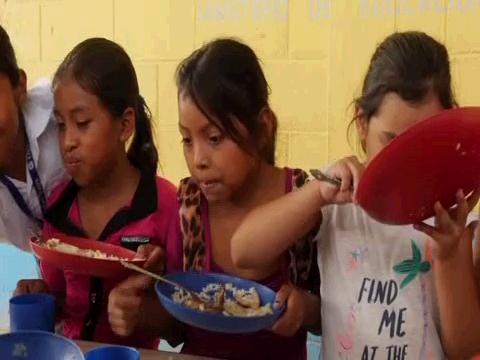
18. Various children having meals in school
15 APRIL 2020, ROME ITALY
19. SOUNDBITE (English) Dominique Burgeon, Director of the Emergencies and Rehabilitation Division, FAO:
“In the meantime, we need to make sure in terms of access to food that the food produce continues to flow to market, we need to make sure food processing continues, transport and access to local market is secure, and this include advocating for trade corridor to basically remain open.”
2019 – Armenia
20. Various shots, children eating in school
A new report says that at the close of 2019, over 135 million people in 55 countries and territories faced acute food insecurity and required urgent food, nutrition and livelihoods assistance.
The 2020 edition of annual report, the Global Report on Food Crises, published by the Global Network against Food Crises, also provides an analysis of the drivers that are contributing to food crises across the globe, and examines how the COVID-19 pandemic might contribute to their perpetuation or deterioration.
The report also says an additional 183 million people were in stressed food security conditions, at high risk of sliding into acute food insecurity if confronted by additional shocks – which is particularly worrisome in light of the anticipated evolution of the COVID-19 pandemic. At the same time, 17 million children world-wide suffered from wasting due to acute malnutrition, and as many as 75 million had stunted growth due to chronic malnutrition.
Acute food insecurity is the most extreme end of the hunger spectrum (Integrated Food Security Phase Classification 3 or worse). This means people are unable to feed their families and could be forced to either sell off household assets for cash, or rely on external assistance, to survive.
Countries in food crises are highly vulnerable to the COVID-19 pandemic’s impacts. People in food crises are already weak from hunger. Their health is compromised and are less able to fend off the virus. They are also less well-equipped to cope with shocks the pandemic will inflict on food systems.
“It is important to stress that these 135 million people are already in situation of food crises are already weaken, they are very fragile health, and it’s clear that these people will be further affected by the impact ( of COVID-19) and therefore they need out continue support,” said Dominique Burgeon, Director of the Emergencies and Rehabilitation Division, FAO.
The majority in acute food insecurity, 73 million, were in Africa. 43 million were in the Middle East and Asia, and 18.5 million were in Latin America.
Conflict and insecurity were the main drivers in 22 countries, accounting for more than 77 million people acutely food insecure and in need of urgent assistance.
Weather extremes pushed 34 million people into situations of acute food insecurity in 25 countries while economic shocks primarily affected 24 million people across 8 countries in 2019.
Most countries referenced in the Global Report lack the means to provide large-scale life-saving humanitarian activities in response to the pandemic while simultaneously acting to protect and support their citizens' ability to maintain their livelihoods and earn an income.
People in food crises need a range of urgent help, from lifesaving humanitarian assistance to life-sustaining livelihoods support.
The Food and Agriculture Organization of the UN ( FAO) and the partners of the Global Network against Food Crises have pledged firm commitment to continue to help the millions of vulnerable people around the world who already face acute food insecurity and malnutrition, which threatens both their lives and livelihoods and respond to the threat of COVID-19.
To prevent food crises from worsening, government, humanitarian and development agencies need up-to- date information on the impacts of the outbreak on food security and livelihoods.
“First, we think we should continue to scale-up and expand near-real time monitoring of the food security situation, we have to have a clear picture of what impacts of what COVID-19 is so that we can trigger really early action. The second one we need to preserve critical humanitarian food, livelihood and nutrition assistance to vulnerable people, this is absolutely critical. Social protection is another area where we need to work,” said Burgeon.
It is also crucial to keep the food supply chain alive in these times of crisis.
“ In the meantime, we need to make sure in terms of access to food that the food produce continues to flow to market, we need to make sure food processing continues, transport and access to local market is secure, and this include advocating for trade corridor to basically remain open,” he added.
Launched in 2016 by the EU, FAO and WFP, the Global Network against Food Crises is an alliance of 15 organizations working to promote more efficient use of humanitarian resources to tackle the root causes of food crises.
Download
There is no media available to download.