Media Home
 UN Web TV
 UN Audiovisual Library
 UN Photo
Unifeed
UGANDA / COVID-19 DRC REFUGEES
STORY: UGANDA / COVID-19 DRC REFUGEES
TRT: 3:57
SOURCE: UNHCR
RESTRICTIONS: PLEASE CREDIT UNHCR ON SCREEN
LANGUAGE: ENGLISH / ALUR / NATS
DATELINE: 30 JUNE - 01 JULY 2020, MAHAGI, DEMOCRATIC REPUBLIC OF THE CONGO / ZOMBO DISTRICT, UGANDA
01 JULY 2020, MAHAGI, DEMOCRATIC REPUBLIC OF THE CONGO
1. Wide shot, refugees waiting to cross border point
2. Close up, young girl carrying a box on her head
3. Close up, children’s feet
4. Med shot, children waiting to cross the border
5. Various shots, carrying child above crowd
6. Various shots, Anurith, a pregnant mother of two and children being screened
7. Wide shot, Hilary Obaloker Onek Minister for Relief, Disaster Preparedness and Refugees, opening border
8. SOUNDBITE (English) Hilary Obaloker Onek Minister for Relief, Disaster Preparedness and Refugees, Uganda:
“We are not tired, we do not have much land, our country is small but we still allow them, out of sympathy. I wish the international community also becomes sympathetic and helps these people. These are not our problems, these are the world’s problems - international problems.”
01 JULY 2020, ZOMBO DISTRICT, UGANDA
9. Wide shot, refugees queuing to be registered
10. Med shot, UNHCR staff in a small wooden structure registering refugees
11. SOUNDBITE (Alur) Anurith, Congolese refugee:
“I hope Uganda can help me with anything, with clothes, food and medicine. The rebels are still attacking communities in Congo.”
12. SOUNDBITE (Alur) Oronyboth Victor, Congolese refugee:
“When the war started, we did not know what was happening. One morning I woke up and I saw the houses of the neighbouring communities being burned and the rebels were attacking people with machetes and killing them. I decided to run away because our neighbours were killed. Our crops and animals were all destroyed.”
13. Close up, Victor walking and boarding a truck transporting refugees to quarantine centre
14. Med shot, Victor and other refugees in truck
30 JUNE 2020, ZOMBO DISTRICT, UGANDA
15. Various shots, construction and preparation of quarantine centre facilities
16. SOUNDBITE (English) Philippy Creppy, Assistant Representative for Operations, United Nations High Commissioner for Refugees (UNHCR):
“We are putting, of course, accommodation, screening for COVID. As you know it is a very special emergency. It is the first time that people are crossing in the COVID situation. We have to be smart to put all in place, screening for security, screening for COVID and screening for Ebola. As you know there are still cases of Ebola in DRC. The team are doing our best to be ready.”
17. Various shots, coordination centre with flags flying
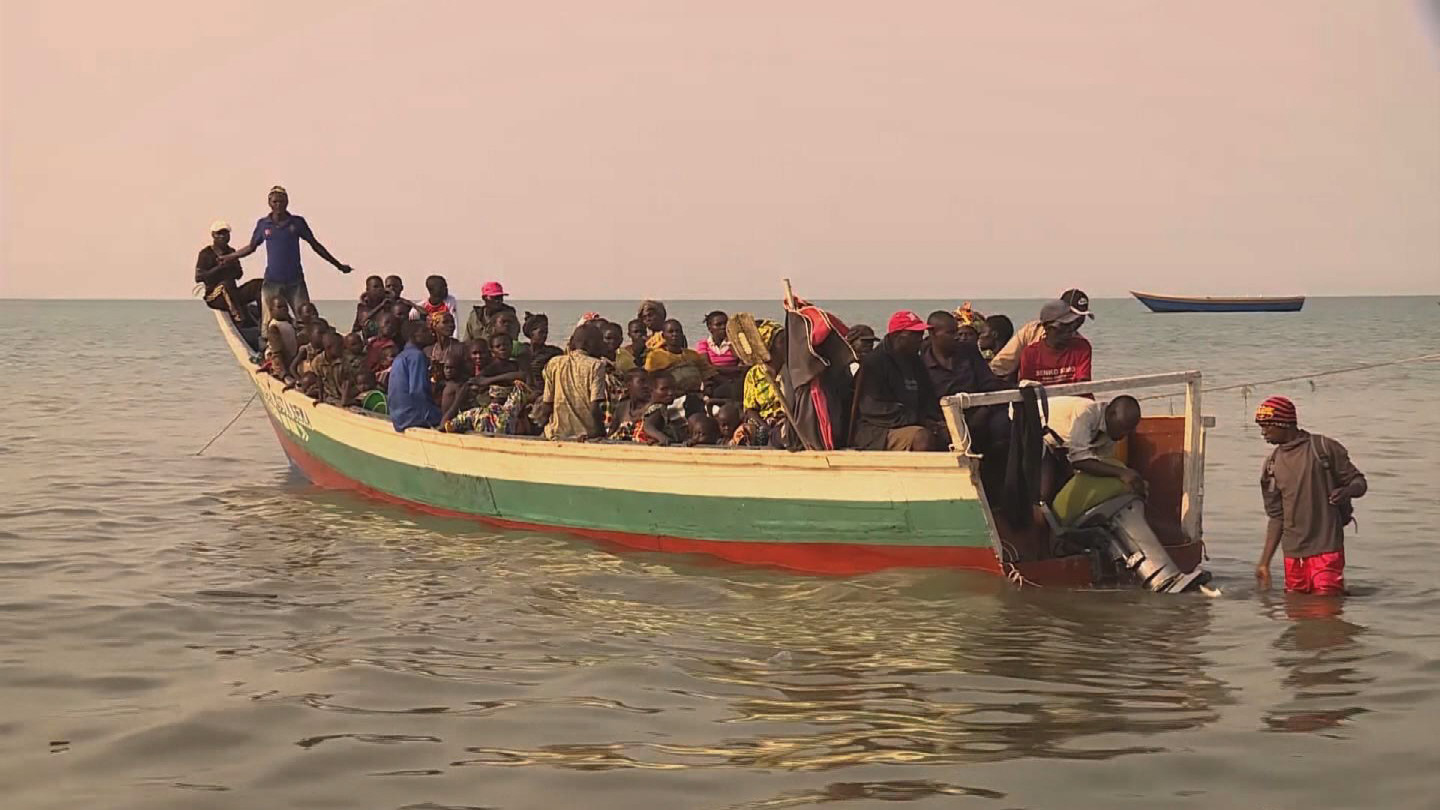
Uganda has offered a safe haven to thousands of people fleeing escalating violence in the eastern Democratic Republic of the Congo (DRC). They have been stranded in a remote, inaccessible area since late May, unable to cross due to a COVID-19 lockdown restricting movement in and out of the country.
Following reports of thousands of people being stranded between the two countries, the Ugandan parliament agreed to temporarily open the two border crossing points in Zombo on humanitarian grounds so people could access life-saving assistance.
Uganda’s opening of its border amid the global COVID-19 pandemic is a symbol of solidarity and shows ways to manage border restrictions while maintaining open asylum spaces.
The UN refugee agency (UNHCR) said it was working with the Government of Uganda and partners to make sure humanitarian assistance, including food and shelter will be available. The agency said it was also working with border security forces and the Ministry of Health to ensure screening, testing and response measures for COVID-19.
After initial screening, asylum seekers will be transported by UNHCR to an Institutional Quarantine Centre 13 kilometers from the border. Following the mandatory quarantine period of 14 days in line with health guidelines and protocols, they will be relocated to existing refugee settlements.
In Uganda, refugees and asylum seekers are included in the national surveillance, preparedness, and response plans and activities.
As the impacts of the COVID-19 pandemic continue, UNHCR said the needs of refugees and local communities that host them continue to grow and put increased pressure on already overstretched resources. The pandemic came at the same time as a 30 percent food ration-cut for refugees and severe gaps in education, child protection and mental health and psychosocial support due to existing funding shortfalls.
Download
There is no media available to download.