Media Home
 UN Web TV
 UN Audiovisual Library
 UN Photo
Unifeed
YEMEN / FOOD INSECURITY
STORY: YEMEN / FOOD INSECURITY
TRT: 2:44
SOURCE: WFP
RESTRICTIONS: PLEASE CREDIT WFP ON SCREEN
LAGUAGE: ARABIC /NATS
DATELINE: JUNE-JULY 2020, SANAA/ADEN, YEMEN
15 JULY 2020, SANAA, YEMEN
1. Various shots, vehicles queueing for gas
30 APRIL 2020, TAIZ, YEMEN
2. Med shot, Saeed’s child in backyard with goats
3. Med shot, Saeed looking from doorstep
4. Various shots, Saeed with his 14-year-old disabled daughter Fatima
5. SOUNDBITE (Arabic) Saeed Ahmed, 61-year-old father of 13 children:
“I have two daughters with disabilities. I spent a lot of money to treat them, and I went to Sana’a to treat them after an association helped me once. Each of them had three operations. I borrowed money for their medications and sold their mother’s gold for them. This daughter has a surgery on her brain. I spent two months with her in Sana’a so she could get the right medication. I left my family here alone.”
6. Tracking shot, Saeed walking
7. Med shot, Saeed disinfecting hands
8. Pan left, Saeed entering warehouse
9. Pan right, worker loading wheelbarrow with supplies for Saeed
10. Tracking shot, worker and Saeed going away with supplies
18 JUNE 2020, ADEN, YEMEN
11. Various shots, WFP airlifted 43 tons of lab supplies, ventilators, test kits, PCR machines and vital PPE
15 JULY 2020, SANAA, YEMEN
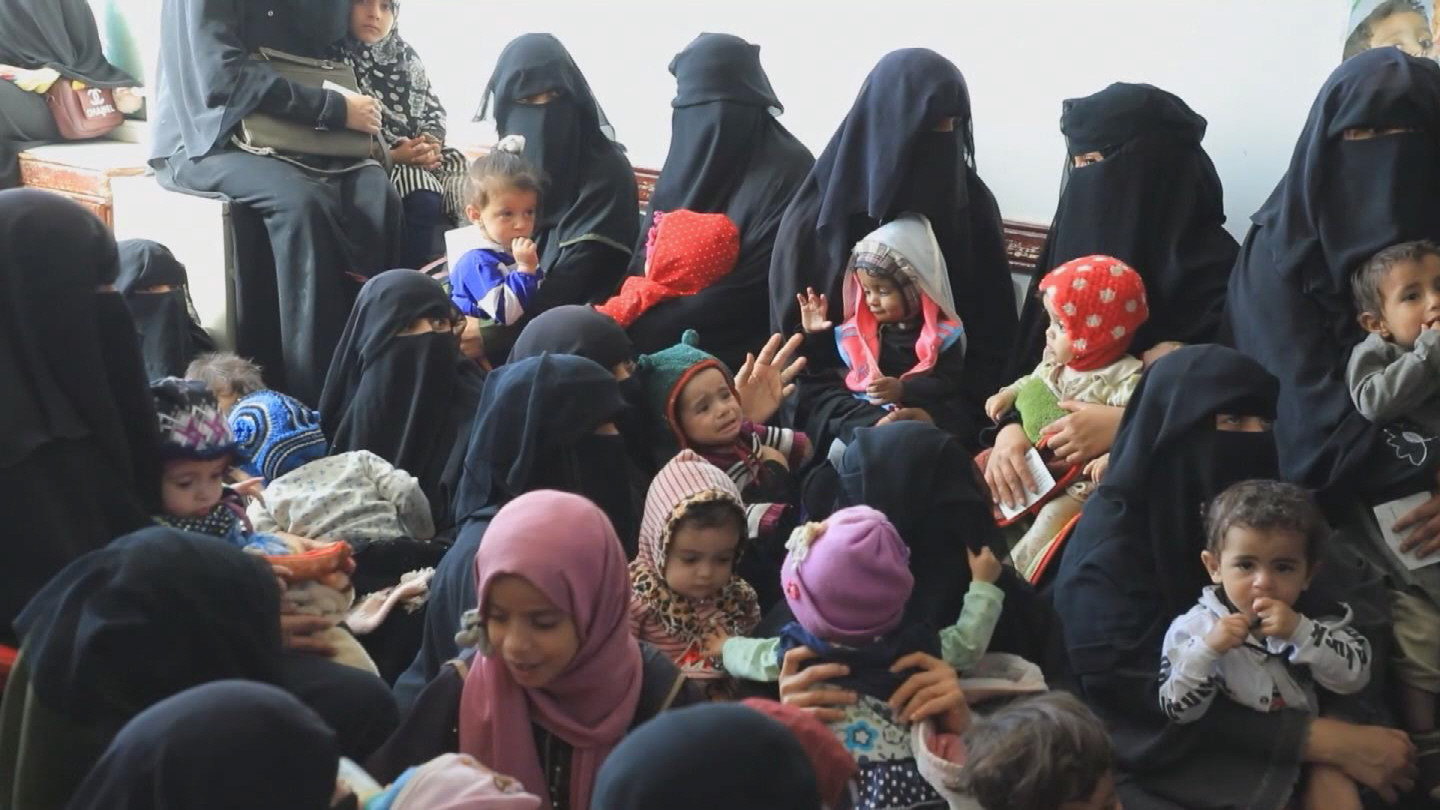
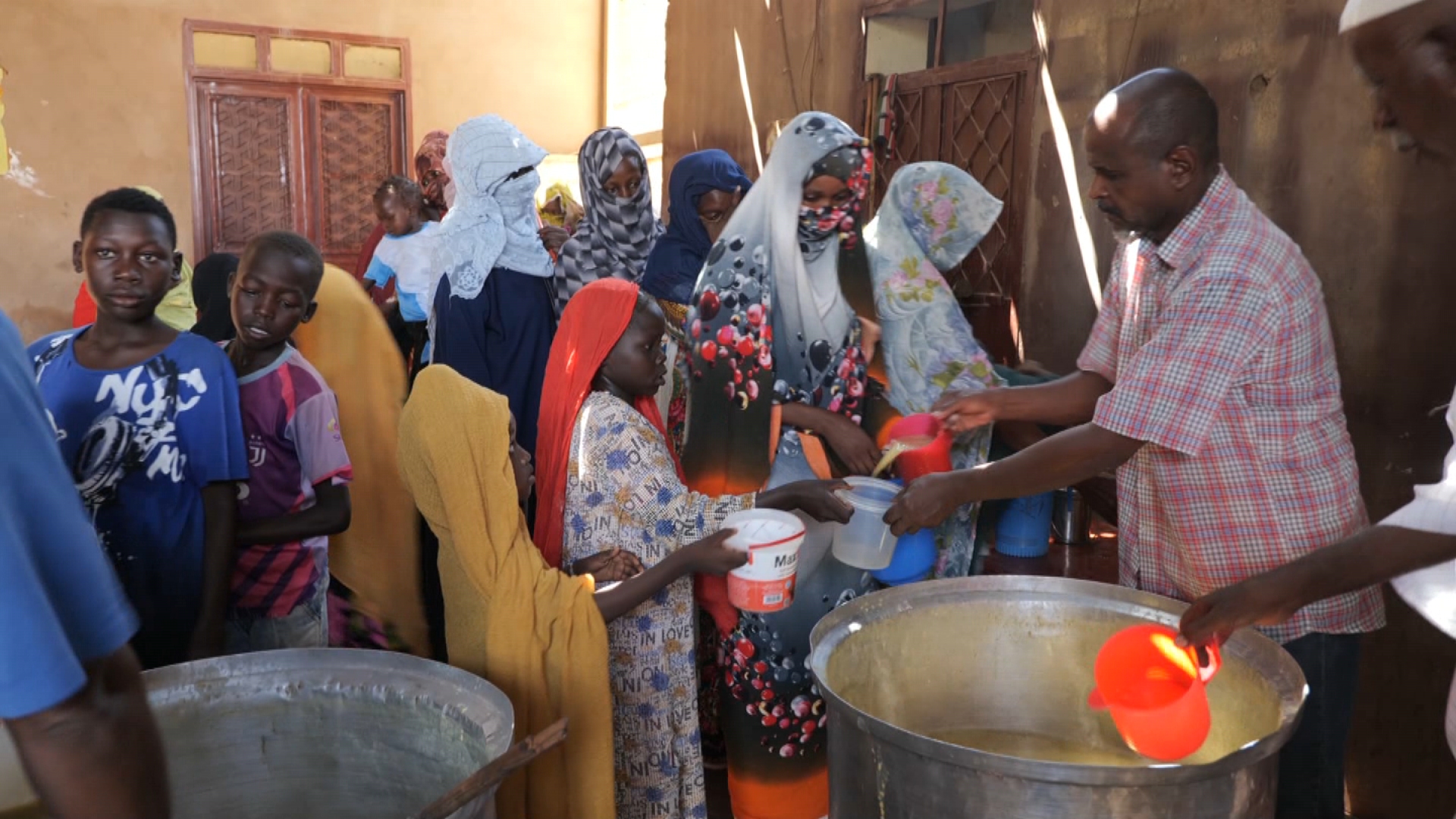
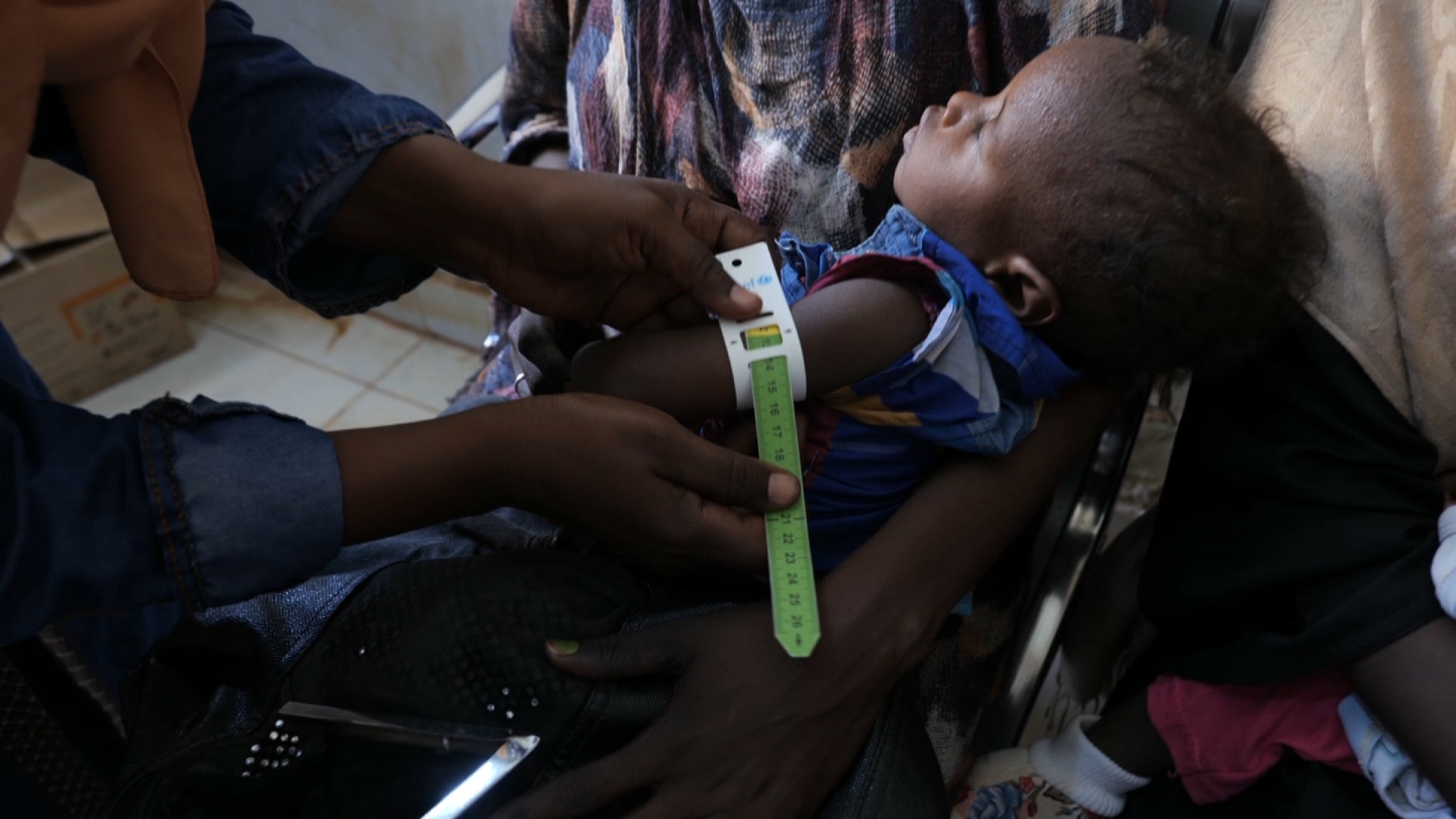
12. Various shots, children being tested for malnutrition at Al Rahabi Health center
13. Close up, nurse taking box special nutritional foods provided by WFP
14. Med shot, woman leaving with a box of special nutritional foods on her head
15. Close up, child eating from a special nutritional food pack
Queues at gas stations in Sana’a are so long that drivers spend several nights in their cars before reaching the station for a refill. When they get to the end of the line, the petrol supply may run out.
Saeed, 61, lives in Taiz with his 13 children. Before the war, Saeed was able to feed his family by selling a famous Yemeni dish called “Sahawiq” from a street stall he owned. He was poor but could get by, until an airstrike hit the area, injuring his right hand. Now, Saeed earns a small amount of money by grazing sheep, not nearly enough to support his family. Also, two of his daughters have disabilities.
SOUNDBITE (Arabic) Saeed Ahmed, 61-year-old father of 13 children:
“I have two daughters with disabilities. I spent a lot of money to treat them, and I went to Sana’a to treat them after an association helped me once. Each of them had three operations. I borrowed money for their medications and sold their mother’s gold for them. This daughter has a surgery on her brain. I spent two months with her in Sana’a so she could get the right medication. I left my family here alone.”
Saeed benefits from a food vouchers programme distributed by the WFP. The vouchers are redeemable for flour, pulses, oil, sugar and salt from local traders.
In June, the agency also airlifted a total of 43 tons of laboratory supplies, ventilators, test kits, PCR machines and vital PPE to fight COVID-19 in the war-ravaged country.
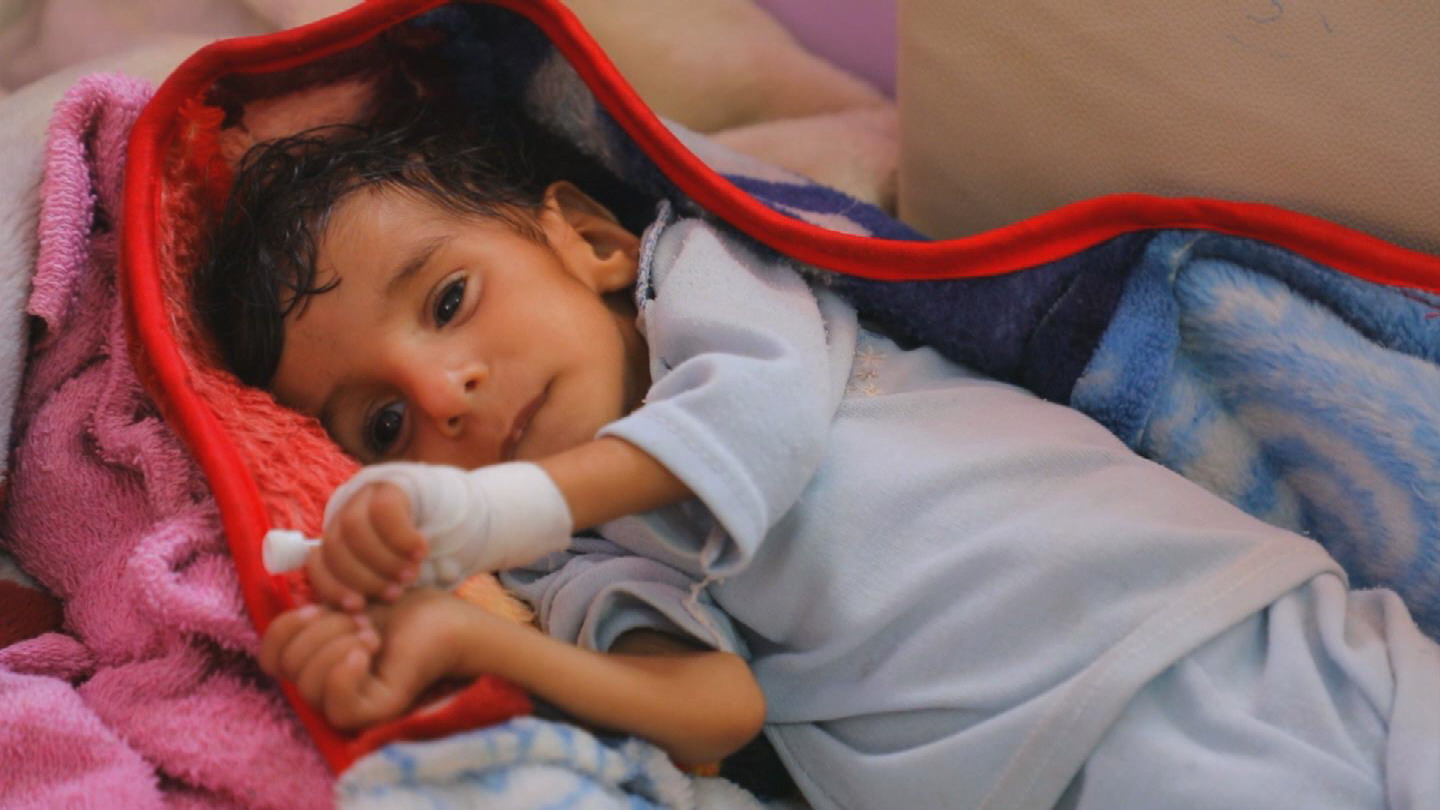
Out of the total population of 7.9 million people in the 133 districts analysed in the WFP study, two million were estimated to be highly food insecure (IPC Phase 3 and above) in the period from February to April 2020, representing 25 percent of the population analysed.
The IPC analysis estimates that in the period from July to December 2020, the population facing high levels of acute food insecurity (IPC Phase 3 and above) increases to 3.2 million people (40 percent of the analysed population) if humanitarian food assistance is kept at the current levels.
Although compared to the 2018/19 IPC results, this analysis (July – December 2020) shows an improvement with more than half a million people having transitioned to below IPC Phase 3, this was driven primarily by scale-up of humanitarian food assistance which increased by 47 percent in the same period. Given the fragility of Yemen, these gains could be reversed quickly if the level and scale of humanitarian assistance reduces or other significant shocks occur.
Food insecurity is high in areas characterized by active fighting, which leads to access restrictions that affect coverage of humanitarian food assistance, access to markets, and constant population displacements. The analysis shows that out of the 133 districts analysed, 16 are in Emergency (IPC Phase 4), 103 are in Crisis (IPC Phase 3) while the remainder are in Stressed (IPC Phase 2). In terms of severity, the 16 worst affected districts, classified in Emergency (IPC Phase 4), are located in eight governorates: Al Dhalee (3), Marib (3), Al Bayda (2), Shabwah (2), Abyan (2), Taizz (2), Al Jawf (1) and Hadramaut (1). In terms of magnitude, the governorates with the highest numbers of people in Crisis or worse (IPC Phase 3+) are Taizz (590,000), Lahj (487,500) and Hadramaut (465,500). Between the two periods of analysis, February to April and July to December, the increase in people in IPC Phase 3 (Crisis) and above is concentrated in the six governorates, representing 83 percent of the increase, that is, Abyan, Aden, Ad Dhalee, Hadramaut, Lahj and Taizz.
Download
There is no media available to download.