Media Home
 UN Web TV
 UN Audiovisual Library
 UN Photo
Unifeed
WHO / COVID-19 MENTAL HEALTH
STORY: WHO / COVID-19 MENTAL HEALTH
TRT: 3:30
SOURCE: WHO
RESTRICTIONS: NONE
LANGUAGE: ENGLISH /NATS
DATELINE: 2 OCTOBER 2020, GENEVA, SWITZERLAND
1. Pan left, WHOP Headquarters
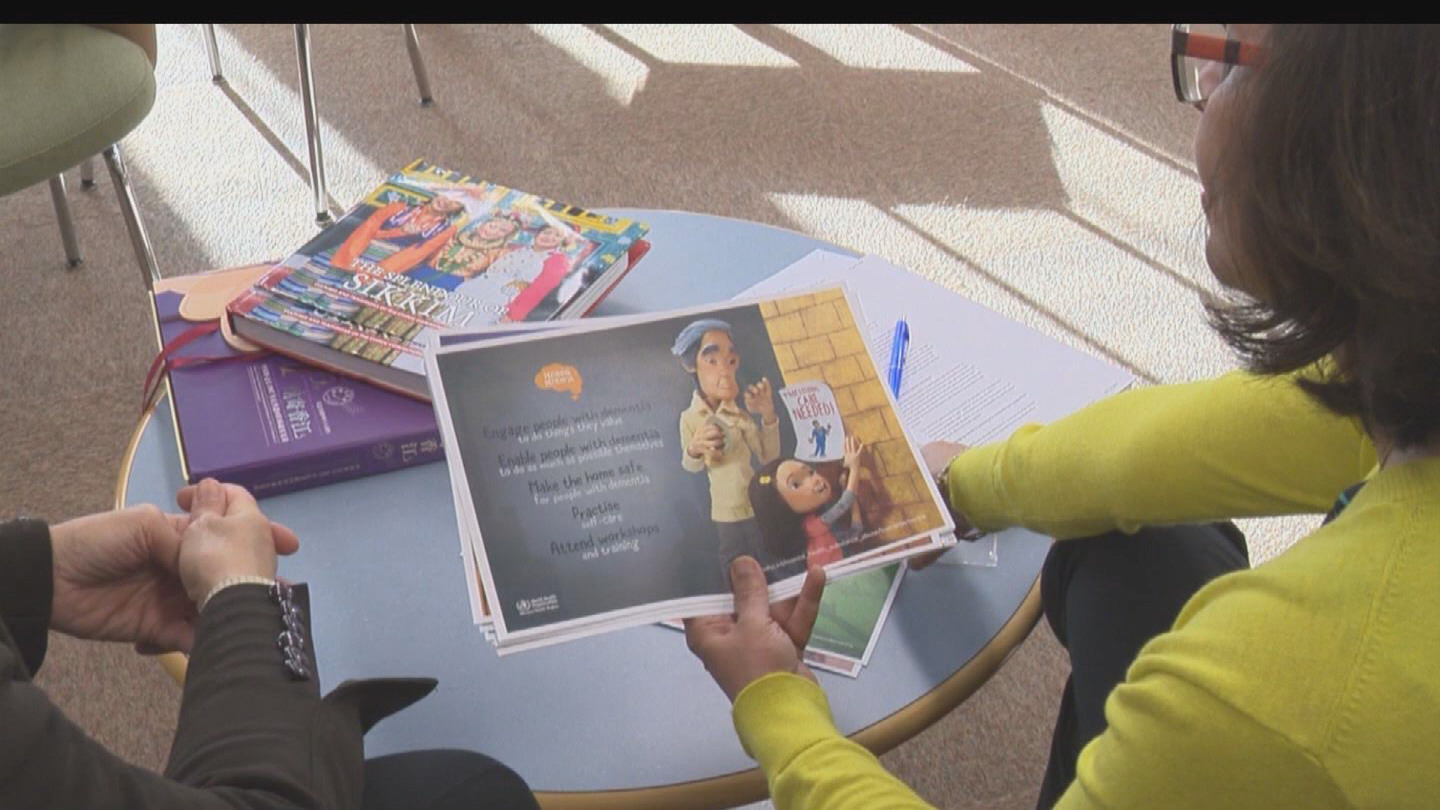
2. Wide shot, Dr Kestel with reporter
3. Close up, report in hands
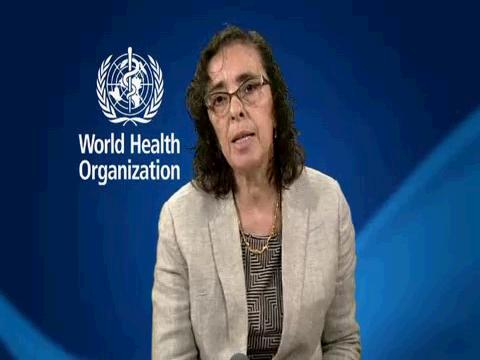
4. SOUNDBITE (English) Dr Devora Kestel, Director, Mental Health and Substance Use, WHO:
"The survey was run between June and August 2020. We submitted it to a focal point at ministry of health level and 130 countries responded to the survey. And through the questionnaire, we were assessing the existence and funding of mental health and psychosocial support plans as part of the response plan to COVID-19."
5. Wide shot, Dr Kestel with reporter
6. SOUNDBITE (English) Dr Devora Kestel, Director, Mental Health and Substance Use, WHO:
"The main findings were that 89% of countries have mental health and psychosocial support plans as part of the COVID-19 plan, but only 17% of them have funding to implement the activities."
7. Close up, report in hands
8. SOUNDBITE (English) Dr Devora Kestel, Director, Mental Health and Substance Use, WHO:
"It is important then that countries ensure proper investment to their mental health and psychosocial plans that are already available in order to make services ready to answer to the need of the population. It may be through establishing the basic services following the guidelines that we have already made available. It may be by implementing alternative services if the traditional ones are not possible due to the safe measures needed. The increase in funding is very important right now."
9. Wide shot, Dr Kestel with reporter
10. SOUNDBITE (English) Dr Devora Kestel, Director, Mental Health and Substance Use, WHO:
"We know that are the direct and indirect consequences of COVID-19 in the mental health of the population of countries affected by the pandemic. And, we expect the demand to increase for care of people with mental neurological and substance use disorders. We are then concerned that services should be available to answer to the needs of those people."
11. Wide shot, Dr Kestel with reporter
12. SOUNDBITE (English) Dr Devora Kestel, Director, Mental Health and Substance Use, WHO:
"It is also important that countries continue monitoring the situation specifically for the existence and availability of services for mental neurological and substance use disorders. We need to know what is happening in terms of services available, but also research of consequences of COVID-19 on this subject. We need to do that in order to be better prepared to answer to the needs."
13. Wide shot, exterior, WHO Headquarters
The COVID-19 pandemic has disrupted or halted critical mental health services in 93 percent of countries worldwide while the demand for mental health is increasing, according to a new WHO survey.
The survey of 130 countries provides the first global data showing the devastating impact of COVID-19 on access to mental health services and underscores the urgent need for increased funding.
"The survey was run between June and August 2020,” said Dr Devora Kestel, Director of the WHO’s Mental Health and Substance Use. “We submitted it to a focal point at ministry of health level and 130 countries responded to the survey. And through the questionnaire, we were assessing the existence and funding of mental health and psychosocial support plans as part of the response plan to COVID-19."
The survey was published ahead of WHO’s Big Event for Mental Health - a global online advocacy event on 10 October that will bring together world leaders, celebrities, and advocates to call for increased mental health investments in the wake of COVID-19.
SOUNDBITE (English) Dr Devora Kestel, Director, Mental Health and Substance Use, WHO:
"It is important then that countries ensure proper investment to their mental health and psychosocial plans that are already available in order to make services ready to answer to the need of the population. It may be through establishing the basic services following the guidelines that we have already made available. It may be by implementing alternative services if the traditional ones are not possible due to the safe measures needed. The increase in funding is very important right now."
WHO has previously highlighted the chronic underfunding of mental health: prior to the pandemic, countries were spending less than 2 percent of their national health budgets on mental health and struggling to meet their populations’ needs. And the pandemic is increasing demand for mental health services.
SOUNDBITE (English) Dr Devora Kestel, Director, Mental Health and Substance Use, WHO:
"We know that are the direct and indirect consequences of COVID-19 in the mental health of the population of countries affected by the pandemic. And, we expect the demand to increase for care of people with mental neurological and substance use disorders. We are then concerned that services should be available to answer to the needs of those people."
Bereavement, isolation, loss of income and fear are triggering mental health conditions or exacerbating existing ones. Many people may be facing increased levels of alcohol and drug use, insomnia, and anxiety. Meanwhile, COVID-19 itself can lead to neurological and mental complications, such as delirium, agitation, and stroke. People with pre-existing mental, neurological or substance use disorders are also more vulnerable to SARS-CoV-2 infection ̶ they may stand a higher risk of severe outcomes and even death.
Download
There is no media available to download.