Media Home
 UN Web TV
 UN Audiovisual Library
 UN Photo
Security Council
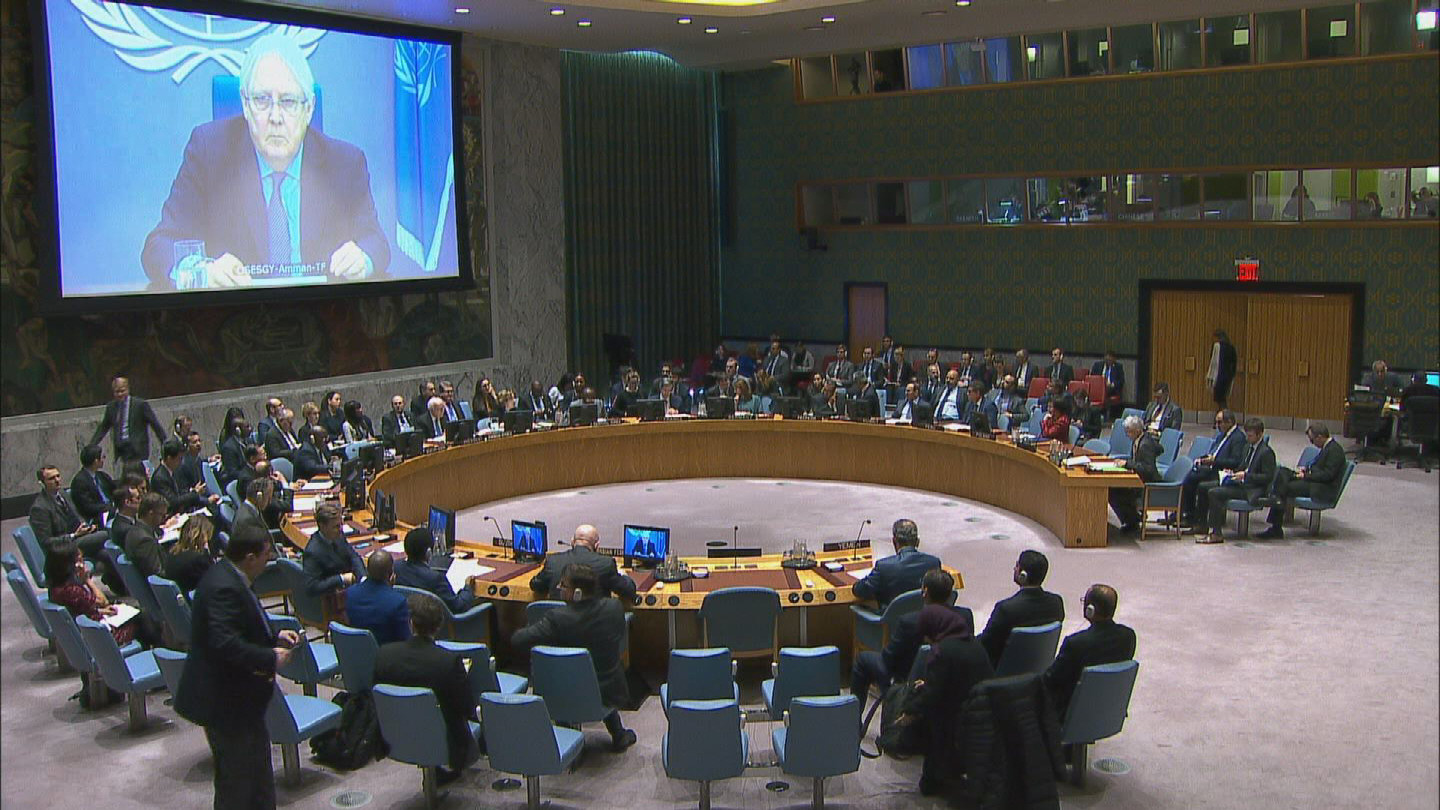
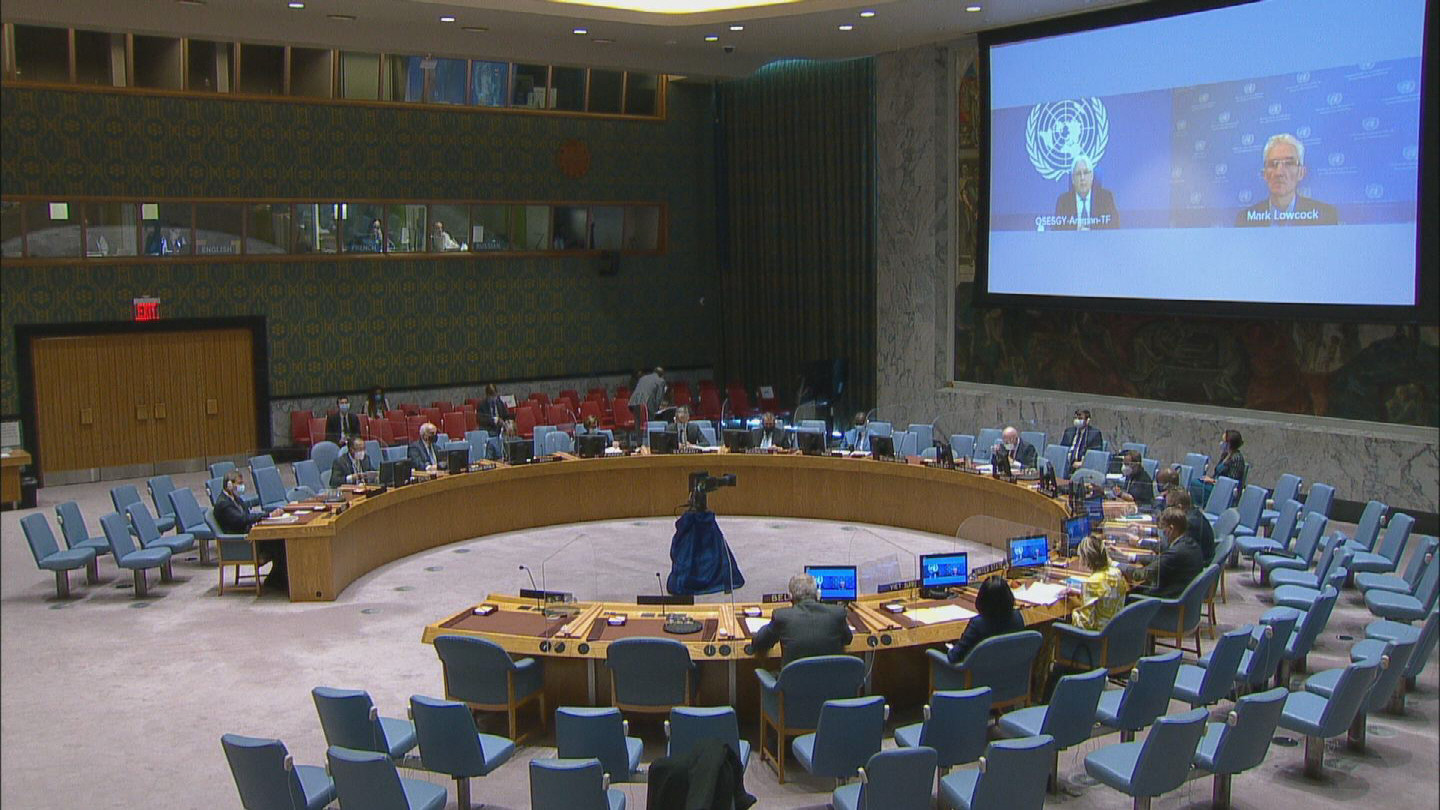
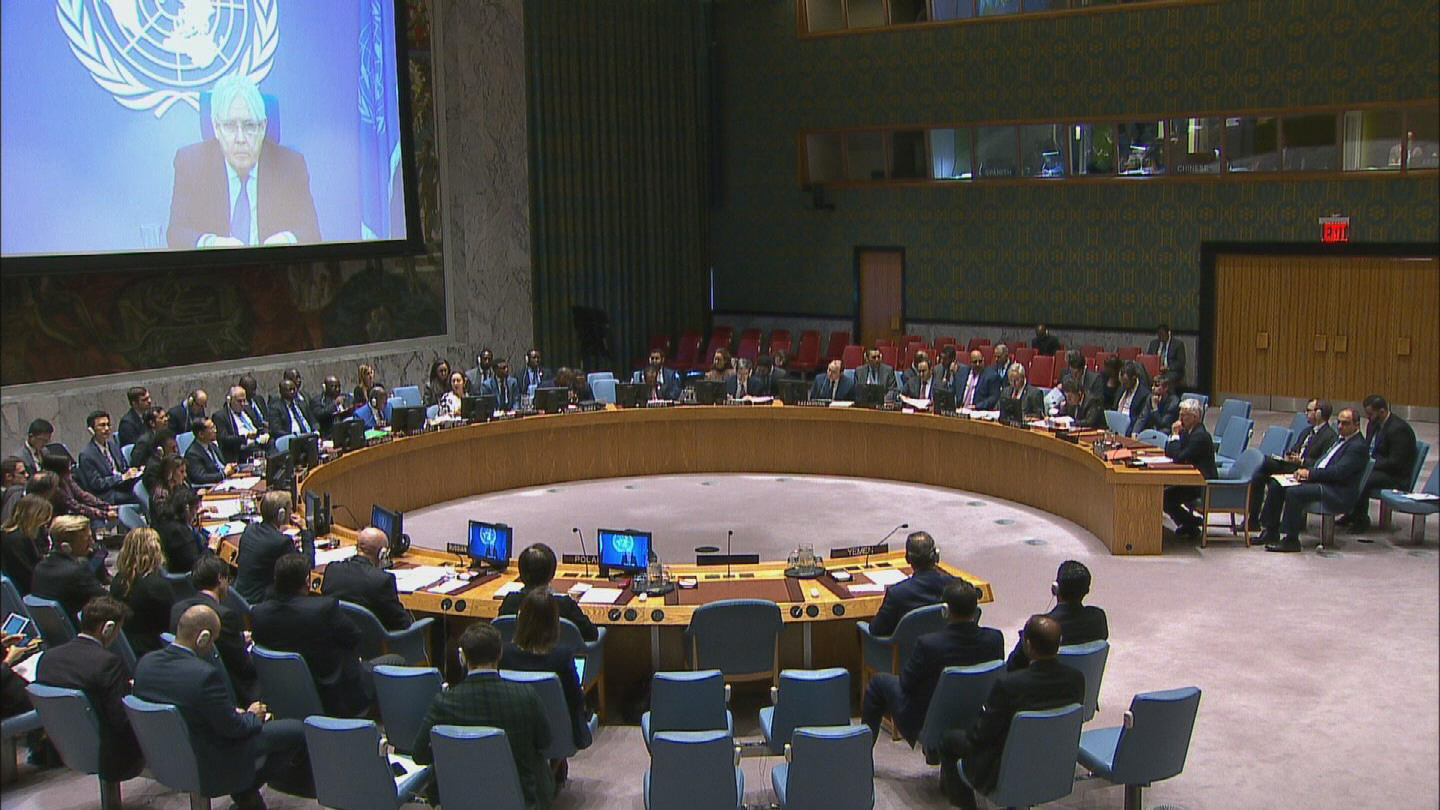
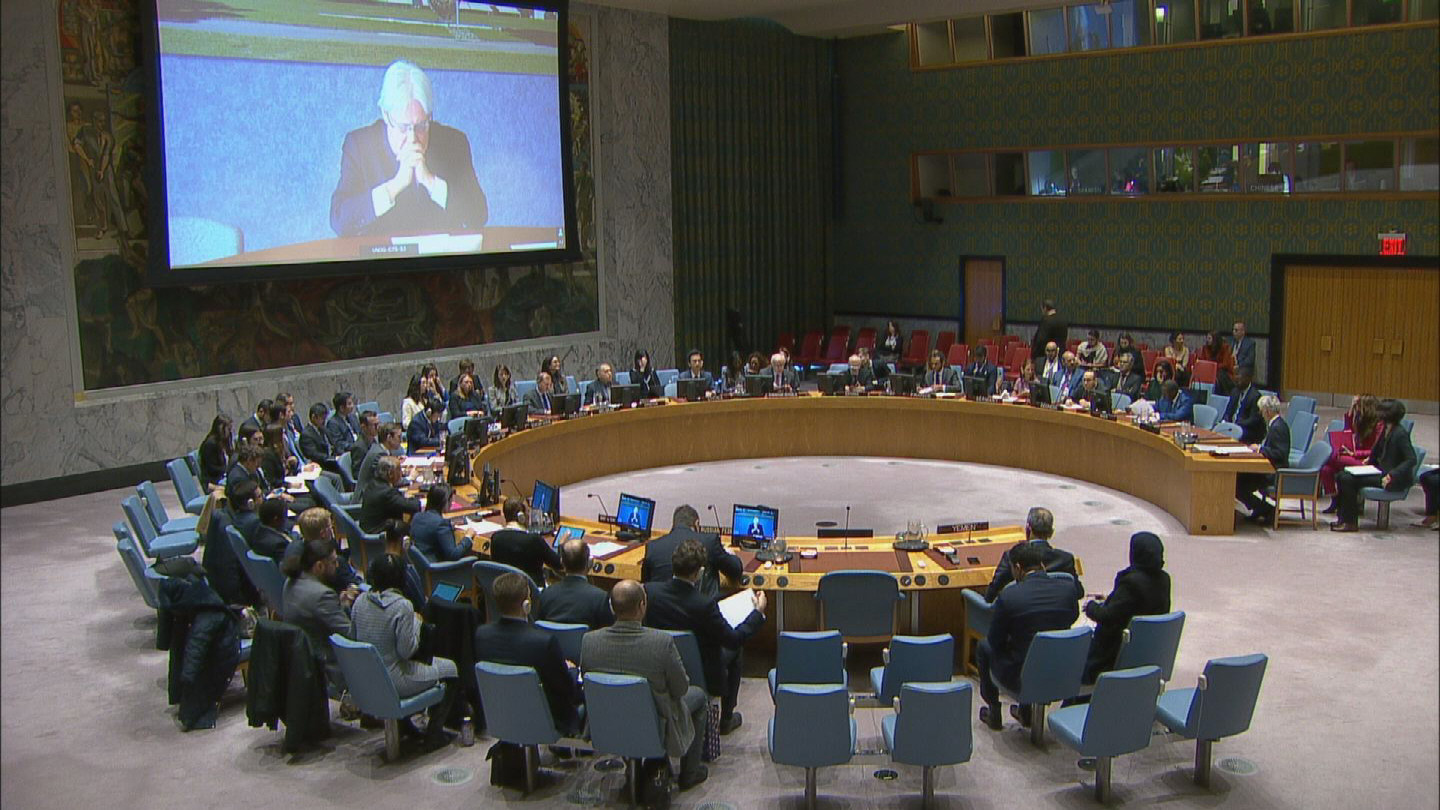
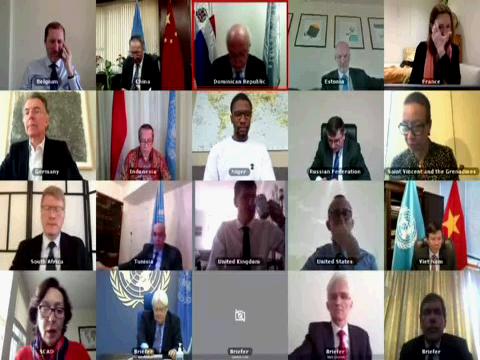
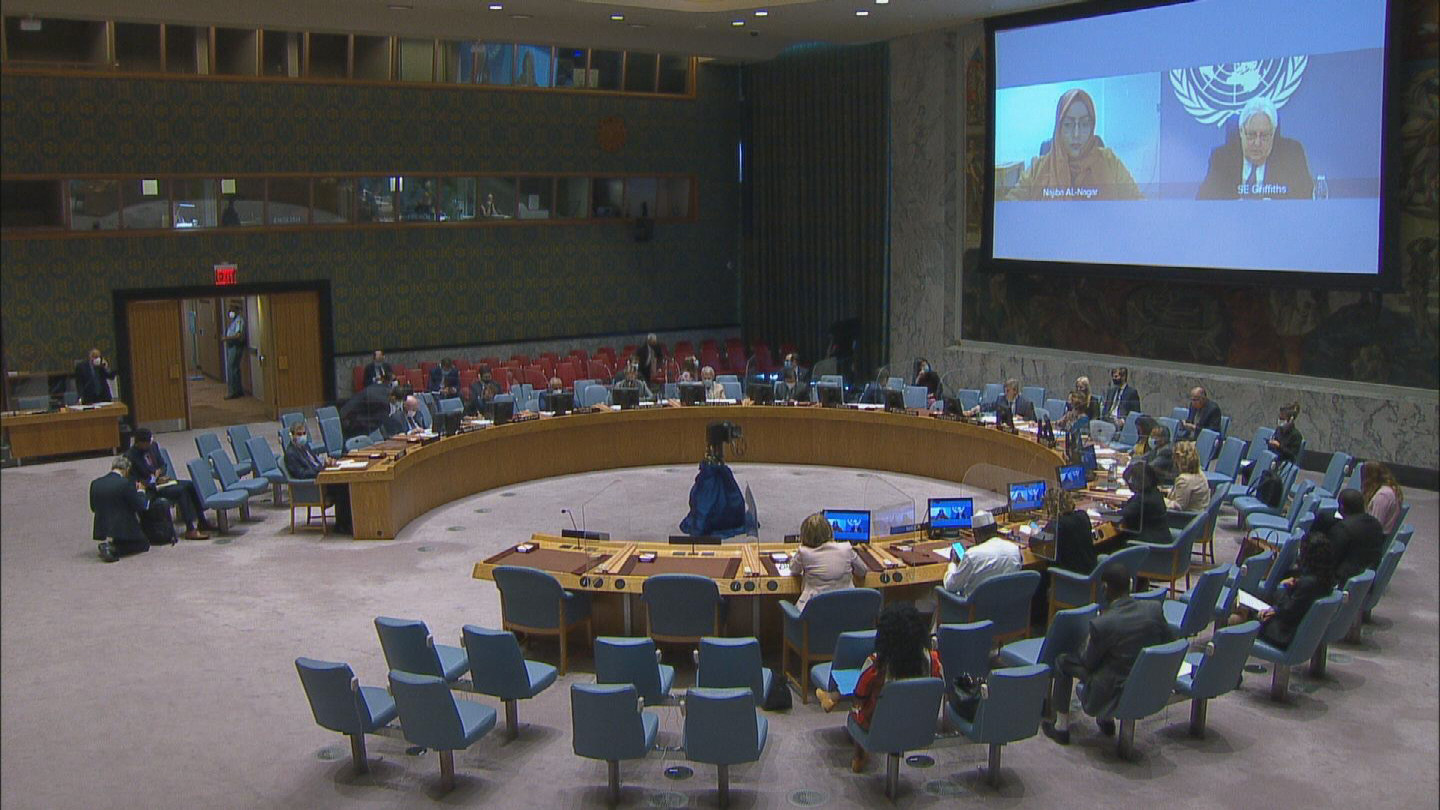
Situation in Middle East (Yemen) - 8770th Meeting of Security Council
Welcoming today’s large‑scale prisoner release in Yemen as “an airlift of hope” for ending the suffering caused by the long conflict in the country, speakers in the Security Council today called on the Government and Houthi rebels to build on that hope to stop the fighting and negotiate a lasting solution to the conflict.
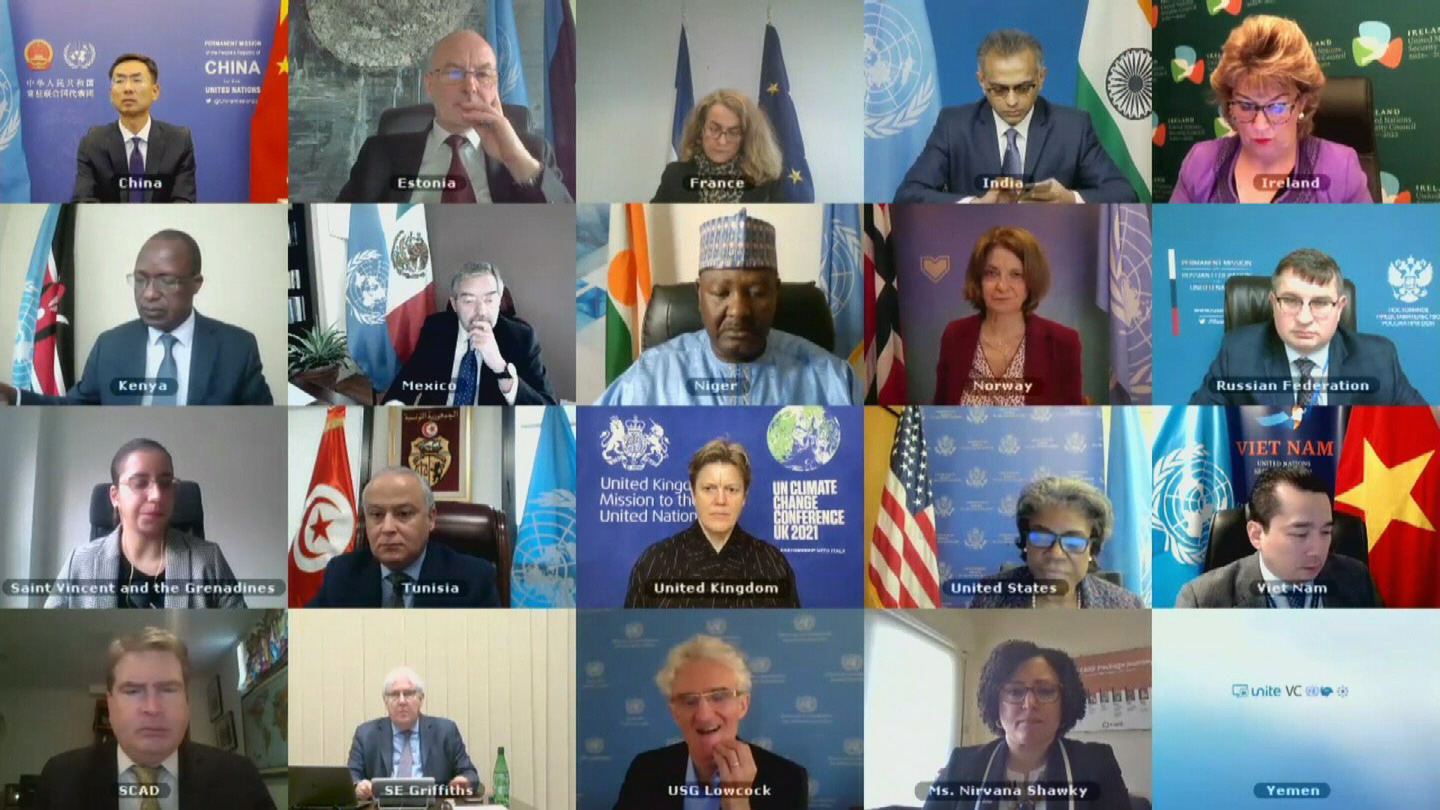
“An end to the shooting war and opening the gates of peace” was the ultimate goal called for by Martin Griffiths, Special Envoy for Yemen, in the monthly briefing on the situation. Also briefing today was Mark Lowcock, Under‑Secretary‑General for Humanitarian Affairs and Humanitarian Coordinator.
Mr. Griffiths, emphasizing the rarity of good news from Yemen, reported that over 1,000 prisoners were being released as agreed upon during September talks in Switzerland. He said that today’s events showed that dialogue between the parties can indeed pave the road to peace, urging them to agree on the Joint Declaration he was currently facilitating through shuttle diplomacy. He warned that peace becomes harder to achieve the longer a conflict lasts.
Pointing to a “tense but calm” situation in Ma’rib, where fighting had decreased recently and to high casualties from fighting in the south of Hudaydah, he called on the parties to immediately end clashes and shore up the Hudaydah Agreement, to allow access to a damaged tanker that threatened dangerous leaks and to facilitate humanitarian aid. Regretting that Yemenis risk their lives merely to continue their children’s education, he pled for stepped‑up action to resolve the situation peacefully.
In his briefing, Mr. Lowcock said, “Yemen needs a nationwide ceasefire – one that covers Ma’rib, Hudaydah and everywhere else”, noting that there are 47 active frontlines of fighting across Yemen – the most ever recorded. Nearly 150,000 people had fled the fighting this year and, despite Yemen’s hunger crisis, farms are attacked with alarming regularity, he reported.
All parties must take constant care to spare civilians and civilian objects throughout military operations and violators must be held to account, he said, welcoming the recent mandate renewal of the Group of Eminent Experts on Yemen to document violations and promote greater accountability. He reiterated calls to open all transportation infrastructure for aid, to end harassment of humanitarian workers and to ease bureaucratic obstacles to assistance.
Threats of a worsened hunger crisis have been exacerbated by high fuel prices and a plummeting exchange rate for Yemen’s currency, he said, calling for assistance in easing both those factors. In addition, he noted that only 42 per cent of the Yemen Humanitarian Response Plan is funded. “The window to prevent famine is closing,” he warned, calling upon donors to honour unfulfilled pledges.
Following those briefings, Council members expressed strong support to the Special Envoy and the Humanitarian Coordinator. Welcoming the prisoner release agreement, speakers affirmed that it represents a positive dynamic of which the parties must take advantage in order to end the devastating conflict, starting with an agreement on the Joint Declaration and implementation of the Hudaydah Agreement, as well as ceasefires in all conflict zones.
Most speakers called for significant participation of women in the peace process and access to the disabled tanker. Underlining the dire humanitarian situation, they also called for unimpeded humanitarian access, support to alleviate high oil and food prices and greater contributions from humanitarian donors.
The representative of the United Kingdom called on Iran to cease military support to the Houthis and to instead help facilitate peace. Echoing that call, his counterpart from the United States said that such support is well documented and includes supplies of arms, defying Security Council sanctions, and must stop.
The speaker for the Russian Federation, Council President for October, speaking in her national capacity, said the situation in Yemen has a direct bearing on the wider Middle East region, reiterating Moscow’s call for the establishment of a collective security architecture for the Persian Gulf.
South Africa’s delegate called on all parties to the conflict to agree to a unified set of measures to counter the spread of COVID‑19, and to agree on confidence‑building steps such as the payment of civil servants, reopening of Sana’a airport and lifting of commercial import restrictions.
The speaker for Yemen said more international efforts are needed to end the Houthis’ Iranian‑led coup. His Government, he emphasized, continues to push forward efforts to end the devastating war, in line with the outcome of its national dialogue and relevant international agreements such as those of the Gulf Cooperation Council and Security Council resolution 2216 (2015). The Government has made a series of important compromises to that end, he added, but the Houthis “always come up with new conditions and preconditions” to the Government’s extended hand.
Reporting that Houthi fighters recently shelled an industrial complex in Hudaydah, with clear humanitarian repercussions, he called for the relocation of the United Nations Mission to Support the Hudaydah Agreement (UNMHA) to an area outside Houthi control. Responding to the statements that called on his Government as well as the Houthis to lift any impediments to humanitarian aid, he stressed his Government spares no effort to support its people without discrimination, even in areas controlled by Houthi militias.
Also speaking today were the representatives of Indonesia, China, Saint Vincent and the Grenadines, France, Dominican Republic, Viet Nam, Germany, Niger, Tunisia, Estonia and Belgium.
The meeting began at 10:26 a.m. and ended at 12:27 p.m.
For further details please see SOURCE below.
MEETINGS COVERAGE