Media Home
 UN Web TV
 UN Audiovisual Library
 UN Photo
Unifeed
UN / GUTERRES PRESSER
STORY: UN / GUTERRES PRESSER
TRT: 3:47
SOURCE: UNIFEED
RESTRICTIONS: NONE
LANGUAGE: ENGLISH / NATS
DATELINE: 28 JANUARY 2021, NEW YORK CITY
FILE - NEW YORK CITY
1. Wide shot, UN headquarters exterior
28 JANUARY 2021, NEW YORK CITY
2. Wide shot, journalists in press room
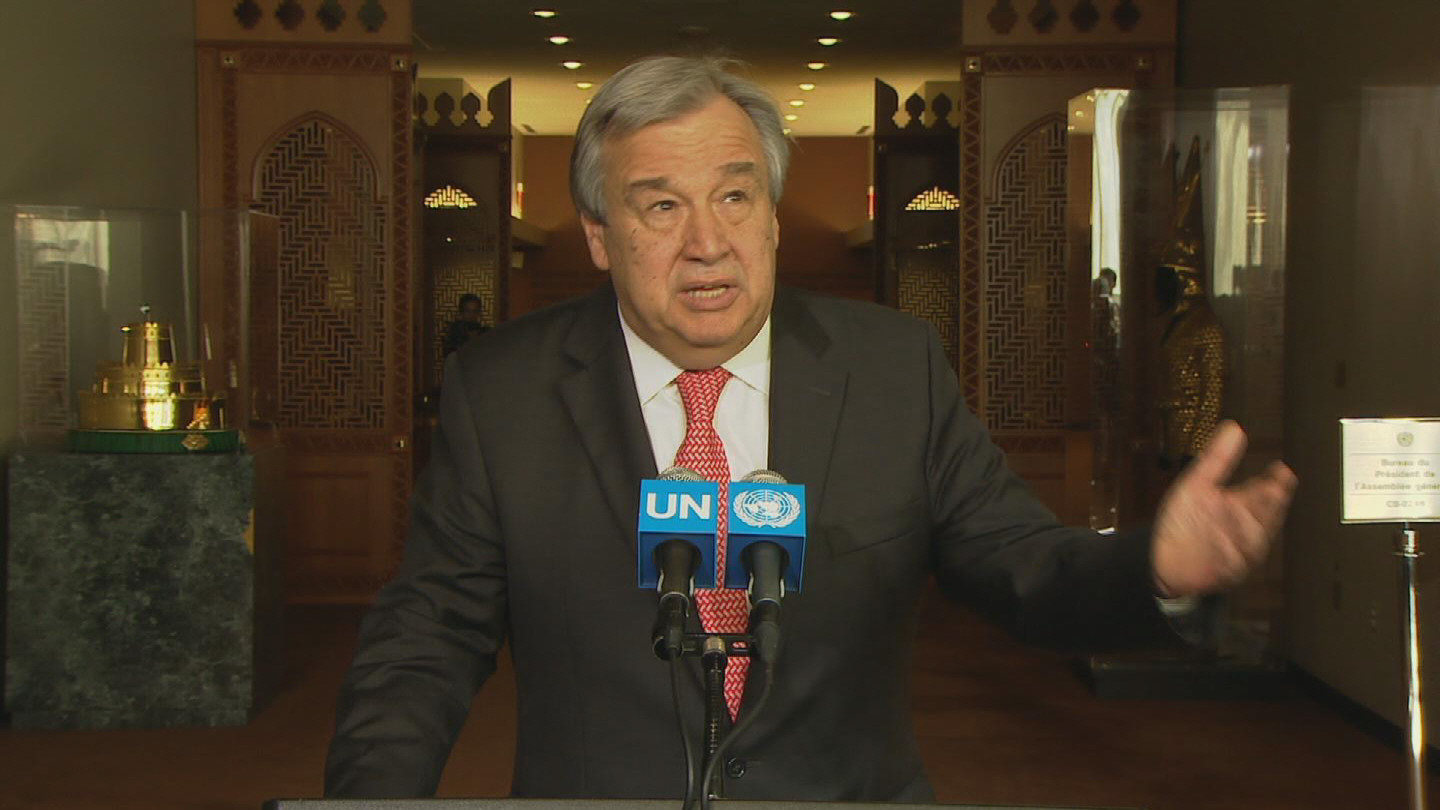
3. Wide shot, dais
4. SOUNDBITE (English) António Guterres, Secretary-General, United Nations:
“The global crisis triggered by COVID-19 is not some kind of Black Swan event. It was predictable and predicted. It is a symptom of neglect. A crisis was always coming – but the world was not prepared. Crisis provokes change. Our challenge during this pivotal year is to make sure the change goes deep enough. We must prioritize inequality, geopolitical divisions, widespread violations of human rights, the misuse of technology and the stagnation of the nuclear non-proliferation regime for urgent, coordinated global action. We need enhanced diplomacy for peace, and increased efforts for conflict prevention and resolution.”
5. Wide shot, journalists
6. SOUNDBITE (English) António Guterres, Secretary-General, United Nations:
“We must close the funding gap; ramp-up vaccine production by making licenses widely available and sharing technology; and get doses into the arms of all who need them – starting with health workers and those most at risk around the world. We need a global vaccination campaign to deal with a global pandemic.”
7. Wide shot, journalists
8. SOUNDBITE (English) António Guterres, Secretary-General, United Nations:
“The implications are clear. For a fast and full recovery, the developed world should not only share vaccines equitably; it should support developing economies by ensuring continued liquidity, including through the issuance of Special Drawing Rights, and expanding debt relief to all developing and Middle-income countries in need of it. We need a quantum leap in financing from all sources, including private creditors. This is not an act of charity. It is economic common sense.”
9.Wide shot, dais
10. SOUNDBITE (English) António Guterres, Secretary-General, United Nations:
“The central objective of the United Nations for 2021 is to build a global coalition for carbon neutrality by 2050. Every country, city, financial institution and company needs to adopt credible plans for transitioning to net zero emissions by 2050 and take decisive action now to put themselves on the right path.”
11. Wide shot, journalists
12. SOUNDBITE (English) António Guterres, Secretary-General, United Nations:
“Dear friends, we are at the start of a pivotal year for people and planet. We must use the recovery from COVID-19 to address global fragilities, strengthen global governance, and deliver global public goods. We have the chance of a reset. We must grasp it.”
13. Wide shot, dais
14. SOUNDBITE (English) António Guterres, Secretary-General, United Nations:
"I think that there were a number of policies in the past that were not in line with this multilateral approach to the solution of global problems. They are now being corrected by a number of measures announced and others that are expected, and of course we welcome those measures and we are ready to cooperate in their implementation."
15. Med shot, journalist asking question
16. SOUNDBITE (English) António Guterres, Secretary-General, United Nations:
"So, the Libyans are doing their part. It is essential that all the others that are involved in the Libyan crisis also do their part. And one thing that is crucial and my strong appeal is that all foreign troops and all former mercenaries should withdraw from Libya. There was a first-time framework that has been exhausted. There is the intention of the Libyans to have a second time frame. I hope that this one will be respected. It is essential that all foreign troops and all foreign mercenaries move first to Benghazi and to Tripoli, and from there, move back leave the Libyans alone; because the Libyans have already proven that left alone they are able to address their problems."
17. Wide shot, dais
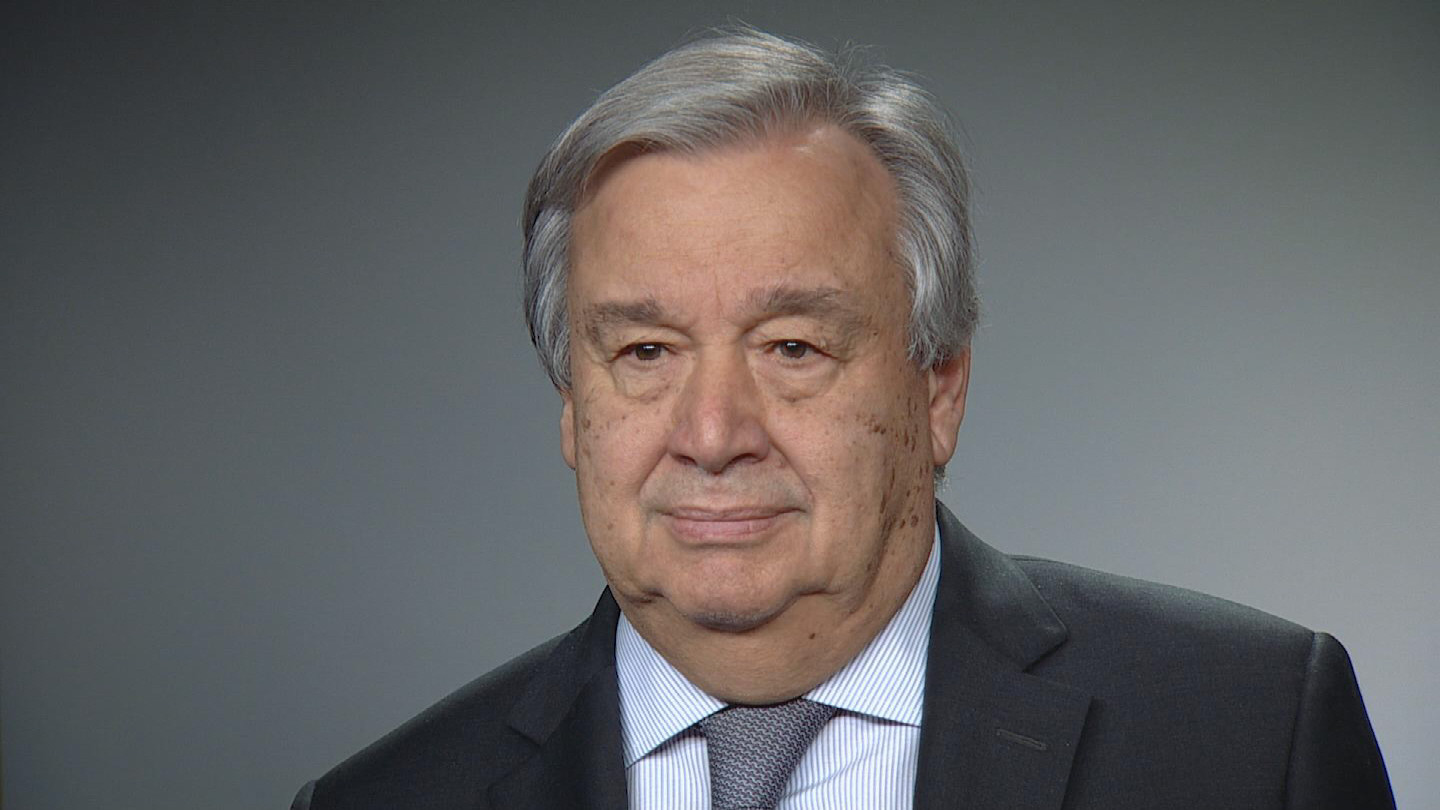
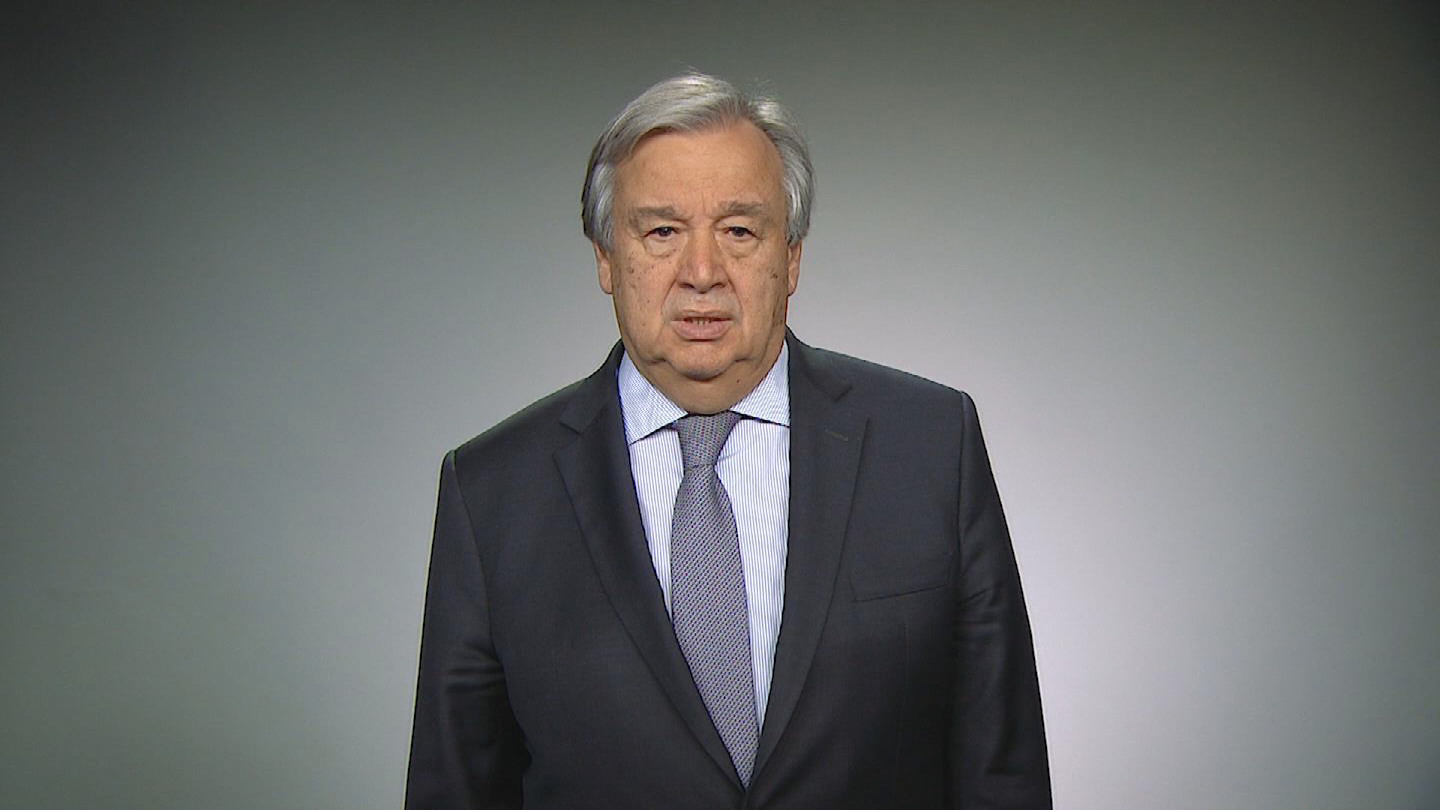
UN Secretary-General Antonio Guterres said the global crisis triggered by COVID-19 is “not some kind of Black Swan event” rather it was “predictable and predicted” and is “a symptom of neglect”, and stressed that the world’s challenge “during this pivotal year is to make sure the change goes deep enough.”
Speaking to reporters today (28 Jan) about his priorities for 2021, Guterres said a “crisis was always coming – but the world was not prepared,” adding that crisis provokes change and “our challenge during this pivotal year is to make sure the change goes deep enough.”
He said 2021 must be the year when the world is put back on track towards peace, stability and opportunity for all, because it is clear that we have lost our way.
Guterres the impact of that neglect is now starting to overwhelm and undermine the hard-won progress made.
Among the challenges the world faces, the UN chief said there are three global emergencies that demand immediate attention.
He said the the first was the distribution of vaccines as a global immunity gap puts everyone at risk.
He thanked the countries and organizations that are supporting COVAX and the ACT-Accelerator and welcome the United States’ announcement that it will join them. He said “We must close the funding gap; ramp-up vaccine production by making licenses widely available and sharing technology; and get doses into the arms of all who need them – starting with health workers and those most at risk around the world. We need a global vaccination campaign to deal with a global pandemic.”
Guterres also highlighted the urgent need for financial support for all countries that need it. He noted that while the pandemic continues to disrupt supply chains, developed economies will not make a full recovery. He underscored that for a fast and full recovery, the developed world should not only share vaccines equitably; it should support developing economies by ensuring continued liquidity, including through the issuance of Special Drawing Rights, and expanding debt relief to all developing and Middle-income countries in need of it. He added, “We need a quantum leap in financing from all sources, including private creditors. This is not an act of charity. It is economic common sense.”
Guterres also emphasized the need to address the climate crisis. He said the world had an opportunity to end its senseless war on nature and start the healing process. He said, “The central objective of the United Nations for 2021 is to build a global coalition for carbon neutrality by 2050. Every country, city, financial institution and company needs to adopt credible plans for transitioning to net zero emissions by 2050 and take decisive action now to put themselves on the right path.”
The Secretary-General added, “We are at the start of a pivotal year for people and planet. We must use the recovery from COVID-19 to address global fragilities, strengthen global governance, and deliver global public goods. We have the chance of a reset. We must grasp it.”
Asked about the new United States administration intention to resume a leadership role in global affairs, Guterres said it is normal for the world's largest economic and military power to want to have a leadership role, but what is important is that that role be carried out in an environment of international cooperation and through a multilateral approach to global challenges.
He added, “I think that there were a number of policies in the past that were not in line with this multilateral approach to the solution of global problems. They are now being corrected by a number of measures announced and others that are expected, and of course we welcome those measures and we are ready to cooperate in their implementation.”
Asked about the situation in Libya, the Secretary-General said it was very clear that the Libyans are making a remarkable effort to come together, with the ceasefire holding and progress being made on elections and transitional governance.
The UN chief said, "So, the Libyans are doing their part. It is essential that all the others that are involved in the Libyan crisis also do their part. And one thing that is crucial and my strong appeal is that all foreign troops and all former mercenaries should withdraw from Libya. There was a first-time framework that has been exhausted. There is the intention of the Libyans to have a second time frame. I hope that this one will be respected. It is essential that all foreign troops and all foreign mercenaries move first to Benghazi and to Tripoli, and from there, move back leave the Libyans alone; because the Libyans have already proven that left alone they are able to address their problems."
Download
There is no media available to download.