Media Home
 UN Web TV
 UN Audiovisual Library
 UN Photo
Unifeed
OCHA / SYRIAN CONFLICT 10 ANNIVERSARY
STORY: OCHA / SYRIAN CONFLICT 10 ANNIVERSARY
TRT: 2:21
SOURCE: OCHA
RESTRICTIONS: PLEASE CREDIT OCHA ON SCREEN
LANGUAGE: ARABIC / NATS
DATELINE: FILE – IDLIB GOVERNORATE / ALEPPO CITY, SYRIA
JANUARAY 2020 IDLIB GOVERNORATE, SYRIA
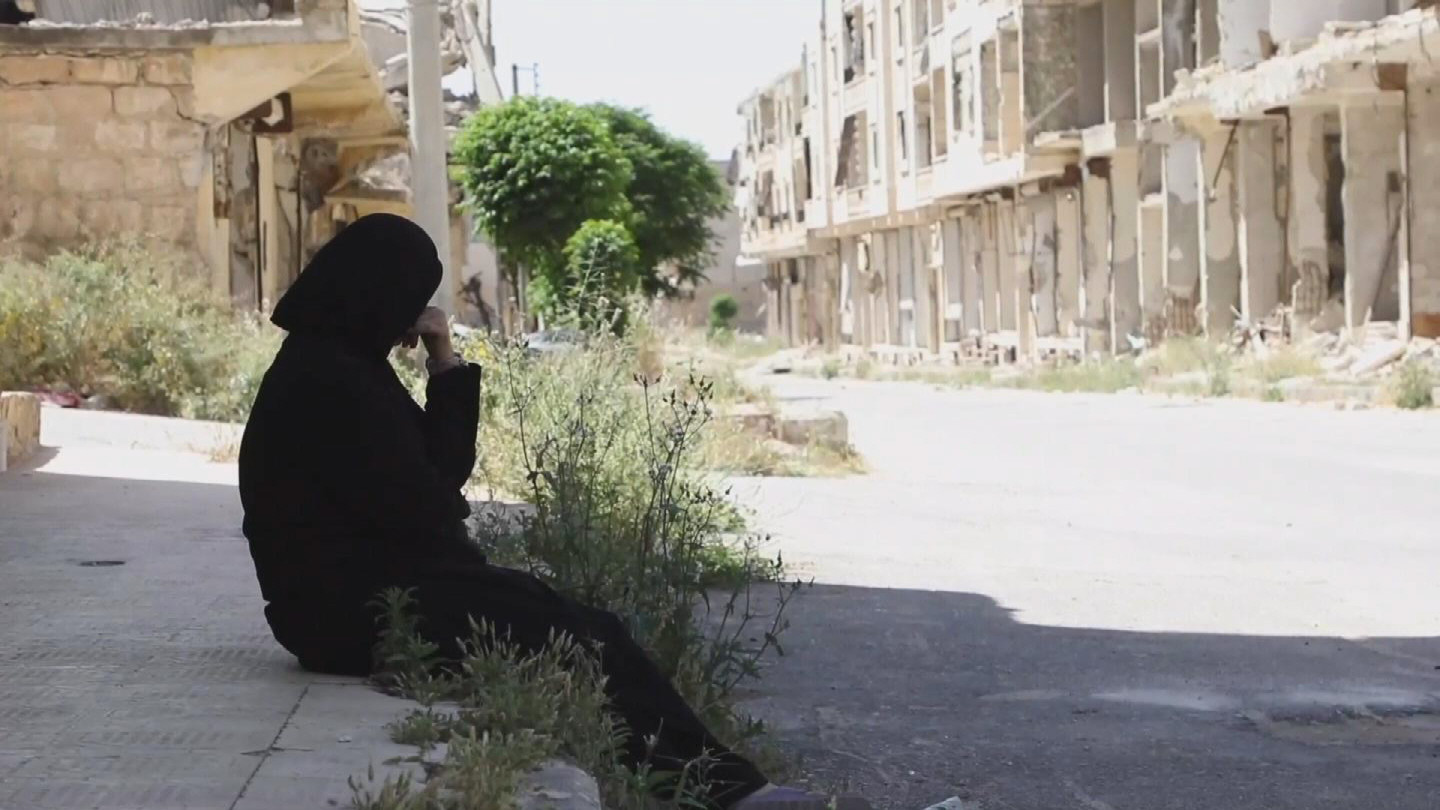
1. Aerial shots, destroyed buildings in Ariha
FEBRUARY 2020 IDLIB GOVERNORATE, SYRIA
2. Various shots, displaced people leaving Idlib province
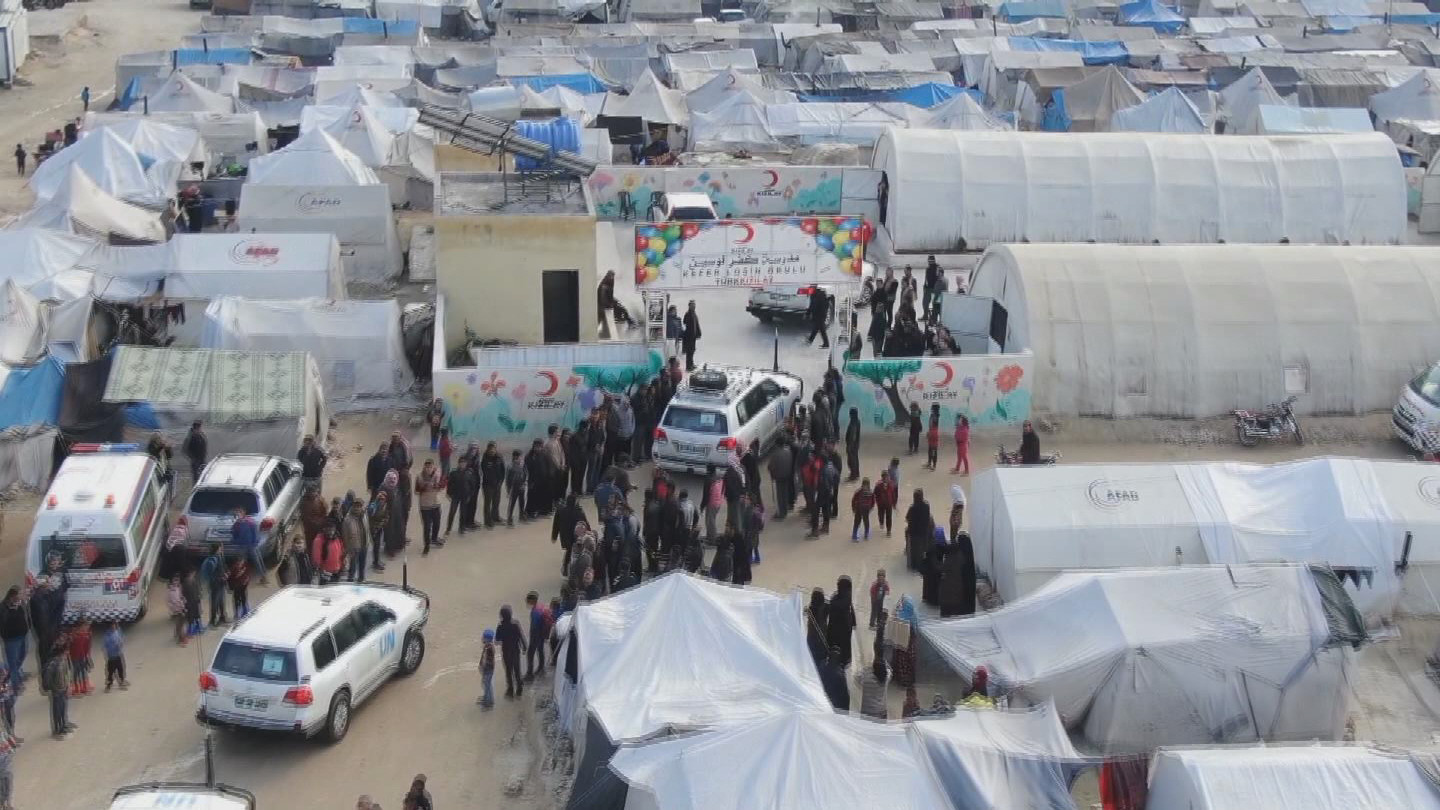
3. Various shots, camps for internally displaced people
1 APRIL 2020 IDLIB GOVERNORATE, SYRIA
4. Aerial shot, Barisha IDP camp
5. Various shots, Qusai Al-Khatib
6. SOUNDBITE (Arabic) Qusai Al-Khatib, displaced mother:
“I live in a single room with my children, and my daughter has two kids. We are nine people in one room. We are facing a lot of hardship in this place.”
7. Various shots, Qusai and children fetching water
8. SOUNDBITE (Arabic) Qusai Al-Khatib, displaced mother:
“I don’t know where this life is taking us. Where will we end up? Where are we going to go? Will we
one day return to our homes, or will we stay like this?”
MAY 2020, ALEPPO GOVERNORATE, SYRIA
9. Various shots, destruction in Hreitan
FEBRUARY 2020, ALEPPO CITY, SYRIA
10. Various shots, school rehabilitated with the support of the Syrian Humanitarian Fund
The UN humanitarian office (OCHA) said ten years into the Syria crisis, humanitarian needs are deepening.
Since the conflict began in 2011, hundreds of thousands of civilians have died as a result of the conflict. Today, over half the population have fled their homes, including 6.7 million people internally displaced in Syria, and 5.6 million registered refugees in neighbouring countries.
An estimated 13.4 million people need humanitarian assistance inside Syria, including 6.1 million children. Years of conflict have destroyed civilian infrastructure, with only 58 percent of public hospitals still functioning and one in three schools damaged or destroyed.
The current economic crisis and the spread of COVID-19 have further aggravated humanitarian needs with rising food insecurity and increased reliance on negative coping mechanisms for families just to survive.
Download
There is no media available to download.