Media Home
 UN Web TV
 UN Audiovisual Library
 UN Photo
Unifeed
WHO / DEMENTIA REPORT
STORY: WHO / DEMENTIA REPORT
TRT: 03:21
SOURCE: WHO
RESTRICTIONS: NONE
LANGUAGE: ENGLISH / NATS
DATELINE: 31 AUGUST 2021, GENEVA, SWITZERLAND
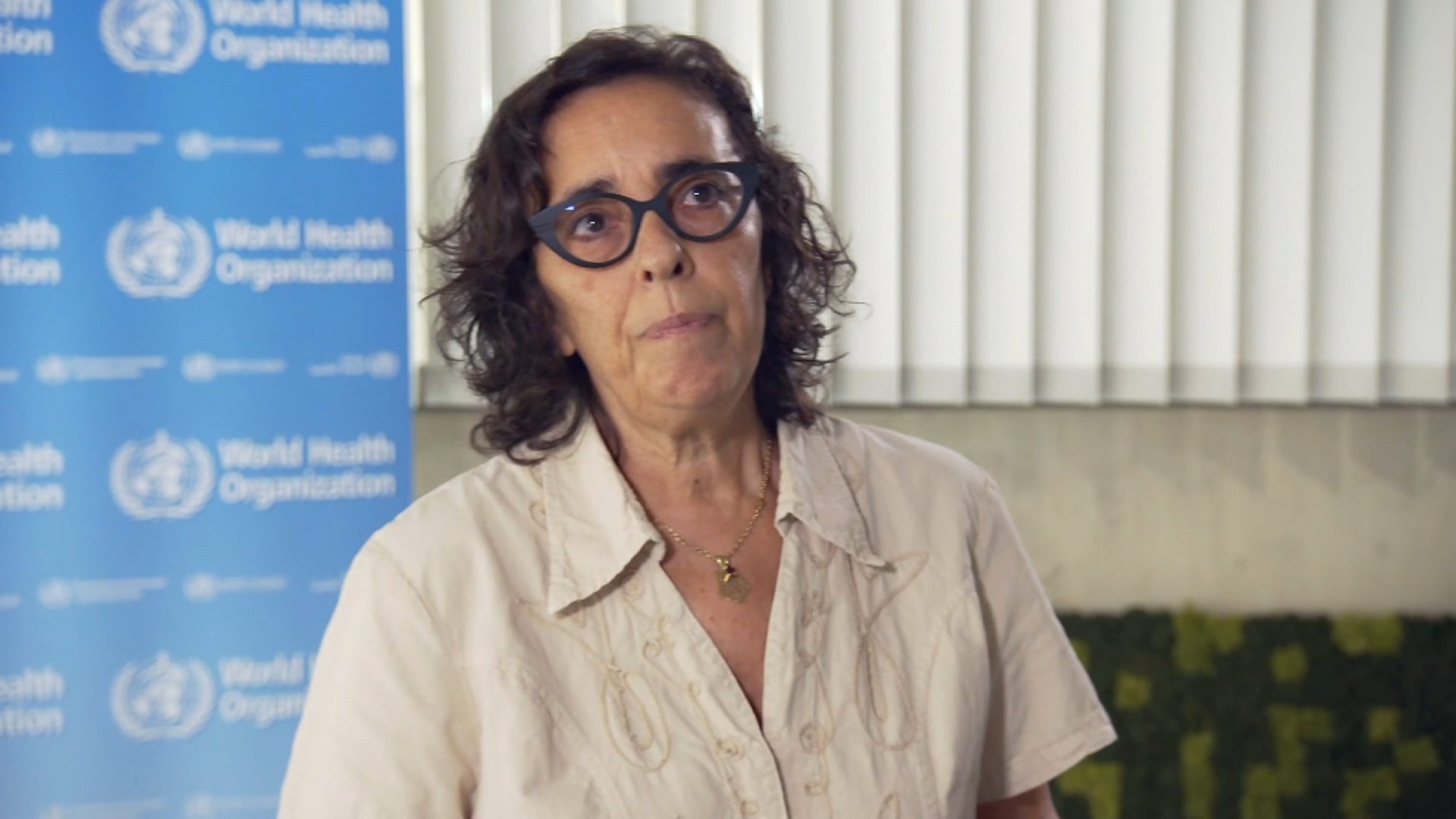
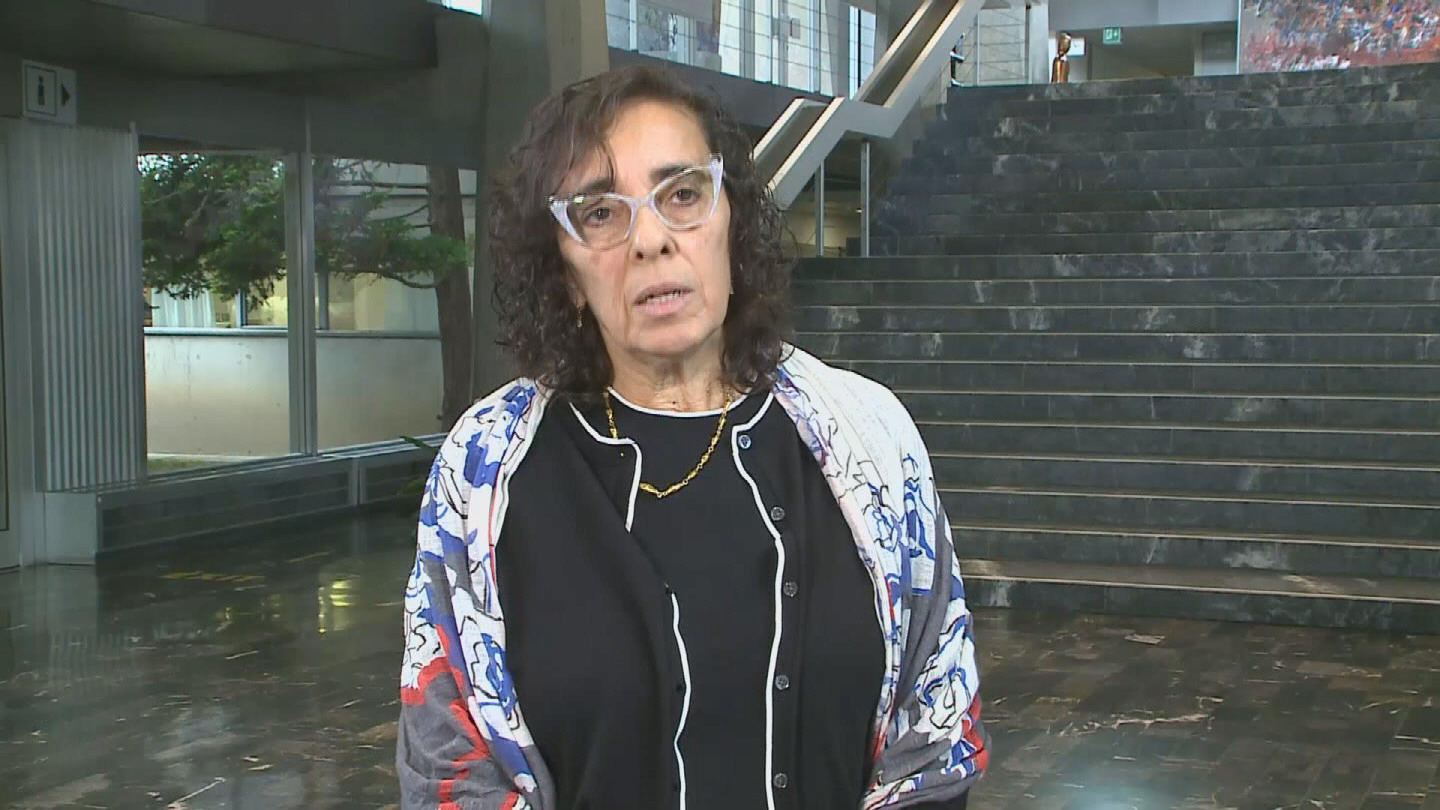
1. Wide shot, Dr Katrin Seeher, Technical officer at WHO’s Department of Mental Health and Substance Abuse speaking
2. SOUNDBITE (English) Dr Katrin Seeher, Technical officer, Department of Mental Health and Substance Abuse, World Health Organization (WHO):
“There're currently approximately fifty-five million people living with dementia worldwide and approximately 60 percent of them in low- and middle-income countries. The global status report on the public health response to dementia take stock of country driven actions since the adoption of the Global Dementia Action Plan in twenty seventeen. While we do see some promising progress in some areas, for example, dementia awareness raising, the report clearly shows that we do need to increase all our efforts across all areas if we want to stand a chance of reaching the dementia targets by 2025. And by that, I mean that at the moment, too few countries are prioritising dementia at national policy level. We do see that too many people with dementia and their carers don't have access to diagnosis and post diagnostic supports. We see that countries have too little information routinely available to monitor dementia. And dementia research needs to be better coordinated and involve countries of low and middle-income spectrum. That's what the report overall highlights and what we need to focus on in the next coming years.”
3. Pan left, close up of Dr Sheeher
4. SOUNDBITE (English) Dr Katrin Seeher, Technical officer, Department of Mental Health and Substance Abuse, World Health Organization (WHO):
“We do see that about 50 percent of dementia cost is due to informal care. In order to support people with dementia and their carers, the first and foremost important thing is really to give them a diagnosis as soon as possible and as accurately as possible. Yet we do see that access to diagnosis is not very common in many parts of the world. So, what we do need to do is improve or strengthen countries' health and social care systems so that they are better prepared to respond to the increasing demand of people with dementia. And that means, for example, training the workforce to better identify people with dementia and also support their caregivers of people with dementia.”
5. Close up, hands
6. SOUNDBITE (English) Dr Katrin Seeher, Technical officer, Department of Mental Health and Substance Abuse, World Health Organization (WHO):
“Approximately 40 percent of dementia cases could potentially be prevented through modifiable risk factors. That gives us quite a large window of opportunity to actually reduce our dementia risk. And by that, I mean everything that is good for your heart is also good for your brain. So concretely, that means being physically active, having a balanced diet, maintaining a healthy weight, not smoking, avoiding harmful use of alcohol, as well as treating conditions such as hypertension and diabetes are very important to protect our brains. Another cause of dementia are head injuries and that's why we should wear a helmet when we're riding our bikes or motorbikes.”
7. Wide shot, Seeher
Only a quarter of countries worldwide have a national policy, strategy or plan for supporting people with dementia and their families, according to the World Health Organization’s ‘Global status report on the public health response to dementia’, released today.
Half of these countries are in WHO’s European Region, with the remainder split between the other Regions. Yet even in Europe, many plans are expiring or have already expired, indicating a need for renewed commitment from governments.
SOUNDBITE (English) Dr Katrin Seeher, Technical officer, Department of Mental Health and Substance Abuse, World Health Organization (WHO):
“There're currently approximately fifty-five million people living with dementia worldwide and approximately 60 percent of them in low- and middle-income countries. The global status report on the public health response to dementia take stock of country driven actions since the adoption of the Global Dementia Action Plan in twenty seventeen. While we do see some promising progress in some areas, for example, dementia awareness raising, the report clearly shows that we do need to increase all our efforts across all areas if we want to stand a chance of reaching the dementia targets by 2025. And by that, I mean that at the moment, too few countries are prioritising dementia at national policy level. We do see that too many people with dementia and their carers don't have access to diagnosis and post diagnostic supports. We see that countries have too little information routinely available to monitor dementia. And dementia research needs to be better coordinated and involve countries of low and middle-income spectrum. That's what the report overall highlights and what we need to focus on in the next coming years.”
At the same time, the number of people living with dementia is growing according to the report: WHO estimates that more than 55 million people (8.1 percent of women and 5.4 percent of men over 65 years) are living with dementia. This number is estimated to rise to 78 million by 2030 and to 139 million by 2050.
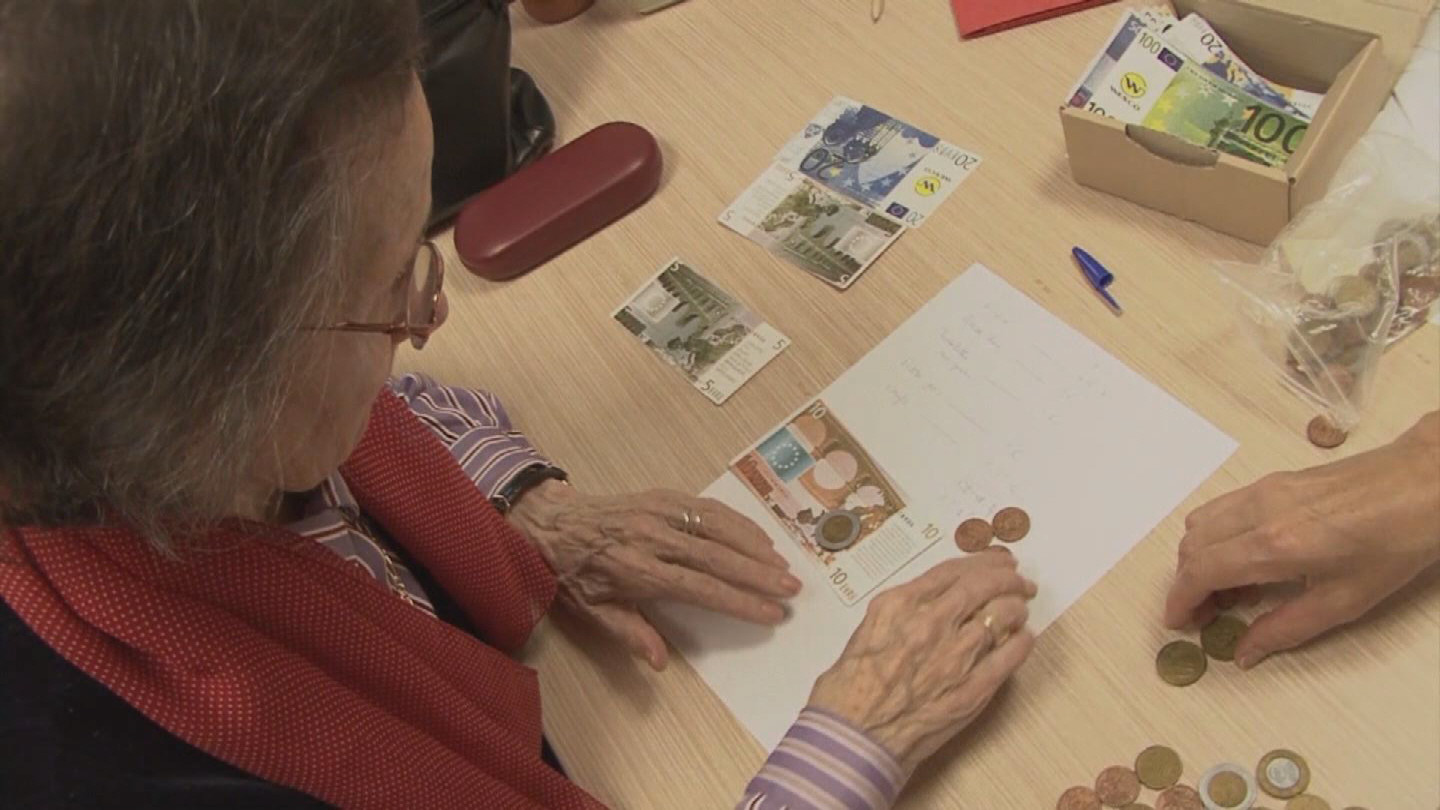
Dementia is caused by a variety of diseases and injuries that affect the brain, such as Alzheimer’s disease or stroke. It affects memory and other cognitive functions, as well as the ability to perform everyday tasks. The disability associated with dementia is a key driver of costs related to the condition. In 2019, the global cost of dementia was estimated to be US$ 1.3 trillion. The cost is projected to increase to US$ 1.7 trillion by 2030, or US$ 2.8 trillion if corrected for increases in care costs.
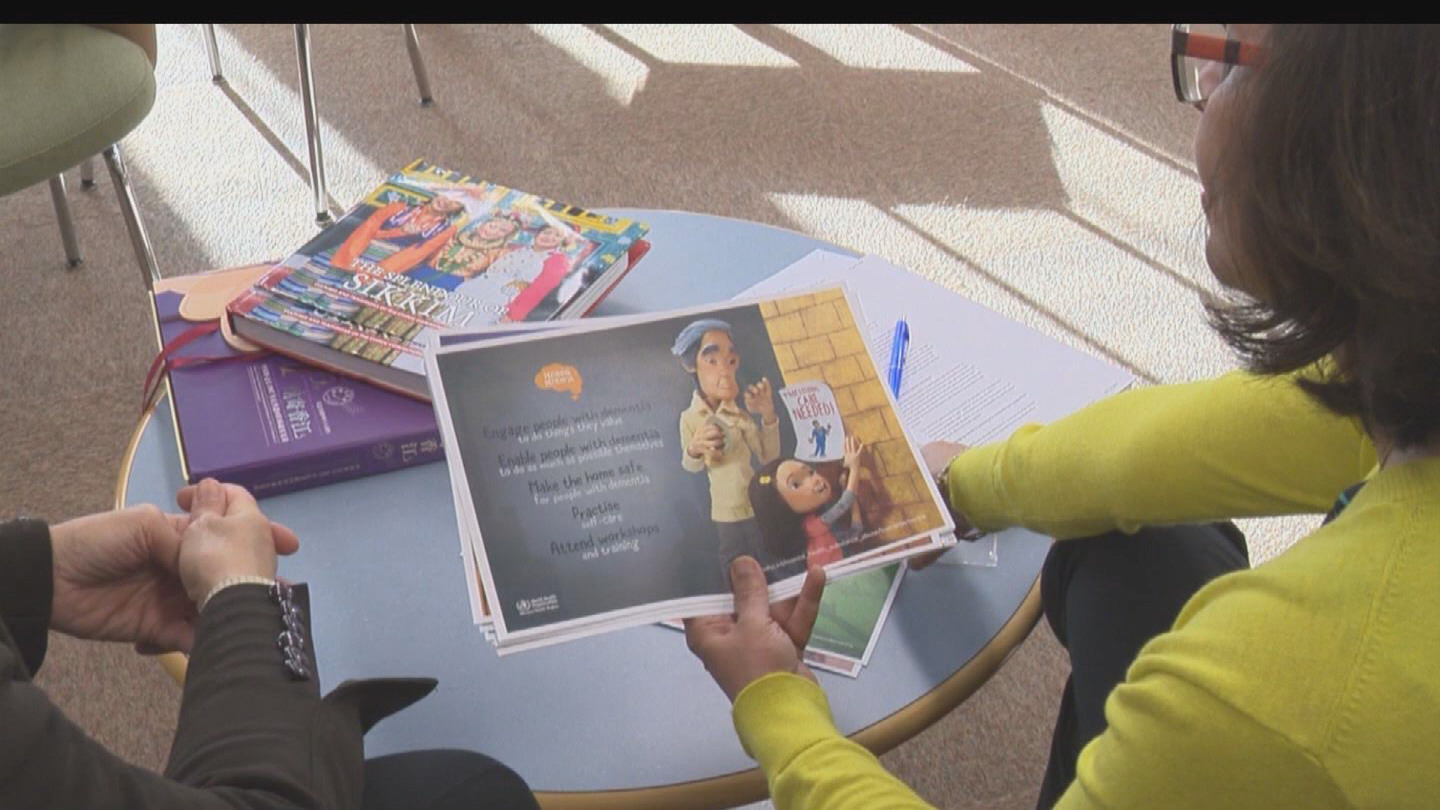
The report highlights the urgent need to strengthen support at national level, both in terms of care for people with dementia, and in support for the people who provide that care, in both formal and informal settings.
SOUNDBITE (English) Dr Katrin Seeher, Technical officer, Department of Mental Health and Substance Abuse, World Health Organization (WHO):
“We do see that about 50 percent of dementia cost is due to informal care. In order to support people with dementia and their carers, the first and foremost important thing is really to give them a diagnosis as soon as possible and as accurately as possible. Yet we do see that access to diagnosis is not very common in many parts of the world. So, what we do need to do is improve or strengthen countries' health and social care systems so that they are better prepared to respond to the increasing demand of people with dementia. And that means, for example, training the workforce to better identify people with dementia and also support their caregivers of people with dementia.”
Care required for people with dementia includes primary health care, specialist care, community-based services, rehabilitation, long-term care, and palliative care. While most countries (89 percent) reporting to WHO’s Global Dementia Observatory say they provide some community-based services for dementia, provision is higher in high-income countries than in low- and middle-income countries. Medication for dementia, hygiene products, assistive technologies and household adjustments are also more accessible in high-income countries, with a greater level of reimbursement, than in lower-income countries.
SOUNDBITE (English) Dr Katrin Seeher, Technical officer, Department of Mental Health and Substance Abuse, World Health Organization (WHO): “Approximately 40 percent of dementia cases could potentially be prevented through modifiable risk factors. That gives us quite a large window of opportunity to actually reduce our dementia risk. And by that, I mean everything that is good for your heart is also good for your brain. So concretely, that means being physically active, having a balanced diet, maintaining a healthy weight, not smoking, avoiding harmful use of alcohol, as well as treating conditions such as hypertension and diabetes are very important to protect our brains. Another cause of dementia are head injuries and that's why we should wear a helmet when we're riding our bikes or motorbikes.”
The type and level of services provided by the health and social care sectors also determines the level of informal care, which is primarily provided by family members. Informal care accounts for about half the global cost of dementia, while social care costs make up over a third. In low- and middle-income countries, most dementia care costs are attributable to informal care (65 percent). In richer countries informal and social care costs each amount to approximately 40%.
In 2019, caregivers spent on average five hours a day providing support for daily living to the person they were caring for with dementia; 70 percent of that care was provided by women. Given the financial, social and psychological stress faced by carers, access to information, training and services, as well as social and financial support, is particularly important. Currently, 75 percent of countries report that they offer some level of support for carers, although again, these are primarily high-income countries.
A series of unsuccessful clinical trials for treatments for dementia, combined with the high costs of research and development, led to declining interest in new efforts. There has, however, been a recent increase in dementia research funding, mainly in high-income countries such as Canada, the United Kingdom and the United States of America. The latter increased its annual investment in Alzheimer’s disease research from US$ 631 million in 2015 to an estimated US$ 2.8 billion in 2020.
More positively, countries in all regions have made good progress in implementing public awareness campaigns to improve public understanding of dementia, with strong leadership by civil society. Two-thirds of countries reporting to the Observatory have run awareness-raising campaigns. And two-thirds have taken action to improve the accessibility of physical and social environments for people with dementia and to provide training and education to population groups outside the health and social care sector, such as volunteers, police, fire services and first responders.
The ‘Global status report on the public health response to dementia’ takes stock of progress made to date towards the 2025 global targets for dementia laid out in the WHO’s ‘Global Dementia Action Plan’ published in 2017. It uses data from WHO’s Global Health Estimates 2019 and the Global Burden of Disease study 2019 as well as from WHO’s Global Dementia Observatory (GDO). So far, 62 countries have submitted data to the GDO, 56 percent of which are high-income and 44 percent low- and middle-income. Together, these countries represent 76 percent of people aged 60 years or older. Data are included on issues ranging from national policies and diagnosis, treatment and care, to support for carers and research and innovation.
Download
There is no media available to download.