Media Home
 UN Web TV
 UN Audiovisual Library
 UN Photo
Unifeed
UN / INDIGENOUS FORUM OPENING
STORY: UN / INDIGENOUS FORUM OPENING
TRT: 1:46
SOURCE: UNIFEED
RESTRICTIONS: NONE
LANGUAGE: ENGLISH / NATS
DATELINE: 25 APRIL 2022, NEW YORK CITY / FILE
RECENT – NEW YORK CITY
1. Wide shot, exterior, United Nations
25 APRIL 2022, NEW YORK CITY
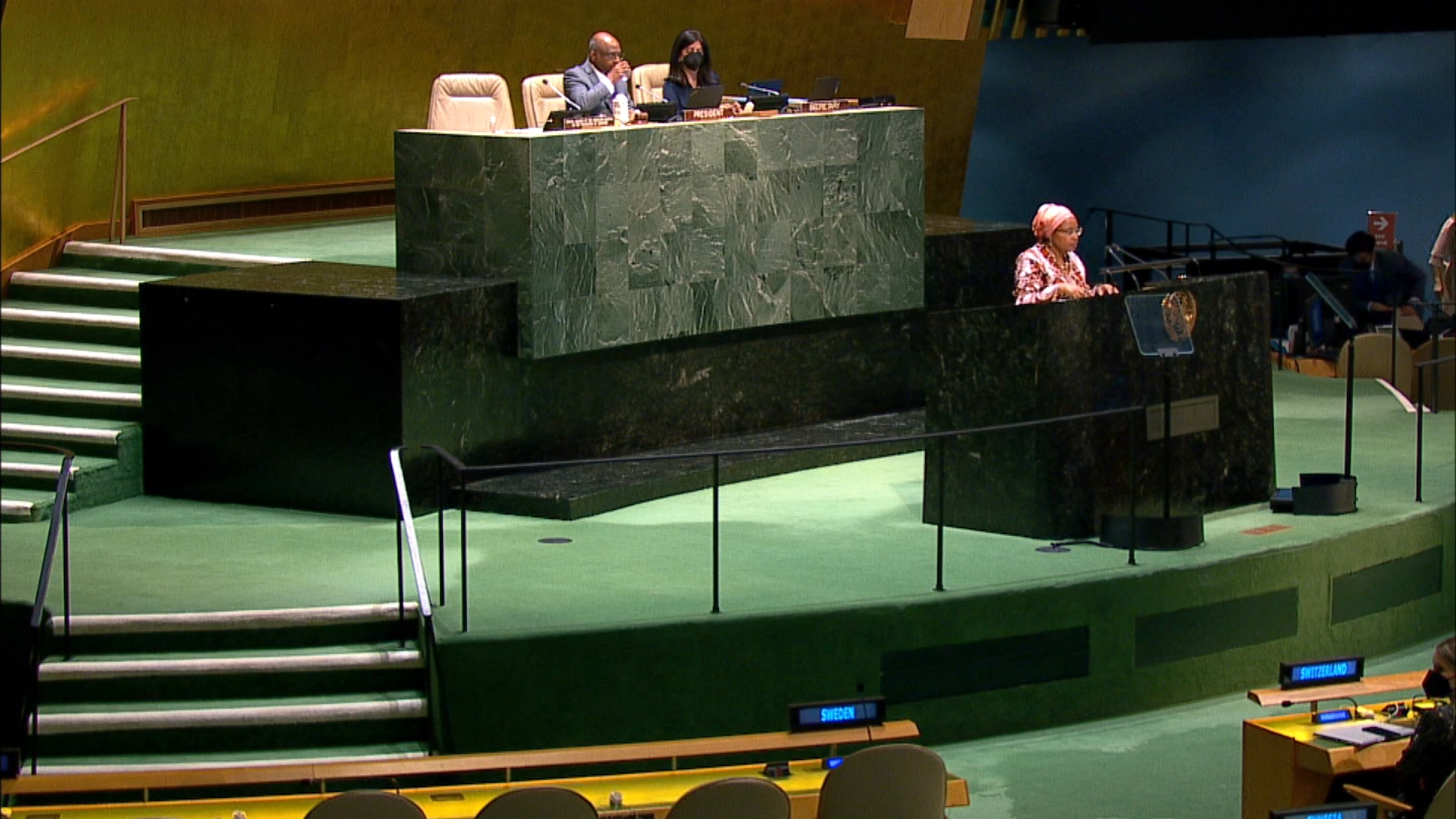
2. Wide shot, General Assembly Hall
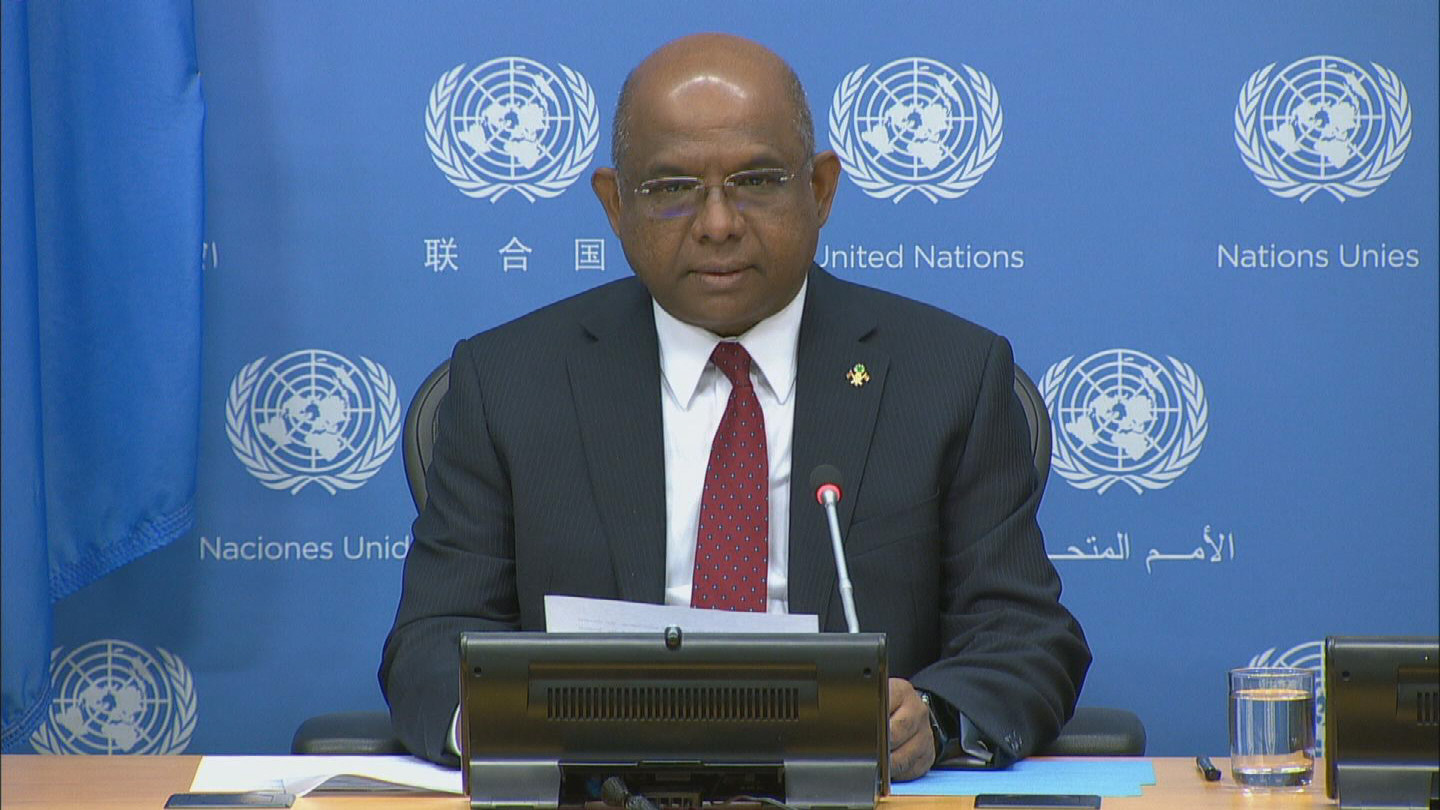
3. SOUNDBITE (English) President of the United Nations General Assembly:
“While it’s well known that indigenous people comprise less than 5% of the global population but protect 80% of global biodiversity, it’s a lesser-known fact that high linguistic diversity occurs where conditions for biological diversity thrive. It’s the richness of one that sustains the other. Moreover, there is growing scientific evidence that indigenous languages that are rich in oral traditions offer evidence for events that happened thousands of years ago. By preserving and promoting these languages, we preserve and promote an important part of our human heritage, identity, and belonging.”
4. Wide shot, Kelapile walking to the podium
5. SOUNDBITE (English) Collen V. Kelapile, President of The United Nations Economic and Social Council (ECOSOC):
“The Permanent Forum’s expert advice and recommendations are crucial in bringing to the forefront the key issues affecting Indigenous Peoples through the deliberations on a wide range, and cross-cutting issues under your mandate focused on the implementation of the United Nations Declaration on the Rights of Indigenous Peoples and the 2030 Agenda for Sustainable Development.”
6. Wide shot, General Assembly Hall
7. SOUNDBITE (English) Collen V. Kelapile, President of The United Nations Economic and Social Council (ECOSOC):
“I, therefore, call on all Member States to pursue inclusive approaches and to proactively seek the participation of Indigenous Peoples in their national SDG review and reporting processes.”
8. Wide shot, General Assembly Hall
Speaking at the General Assembly today (25 Apr), ECOSOC’s president called on all Member States to pursue inclusive approaches and proactively seek Indigenous Peoples' participation in their national Sustainable Development Goals (SDGs) review and reporting processes.
Addressing the opening of the 21st session of the Permanent Forum on Indigenous Issues (UNPFII), Collen V. Kelapile, President of The United Nations Economic and Social Council (ECOSOC), said that the forum’s expert advice and recommendations are crucial in bringing to the forefront the key issues affecting Indigenous Peoples “through the deliberations on a wide range and cross-cutting issues under your mandate, focused on the implementation of the United Nations Declaration on the Rights of Indigenous Peoples and the 2030 Agenda for Sustainable Development.”
The President of the General Assembly, Abdulla Shahid, noticed that the indigenous people comprise less than 5 percent of the global population and protect 80 percent of global biodiversity.
He also said that high linguistic diversity occurs where conditions for biological diversity thrive. “It’s the richness of one that sustains the other,” he said.
He added, “there is growing scientific evidence that indigenous languages that are rich in oral traditions offer evidence for events that happened thousands of years ago.”
Shahid also said that “by preserving and promoting these languages, we preserve and promote an important part of our human heritage, identity, and belonging.”
UNPFII is a high-level advisory body to the Economic and Social Council. The Forum was established on 28 July 2000 by resolution 2000/22, with the mandate to deal with indigenous economic and social development issues, culture, the environment, education, health, and human rights.
Download
There is no media available to download.