Media Home
 UN Web TV
 UN Audiovisual Library
 UN Photo
Unifeed
GENEVA / SOUTH SUDAN FOOD INSECURITY
STORY: SOUTH SUDAN FOOD INSECURITY
TRT: 1:59
SOURCE: UNTV CH
RESTRICTIONS: NONE
LANGUAGE: ENGLISH / NATS
DATELINE: 14 JUNE 2022, GENEVA, SWITZERLAND / FILE
FILE - GENEVA, SWITZERLAND
1. Wide shot, Palais des Nations, exterior
14 JUNE 2022, GENEVA, SWITZERLAND
2. Wide shot, journalists, podium, moderator, press room
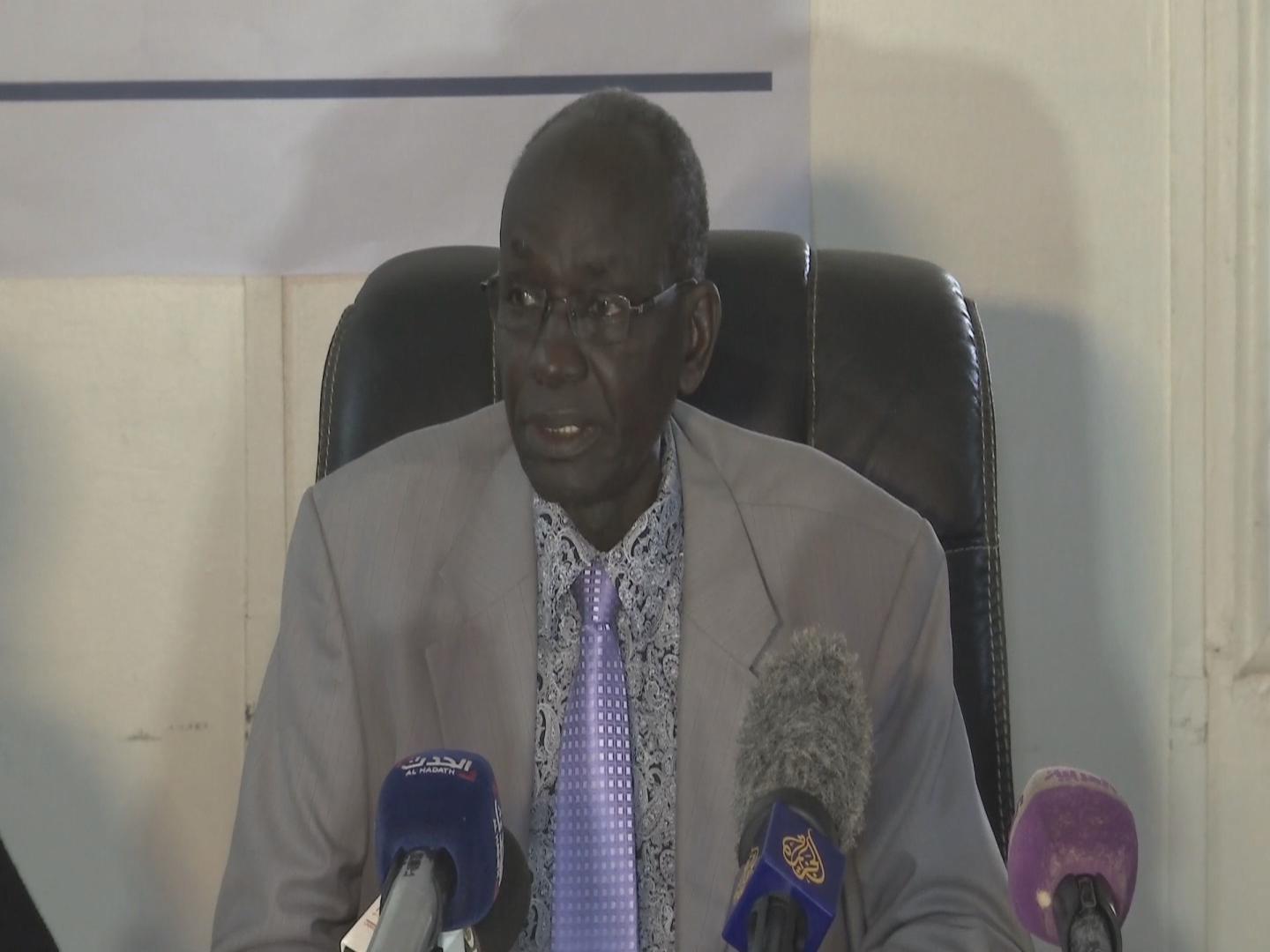
3. SOUNDBITE (English) Adeyinka Badejo-Sanogo, Acting Country Director in South Sudan, World Food Program (WFP):
“WFP, we had planned to provide food assistance to 6.2 million people this year, but faced with increasing humanitarian needs and insufficient funding, we have taken the painful step to suspend food assistance to 1.7 million people. And these are people that are experiencing emergency and crisis levels of food insecurity, what we call IPC4 and IPC3.”
4. Close up, participant’s face blurred in foreground, remote speaker’s face on TV screen to rear
5. SOUNDBITE (English) Adeyinka Badejo-Sanogo, Acting Country Director in South Sudan, World Food Program (WFP):
“We are particularly concerned with these cuts, especially because these cuts are happening at the start of the lean season when families have completely exhausted any food reserves and are likely to continue to suffer acute levels of hunger as the lean season deepens. Essentially, WFP in South Sudan, we are in ‘famine-prevention’ mode.”
6. Med shot, journalists seated and listening to the speaker
7. SOUNDBITE (English) Adeyinka Badejo-Sanogo, Acting Country Director in South Sudan, World Food Program (WFP):
“More than two-thirds of the South Sudanese population are experiencing a serious humanitarian and protection crisis and require humanitarian assistance to survive. Of these, we estimate that 8.3 million people, including internally displaced persons and refugees, will endure acute severe hunger during the lean season.”
8. Close up, hands typing on laptops
9. SOUNDBITE (English) Adeyinka Badejo-Sanogo, Acting Country Director in South Sudan, World Food Program (WFP):
“We are expecting a fourth year of massive flooding based on forecasts of an above-average rainfall, adding on to stagnant waters that have not receded from previous years.”
10. Close up, photographer taking photos, looks up
11. SOUNDBITE (English) Adeyinka Badejo-Sanogo, Acting Country Director in South Sudan, World Food Program (WFP):
“The political and security context in South Sudan remains volatile, and it continues to aggravate the lives of communities. So far this year, we have seen 200,000 people newly displaced as a result of conflicts. And with displacement comes disruption in lives and livelihoods. And WFP, we're at a situation where we simply do not have the resources to respond to new emergencies.”
12. Close up, TV camera and tripod blurred in foreground, TV screen showing speakers to rear
14. Med shot, participants sitting, one has his arms folded, photographer positioning for a photo to rear
15. Med shot, participants seated in front of laptops
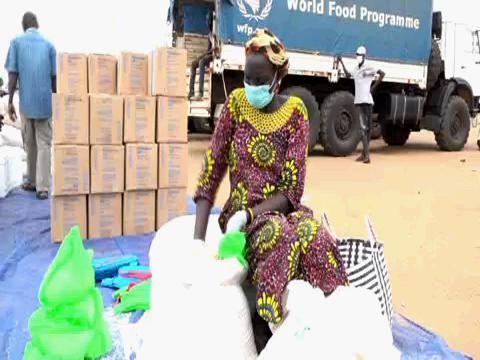
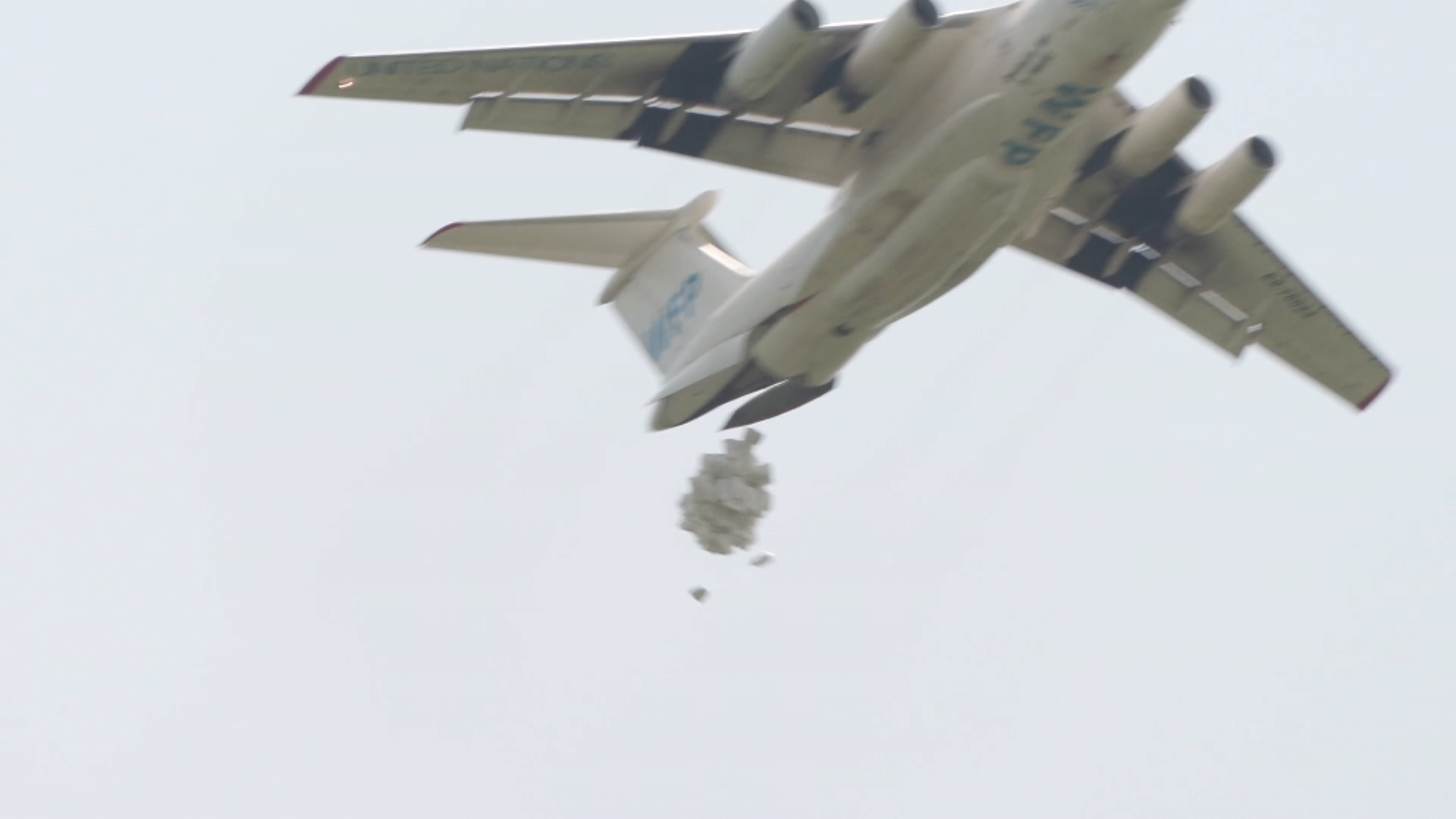
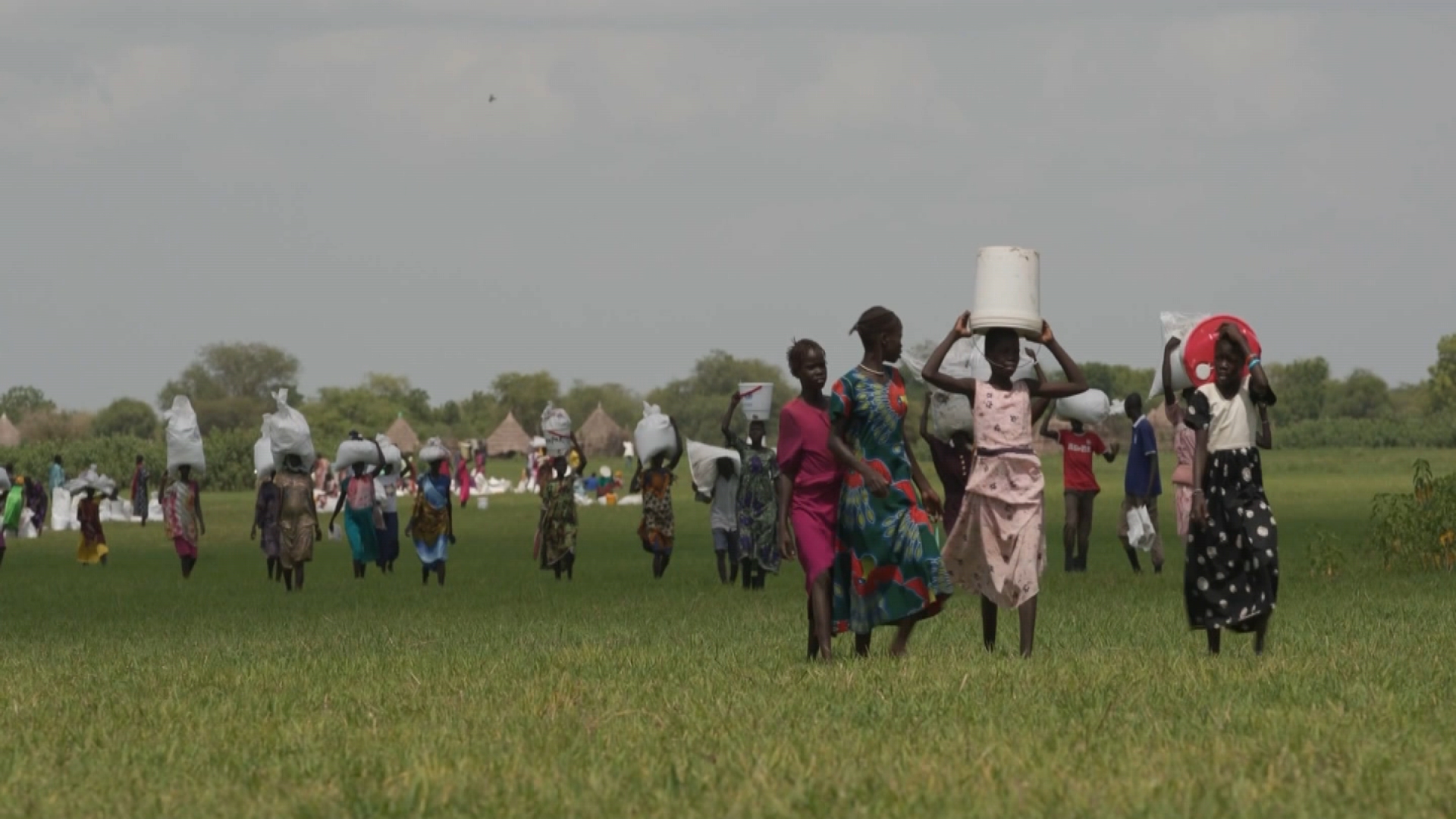
On Tuesday (14 Jun), the UN World Food Programme (WFP) said that food assistance to 1.7 million people in South Sudan has been suspended, citing a funding crunch and rising needs.
“Essentially, we’re in ‘famine-prevention mode,’” the agency said.
The latest Integrated Food Security Phase Classification (IPC) data shows that is the last thing South Sudan needs.
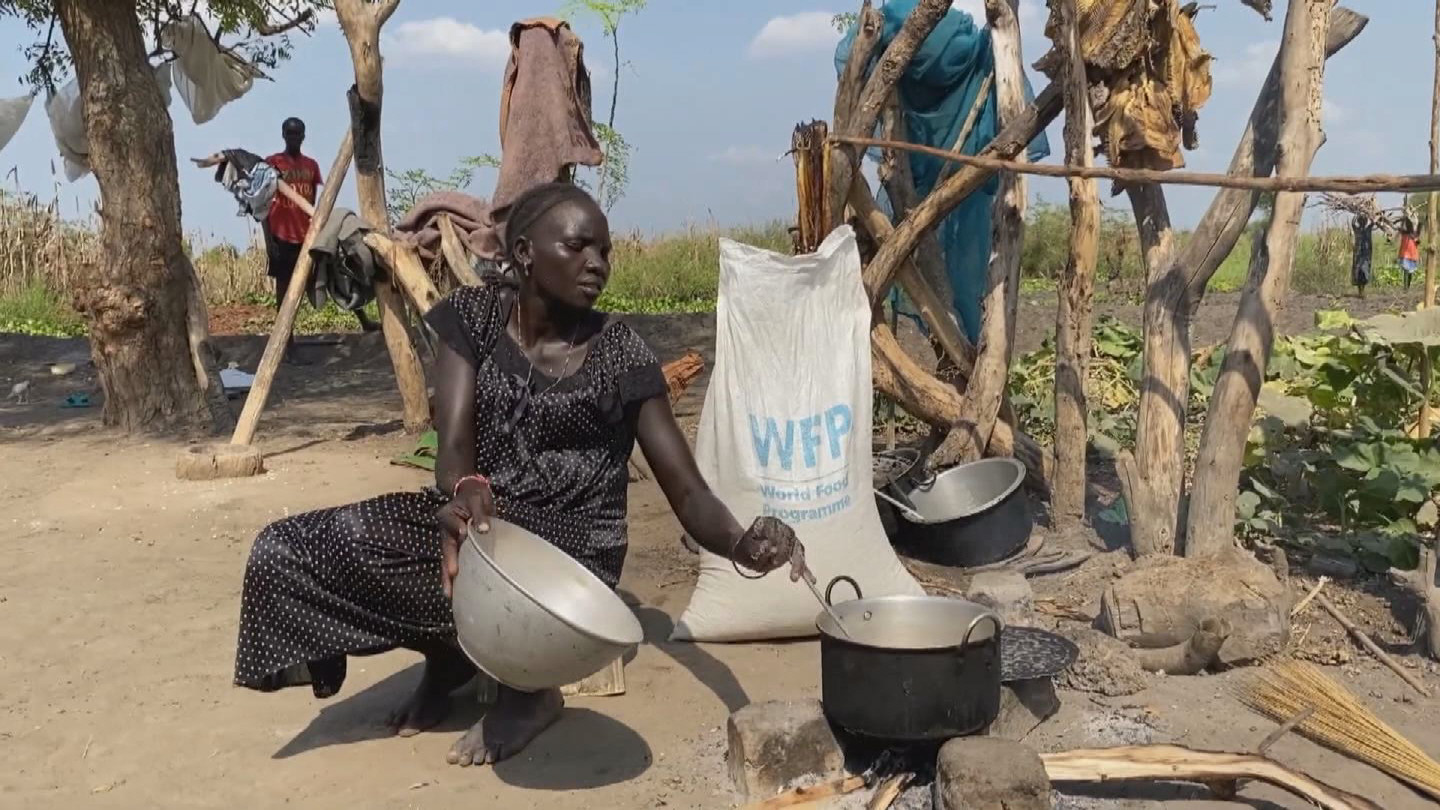
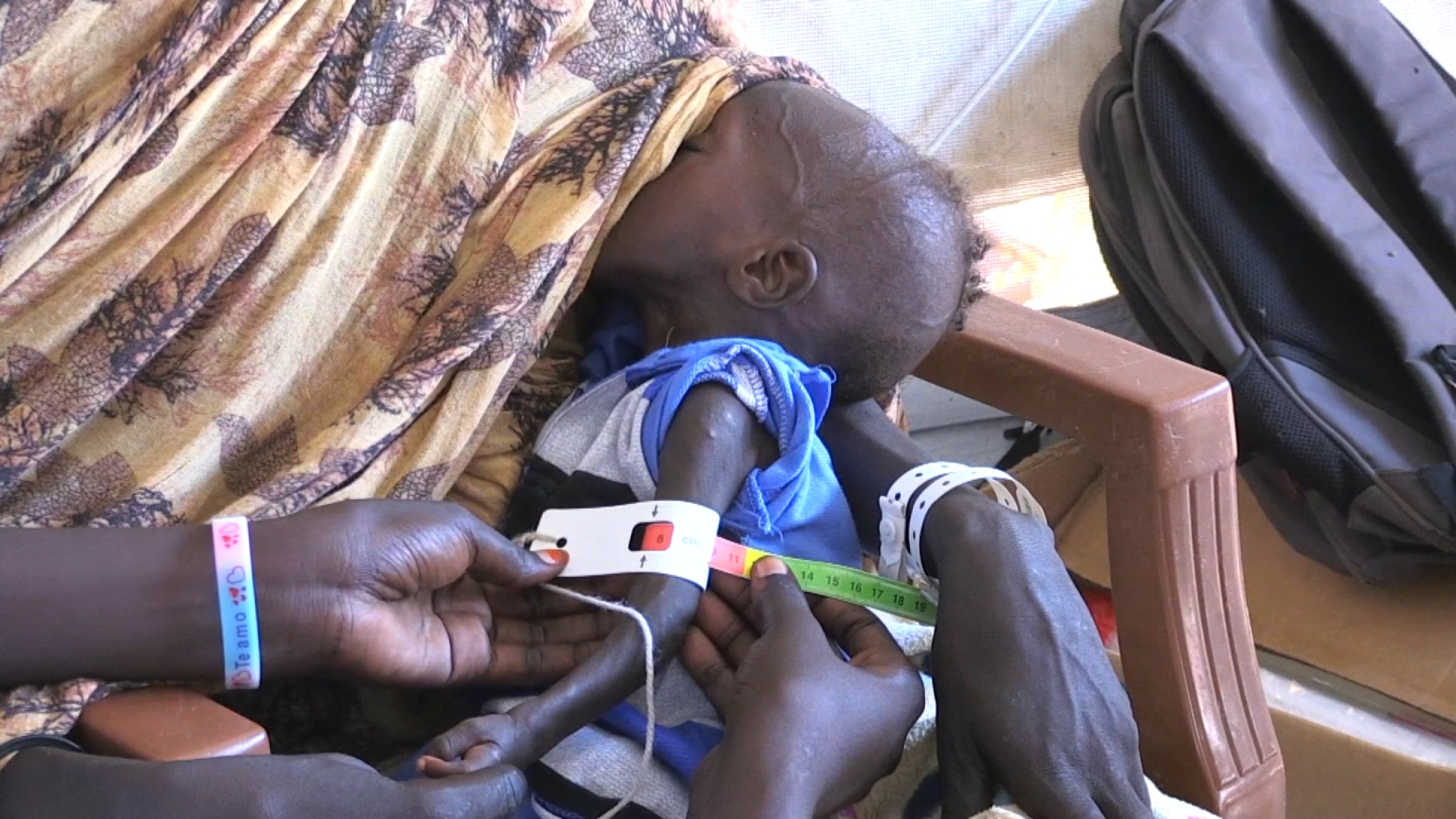
“We had planned to provide food assistance to 6.2 million people this year, but faced with increasing humanitarian needs and insufficient funding, we have taken the painful step to suspend food assistance to 1.7 million people,” said Adeyinka Badejo-Sanogo, WFP Acting Country Director in South Sudan. “These are people that are experiencing emergency and crisis levels of food insecurity, what we call IPC4 and IPC3.”
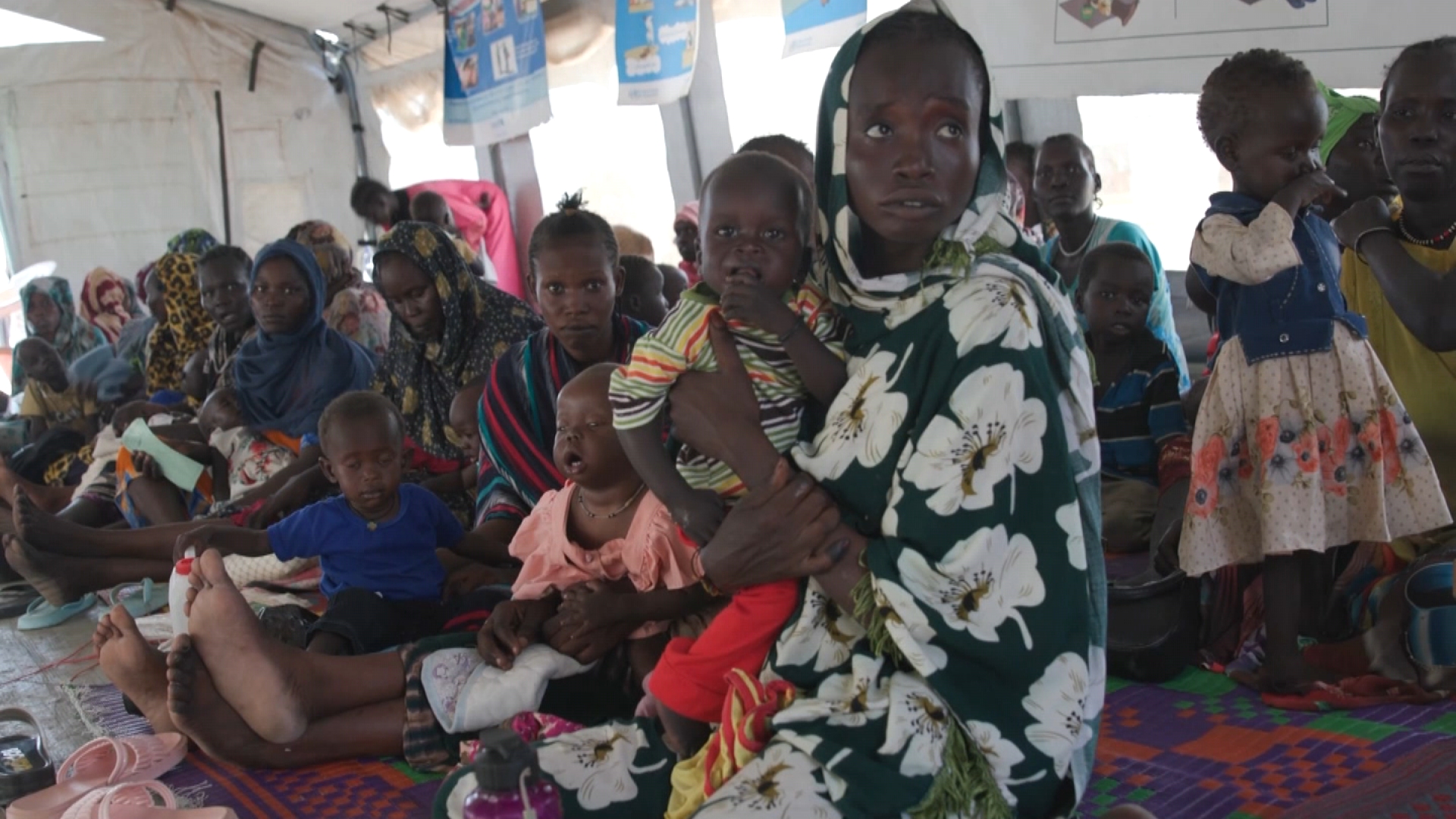
The WFP official explained that more than two in three people are experiencing a severe humanitarian and protection crisis and need help to survive. “Of these, we estimate that 8.3 million people, including internally displaced persons and refugees, will endure acute severe hunger during the lean season.”
The development comes as communities prepare for a fourth consecutive year of flash-flooding, which has left vast stretches of ground sodden and fields unusable, particularly in Jonglei, Upper Nile, and Unity states.
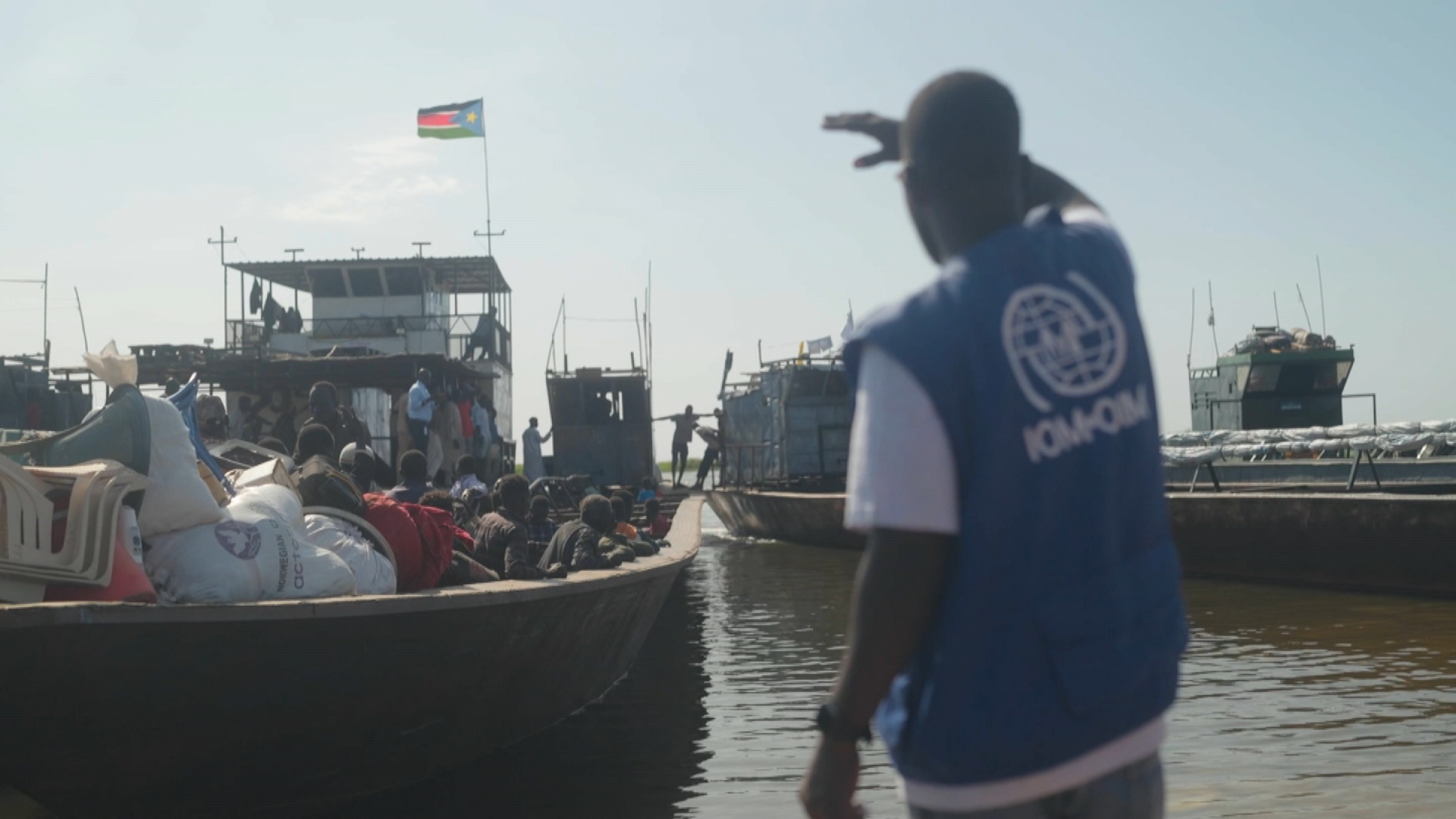
In 2021, one million people fled their homes because of the flooding in South Sudan. This year, it’s estimated that approximately 600,000 are in the path of expanding flood waters and at risk of displacement.
“We are expecting a fourth year of massive flooding based on forecasts of an above-average rainfall, adding on to stagnant waters that have not receded from previous years,” said Ms. Badejo-Sanogo.
There is a particular concern because the cutbacks are happening at the start of the lean season. “Families have completely exhausted any food reserves and are likely to continue to suffer acute levels of hunger as the lean season deepens,” the WFP official said. “Essentially, WFP in South Sudan, we are in ‘famine-prevention’ mode.”
Chronic levels of violence in parts of South Sudan continue to drive displacement and vulnerability, Ms. Badejo-Sanogo continued. In late April, additional UN peacekeepers were deployed to Leer county after a surge in rapes, beheadings, civilians being burned alive, and attacks on humanitarians.
“The political and security context in South Sudan remains volatile, and it continues to aggravate the lives of communities,” the WFP official explained. “So far this year, we have seen 200,000 people newly displaced as a result of conflicts. And with displacement comes disruption in lives and livelihoods. And WFP, we're at a situation where we simply do not have the resources to respond to new emergencies.”
Download
There is no media available to download.