Media Home
 UN Web TV
 UN Audiovisual Library
 UN Photo
Unifeed
WHO / HEALTH EMERGENCIES
STORY: WHO / HEALTH EMERGENCIES
TRT: 5:09
SOURCE: WHO
RESTRICTIONS: NONE
LANGUAGE: ENGLISH / NATS
DATELINE: 12 JULY 2022, NEW YORK CITY
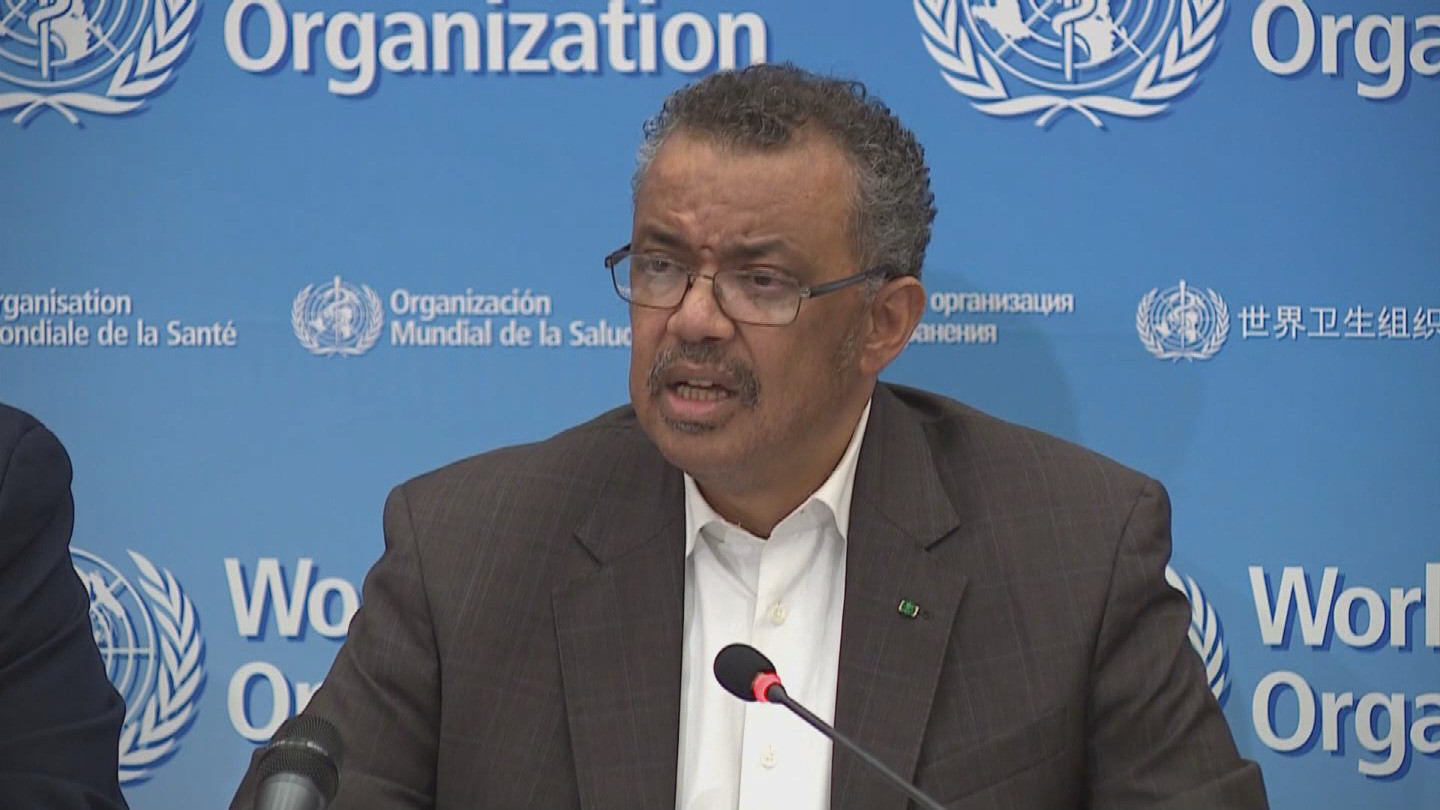
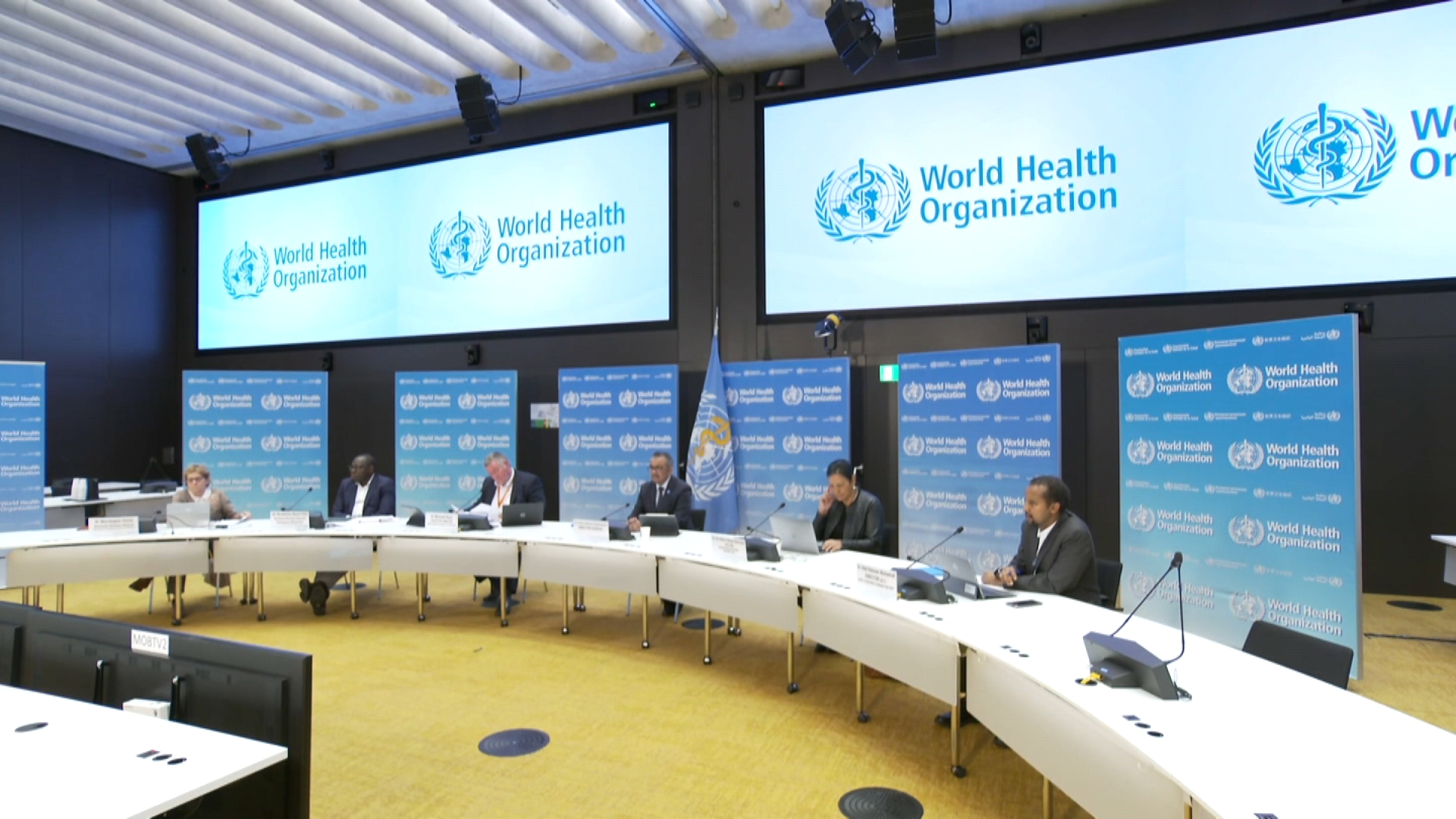
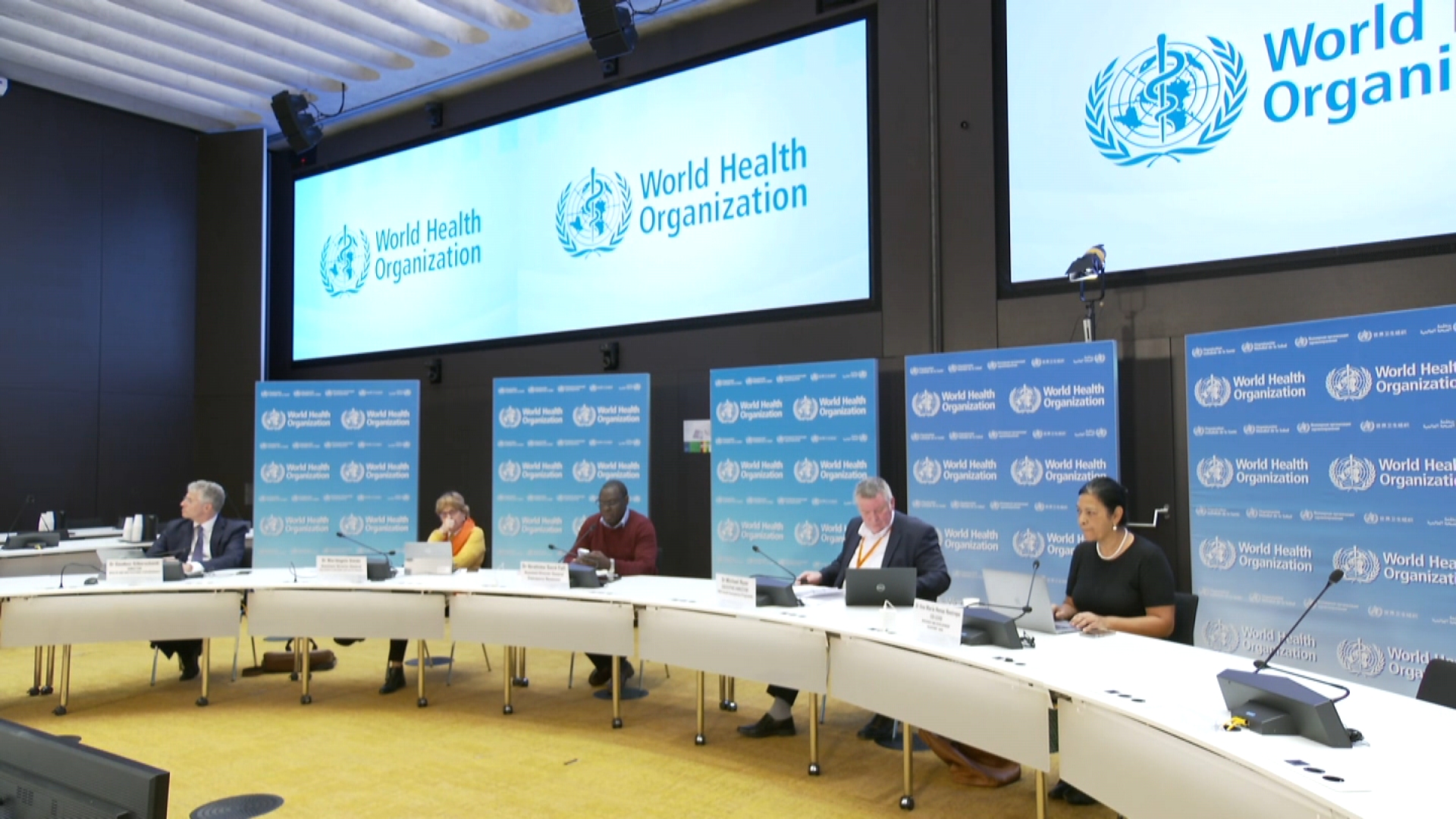
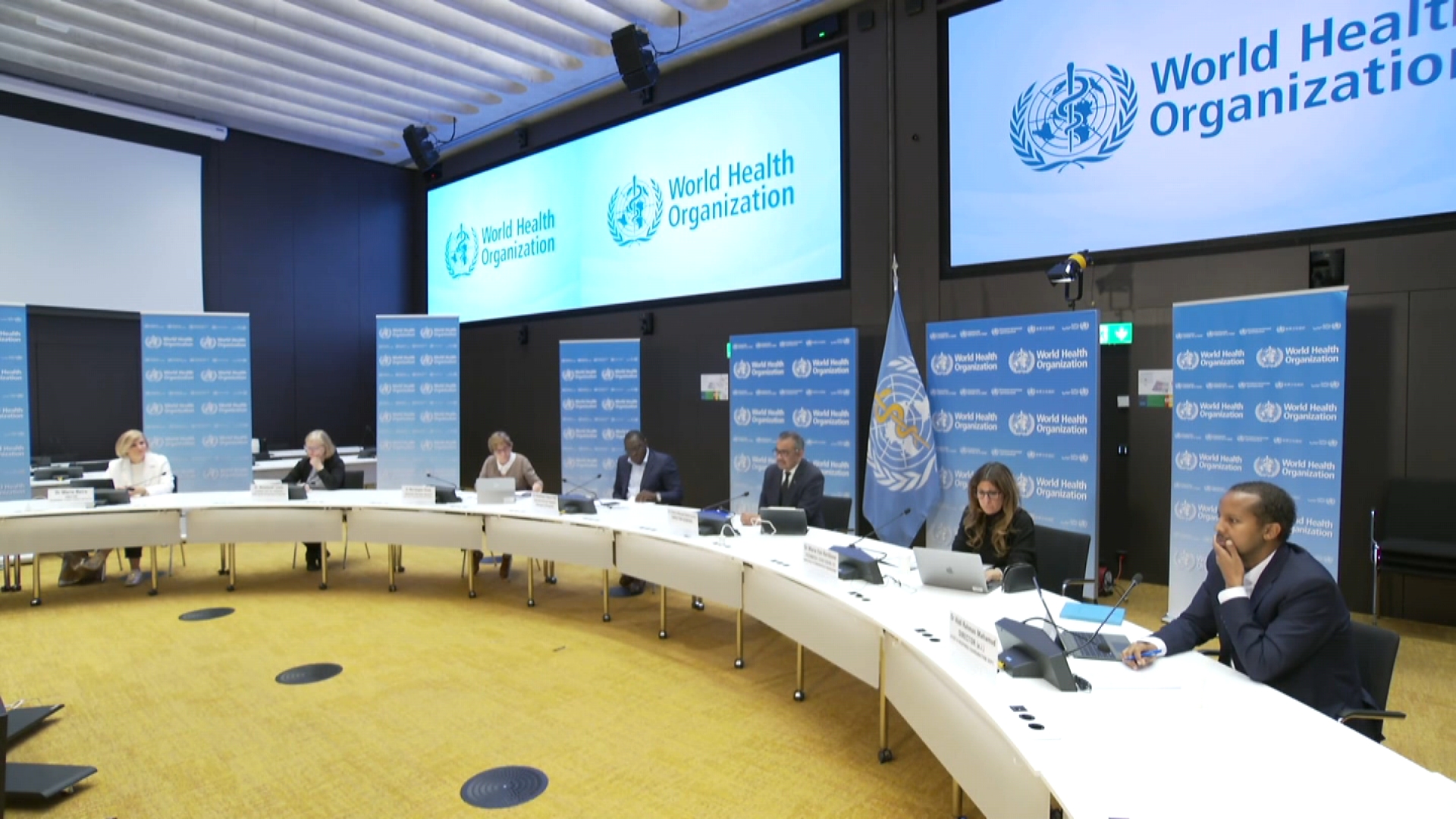
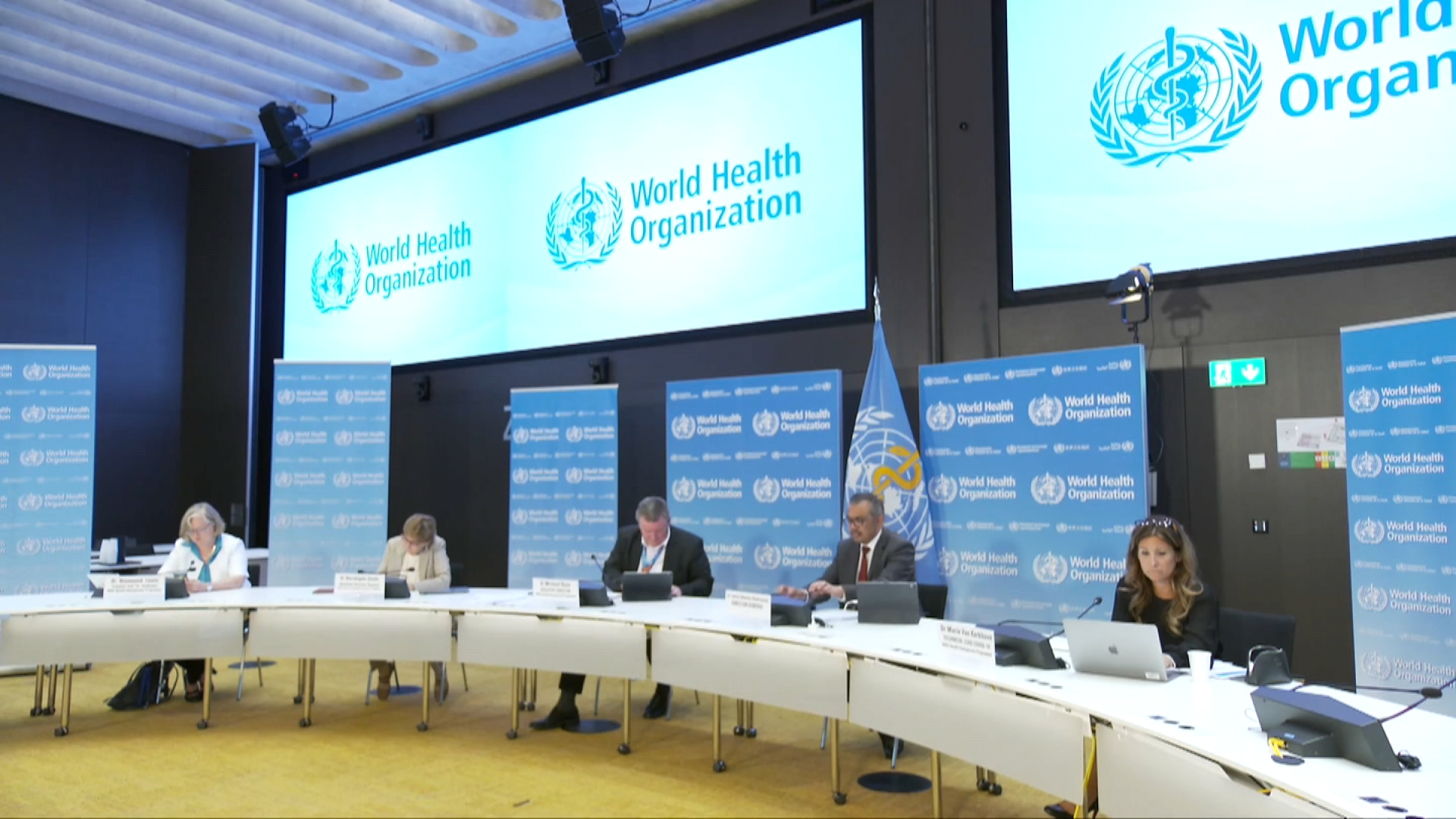
1. Wide shot, briefing room
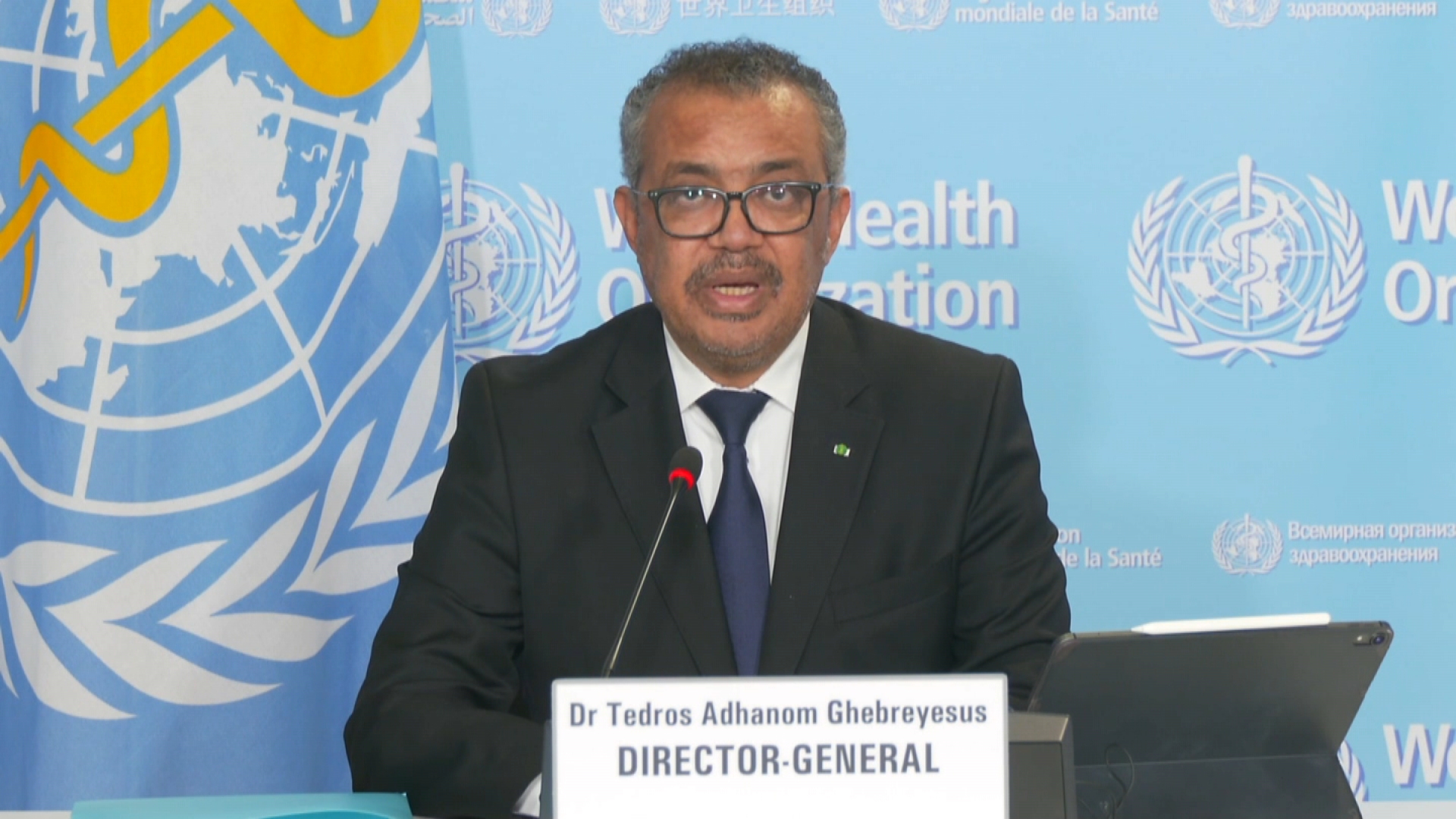
2. SOUNDBITE (English) Dr Tedros Adhanom Ghebreyesus, WHO Director-General:
"The Emergency Committee on COVID-19 met on Friday last week and concluded that the virus remains a Public Health Emergency of International Concern. The Committee noted their concern about several interlinked challenges. First, sub-variants of Omicron, like BA.4 and BA.5, continue to drive waves of cases, hospitalisation and death around the world. Second, surveillance has reduced significantly – including testing and sequencing – making it increasingly difficult to assess the impact of variants on transmission, disease characteristics, and the effectiveness of counter-measures. Third, diagnostics, treatments and vaccines are not being deployed effectively. The virus is running freely and countries are not effectively managing the disease burden based on their capacity, in terms of both hospitalisation for acute cases and the expanding number of people with post covid-19 condition - often referred to as long-covid. "
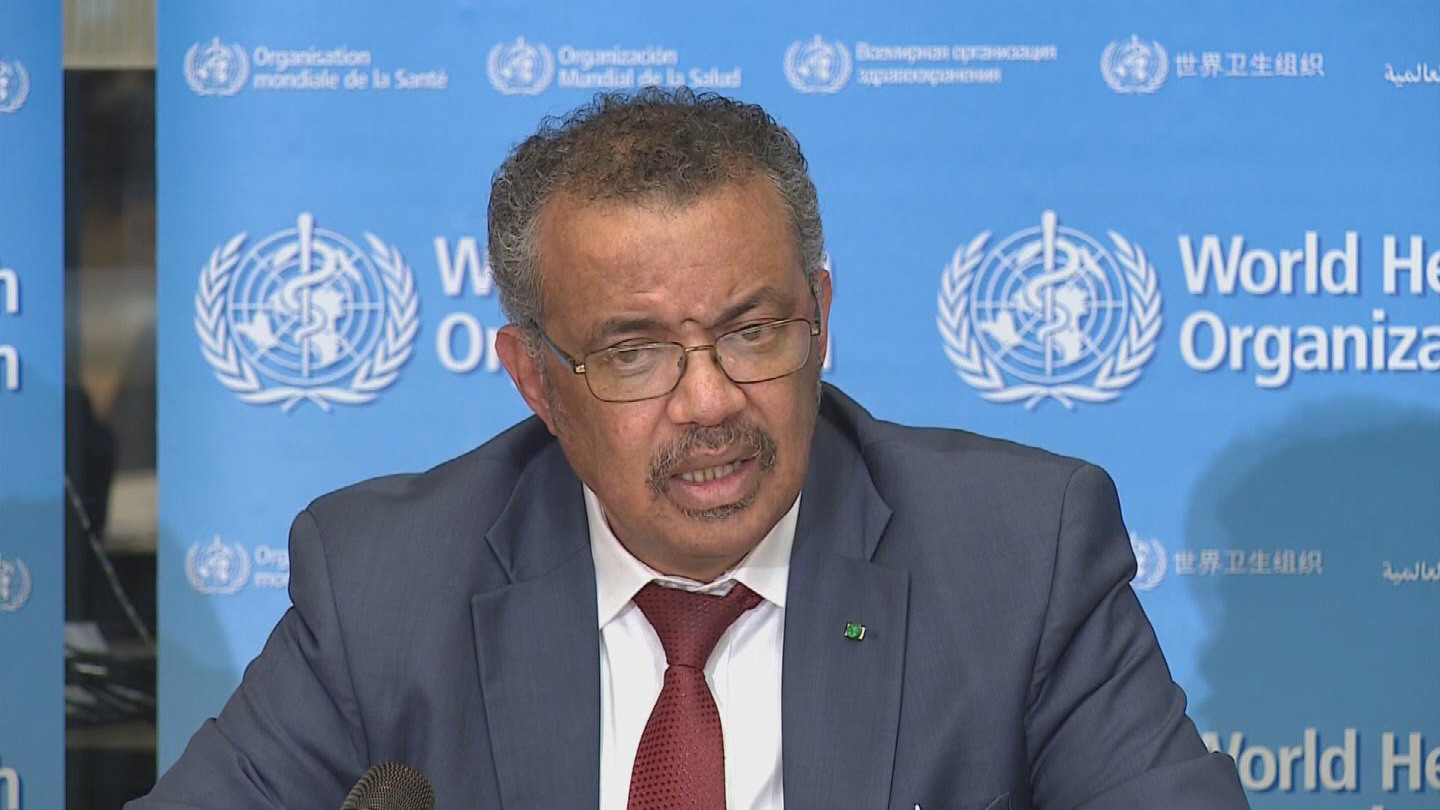
3. Wide shot, briefing room
4. SOUNDBITE (English) Dr Tedros Adhanom Ghebreyesus, WHO Director-General:
"I urge governments to regularly review and adjust their COVID-19 response plans based on the current epidemiology and also the potential for new variants to appear. Governments should also work to reverse the reduction in surveillance, testing and sequencing, and share anti-virals effectively. Vaccines have saved millions of lives and it’s important for governments to focus on boosting those most at-risk communities, finding the unvaccinated so as to build up the wall of immunity toward the 70 percent vaccination target."
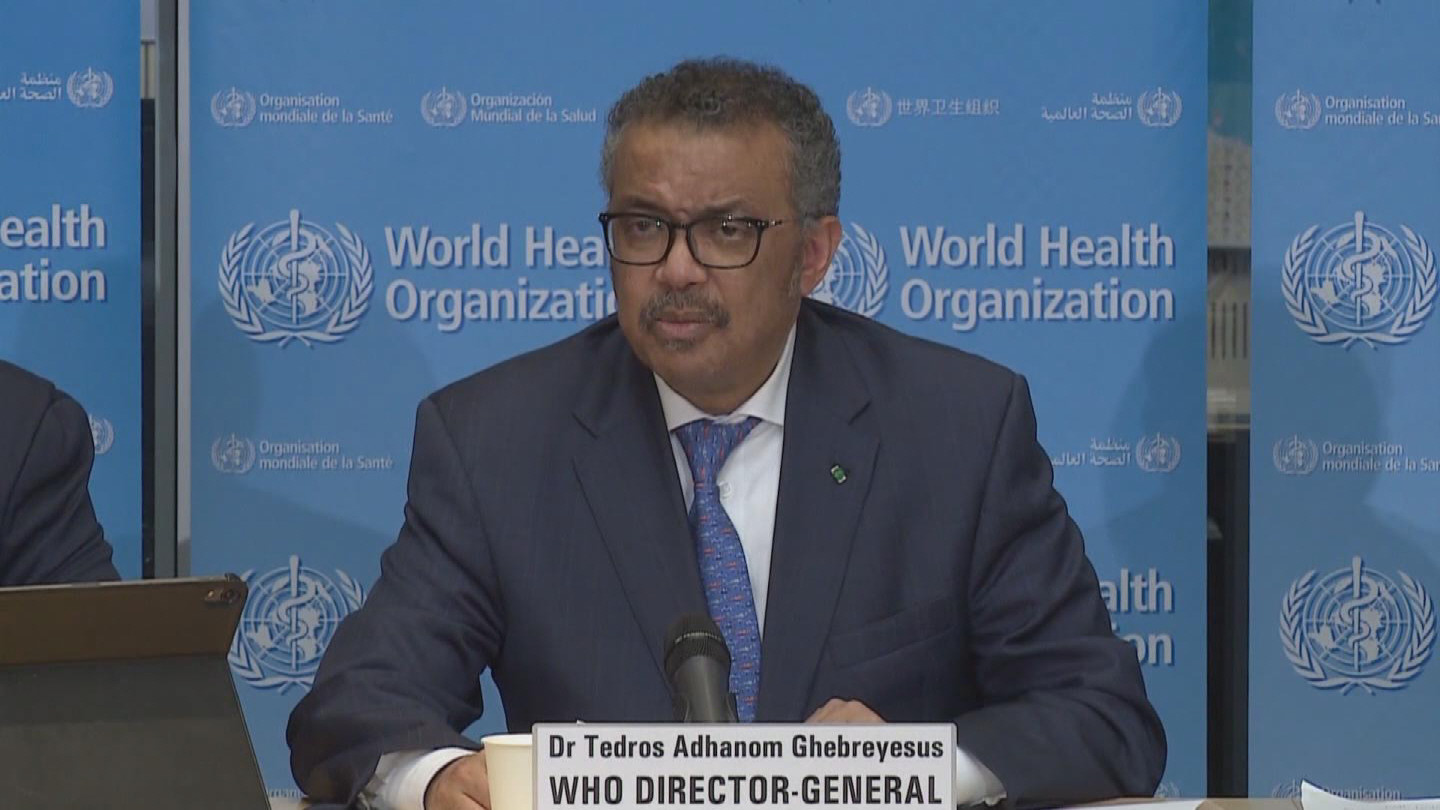
5. Wide shot, briefing room
6. SOUNDBITE (English) Dr Tedros Adhanom Ghebreyesus, WHO Director-General:
"Planning and tackling COVID-19 should also go hand-in-hand with vaccinating for killer diseases like measles, pneumonia and diarrhea. It’s not a question of either/or, it’s possible to do both. And new vaccines, including HPV and malaria, should continue to be introduced. "
7. Wide shot, briefing room
8. SOUNDBITE (English) Dr Maria Van Kerkhove, COVID-19 Technical lead, WHO Health Emergencies Programme:
"BA.5 has a growth advantage over other sublineages of Omicron that are circulating. And when we look at transmission, we look at properties of transmission in terms of the ability of this virus to spread between people. But we also look at properties of immune escape, which we are seeing with BA.5. We are seeing countries become concerned about this, but we feel that countries should be concerned about SARS-CoV-2, whatever virus is circulating globally."
9. SOUNDBITE (English) Dr Maria Van Kerkhove, COVID-19 Technical lead, WHO Health Emergencies Programme:
"We don't have as many specifics as I would like to be able to report on reinfection, but we are hearing of reports of reinfection. I'm sure all of you anecdotally know of people who have been infected with Omicron, may not know exactly what sublineage that is that people are infected with, but the reporting of BA.5 is increasing in terms of the reports, and it has increased substantially over the last four weeks alone. We expect that trend to continue around the world."
10. Wide shot, briefing room
11. SOUNDBITE (English) Dr Tedros Adhanom Ghebreyesus, WHO Director-General:
"In Ghana there are currently two suspected cases of Marburg. Ghana is currently dispatching samples to the Institute Pasteur of Dakar in Senegal for verification. In the meantime, the Ministry of Health has set up precautionary contact tracing, case investigations and preparedness in health facilities with the support of WHO."
12. Wide shot, briefing room
13. SOUNDBITE (English) Dr Tedros Adhanom Ghebreyesus, WHO Director-General:
"On Monkeypox, there are now 9,200 cases in 63 countries. The Emergency Committee for monkeypox will reconvene next week and look at trends, how effective the counter-measures are and make recommendations for what countries and communities should do to tackle the outbreak."
14. Wide shot, briefing room
15. SOUNDBITE (English) Dr Sylvie Briand, Director of Epidemic and Pandemic Preparedness and Prevention, Preparedness Division, WHO Emergency Programme:
"We will look at those criteria that are in the emergency committee report, basically the increasing number of cases, the deaths, if there are any deaths, if the disease is spreading outside the initial affected community. If we see changes in the virus and so on. And so we will rediscuss those criteria with the emergency committee and see if we need to then modify the strategy or declare a public health emergency of international concern at this stage."
The Emergency Committee on COVID-19 concluded that the virus remains a Public Health Emergency of International Concern, the World Health Organization (WHO) Director-General informed.
Speaking to journalists on Tuesday (12 July) in Geneva, Tedros Adhanom Ghebreyesus noted “several interlinked challenges”, including sub-variants of Omicron, like BA.4 and BA.5, that continue to drive waves of cases, hospitalisation and death around the world.
WHO’s chief also said that “surveillance has reduced significantly – including testing and sequencing – making it increasingly difficult to assess the impact of variants on transmission, disease characteristics, and the effectiveness of counter-measures.”
Ghebreyesus also said that “diagnostics, treatments and vaccines are not being deployed effectively.”
“The virus is running freely and countries are not effectively managing the disease burden based on their capacity, in terms of both hospitalisation for acute cases and the expanding number of people with post covid-19 condition - often referred to as long-covid", WHO’s chief said.
Urging governments to regularly review and adjust their COVID-19 response plans, Ghebreyesus said that “vaccines have saved millions of lives and it’s important for governments to focus on boosting those most at-risk communities, finding the unvaccinated so as to build up the wall of immunity toward the 70 percent vaccination target."
Planning and tackling COVID-19, he added, “should also go hand-in-hand with vaccinating for killer diseases like measles, pneumonia and diarrhea.”
Also speaking to journalists, the COVID-19 Technical lead at the WHO Health Emergencies Programme, Maria Van Kerkhove, explained that BA.5 has a growth advantage over other sublineages of Omicron that are circulating.
“We are seeing countries become concerned about this, but we feel that countries should be concerned about SARS-CoV-2, whatever virus is circulating globally," she said.
Kerkhove informed that WHO still doesn’t have many specifics about reinfection, but the agency has recorded an increase of reports of BA.5 infections and expects that trend to continue around the world.
The WHO chief also mentioned the two suspected cases of Marburg in Ghana. Marburg is a highly infectious disease similar to Ebola, and its symptoms include diarrhoea, fever, nausea and vomiting.
Ghebreyesus informed that Ghana is currently dispatching samples to the Institute Pasteur of Dakar in Senegal for verification. In the meantime, the Ministry of Health has set up precautionary contact tracing, case investigations and preparedness in health facilities with the support of WHO.
On Monkeypox, WHO’s chief said that there are now 9,200 cases in 63 countries.
The Emergency Committee for monkeypox will reconvene next week and look at trends, how effective the counter-measures are and make recommendations for what countries and communities should do to tackle the outbreak.
Sylvie Briand, the Director of Epidemic and Pandemic Preparedness and Prevention in the Preparedness Division of the WHO Emergency Programme, explained that the agency will look at the criteria in the emergency committee report, basically the increasing number of cases, the deaths, if there are any deaths, if the disease is spreading outside the initial affected community, and if there are any changes in the virus.
After that analysis, Briand explained, the Committee will decide if it needs to modify the strategy or declare a public health emergency of international concern.
Download
There is no media available to download.