Media Home
 UN Web TV
 UN Audiovisual Library
 UN Photo
GAZA / RUBBLE REMOVAL
STORY: GAZA / RUBBLE REMOVAL
TRT: 11:32
SOURCE: UNIFEED
RESTRICTIONS: PLEASE CREDIT WHO AND UNDP FOOTAGE ON SCREEN
LANGAUGE: ARABIC / NATS
DATELINE: PLEASE CHECK SHOTLIST FOR DETAILS
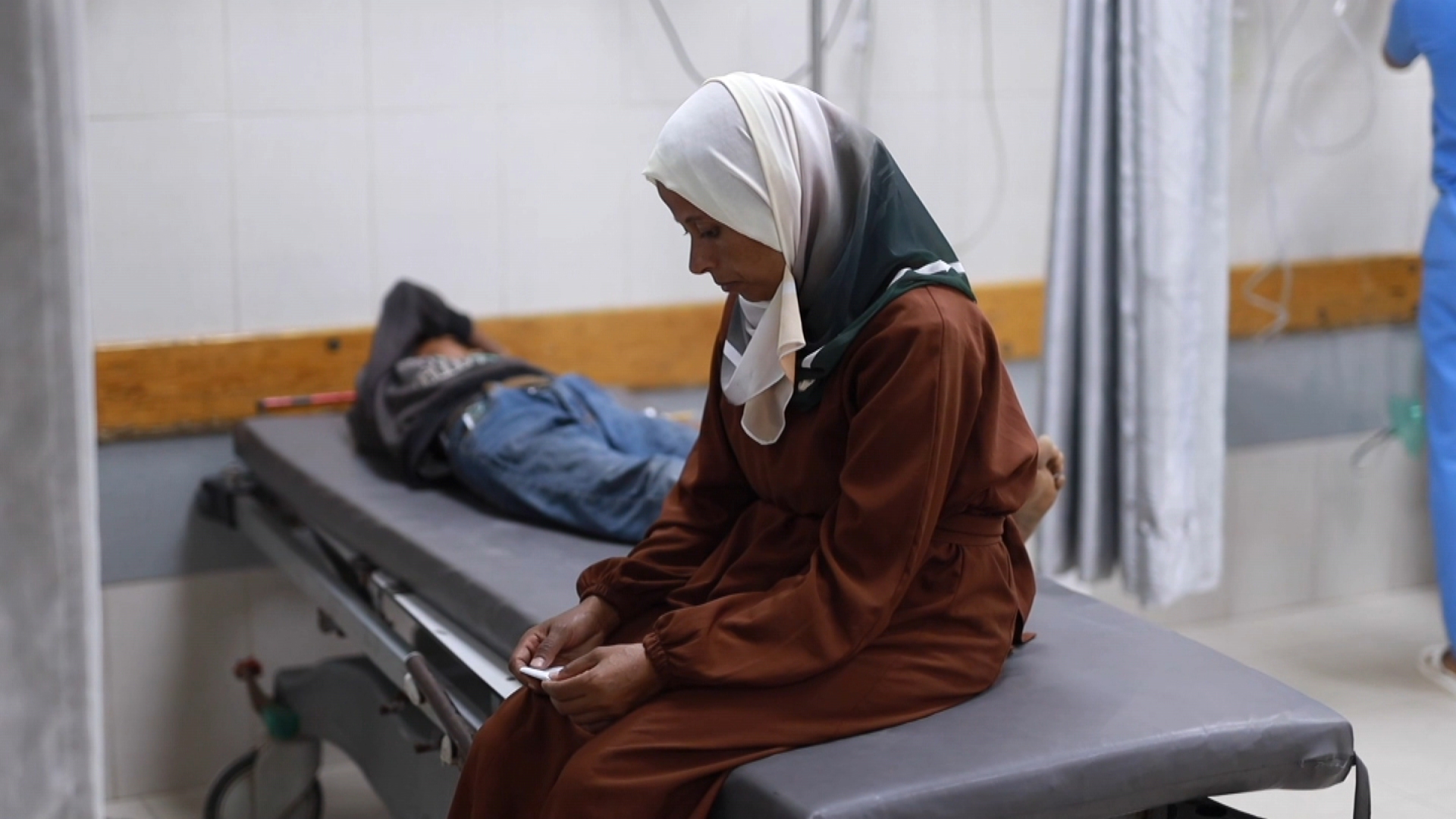
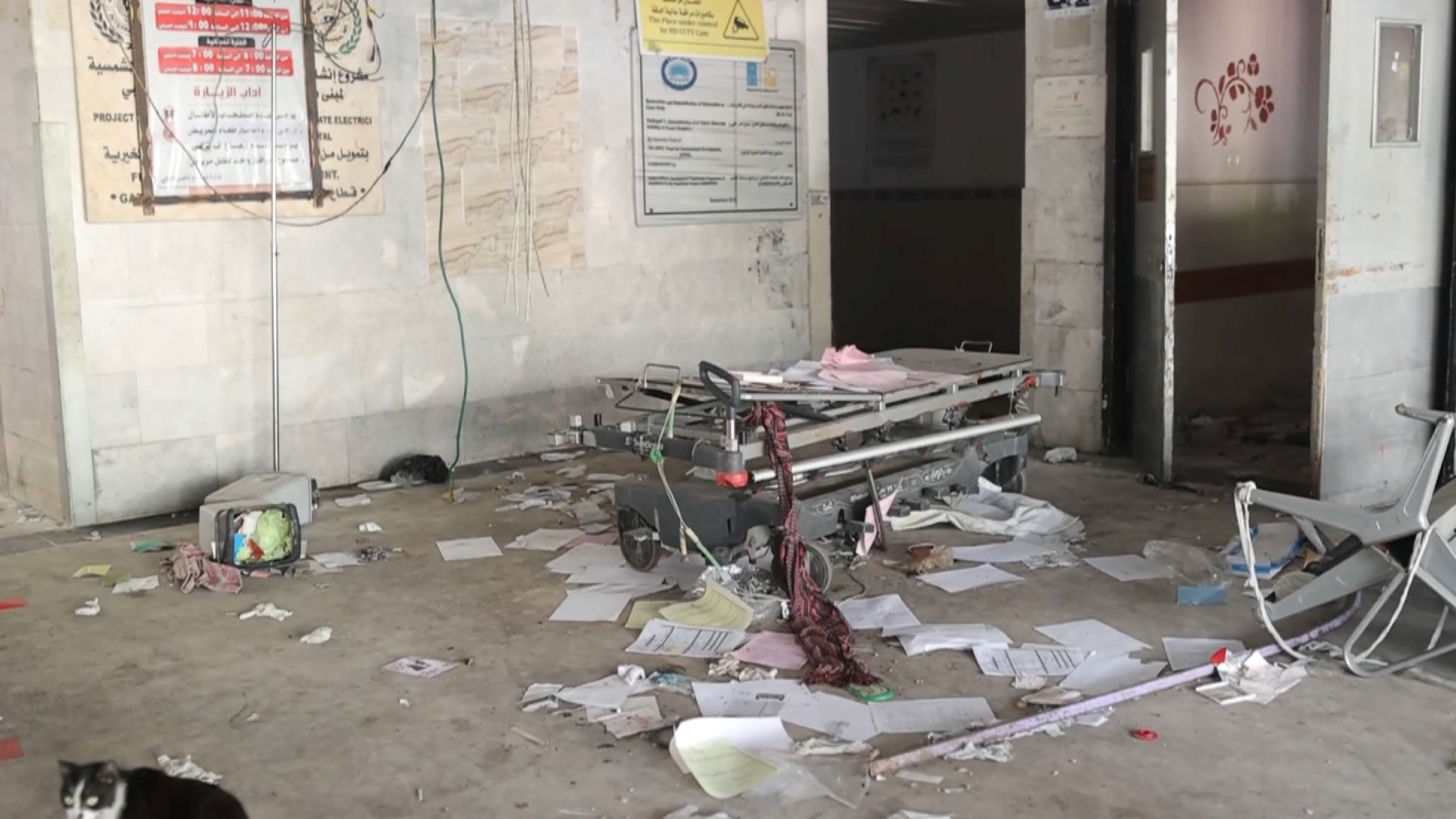
WHO – CREDIT ON SCREEN - 21 JANUARY 2025, KAMAL ADWAN HOSPITAL, NORTH GAZA
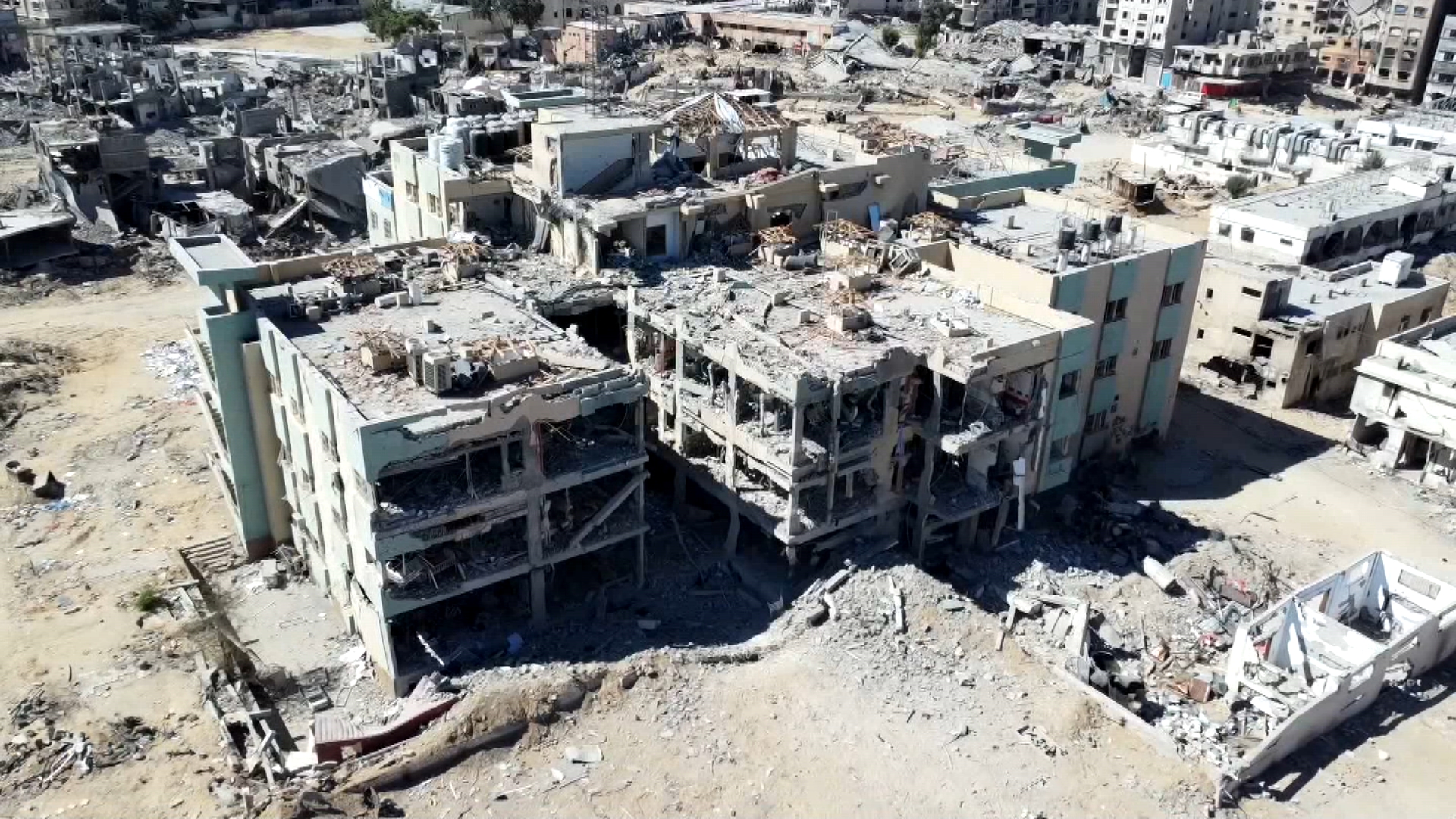
1. Various drone shots, aerial views of the hospital and the surrounding area
17 FEBRUARY 2025, JABALIA REFUGEE CAMP, THE GAZA STRIP
2. Wide shots, destroyed buildings
3. Med shot, destroyed building
4. Wide shot, Sufian Al-Majdalawi removing rubble of his destroyed home
5. SOUNDBITE (Arabic) Sufian Al-Majdalawi, resident of Jabalia refugee camp:
“I’m here in Jabalia. I sleep here on top of the rubble. I put my mattress and sleep on top of the rubble, covering myself with a tarpaulin. I’m doing ok. My children are in Al-Shati’ (refugee camp). My daughter is in another place at her uncle’s house. We are scattered, and all of us here are on the same pattern. So, we hope that someone would come and remove the rubble so we can live and relax. We aren’t leaving. We will rebuild, and they will destroy. We will rebuild, and they will destroy until the end.”
6. UPSOUND (Arabic) Sufian Al-Majdalawi, resident of Jabalia refugee camp:
“I’m here cleaning. I find metal bars. They require cutters, grinders, and other tools. What am I supposed to do with them? I’m going to have to use a shizzle and a hammer to keep breaking. I might find a human corpse under here while cleaning, because there a lot of missing people and only God knows where they are.”
7. Close up, Sufian Al-Majdalawi holding a stone in his hand and wearing slippers while clearing the rubble of his home
8. SOUNDBITE (Arabic) Sufian Al-Majdalawi, resident of Jabalia refugee camp:
“No one in the Jabalia refugee camp has any documentation for these homes. This is a refugee camp, just like any other refugee camp. This refugee camp was established during the displacement of 1948. Every person at the time took a number, and (families) multiplied. They started building using concrete”.
9. UPSOUND (Arabic) Sufian Al-Majdalawi, resident of Jabalia refugee camp:
“Here I am throwing the stones to the main road so I can put up a tent. Where else am I supposed to put the rubble? There is nowhere else to put it”.
10. SOUNDBITE (Arabic) Sufian Al-Majdalawi, resident of Jabalia refugee camp:
“The ownership of the rubble is unknown now because the rubble is all over the Jabalia refugee camp. This rubble in this house is equal to 6 or 7 houses on top of each other. No one is able to gather their belongings or anything else. Everything is gone. God willing, He will give us to the strength to rebuild”.
12. Wide shot, Raafat Salha removing the rubble from his home
12. Wide shot, young man using bucket to remove the rubble
13. SOUNDBITE (Arabic) Raafat Salha, resident of Jabalia refugee camp:
“This is going to take us a month because we are working with our bare hands. We don’t have an excavator or anything like that. We are throwing the rubble in the street, and every 10 days the bulldozer comes – and it might not come. We are all in the same situation. Thank God”.
14. Wide shot, Raafat Salha removing the rubble from his home using a shovel and a bucket
15. Med shot, Raafat Salha removing the rubble from his home using a shovel and a bucket
16. Wide shot, Yasser Ahmad walking among the rubble of his home
17. SOUNDBITE (Arabic) Yasser Ahmad, resident of Jabalia refugee camp:
“All of my furniture is under the rubble. There is nothing for me to use to improve my situation, to cover myself, my children, and those around me. Everything I own – the fruit all my hard work over the 59 years of my life – I didn’t find any of it. There isn’t even a place to shelter myself and my children”.
18. Wide shot, Yasser Ahmad pointing to the rubble of his home
19. SOUNDBITE (Arabic) Yasser Ahmad, resident of Jabalia refugee camp:
“There is no residential life. When I saw this sight, I got depressed and was very dismayed with the situation. The situation is very difficult for all the people here. I look around me, and all I see is my neighbors’ houses destroyed. There is nowhere for me to live. I keep thinking of going back to the area that I was in, but psychologically I wouldn’t feel comfortable. A person doesn’t find comfort anywhere other that their home”.
20. Wide shot, Yasser Ahmad standing on top of the rubble of his home
21. SOUNDBITE (Arabic) Yasser Ahmad, resident of Jabalia refugee camp:
“The way I see it, the issue of rebuilding Gaza will take no less than 10 to 15 years to remove the rubble and rebuild. This is a something that is very difficult (to accept). You have to live another 10 to 15 years on top of the year and a half that you lost from your life during the war. This is very bad. Unfortunately, this is very difficult. Today I’m 59 years old. Maybe in a year of two I might be dead under this rubble as well. I won’t see the land that I lived on for 59 years back to its normal state. This is very unfortunate”.
22. Wide shots, Ramadan Katkat sitting on a chair on top of his destroyed home
23. SOUNDBITE (Arabic) Ramadan Katkat, resident of Jabalia refugee camp:
“We were scattered and displaced, from one area to another, from one place to another. That’s in addition to those killed and injured. No one looked for us. Every time we talk to someone that we just want to live like other people and remove the rubble, we are told that we have to coordinate and this and that. We just want to live. We can’t live on top of the rubble. We can live in the schools or tents. This the destruction we are living. We can’t live our lives”.
17 FEBRUARY 2025, GAZA CITY, THE GAZA STRIP
24. Med shot, Amjad Al-Shawwa looking at destroyed building
25. Close up, Amjad Al-Shawwa looking at destroyed building
26. SOUNDBITE (Arabic) Amjad Al-Shawwa, Director of the NGO Network in the Gaza Strip:
“The process of lifting this rubble represents a huge challenge for all the local and international actors, institutions and agencies. This will require a long time and very big resources that are not available in the Gaza Strip – and so does the mechanism to remove this rubble”.
27. Wide shot, Amjad Al-Shawwa walking among the rubble of a destroyed building
28. SOUNDBITE (Arabic) Amjad Al-Shawwa, Director of the NGO Network in the Gaza Strip:
“This rubble represents also the belongs of the resident. Many disputes might arise among families. Dealing with this in the context of a Palestinian body that achieves justice, and achieves the speed needed to provide shelter and proper housing to the Palestinian citizen, will also achieve a comprehensive mechanism to preserve the social environments in the Gaza Strip”.
29. Med shot, Amjad Al-Shawwa walking among the rubble of a destroyed building
UNDP - 25 JANUARY 2025, KHAN YOUNIS, THE GAZA STRIP
30. Wide shot, bulldozer removing rubble near Nasser Medical Complex
31. Med shot, bulldozer dumping rubble into truck
04 FEBRUARY 2025, JERUSALEM
32. SOUNBITE (English) Sarah Poole, Special Representative of the Administrator, UNDP’s Programme of Assistance to the Palestinian People:
“UNDP - working together with UNEP and also with other partners on the ground in December - we already started implementing some of the removal efforts. And by doing that we've been able to remove about 21,600 tons of rubble. We've been able to use about 290 tons, which we've been able to repurpose for roadworks. And we've also built employment creation into the effort. We've been able to create over 1500 working days for about 53 local workers and engineers”.
UNDP - 25 JANUARY 2025, KHAN YOUNIS, THE GAZA STRIP
33. Various shots, workers removing rubble near Nasser Medical Complex
04 FEBRUARY 2025, JERUSALEM
34. SOUNBITE (English) Sarah Poole, Special Representative of the Administrator, UNDP’s Programme of Assistance to the Palestinian People:
“About one year ago, UNDP, together with the UN Environmental Program, UNEP - we developed and now we are co-leading what we call the Debris Management Technical Working Group. And I think this is really in a way an important opportunity to bring together about 20 entities - so, UN agencies also NGOs - to work together, to bring together the technical expertise, lessons learned from different experiences around the world in terms of debris and rubble removal, and the information and the knowledge that we need really to develop a well-coordinated plan on addressing the huge needs and the debris and rubble removal. As I mentioned, 51 million tons is really unprecedented”.
UNDP - 25 JANUARY 2025, KHAN YOUNIS, THE GAZA STRIP
35. Wide shot, bulldozer dumbing rubble
36. Wide shot, bulldozer dumbing rubble into truck
37. Wide shot, worker dosing rubble with water to contain dust
04 FEBRUARY 2025, JERUSALEM
38. SOUNBITE (English) Sarah Poole, Special Representative of the Administrator, UNDP’s Programme of Assistance to the Palestinian People:
“We also have the very important and the very big challenge also related to the land and the property ownership, which we know is very complex. Also, I think really a key area of focus, as you mentioned, as people return to their homes, their destroyed homes, their partially damaged homes. But really, using the opportunity to see how - again bringing in to place a different expertise around the UN system - how can we really be planning effectively for addressing the housing, land property rights. So, we know that this requires technical expertise. It also requires a legal guidance to ensure that we have a transparent and also just land tenure solutions that are related to the land and the property rights”.
UNDP - 25 JANUARY 2025, KHAN YOUNIS, THE GAZA STRIP
39. Various shots, excavator digging through rubble
04 FEBRUARY 2025, JERUSALEM
40. SOUNBITE (English) Sarah Poole, Special Representative of the Administrator, UNDP’s Programme of Assistance to the Palestinian People:
“Some of the key aspects that we've identified so far are, for example, the loss of documentation - as many landowners have lost property deeds but also inheritance records and also legal contracts. So also, all of that complicates the owner verification that will be very much part of this effort around the housing, land and property rights”.
UNDP - 25 JANUARY 2025, KHAN YOUNIS, THE GAZA STRIP
41. Wide shot, car driving through destroyed neighborhood
42. Wide shot, destroyed neighborhood
43. Wide shot, UN bus driving through destroyed neighborhood
44. Wide shot, destroyed neighborhood
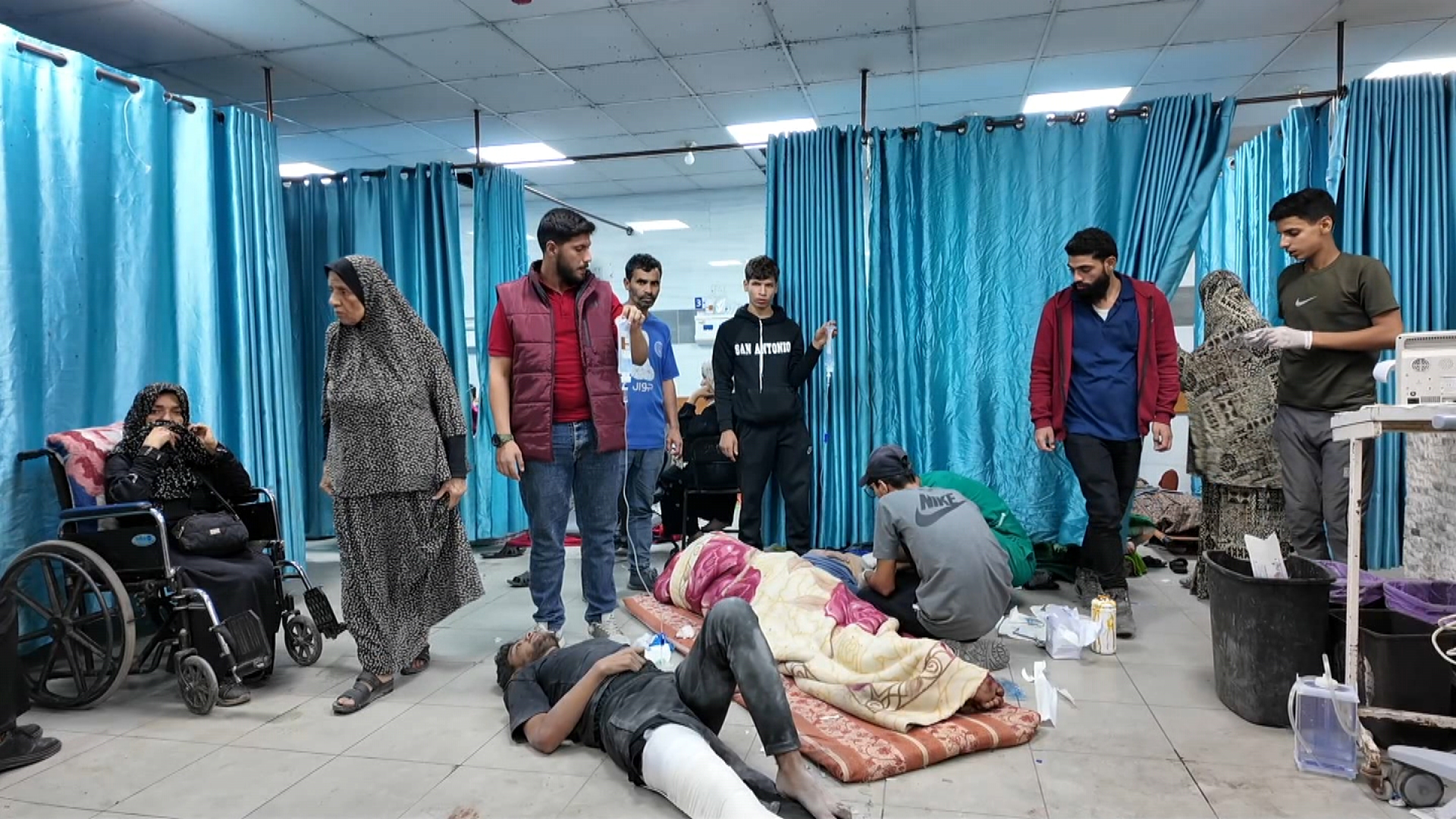
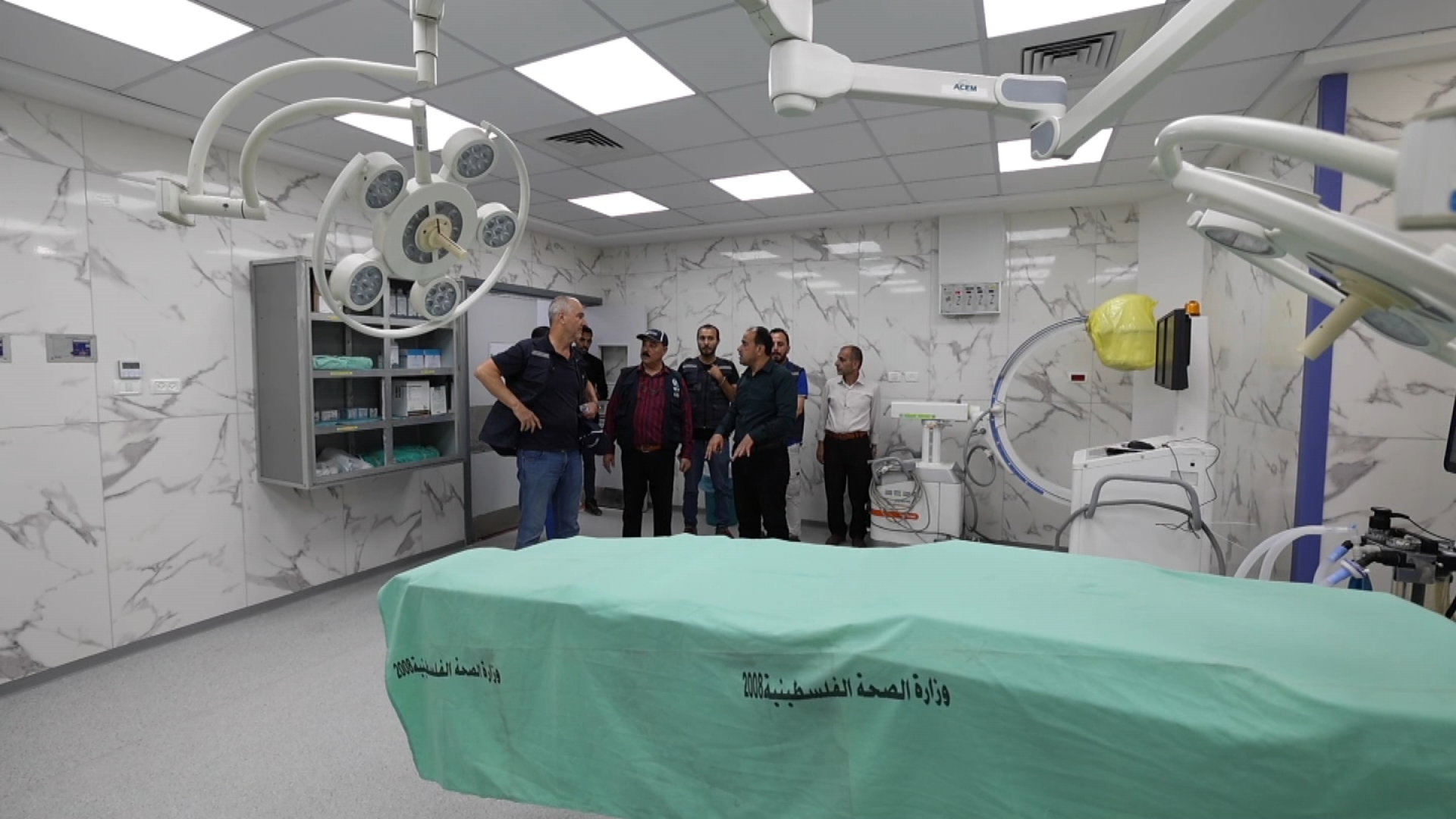
WHO – CREDIT ON SCREEN - 21 JANUARY 2025, KAMAL ADWAN HOSPITAL, NORTH GAZA
46. Various drone shots, aerial views of the hospital and the surrounding area
WHO – CREDIT ON SCREEN - 21 JANUARY 2025, AL-AWDA HOSPITAL, NORTH GAZA
47. Various drone shots, aerial views of the hospital and the surrounding area
WHO – CREDIT ON SCREEN - 21 JANUARY 2025, AL SHIFA MEDICAL COMPLEX HOSPITAL, GAZA CITY
48. Various drone shots, aerial views of the hospital and the surrounding area
‘This is our land’ – Building Gaza’s future from the wreckage of war
At night he sleeps under a tarpaulin sheet on the ruins of his family home. Like others returning to northern Gaza after months of being displaced by war, Sufian Al-Majdalawi clings to whatever he can find.
Using small tools and his bare hands, he sifts through mounds of twisted debris and dirt to try and unearth belongings and important paperwork such as property deeds to prove he is the legal owner.
He dreams of one day being able to rebuild; in the short-term, he hopes that even the rubble might hold some value.
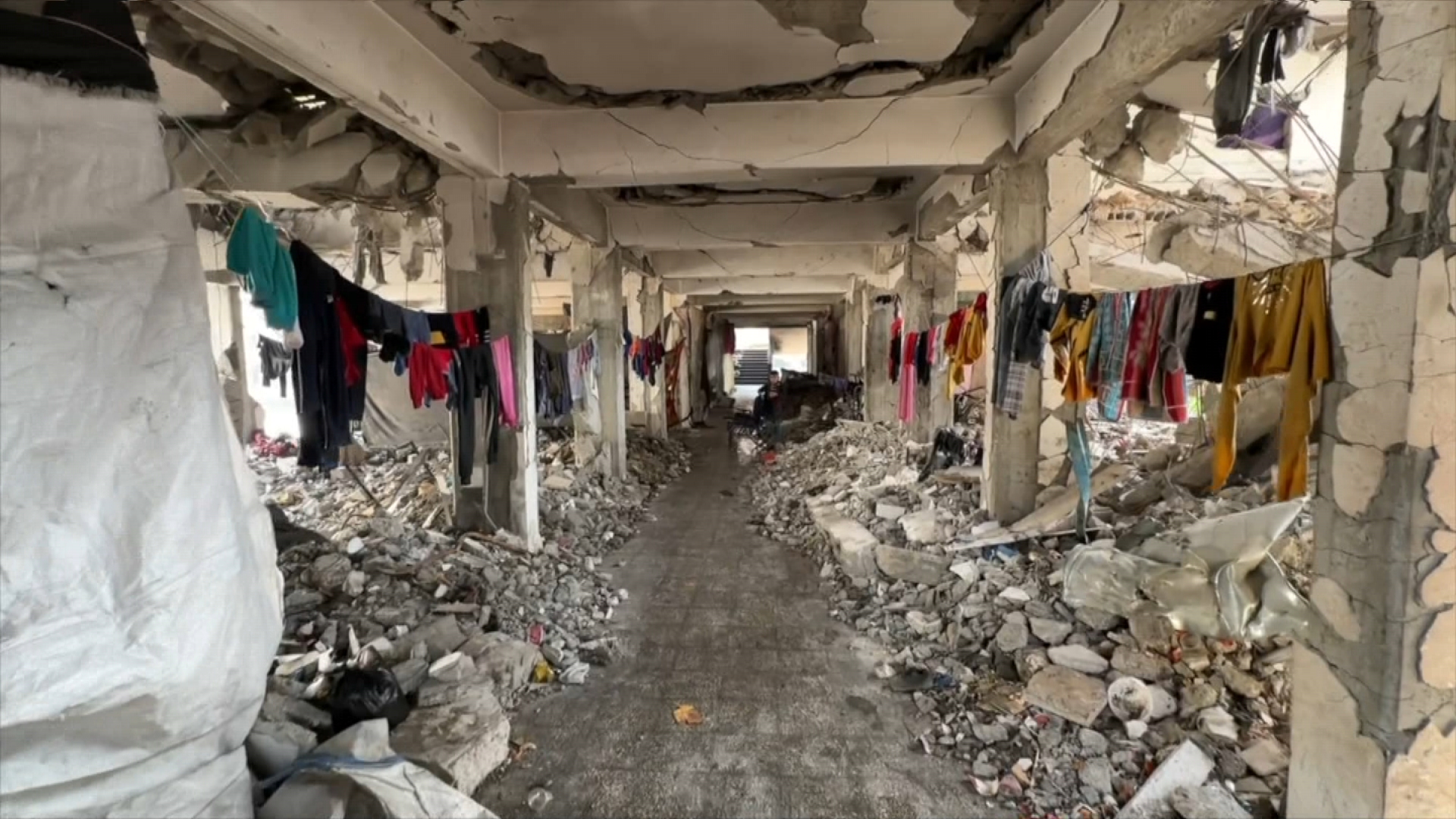
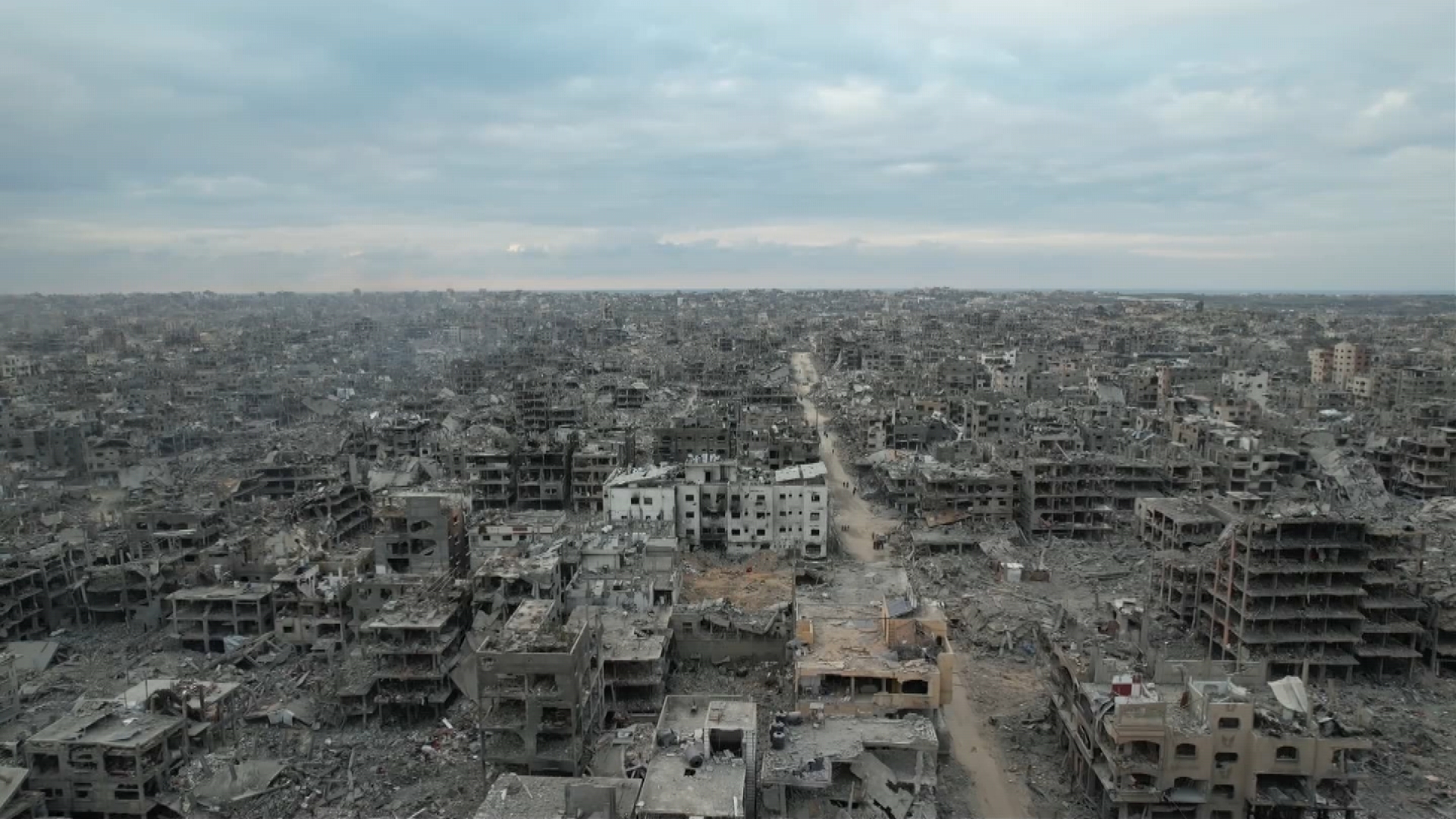
The war in Gaza has left an unprecedented level of destruction, with an estimated 51 million tons of rubble blanket the landscape where bustling neighborhoods once thrived. According to a new UN damage and needs assessment report, over 60 per cent of homes – amounting to some 292,000 – and 65 per cent of roads have been destroyed, across the approximately 360 square kilometre enclave.
As the international community ponders Gaza’s future and how to rebuild, Al-Majdalawi is sure of one thing: “We will not leave. That will not happen. This is our land.’’
Moving cautiously through the rubble, Yasser Ahmed says: “I am looking for my papers.” His desperate search is made even more daunting because adjacent structures have collapsed in on each other. “Maybe while I am removing the rubble, I will find a human body, an explosive device,’’ he adds, underlining the huge emotional and physical risks of dislodging debris in a war zone.
In collaboration with the Palestinian Ministry of Public Works and Housing, the UN Development Programme-led Programme of Assistance to the Palestinian People and the UN Environment Programme co-chair a debris management group that brings together more than 20 entities to support the response to this critical issue across the Gaza Strip.
UN staff are drawing on similar experiences in Mosul, Iraq, and the Syrian cities of Aleppo and Latakia, all decimated by war.
UNOPS, a UN agency that provides infrastructure, procurement and project management services around the world, is part of Gaza’s ‘Debris Management Working Group.’
The agency, which has conducted threat and risk assessments throughout the Territory, has developed advanced GeoAI and remote sensing techniques, including 3D modeling technologies, to enhance explosive hazard evaluation and rubble removal strategies.
UNOPS Executive Director Jorge Moreira da Silva, following a recent trip to Gaza, says explosive hazard education had been provided to 250,000 Palestinians and some 1,000 humanitarian workers, providing “critical knowledge to stay safe and navigate explosive hazards effectively.”
UNDP, which helps countries reduce poverty, build resilience and achieve sustainable development, started removing rubble from Gaza in December 2024, weeks before a ceasefire began.
UNDP’s Sarah Poole says about 28,500 tons of rubble were initially removed, and 290 tons of it used for roadworks to enhance humanitarian operations, restoring access to sites such as a hospital, a bakery and a critical water supply plant.
Poole describes the issue of land and property ownership in Gaza as “very complex” – particularly when title deeds, inheritance records and other legal documents are lost or destroyed.
Amjad Al-Shawa, Director of the network of NGOs in the Gaza Strip, says the issue of rubble represents a “major challenge.’’
“We need a mechanism to dispose of the rubble which will take a long time, and which requires resources that are not available in the Gaza Strip,’’ he says.
“Today, this rubble also represents the possessions of the residents. Many disputes may arise between families.’’
Some $7 million has already been made available from various donors to aid the rubble removal – but Poole says an additional $40 million is needed “in this initial phase in order to significantly scale up the work.”
“The issue of access and the ability to bring in some of the heavy equipment that is needed is also absolutely essential,” she adds.
The challenge ahead looks daunting: Once-thriving neighborhoods have been leveled – very little remains. In this Territory where people turning 18 have already lived through five massive armed conflicts, the destruction this time is significantly worse.
The cost of the damage to physical infrastructure has been estimated at some $30 billion, according to the UN. The housing sector was the hardest hit, with losses amounting to $15.8 billion. The costs of recovery and reconstruction are estimated at over $53 billion.
“There is no residential life here. I look around and see nothing but destruction,’’ says Yasser Ahmed, standing in front of the wreckage of his house. “The hard work of 59 years – the number of years of my life – was lost, and everything is gone.’’
“Everything is under the rubble,’’ he says. “I miss my home … a person is only comfortable in his home and his own place.”
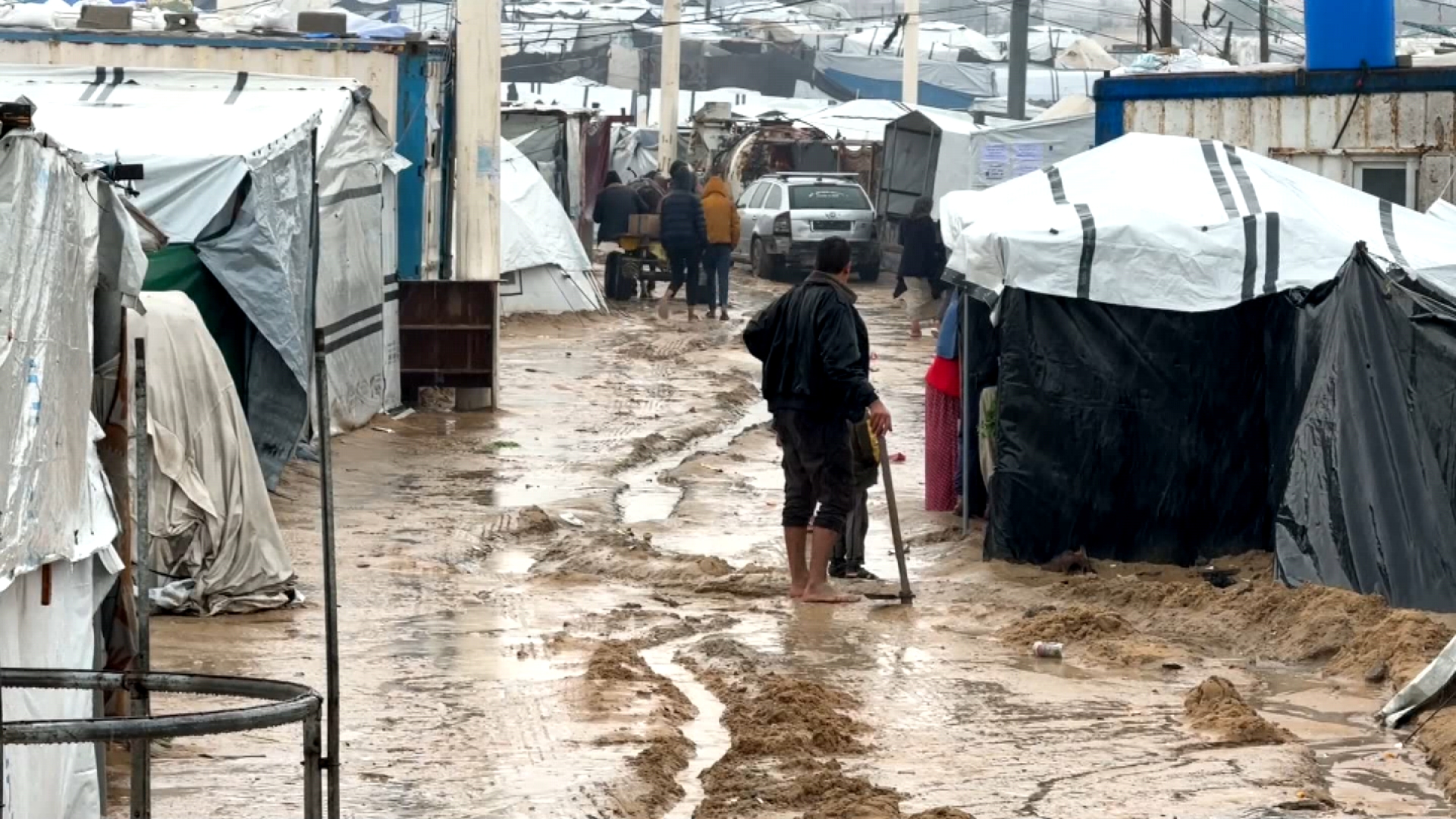
Nearby, Ramadan Katkat sits on the remnants of his home. Living in tents precariously perched atop mounds of rubble, he echoes the despair felt by many: Beneath them could lie a perilous mix of unexploded devices and human remains.
His wish? “We want to live.’’
Al-Majdalawi is adamant, though: “We are capable of rebuilding the land.”
On Tuesday (4 Mar), Secretary-General António Guterres will be in Cairo to join the Extraordinary Summit of the League of Arab States to discuss the reconstruction of Gaza.
Download
There is no media available to download.
Related Content
WHO / GAZA KHAN YOUNIS ASSESMENT