Media Home
 UN Web TV
 UN Audiovisual Library
 UN Photo
UN / SYRIA UNDP SOCIOECONOMIC PRESSER
STORY: UN / SYRIA UNDP SOCIOECONOMIC PRESSER
TRT: 03:54
SOURCE: UNIFEED
RESTRICTIONS: NONE
LANGUAGES: ENGLISH / NATS
DATELINE: 20 FEBRUARY 2025, NEW YORK CITY / FILE
FILE – NEW YORK CITY
1. Wide shot, aerial view of the United Nations headquarters
20 FEBRUARY 2025, NEW YORK CITY
2. Wide shot, press briefing room with speakers on screen
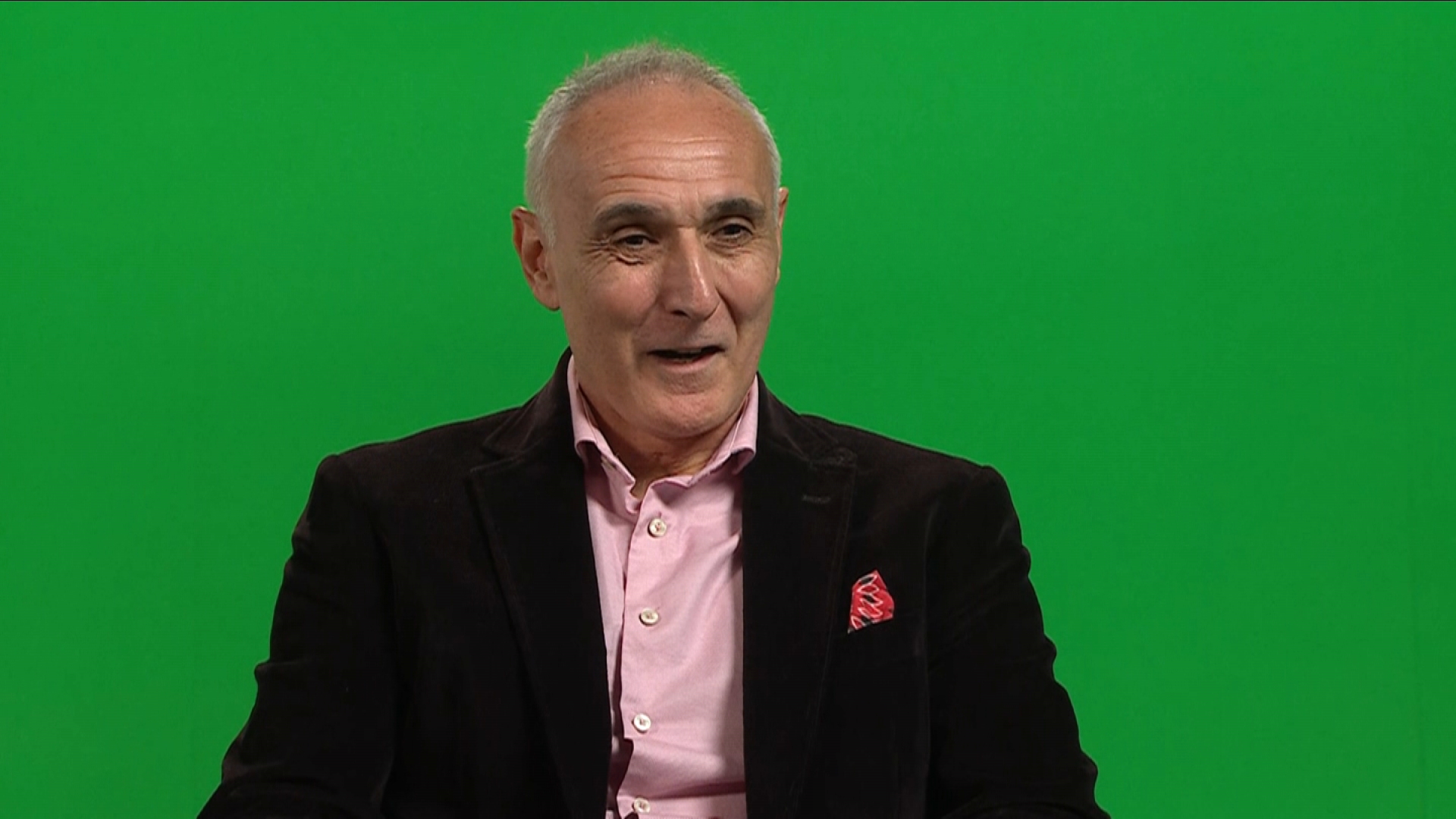
3. SOUNDBITE (English) Abdallah Al Dardari, Assistant Administrator and Director, Regional Bureau for Arab States, UN Development Program (UNDP):
“The team has been working since 8th December, fervently, in order to develop a UN - Syria Transition Plan, and whatever UNDP is doing these days in preparing for socio economic recovery and a governance offer, falls under that common UN framework.”
4. SOUNDBITE (English) Abdallah Al Dardari, Assistant Administrator and Director, Regional Bureau for Arab States, UN Development Program (UNDP):
“The lives lost in the Syria conflict so far, what has been reported is 618,000. So, this is one of the deadliest conflicts in recent history. 113,000 people forcibly disappeared, and we don't know their fate yet. And forcibly displaced people is more than half of the population, with 7.2 million IDPs and 6 million refugees.”
5. SOUNDBITE (English) Abdallah Al Dardari, Assistant Administrator and Director, Regional Bureau for Arab States, UN Development Program (UNDP):
“The economic impact is also enormous. The GDP loss is more than half. The people living in poverty today are 90 per cent of the population. That is three times the level of poverty of 2010. And living in extreme poverty today is 66 per cent of the population, which is six times the level of 2010 which was eleven per cent of the population. Unemployment rates increased from eight per cent to 24 per cent with 5.4 million people have lost their jobs. And the dependence on assistance is today 16.5 million Syrians depend on assistance. With food insecurity: acute food insecurity is 4 per cent, severe food insecurity is 52 per cent and at risk are 13 per cent of the population.”
6. Med shot, journalist
7. SOUNDBITE (English) Abdallah Al Dardari, Assistant Administrator and Director, Regional Bureau for Arab States, UN Development Program (UNDP):
“80 per cent of the country's energy capacity has been lost. Syria used to generate around 9000 megawatts in 2010, today it is generating less than 1500 megawatts. 70 per cent of the power plants have been damaged, and 75 per cent of the national grid load capacity have been lost. Out of 5.5 million homes in 2010, 328,000 homes fully destroyed, and one out of three houses destroyed or damaged.”
8. SOUNDBITE (English) Abdallah Al Dardari, Assistant Administrator and Director, Regional Bureau for Arab States, UN Development Program (UNDP):
“So, what does that mean for recovery? Because we believe that there is a chance for recovery, and that the UN is working on a transition and recovery framework, and UNDP, as the agency working on economic and social and human development, is preparing some scenarios for recovery. I must say that the most startling figure at the moment is that should Syria continue to grow at the average of the past five years of growth, which was 1.3 per cent GDP growth annually, it will go back to the 2010 GDP in 55 years.”
9. SOUNDBITE (English) Abdallah Al Dardari, Assistant Administrator and Director, Regional Bureau for Arab States, UN Development Program (UNDP):
“As for the donor funding, we all know the ODA situation. Syria still needs a large amount of grant funding, but actually the country depends, and will depend on investments.”
10. Wide shot, end of press briefing
"This is one of the deadliest conflicts in recent history," said UN official Abdallah Al Dardari, briefing journalists on the socioeconomic impact of 14 years of the conflict in Syria.
Speaking virtually at a press briefing today (Feb 20), Al Dardari outlined the devastating human and economic toll of the war. “The lives lost in the Syria conflict so far, what has been reported is 618,000,” he said, adding that 113,000 people remain forcibly disappeared with their fate unknown. More than half of the country's population has been forcibly displaced, including 7.2 million internally displaced persons (IDPs) and six million refugees.
The economic impact, he noted, has been equally severe. “The GDP loss is more than half. The people living in poverty today are 90 per cent of the population. That is three times the level of poverty of 2010,” he said. Extreme poverty now affects 66 percent of Syrians, six times the pre-war figure of 11 percent. The conflict has also resulted in widespread unemployment, with job losses affecting 5.4 million people and the unemployment rate rising from eight percent to 24 percent.
With economic collapse deepening, dependence on humanitarian assistance continues to grow. “16.5 million Syrians depend on assistance,” Al Dardari said, highlighting food insecurity as a critical concern. “Acute food insecurity is four per cent, severe food insecurity is 52 per cent,” he said.
The war has also devastated Syria’s infrastructure, particularly its energy sector. “80 per cent of the country's energy capacity has been lost. Syria used to generate around 9000 megawatts in 2010; today, it is generating less than 1500 megawatts,” he said. Damage to power plants and the national grid has left the country struggling to meet basic energy needs, with 70 percent of power plants and 75 percent of grid load capacity lost.
Housing destruction has been extensive, with Al Dardari reporting that “out of 5.5 million homes in 2010, 328,000 homes [were] fully destroyed, and one out of three houses [was] destroyed or damaged.”
Despite these grim figures, Al Dardari emphasized that there remains a pathway to recovery. “Because we believe that there is a chance for recovery, and that the UN is working on a transition and recovery framework, and UNDP, as the agency working on economic and social and human development, is preparing some scenarios for recovery,” he said. However, he warned that if Syria continues its current trajectory of 1.3 percent GDP growth per year, “it will go back to the 2010 GDP in 55 years.”
On financial support, he acknowledged ongoing challenges in securing official development assistance (ODA) and stressed the need for investment. “Syria still needs a large amount of grant funding, but actually the country depends, and will depend on investments,” he said.
Al Dardari underscored the UN’s commitment to Syria’s recovery through its Transition Plan, with UNDP focusing on socioeconomic rebuilding within a broader UN-led framework.
Download
There is no media available to download.
Related Content
GAZA / REBUILD CAMPAIGN