Media Home
 UN Web TV
 UN Audiovisual Library
 UN Photo
UNICEF / NUTRITION SERVICES DISRUPTION
STORY: UNICEF / NUTRITION SERVICES DISRUPTION
TRT: 02:56
SOURCE: UNICEF
RESTRICTIONS: PLEASE CREDIT UNICEF ON SCREEN
LANGUAGES: NATS
DATELINE: VARIOUS, SEE THE SHOT LIST
02-03 JUNE 2024, PULI KHUMRI & BURKA DISTRICT, BAGHLAN PROVINCE, AFGHANISTAN
1. Wide shot, families entering UNICEF-supported health clinic for health and nutrition services
2. Wide shot, a healthcare provider speaking to families
3. Medium shot, families listening to a healthcare provider
4. Close up shot, families listening to a healthcare provider
5. Medium shot, families entering examination room
6. Medium shot, a healthcare provider examining the child
16 MAY 2024, CAP-HAITIAN, HAITI
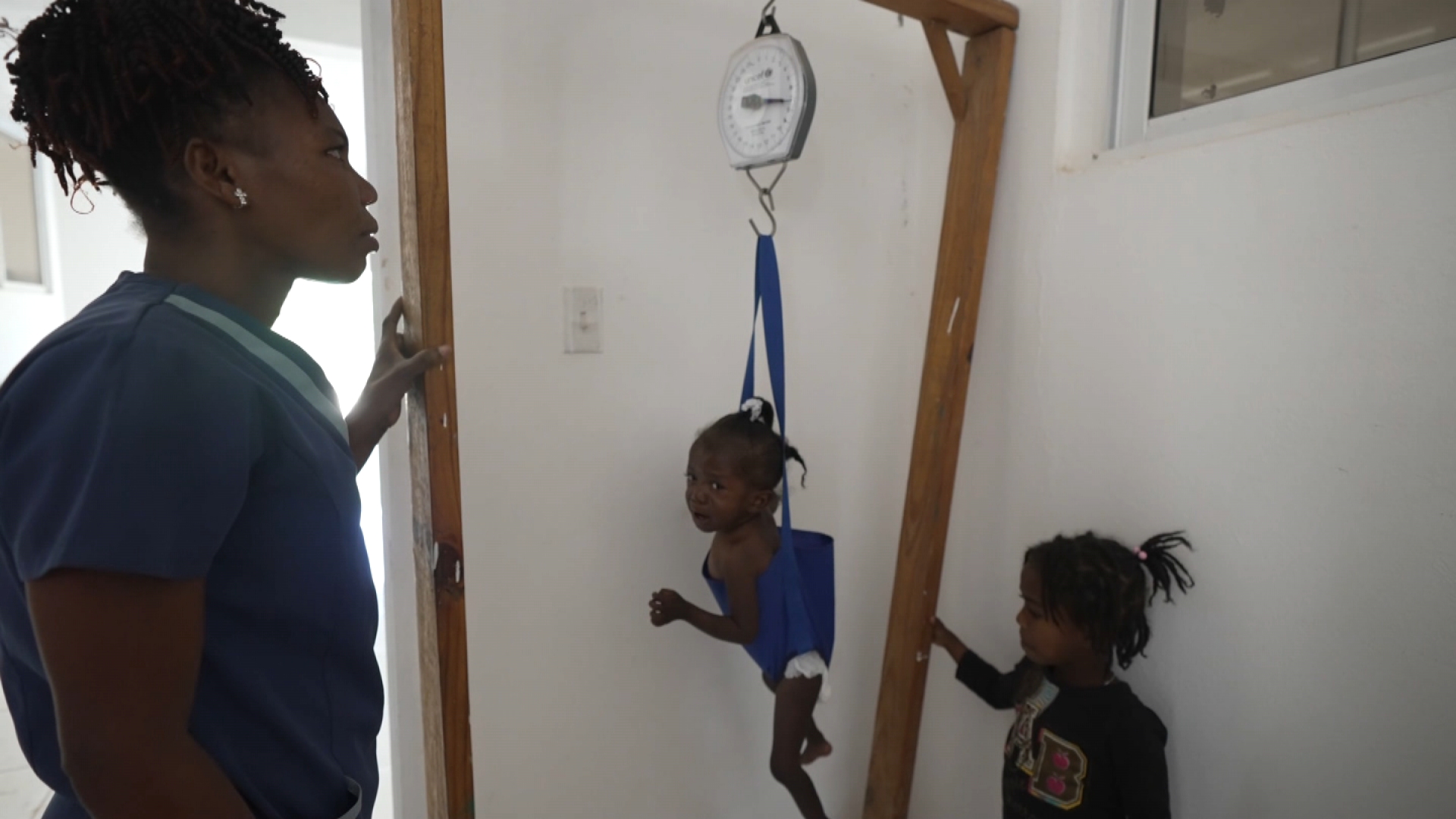
7. Medium shot, a mother holding a child
8. Medium shot, a mother holding a child
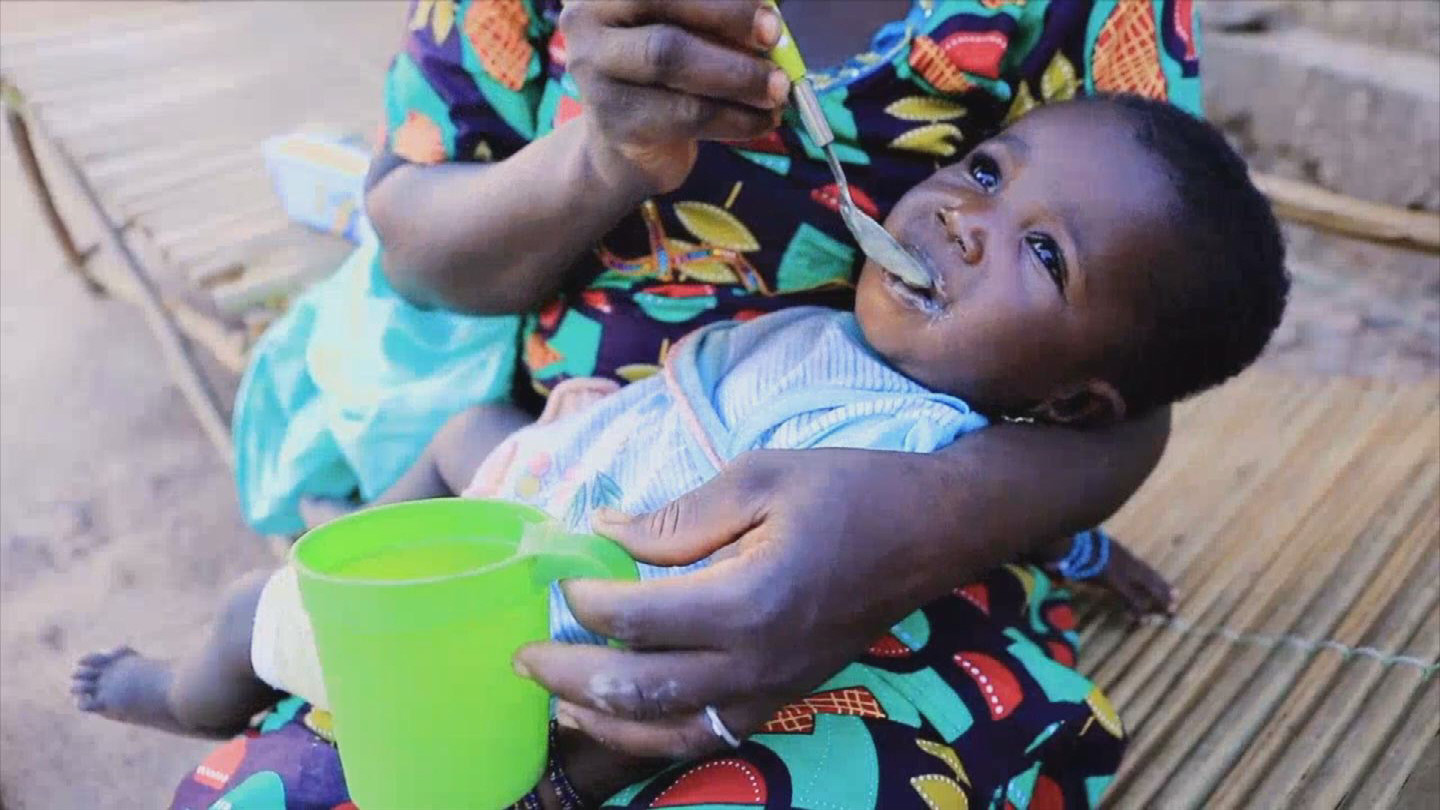
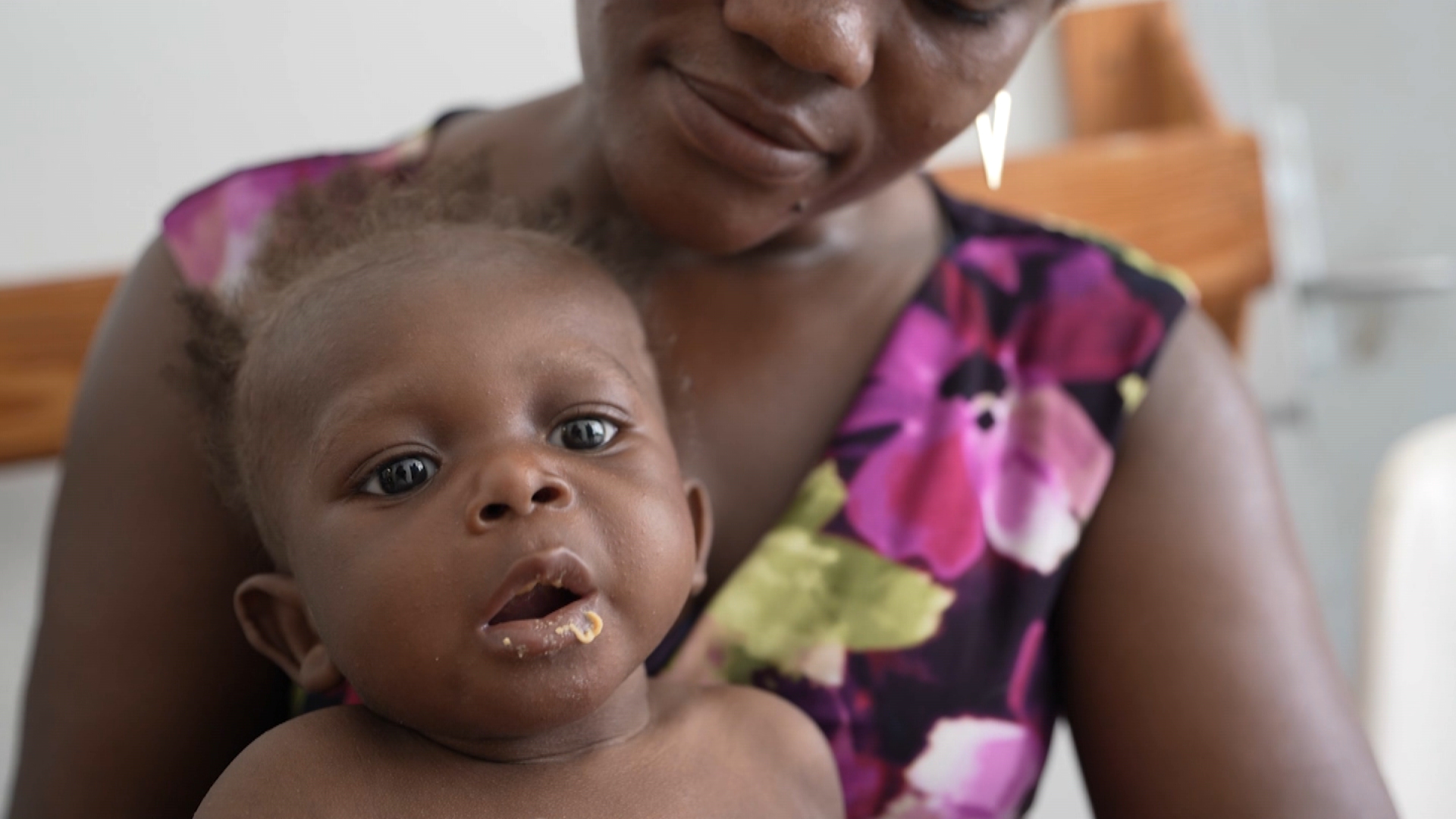
9. Close up shot, mother handles RUTF (Ready to use therapeutic food) to make it softer so her child can eat it
10. Medium shot, child eating RUTF
11. Close up shot, child eating RUTF
14 FEBRUARY 2024, RAFAH, SOUTHERN GAZA STRIP, STATE OF PALESTINE
12. Wide shot, UNICEF staff speaking with healthcare workers in pediatric clinic tent aiming for early case identification and treatment to detect and treat cases early
13. Medium shot, young mother with toddler in her arms listening
14. Medium shot, child receiving ready-to-use therapeutic food (RUTF)
JANUARY 2025, KASSALA STATE, SUDAN
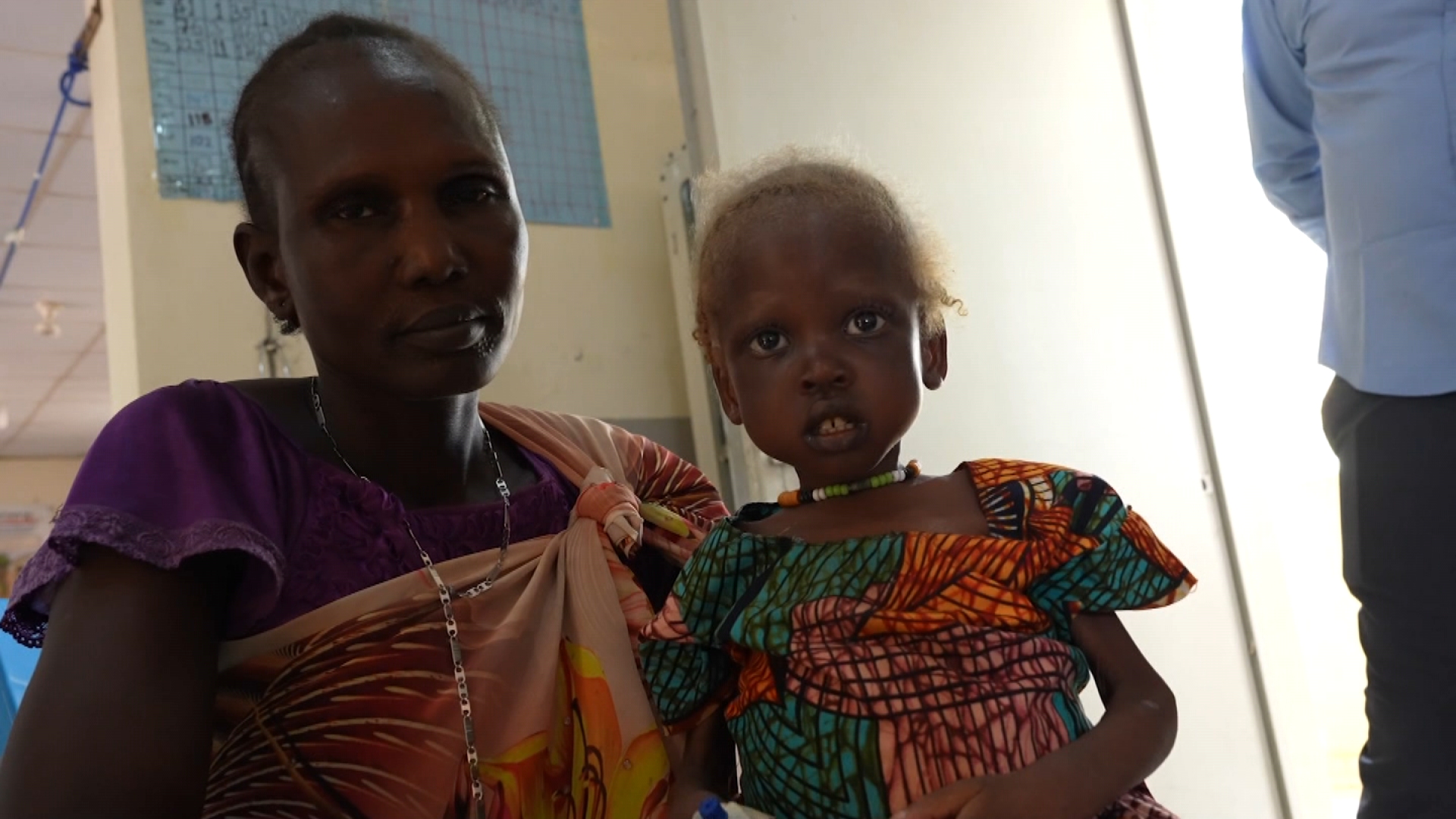
15. Medium shot, a mother and a child at UNICEF-supported health clinic
16. Close up shot, a child in mother’s arms
17. Wide shot, a mother receiving RUTF at UNICEF-supported health clinic
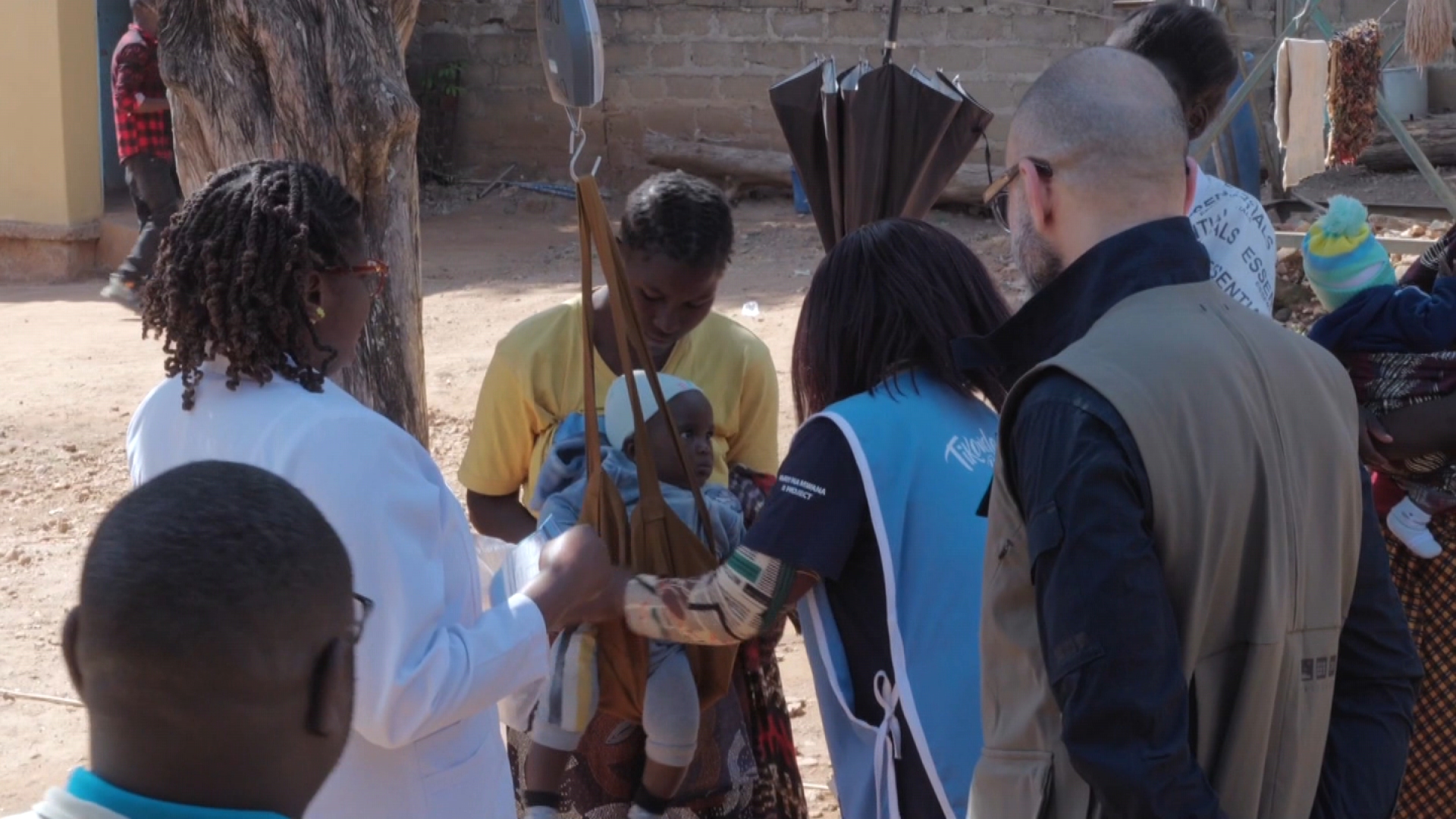
18. Wide shot, a child screened for malnutrition at UNICEF-supported health clinic.
OCTOBER 2024, ZAMZAM IDP CAMP, SUDAN
19. Wide shot, mothers and children at UNCIEF-supported health clinic
20. Medium shot, healthcare worker instructing mother on feeding with therapeutic food
21. Various shots, healthcare worker giving tutorial on administrating RUTF to a child
At least 14 million children are expected to face disruptions to nutrition support and services because of recent and expected global funding cuts, leaving them at heightened risk of severe malnutrition and death – according to initial analyses issued by UNICEF as world leaders gather at the Nutrition for Growth Summit in Paris.
The funding crisis comes at a time of unprecedented need for children who continue to face record levels of displacement, new and protracted conflicts, disease outbreaks, and the deadly consequences of climate change – all of which are undermining their access to adequate nutrition.
“Over the last decades, we have made impressive progress in reducing child malnutrition globally because of a shared commitment and sustained investment,” said UNICEF Executive Director Catherine Russell. “Since 2000, the number of stunted children under the age of five has fallen by 55 million, and the lives of millions of severely malnourished children have been saved. But steep funding cuts will dramatically reverse these gains and put the lives of millions more children at risk."
Additional impacts across 17 high priority countries due to funding cuts include:
1. More than 2.4 million children suffering from severe acute malnutrition could go without Ready-to-use-Therapeutic-Food (RUTF) for the remainder of 2025.
2. Up to 2,300 life-saving stabilisation centres – providing critical care for children suffering from severe wasting with medical complications – are at risk of closing or severely scaling back services.
3. Almost 28,000 UNICEF-supported outpatient therapeutic centres for the treatment of malnutrition are at risk, and in some cases have already stopped operating.
Today, levels of severe wasting in children under five remain gravely high in some fragile contexts and humanitarian emergencies. Adolescent girls and women are especially vulnerable. Even before the funding cuts, the number of pregnant and breastfeeding women and adolescent girls suffering from acute malnutrition soared from 5.5 million to 6.9 million – or 25 per cent – since 2020. UNICEF expects these figures to rise without urgent action from donors as well as adequate investments from national governments.
“UNICEF is calling on governments and donors to prioritise investments in health and nutrition programmes for children and is urging national governments to allocate more funding to domestic nutrition and health services. Good nutrition is the foundation of child survival and development, with impressive returns on investment. Dividends will be measured in stronger families, societies and countries, and a more stable world,” said Russell.
To address child and maternal malnutrition in the long-term – including through the prevention, detection, and treatment of child undernutrition – UNICEF launched the Child Nutrition Fund (CNF) in 2023, with the support of the UK Foreign Commonwealth and Development Office, the Gates Foundation, and the Children’s Investment Fund Foundation. UNICEF continues to urge governments, partners and philanthropic donors to contribute to this lifesaving fund and other flexible funding instruments for children and women.
Download
There is no media available to download.