Media Home
 UN Web TV
 UN Audiovisual Library
 UN Photo
IFAD / FAMILY REMITTANCES INTERNATIONAL DAY
STORY: IFAD / FAMILY REMITTANCES INTERNATIONAL DAY
TRT: 5:59
SOURCE: IFAD
RESTRICTIONS: CREDIT IFAD ON SCREEN / EMBARGO 00:01 GMT MONDAY 16 JUNE 2025
LANGUAGES: ENGLISH / NEPALESE / NATS
DATELINE: SEE SHOTLIST FOR DETAILS
FILE – SENEGAL
1. Close up, bank clerk's hands counting money in a bank
2. Close up, back client counting out money in a bank
3. Close up, sign for Digital remittances
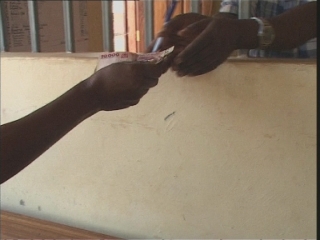
4. Close up, woman handing over money in a bank
5. Med shot, client leaving the bank
FILE – ROME
6. Close up, UN flag waving in from of IFAD headquarters
7. Wide shot, IFAD headquarters
12 JUNE 2025, ROME, IFAD HEADQUARTERS
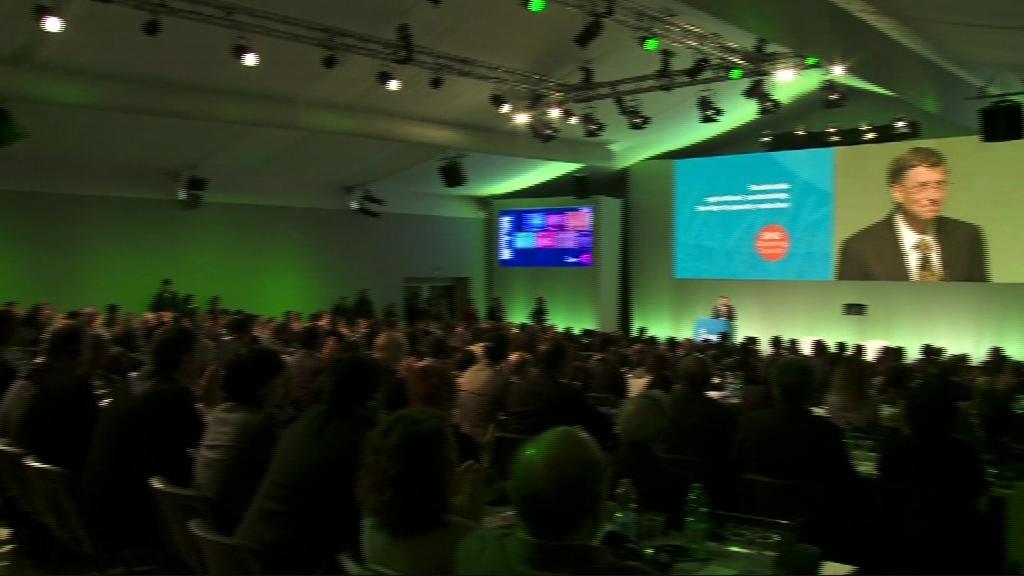
8. SOUNDBITE (English) Alvaro Lario, President, IFAD:
“Today, on the international day of family remittances, we honour 200 million migrants who support 800 million loved ones back home. These flows now surpass aid and foreign direct investment, combined, in low- and middle-income countries. They fund food, health, education, and entrepreneurs.”
FILE – RWANDA
9. Wide shot, clients entering in a bank in Rwanda
10. Close ups, client sitting in the bank waiting
11. Med shot, woman behind the desk working
12. Close up, work desk and a woman reviewing documents
13. Close up, woman typing on keyboard
FILE – DECEMBER 2024, CHINNAMASTRAL, NEPAL
14. SOUNDBITE (Nepalese) Bibha, project participant:
“I cook food for the children, serve my in-laws, and do household chores. My father-in-law works outside and earns money. My mother-in-law mostly stays at home, and i help her with farming work.”
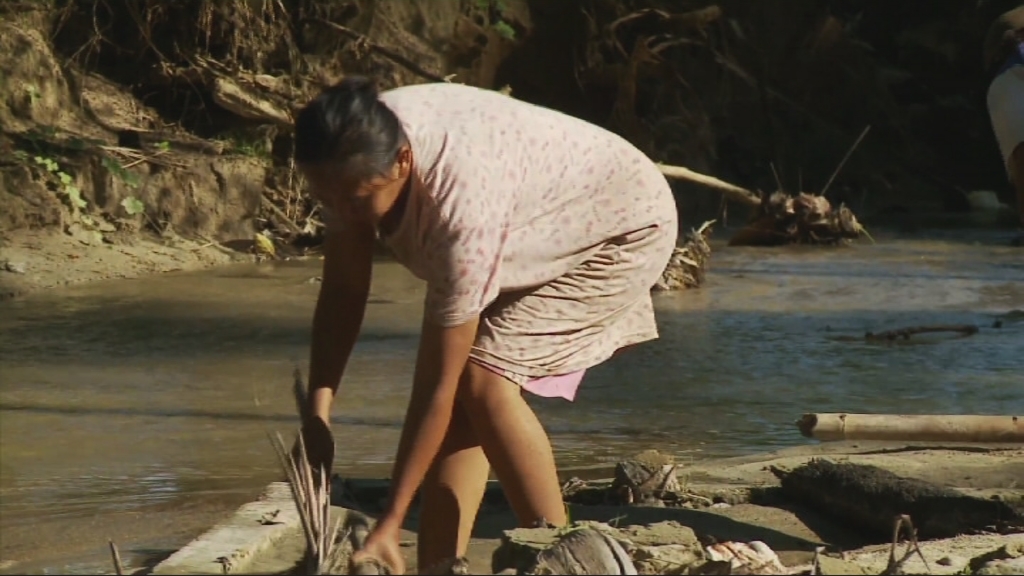
15. Various shots, Bibha washing clothes on the ground
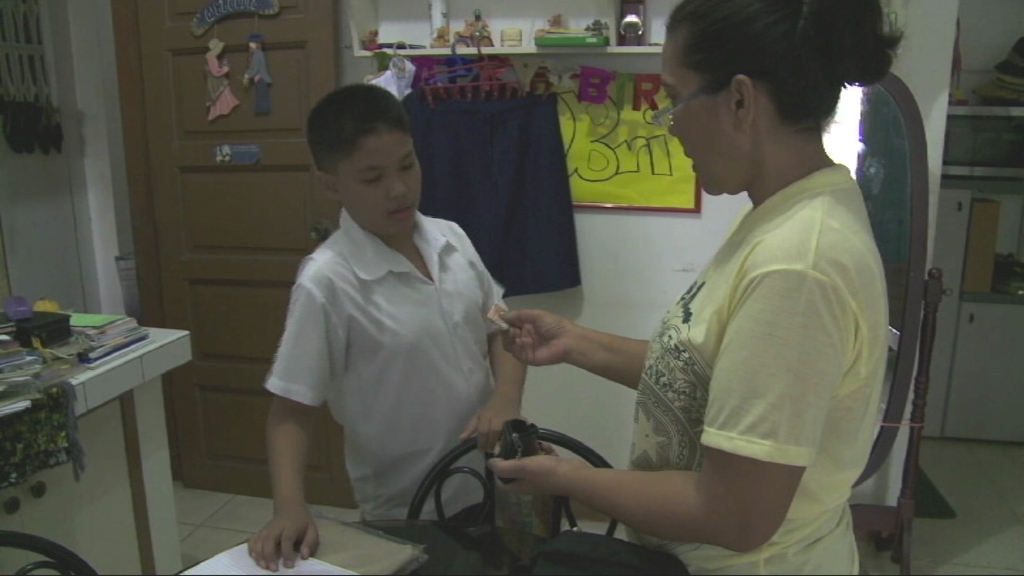
16, Various shots, Bibha welcoming home her two children after school
17. Various shots, Bibha heaping her children with homework
18. Various shots, Bibha bringing the cow to the stall
19. SOUNDBITE (Nepalese) Bibha, project participant:
“Even though he was abroad, my husband didn’t earn much and only spent it on himself. The situation wasn’t good. There was no income. How can we manage like this?”
FILE – SENEGAL
20. Pan right, various bank logos
21. Various shots, client signing papers at the bank
22. Close up, client signing papers at the bank
23. Various shots, client leaving the bank
12 JUNE 2025, ROME, IFAD HEADQUARTERS
24. SOUNDBITE (English) Alvaro Lario, President, IFAD:
“At IFAD, we see remittances as tools of transformation. In Nepal, the Gambia, Kenya, Mali and beyond we help families turn their lifelines into lasting opportunity. By lowering cost and expanding access to digital finance, we can empower even more families to save, invest, and build productive and sustainable futures in the communities that they call home. Across the globe, IFAD-supported initiatives are demonstrating how remittances can be transformed into engines of rural development."
FILE - NEPAL
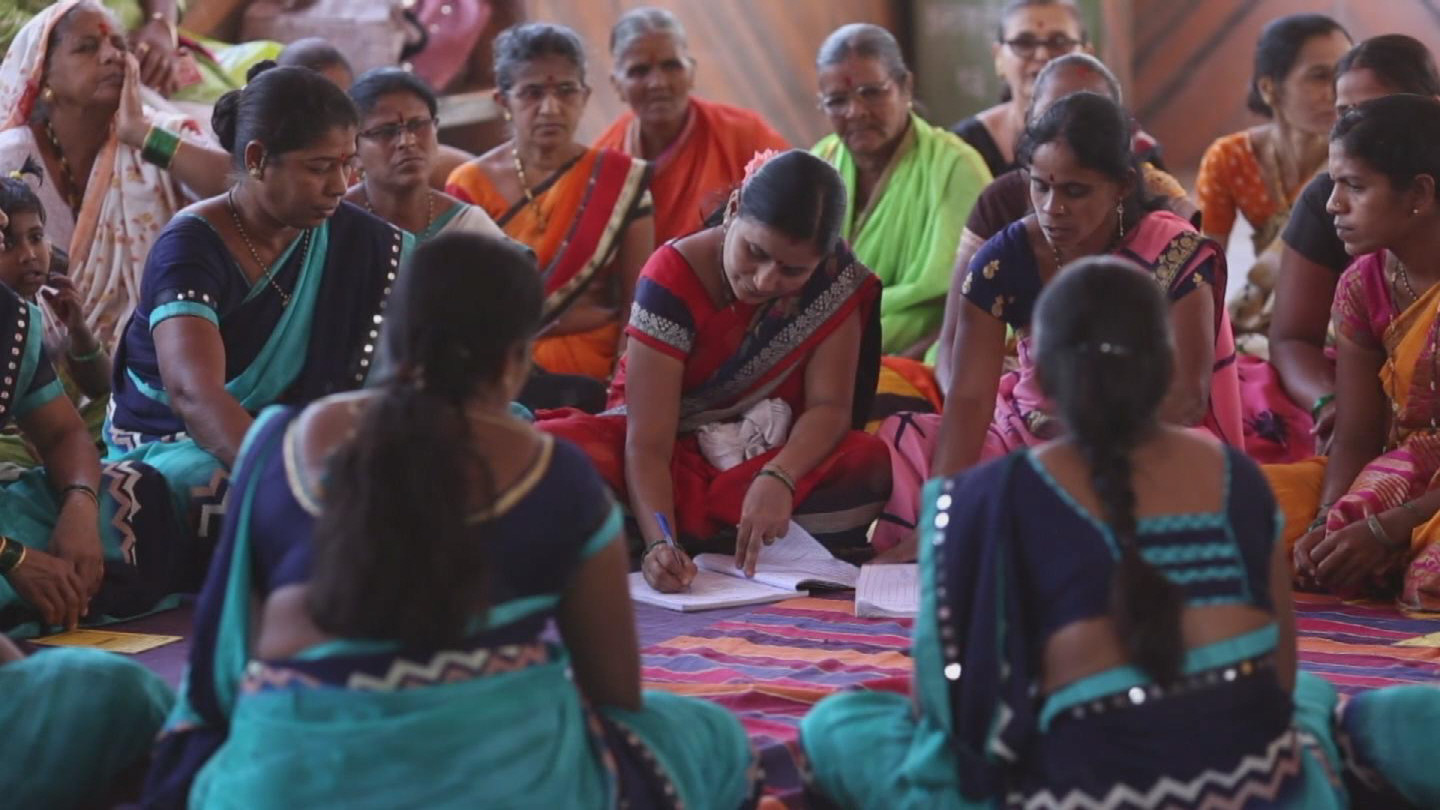
25. Various shots, Bibha and other women listening to a literacy group class
26. Various shots, Bibha and her classmates working together
FILE – DECEMBER 2024, CHINNAMASTRAL, NEPAL
27. SOUNDBITE (Nepalese) Bibha, Literacy Group:
“Later, i joined a financial and business literacy group. I started saving the money my husband sent—one thousand, two thousand, whatever amount it was. In addition to that, i started saving 600 to 700 rupees in monthly instalments. Now, i manage the household fully. I have rented five kattha (1690 sq metres of land.) We now cultivate paddy and other seasonal crops on the land. There is harmony in the family now.”
28. Various shots, Bibha pumping water from a well
29. Various shots, Bibha and her family harvesting fields
30. Various shots, A man knotting a sack of grains
31. Various shots, Bibha smiling while holding picture of her husband on the phone
32. Various shots, Bibha holding a lesson for the literacy group
33. Close up, sack of grain being filled
34. Wide shot, men working
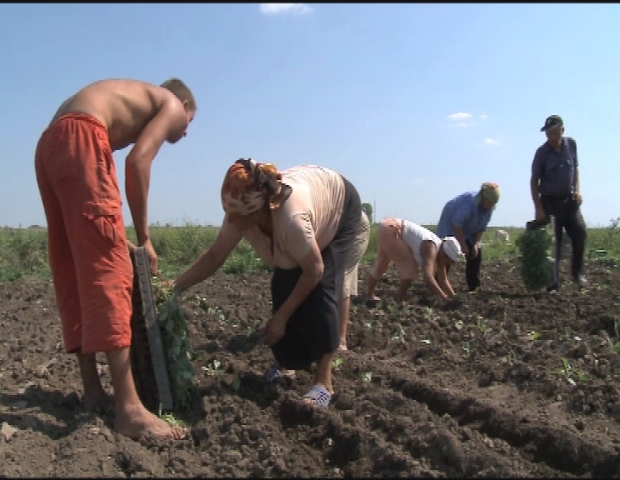
35. Various shots, Bibha and her mother-in-law working in the fields
FILE – RWANDA
36. Wide shot, people waiting in a bank
37. Close up, client being served in a bank
38. Close up, client’s hand signing paperwork
39. Close up, client’s hands picking up paper bills
10 JUNE 2025, ROME, IFAD HEADQUARTERS
40. SOUNDBITE (English) Pedro de Vasconcelos, Lead Specialist Manager, Financing Facility for Remittances (FFR):
“Well, the international day of family remittances was created over a decade ago, not only to recognize the importance of these flows, but also to protect them against harmful practices. These include taxation. Closing of bank accounts and other regulatory hurdles. Looking forward, what is important is to understand that it’s not about the money, but the people behind for which these flows are life changing. When recipients are connected with the right financial tools, they can use remittances to boost their resilience, safeguard their family and better contribute to their community.”
FILE – SENEGAL
41. Various shots, Woman waiting behind a bank's counter
42. Close up, woman' hands
12 JUNE 2025, ROME, IFAD HEADQUARTERS
43. SOUDNBITE (English) Alvaro Lario, President, IFAD:
“This is the best path to unlock, the potential of remittances, so rural communities are better equipped to meet economic, social and environmental challenges. So let us stand with migrant workers, diaspora and their families back home and join them in their effort to shape a more inclusive, equitable world for us all. Thank you for your attention.”
FILE - SENEGAL
44. Close up, hand holding phone
45. Close up, hand typing on keyboard behind a counter in a bank
46. Close up, hand typing on keyboard
47. Med shot, woman typing in details from an ID card
48. Various shots, client leaving a bank
49. Med shot, logo of bank in Senegal
On the 10th anniversary of the International Day of Family Remittances (IDFR) the UN’s International Fund for Agricultural Development (IFAD) celebrates the power of remittances and advocates on behalf of migrant workers’ sacrifice and contribution to rural development and poverty alleviation.
SOUNDBITE (English) Alvaro Lario, President, IFAD:
“Today, on the international day of family remittances, we honour 200 million migrants who support 800 million loved ones back home. These flows now surpass aid and foreign direct investment, combined, in low- and middle-income countries. They fund food, health, education, and entrepreneurs.”
In 2024, over 200 million migrant workers from low- and middle-income countries sent approximately US$685 billion in remittances to 800 million family members in their countries of origin.
SOUNDBITE (Nepalese) Bibha, project participant:
“I cook food for the children, serve my in-laws, and do household chores. My father-in-law works outside and earns money. My mother-in-law mostly stays at home, and i help her with farming work.”
Bibha lives with her family in the Chinnamastral region of Nepal, but her husband lives and works thousands of miles away in Qatar. Every month he sends money home.
While Biba’s family has a small income of their own, when remittances fail to arrive, the whole family’s economy is at risk.
SOUNDBITE (Nepalese) Bibha, project participant:
“Even though he was abroad, my husband didn’t earn much and only spent it on himself. The situation wasn’t good. There was no income. How can we manage like this?”
In 77 other developing countries, like Nepal, remittances are a vital source of external capital, and in 30 of them, these flows represent more than 10% of GDP.
This staggering amount surpasses official development assistance (ODA) and foreign direct investment (FDI) combined in most developing countries.
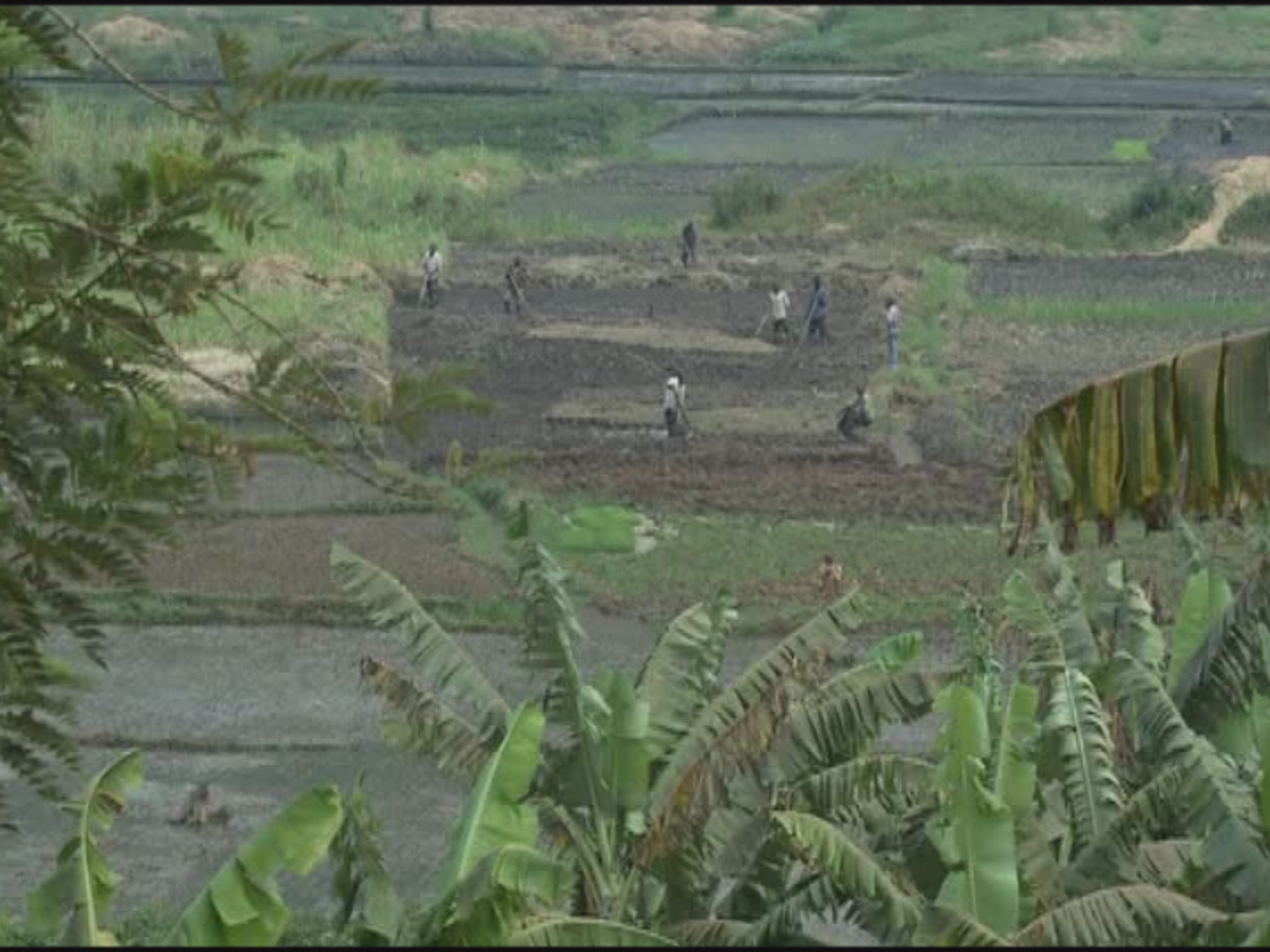
Nearly one-third of these funds reach rural areas like Bibha’s village in Nepal.
SOUNDBITE (English) Alvaro Lario, President, IFAD:
“At IFAD, we see remittances as tools of transformation. In Nepal, the Gambia, Kenya, Mali and beyond we help families turn their lifelines into lasting opportunity. By lowering cost and expanding access to digital finance, we can empower even more families to save, invest, and build productive and sustainable futures in the communities that they call home. Across the globe, IFAD-supported initiatives are demonstrating how remittances can be transformed into engines of rural development."
SOUNDBITE (Nepalese) Bibha, Literacy Group:
“Later, i joined a financial and business literacy group. I started saving the money my husband sent—one thousand, two thousand, whatever amount it was. In addition to that, i started saving 600 to 700 rupees in monthly instalments. Now, i manage the household fully. I have rented five kattha (1690 sq metres of land.) We now cultivate paddy and other seasonal crops on the land. There is harmony in the family now.”
IFAD’s experience demonstrates that families receiving as little an average of US$300 per month (the global average) are more likely to invest in small businesses, home improvements, and climate-small farming that help them adapt.
Digitalization can fast-track progress toward achieving the universal target of reducing remittance costs to 3% by 2030, potentially saving up to US$20 billion each year to those who need it most.
SOUNDBITE (English) Pedro de Vasconcelos, Lead Specialist Manager, Financing Facility for Remittances (FFR):
“Well, the international day of family remittances was created over a decade ago, not only to recognize the importance of these flows, but also to protect them against harmful practices. These include taxation. Closing of bank accounts and other regulatory hurdles. Looking forward, what is important is to understand that it’s not about the money, but the people behind for which these flows are life changing. When recipients are connected with the right financial tools, they can use remittances to boost their resilience, safeguard their family and better contribute to their community.”
SOUDNBITE (English) Alvaro Lario, President, IFAD:
“This is the best path to unlock, the potential of remittances, so rural communities are better equipped to meet economic, social and environmental challenges. So let us stand with migrant workers, diaspora and their families back home and join them in their effort to shape a more inclusive, equitable world for us all. Thank you for your attention.”
Looking ahead to the Fourth International Conference on Financing for Development (FfD4), IFAD is urging governments, financial institutions, and international organizations to fully harness the transformative power of remittances. This means putting the right tools, policies, and partnerships in place to ensure migrant contributions are protected and valued.
The UN’s International Fund for Agricultural Development (IFAD) is an international financial institution, and a specialized agency of the United Nations dedicated to eradicating poverty and hunger in rural areas of developing countries.
INTERNATIONAL DAY OF FAMILY REMITTANCES:
Working with government and private sector partners, IFAD finances projects that spur innovation and improvements in remittance markets. We increase access, competition and entrepreneurship, as well as educating migrants and their families.
Our Financing Facility for Remittances has financed over 75 projects in more than 50 countries. These projects have supported more than 1.65 million people access financial education, financial products and services, and diaspora investment.
We advocate for improved national and international remittance markets.
IFAD leads the Global Forum on Remittances, Investment and Development which brings together global stakeholders to discuss trends, opportunities and challenges.
Download
There is no media available to download.