Media Home
 UN Web TV
 UN Audiovisual Library
 UN Photo
IFAD / INDIGENOUS PEOPLES DAY
STORY: IFAD / INDIGENOUS PEOPLES DAY
TRT: 04:38
SOURCE: IFAD
RESTRICTIONS: NONE
LANGUAGES: ENGLISH / HINDI / ORIYA
DATELINE: MAY 2024 AND 24 JULY 2025, ROME, ITALY AND INDIA, ODISHA
MAY 2024, ODISHA, INDIA
1. Med shot, old woman flipping rice basket
2. Med shot, young woman cleaning the floor
3. Med shot, old woman cutting vegetables
4. Wide shot, Aeleseba walking with a metal pot on her head towards a child
5. Med shot, Aeleseba woman entering inside a house
6. SOUNDBITE (Hindi) Aeleseba, Project Participant:
“Our lives passed without being able to learn how to read and write. We were eating in the dark. We never had the opportunity to see the light.”
7. Various shots, a person preparing colours and painting the wall
8. Wide shot, Gobardhana walking in the jungle
9. Med shot, Gobardhana walking through the jungle
10. SOUNDBITE (Hindi) Gobardhana Wadaka, Project Participant:
“Earlier we lacked education and guidance. We used to sell at very low rates.”
11. Close up, Gobardhana cutting a pineapple
12. Med shot, Gobardhana holding a pineapple
13. Wide shot, village houses
14. Wide shot, group of women fetching water
15. Close up, child drinking water
16. Close up, child picking up a metal jar full of water
17. Wide shot, line of people walking with farming gear towards the fields
18. Close up, lemon grass plant
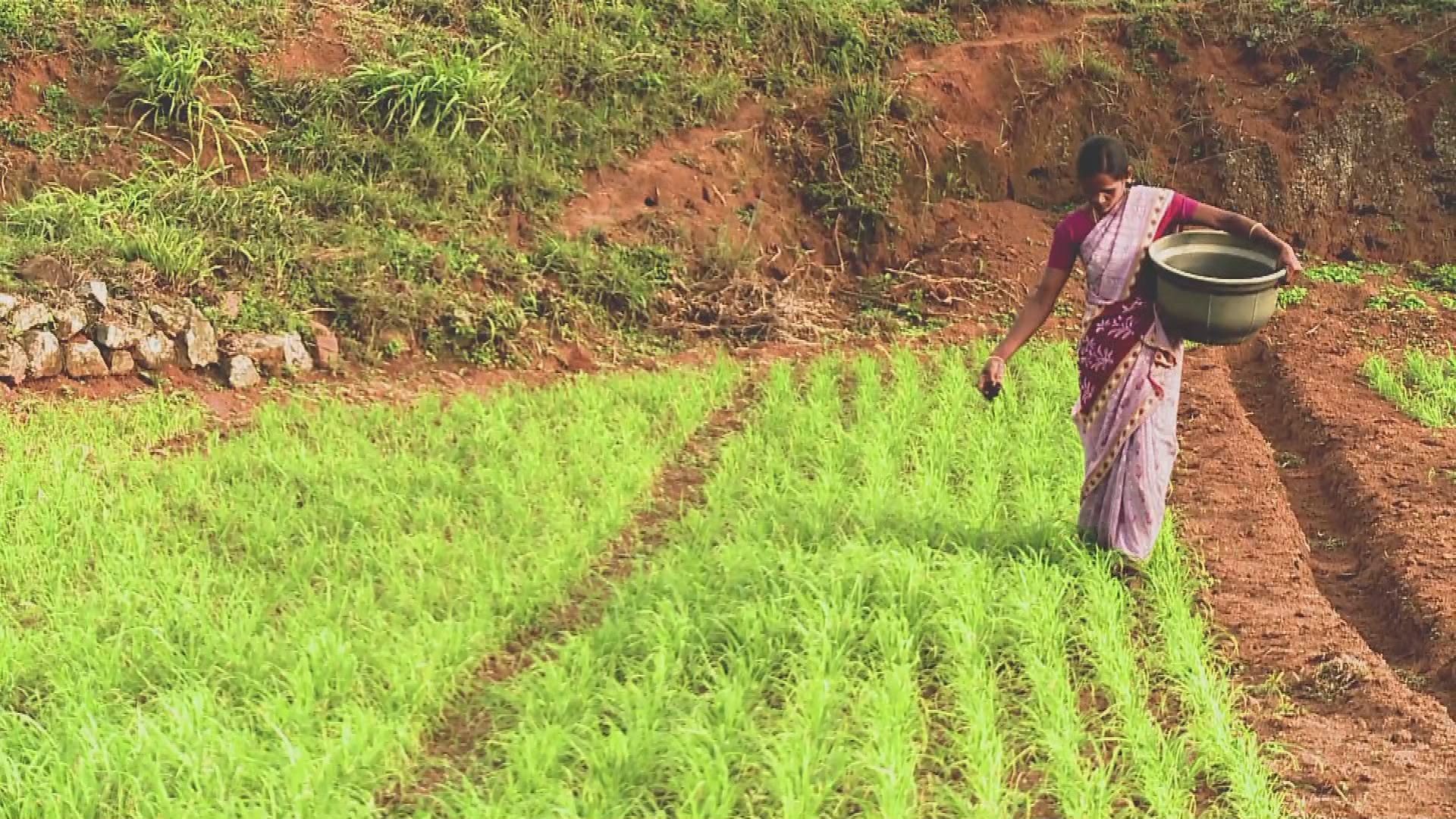
19. Med shot, two women walking through lemon grass fields
20. Close up, women collecting lemon grass
21. Wide shot, lemon grass field
22. SOUNDBITE (Oriya) Bali Majhi, Project Participant :
“The entire area of the village was uncultivated and desolate. It was completely parched and had been suffering from droughts for some years.”
23. Wide shot, group of women collection lemon grass
24 JULY 2025, IFAD HQ, ROME, ITALY
24. SOUNDBITE (English) Demirag Han Ulaç, Chief, Office of Development Effectiveness, IFAD:
"IFAD helped really cover this last mile, bringing services, basic services to these people and helping the government with expertise, with clear practical guidance on targeting these people, but also with systems to do this efficiently and comprehensively."
MAY 2024, ODISHA, INDIA
25. Various shot, people working in the fields
26. Wide shot, village
27. Various shots, women spreading cereals on the floor
28. Various shots, men playing tambourines
29. Close up, feet dancing
30. Close up, woman smiling while dancing
31. Wide shot, solar panels
32. Wide shot, village lights turning on one by one
33. Close up, woman smiling behind lightbulb
34. Wide shot, Aeleseba with child smiling behind a light bulb
35. Med shot, Aeleseba feeding children
36. SOUNDBITE (Hindi) Aeleseba, Project Participant:
“We are very pleased because the light has come. There is now light in the lives of our children. And now we finally have hope that our children have a bright future ahead. Thanks to the solar panel supply.”
37. Close up, child writing on the floor
38. Med shot, woman helping children with homework
39. Close up, child walking
40. Wide shot, Aeleseba standing in front of her house while holding a child
41. Med shot, Aeleseba turning light on and leaving
42. Wide shot, Group of people walking through a gate
43. Various shots, people talking in front of a building
44. SOUNDBITE (Hindi) Gobardhana Wadaka, Project Participant:
“OPELIP has given us training to sell products at fair prices. People are reaching out. To us to purchase pineapples at reasonable prices. We are satisfied.”
45. Wide shot, women walking through the jungle with pineapple baskets on their heads
46. Med shot, women emptying baskets on the ground
47. Wide shot, woman giving pineapple basket to a man on a truck
48. Wide shot, men emptying a pineapple basket into a truck
49. Various shots, truck full of pineapples leaving
50. Close up, hand throwing grains into a grain mill
51. Wide shot, two women walking through lemon grass fields
52. Various shots, women collecting lemon grass
53. Med shot, Bali walking
54. Wide shot, Bali gifting a sari to his wife
55. Med shot, Bali picking up and kissing a toddler
56. SOUNDBITE (Oriya) Bali Majhi, Project Participant :
“With this crop we can do five or six crop cuttings. We are selling lemongrass oil from what we grow. We utilize the money for our children's schooling, food, clothes, books, supplies for the house, and saris for our spouses.”
57. Wide shot, Crèche building
58. Various shots, children playing at the Crèche
24 JULY 2025, IFAD HQ, ROME, ITALY
59. SOUNDBITE (English) Demirag Han Ulaç, Chief, Office of Development Effectiveness, IFAD:
"IFAD has created more than 1,000 institutions, village development associations in these areas, helping people to really define their priorities in an inclusive manner and then using their own knowledge and their own ways to tackle the development problems really in a sustainable manner. Owning this process and really moving it forward."
MAY 2024, ODISHA, INDIA
60. Wide shot, women walking in the fields
61. Med shot, man crafting a basket
62. Close up, woman smiling
63. Wide shot, people walking through the fields
64. Med shot, people working in the fields
65. Close up, hands working in the fields
66. Close up, people’s faces while working in the fields
24 JULY 2025, IFAD HQ, ROME, ITALY
67. SOUNDBITE (English) Ilaria Firmian, Indigenous Peoples Specialist, IFAD:
“The beauty of IPAF, in a sense, is that it's a direct funding mechanism that really can create pathways to channel resources, including the climate and environmental resources, where they are most needed, but achieve this while meeting the rigorous financial management standards of an international financial institution such as IFAD.”
MAY 2024, ODISHA, INDIA
68. Wide shot, top view of people dancing
69. Wide shot, group of women dancing
70. Med shot, man playing tambourine with sticks
71. Close up, group of women dancing
72. Wide shot, women dancing
73. Wide shot, tambourine players
24 JULY 2025, IFAD HQ, ROME, ITALY
74. SOUNDBITE (English) Demirag Han Ulaç, Chief, Office of Development Effectiveness, IFAD:
“There's a new phase of OPELIP, OPELIP 2, which is the tool of the government to really bring OPELIP 1, the lessons and the good results, to cover all the indigenous peoples' areas in Odisha state. And the government has invited IFAD to continue to be part of this process, and we are very excited about this.”
MAY 2024, ODISHA, INDIA
75. Wide shot, group of people dressed in traditional clothes
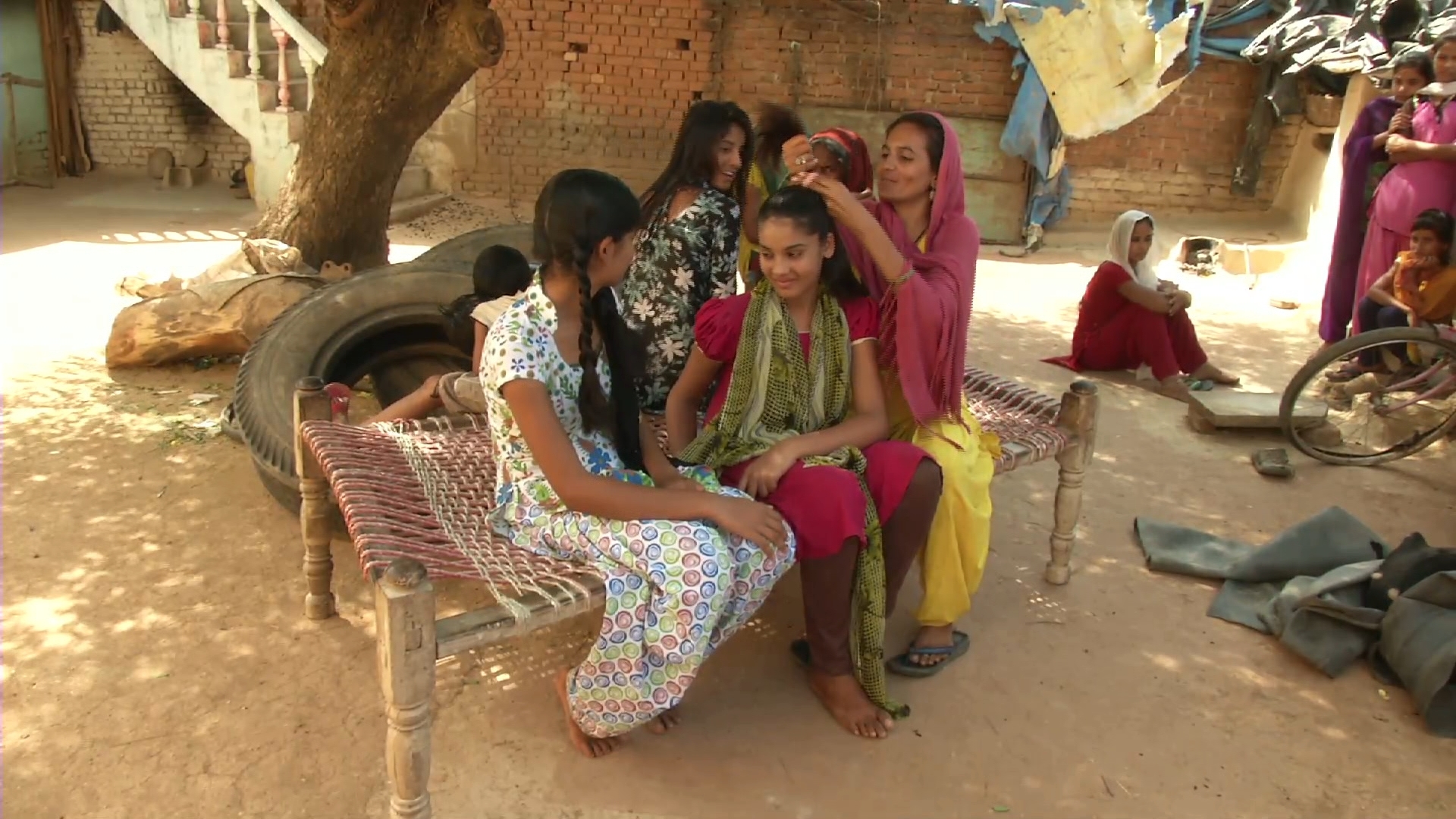
76. Close up, woman putting a hair pin to a younger girl
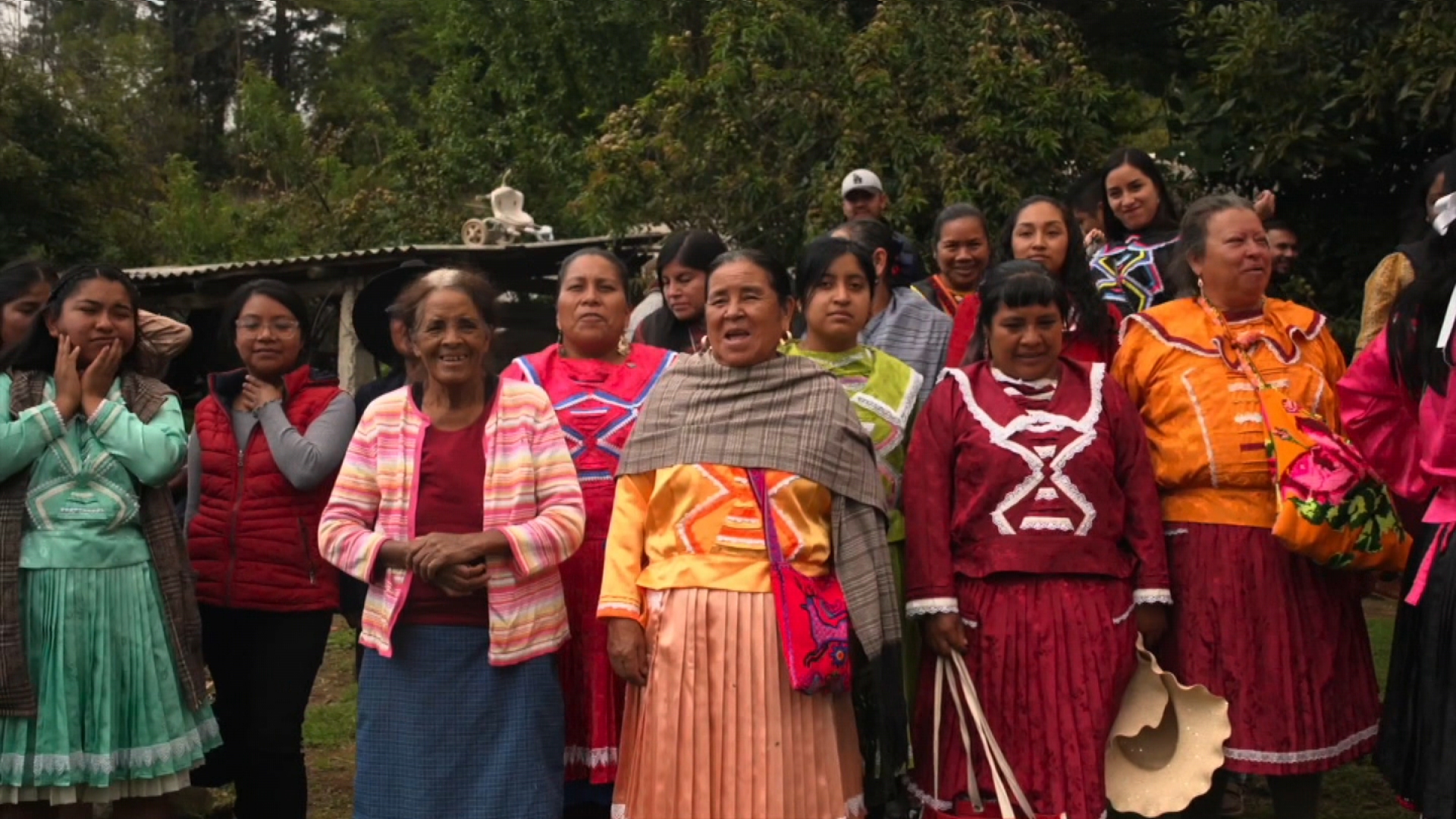
77. Wide shot, a group of women standing
78. Wide shot, mountains
Indigenous Peoples represent over 476 million people - 6.2 per cent of the global population -across more than 90 countries, including 40per cent of all terrestrial protected areas and ecologically intact landscapes.
Despite their vital role in environmental stewardship, Indigenous Peoples face persistent poverty, accounting for 18.7 per cent of those living in extreme poverty (under US$1.90/day).
IFAD works with Indigenous peoples as a priority target group, in India. In the now completed Odisha Particularly Vulnerable Tribal Groups Empowerment and Livelihoods Improvement (OPELIP I) project, IFAD worked with the government of Odisha, to support local tribal communities to improve their livelihoods.
In India’s region of Odisha, tribal groups are amongst the country’s most vulnerable people.
Traditionally, these communities farm on “shifting cultivations.”
This means that farmers relocate to change farming plot every two years and rely on fallow periods to regenerate the lands left uncultivated.
However, higher population density and increased pressure on the environment has forced these populations to shorten fallow periods, leading to farmland degradation, reduced productivity and in turn, diminished nutrition.
Lacking basic access to water, education, energy and suffering from high stunting rates, tribal groups are at the bottom of the economic and social ladder, making it even more difficult for them to break out of poverty.
Project Participant Aeleseba said, “Our lives passed without being able to learn how to read and write. We were eating in the dark. We never had the opportunity to see the light.”
Gobardhana Wadaka, another project participant said, “we lacked education and guidance. We used to sell at very low rates.”
Bali Majhi, also a project participant, said, “the entire area of the village was uncultivated and desolate. It was completely parched and had been suffering from droughts for some years.”
In 2018, the State of Odisha implemented the IFAD-supported project OPELIP, with the goal of improving Odisha tribes' living conditions.
IFAD support to the Odisha Government proved effective enabling local investments, improving nutrition education and helping farmers get better access to technologies - overall improving and diversifying rural productivity.
Demirag Han Ulaç, Chief of Office of Development Effectiveness, IFAD said, “IFAD helped really cover this last mile, bringing services, basic services to these people and helping the government with expertise, with clear practical guidance on targeting these people, but also with systems to do this efficiently and comprehensively.”
Over the years OPELIP has addressed critical infrastructure gaps, such as drinking water access, irrigation systems and drainage systems were built, and household access to electricity.
Aeleseba said, “we are very pleased because the light has come. There is now light in the lives of our children. And now we finally have hope that our children have a bright future ahead. Thanks to the solar panel supply.”
Gobardhana Wadaka said, “OPELIP has given us training to sell products at fair prices. People are reaching out to us to purchase pineapples at reasonable prices. We are satisfied.”
OPELIP project has also allowed tribal communities to add value to their land potential through lemon grass production and oil extraction.
Bali Majhi said, “with this crop (lemon grass) we can do five or six crop cuttings. We are selling lemongrass oil from what we grow. We utilize the money for our children's schooling, food, clothes, books, supplies for the house, and saris for our spouses.”
With a total investment of US$130.1 million - from IFAD, the Odisha government, and beneficiaries -OPELIP I has significantly improved the living standards, agricultural productivity, and local economic opportunities for Indigenous communities.
Demirag Han Ulaç said, "IFAD has created more than 1,000 institutions, village development associations in these areas, helping people to really define their priorities in an inclusive manner and then using their own knowledge and their own ways to tackle the development problems really in a sustainable manner. Owning this process and really moving it forward."
IFAD’s approach is rooted in the principle of Free, Prior and Informed Consent (FPIC) and of Social, Environmental and Climate Assessment Procedures (SECAP) to mitigate risks and commit fully to Indigenous-led development.
In addition to engaging Indigenous Peoples through its loan programmes, IFAD became the first UN agency to establish a funding mechanism, the Indigenous Peoples Assistance Facility (IPAF), governed by Indigenous Peoples themselves. In Asia, home to two-thirds of the world’s Indigenous and tribal peoples, these communities are actively designing and implementing projects aligned with their own development visions.
IPAF is seen as a viable channel for climate finance and for environmental resources like those pledged in the Glasgow Climate Pact to indigenous peoples' organizations.
Ilaria Firmian, Indigenous Peoples Specialist, IFAD, said, “The beauty of IPAF, in a sense, is that it's a direct funding mechanism that really can create pathways to channel resources, including the climate and environmental resources, where they are most needed, but achieve this while meeting the rigorous financial management standards of an international financial institution such as IFAD.”
In 2023, IFAD began designing the second phase (OPELIP II), building on the success of the first phase to further reduce rural poverty and improve nutrition security among particularly vulnerable tribal communities in Odisha.
Demirag Han Ulaç said, “There's a new phase of OPELIP, OPELIP 2, which is the tool of the government to really bring OPELIP 1, the lessons and the good results, to cover all the indigenous peoples' areas in Odisha state. And the government has invited IFAD to continue to be part of this process, and we are very excited about this.”
The program’s objective is to reach 100 per cent of particularly vulnerable tribes in Odisha, provide them with good access to infrastructure, good access to transformative technologies and knowledge on market access, financial literacy, so that they can prosper.
Download
There is no media available to download.
Related Content

IFAD / INTERNATIONAL DAY INDIGENOUS PEOPLES
IFAD / WORLD BEE DAY