Media Home
 UN Web TV
 UN Audiovisual Library
 UN Photo
UNMISS / MALAKAL RETURNEES
STORY: UNMISS/ MALAKAL RETURNEES
TRT: 03:06
SOURCE: UNMISS
RESTRICTIONS: NONE
LANGUAGES: ARABIC/NATS
DATELINE: 6 - 10 OCTOBER 2025, MALAKAL, SOUTH SUDAN
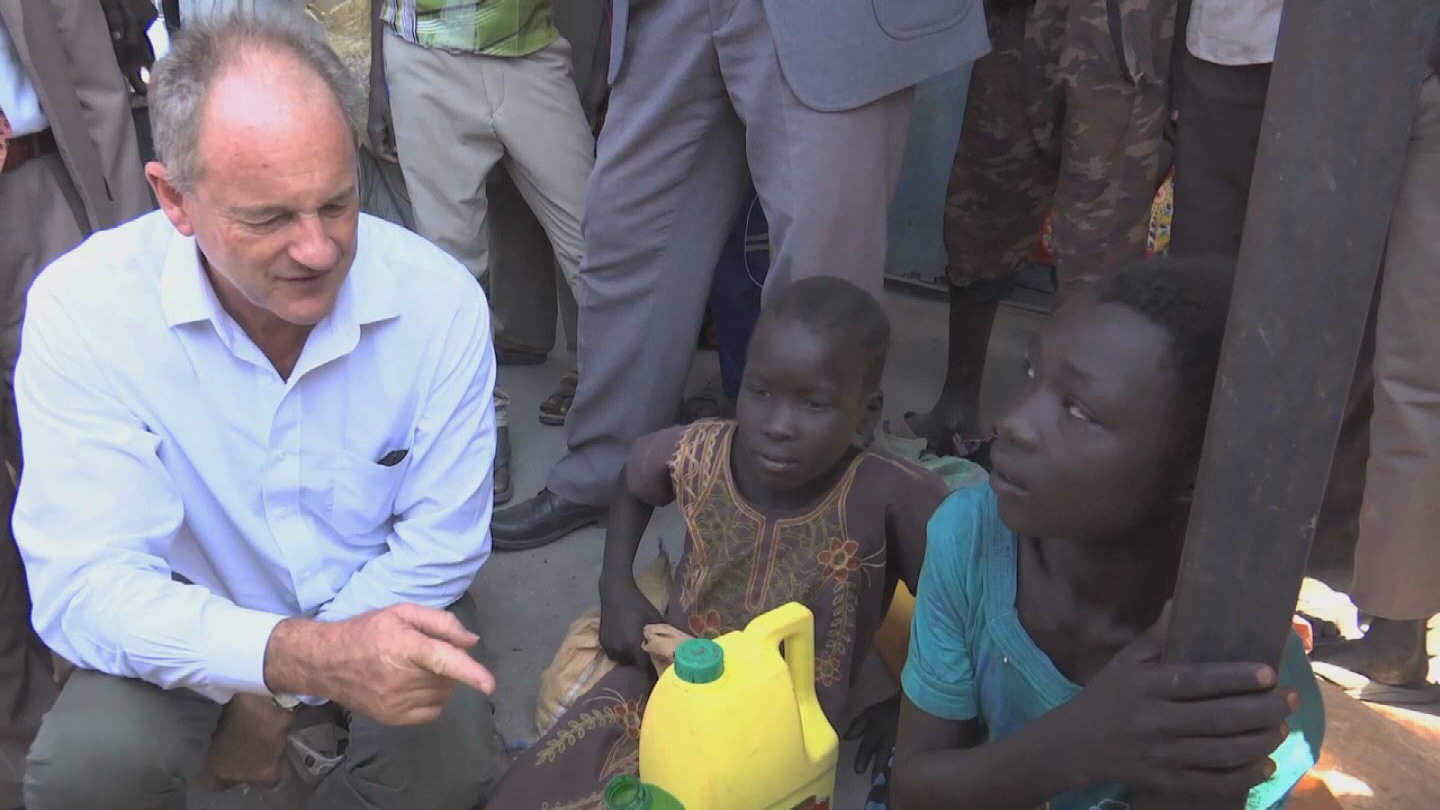
1. Various shots, people in the POC
2. SOUNDBITE (Arabic) Huda Naser El-din Suleiman, Returnee:
“At the Protection of Civilians [POC] site, the space was too small. We only had one room, and it wasn’t enough for all of us. That’s why we decided to move out of the POC and into this new house that was built. Now my family and I live here. In the POC, life was difficult because it was overcrowded, and the children didn’t have enough space to play.”
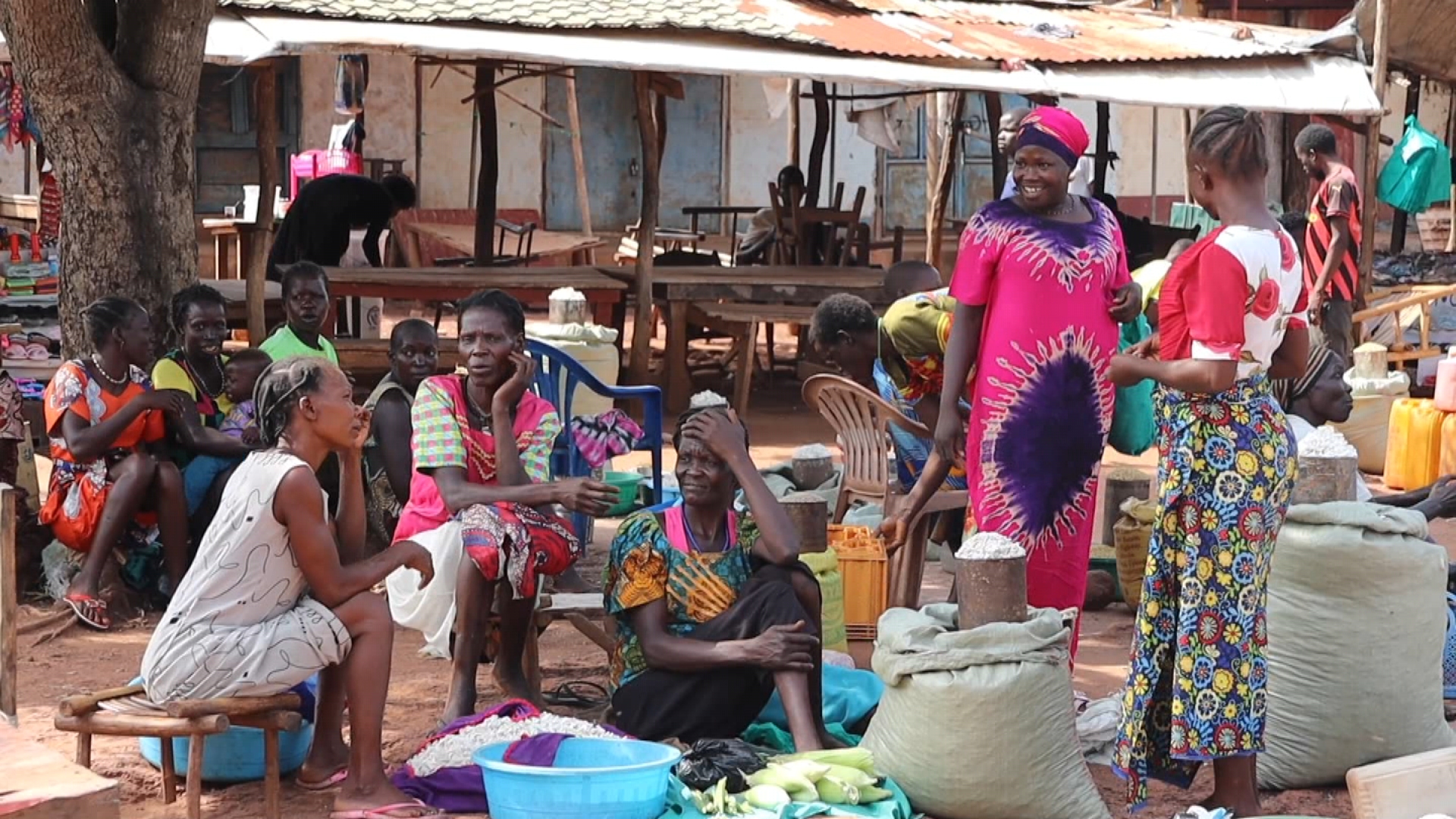
3. Various shots of Deminers working and a woman cultivating
4. SOUNDBITE (Arabic) Kimo Adiyang, Returnee:
“We are so happy, because in the Protection of Civilians site, the food rations we received were very minimal. But out here, we are cultivating maize and ground nuts, and we get much more than what we used to receive in the POC. This season, we harvested about three to five bags of ground nuts and maize. The two bags of maize I have now are already more than the food rations we used to get. Whatever you grow yourself is always better than what is given to you.”
5. Various shots of deminers
6. SOUNDBITE (Arabic) Michael Nyator, Upper Nile Minister of Housing, Land and Public Utilities:
“We, as the State government, are planning for those who don’t have plots of land, including people returning from Sudan and those coming from within the POC. Not everyone in the POC is from Malakal. Some people who have come to town cannot go back because there are no basic services like schools, clean water, or hospitals. Hai Salaam is part of our resettlement plan, which we’ve shared with UN agencies. Once we get funding and the dry season starts, we’ll begin opening the roads.”
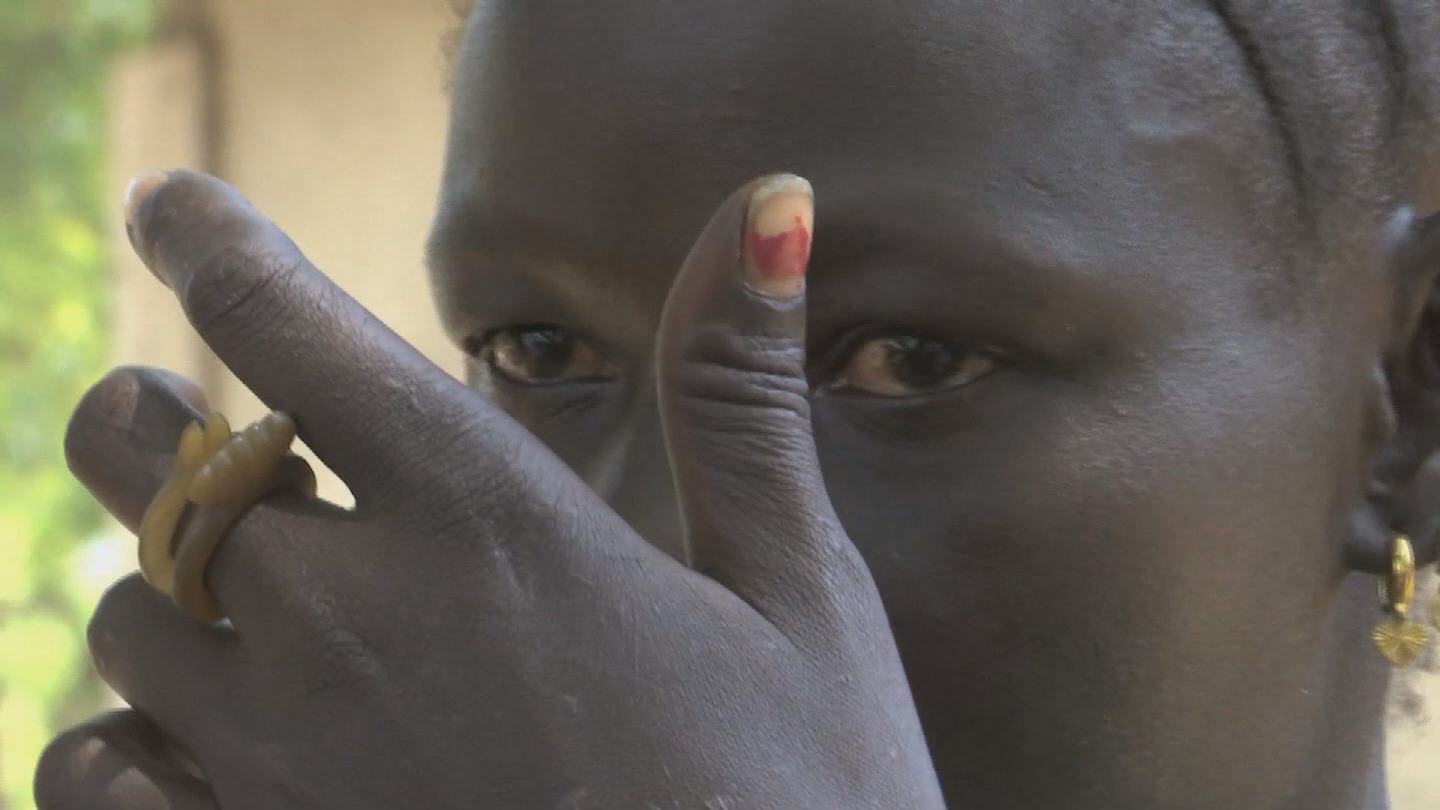
7. Various shots of a woman and children
Hundreds of thousands of people have been displaced by conflict and climate shocks across the Upper Nile region of South Sudan, losing their homes and livelihoods. Many fled during the civil war in 2013, seeking sanctuary in a Protection of Civilians site, next to the United Nations peacekeeping base in Malakal while others found shelter in conventional displacement sites.
Twelve years later, in May 2025, around 130 households were able to return to the village of Hai Matar, with support from the United Nations family.
SOUNDBITE (Arabic) Huda Naser El-din Suleiman, Returnee:
“At the Protection of Civilians [POC] site, the space was too small. We only had one room, and it wasn’t enough for all of us. That’s why we decided to move out of the POC and into this new house that was built. Now my family and I live here. In the POC, life was difficult because it was overcrowded, and the children didn’t have enough space to play.”
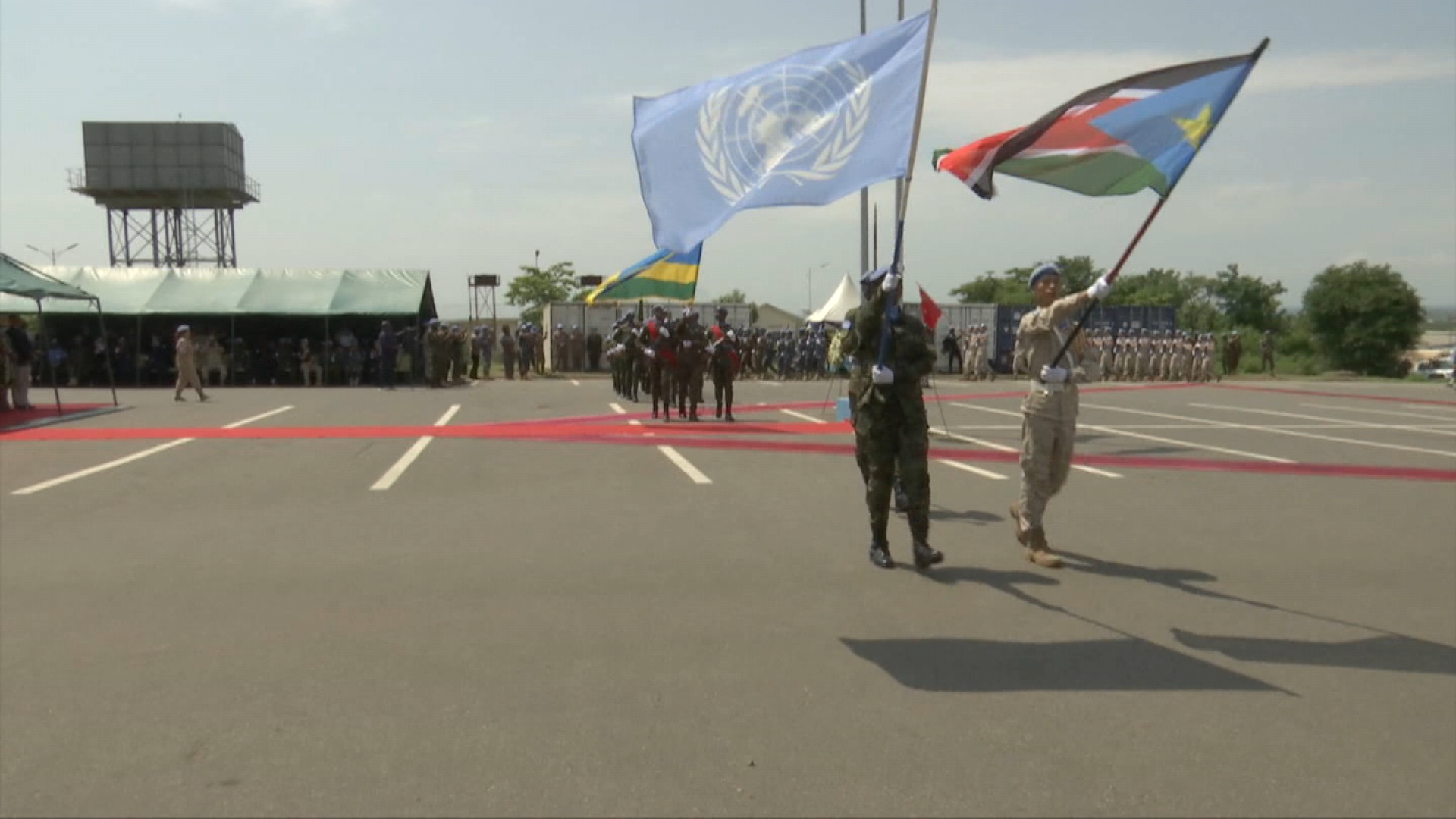
In support of the initiative, the United Nations Mine Action Service (UNMAS) cleared five million square meters of land of unexploded ordnances to provide a safe environment. The International Organization for Migration and UN Refugees Agency (UNHCR) constructed 128 new shelters and facilitated the refugees and returnee’s movements. The United Nations Mission in South Sudan provided protection, a new police post, and community policing training while the European Union helped to fund the project. The families are now busy rebuilding their lives.
SOUNDBITE (Arabic) Kimo Adiyang, Returnee:
“We are so happy, because in the Protection of Civilians site, the food rations we received were very minimal. But out here, we are cultivating maize and ground nuts, and we get much more than what we used to receive in the POC. This season, we harvested about three to five bags of ground nuts and maize. The two bags of maize I have now are already more than the food rations we used to get. Whatever you grow yourself is always better than what is given to you.”
The project is now moving to the next phase with UNMAS clearing a further nine million square meters of land in neighbouring Hai Salaam to assist further returns. State authorities are also helping the families to make a fresh start.
SOUNDBITE (Arabic) Michael Nyator, Upper Nile Minister of Housing, Land and Public Utilities:
“We, as the State government, are planning for those who don’t have plots of land, including people returning from Sudan and those coming from within the POC. Not everyone in the POC is from Malakal. Some people who have come to town cannot go back because there are no basic services like schools, clean water, or hospitals. Hai Salaam is part of our resettlement plan, which we’ve shared with UN agencies. Once we get funding and the dry season starts, we’ll begin opening the roads.”
The collective effort of the United Nations, in partnership with local authorities, is having a tangible impact of the lives of thousands of people who have spent far too long separated from their wider families and communities, enabling them to live safely, with dignity, and looking forward to a better future.
Download
There is no media available to download.