Media Home
 UN Web TV
 UN Audiovisual Library
 UN Photo
OHCHR / COLOMBIA HUMAN RIGHTS
STORY: OHCHR / COLOMBIA HUMAN RIGHTS
TRT: 01:33
SOURCE: OHCHR
RESTRICTIONS: NONE
LANGUAGE: ENGLISH / NATS
DATELINE: 17 MARCH 2026, GENEVA, SWITZERLAND
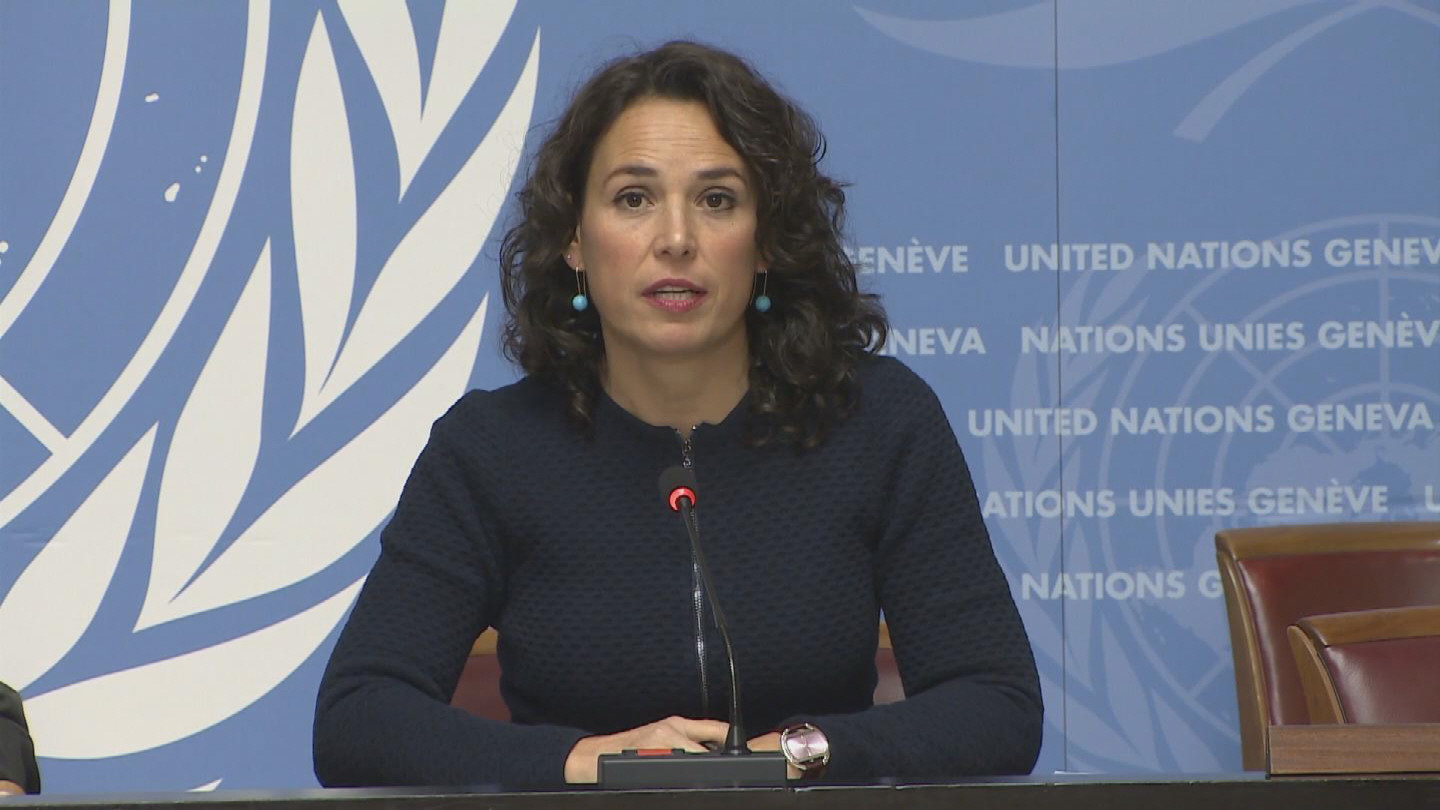
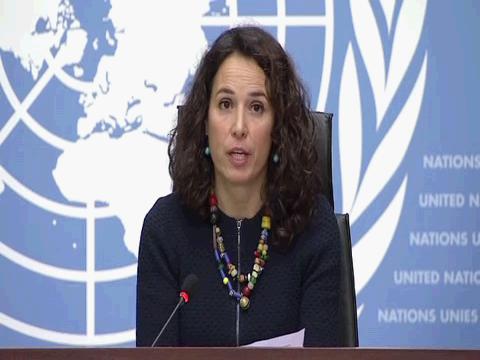
1. SOUNDBITE (English) Marta Hurtado, Spokesperson, Office of the UN High Commissioner for Human Rights (OHCHR):
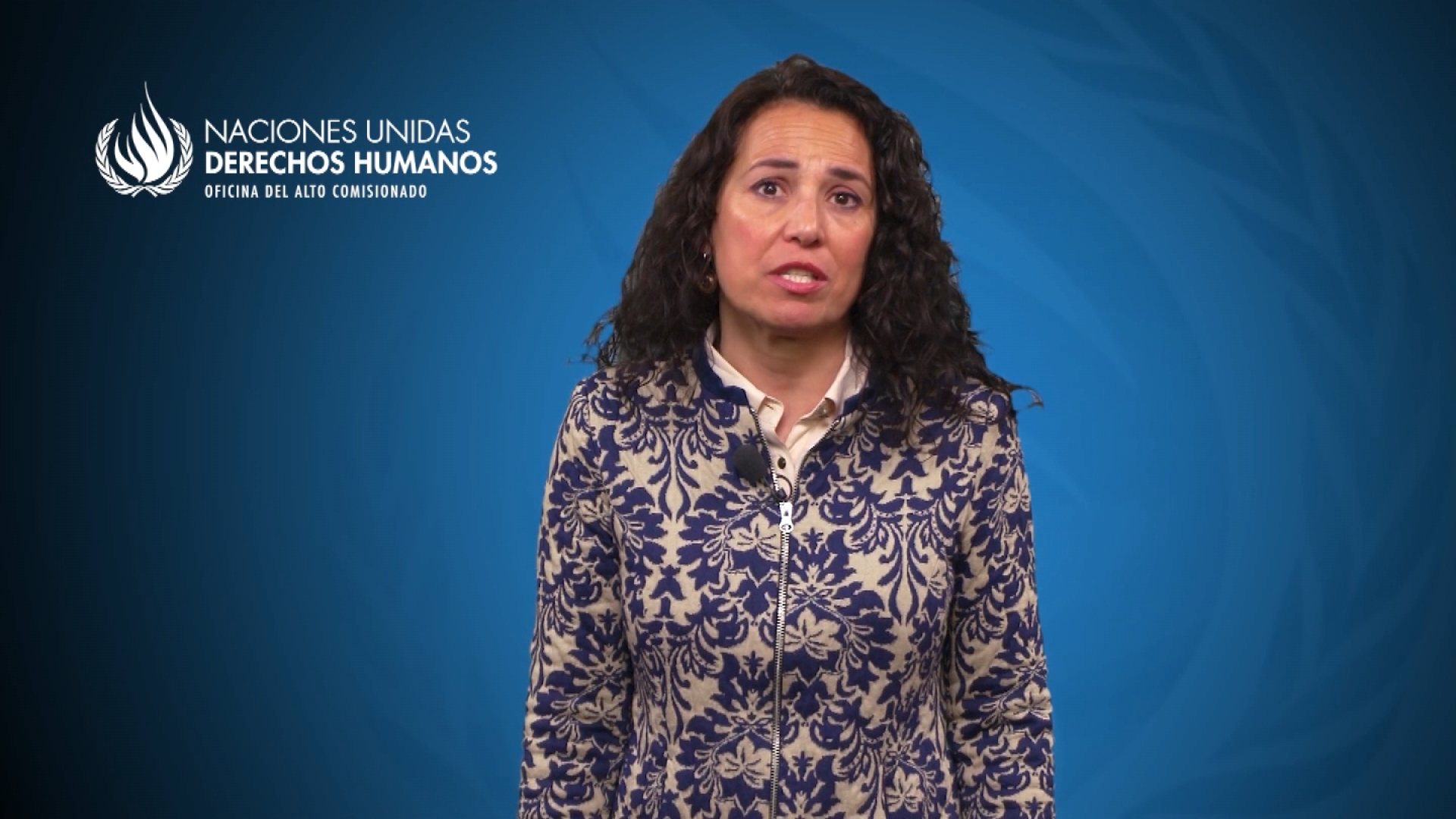
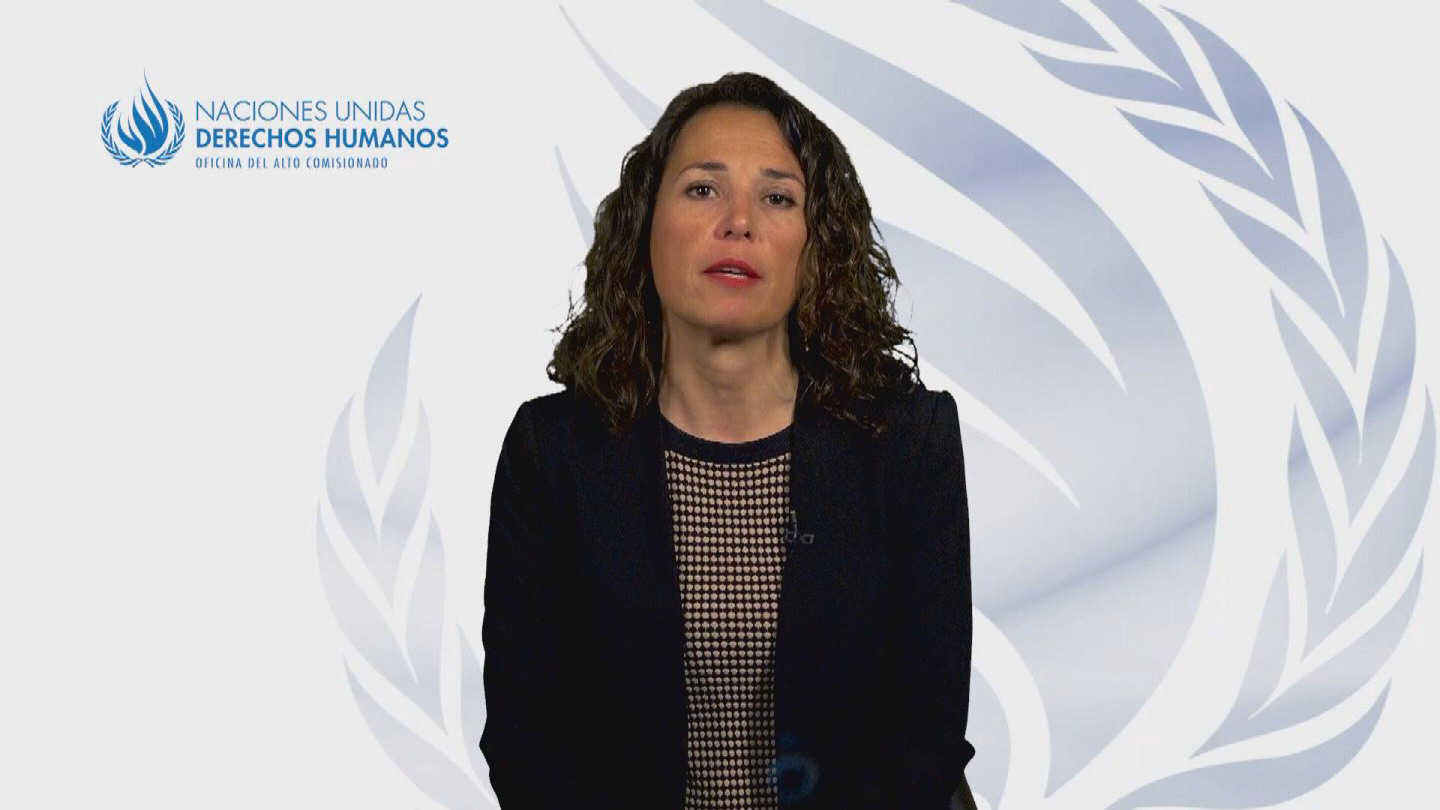
“Human rights defenders in Colombia have been subjected to relentless violence over the past decade, with, on average, 100 killed every year, according to a UN Human Rights Office report. Between 2016 and 2025, our Office documented 972 killings of human rights defenders. The patterns and trends of homicides, threats, attacks, and forced displacement show that violence against human rights defenders is not an isolated or temporary phenomenon, but a persistent reality closely linked to underlying structural causes. In recent years, there has been a rise in violence from criminal interests linked notably to drug and human trafficking, illegal mining, and illegal logging. The report also points to weak and overwhelmed institutions, high impunity levels, and corruption as contributing factors to violence.The report acknowledges that the current Government has implemented several important measures to address violence against human rights defenders. However, it says that the country is at a turning point. Unless effective measures are taken to make this a state priority, violence will continue. It recommends consolidating effective public policies, implementing essential institutional reforms, promoting criminal investigations to dismantle major perpetrators and prevent impunity, and developing protection mechanisms appropriate to on-the-ground realities.”.”
Following the publication of the latest UN report on Colombia, the Office of the UN High Commissioner for Human Rights (OHCHR) today (19 Mar) issued a recorded statement calling for urgent action needed to end widespread violence against human rights defenders.
In recent years, the report finds, there has been a rise in violence against human rights defenders from criminal interests linked notably to drug trafficking, illegal mining, illegal logging, and human trafficking. The report also points to weak and overwhelmed institutions, high impunity levels, and corruption as contributing factors to violence.
The report provides a detailed account of events between 1 January 2022 and 31 December 2025, when 410 human rights defenders were killed. In all, 23 percent of the victims were Indigenous Peoples, an extraordinarily high percentage considering that the Indigenous population represents only 4.7 percent of the country's total population, the report finds. Afro-descendant and peasant communities, community action boards, environmental leaders, women defenders, people with diverse sexual orientations and gender expressions and identities, and political leaders were also targeted.
More than 70 percent of the perpetrators were assessed as non-state armed actors.
Over the same period, there were 2,018 cases of threats and attacks against human rights defenders. This number represents only a fraction of the actual magnitude of the phenomenon, as there is no unified and comprehensive system in place for state entities to gather information on these attacks, the report states.
Funding cuts to the UN Human Rights Office in Colombia in 2025 have severely hampered its ability to protect human rights defenders and carry out preventive measures. As a result of these cuts, the Office has been forced to significantly reduce its missions to high-risk areas, impacting its capacity to monitor the killings of human rights defenders and respond to urgent requests from at-risk communities.
Download
There is no media available to download.