Media Home
 UN Web TV
 UN Audiovisual Library
 UN Photo
SOUTH SUDAN / INTERNATIONAL MINE AWARENESS DAY
STORY: SOUTH SUDAN / INTERNATIONAL MINE AWARENESS DAY
TRT: 03:21
SOURCE: UNMISS
RESTRICTIONS: NONE
LANGUAGES: ENGLISH / NATS
DATELINE: 02 APRIL 2026, JUBA, SOUTH SUDAN
FILE – SOUTH SUDAN
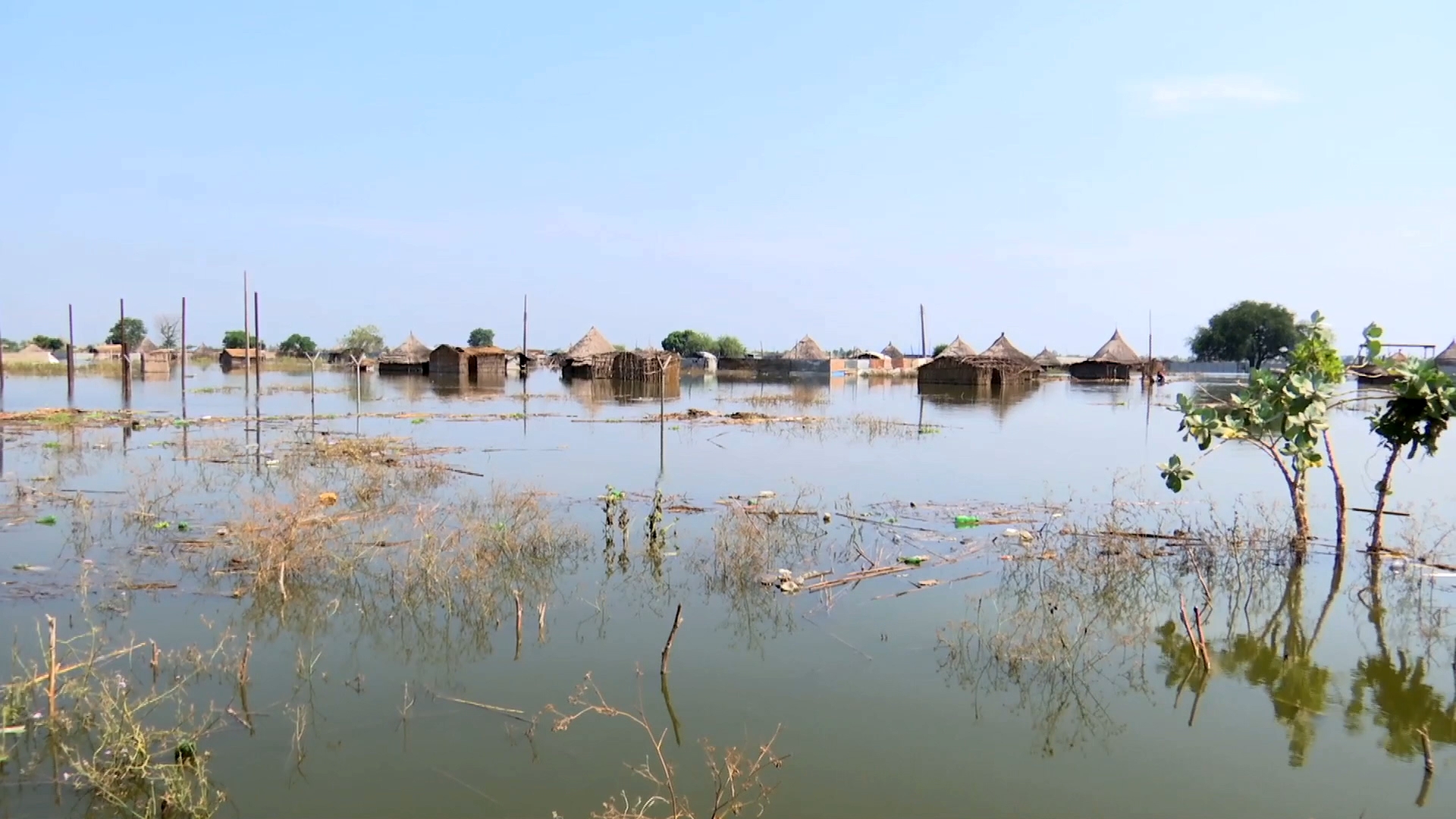
1. Wide shot, internally displaced people
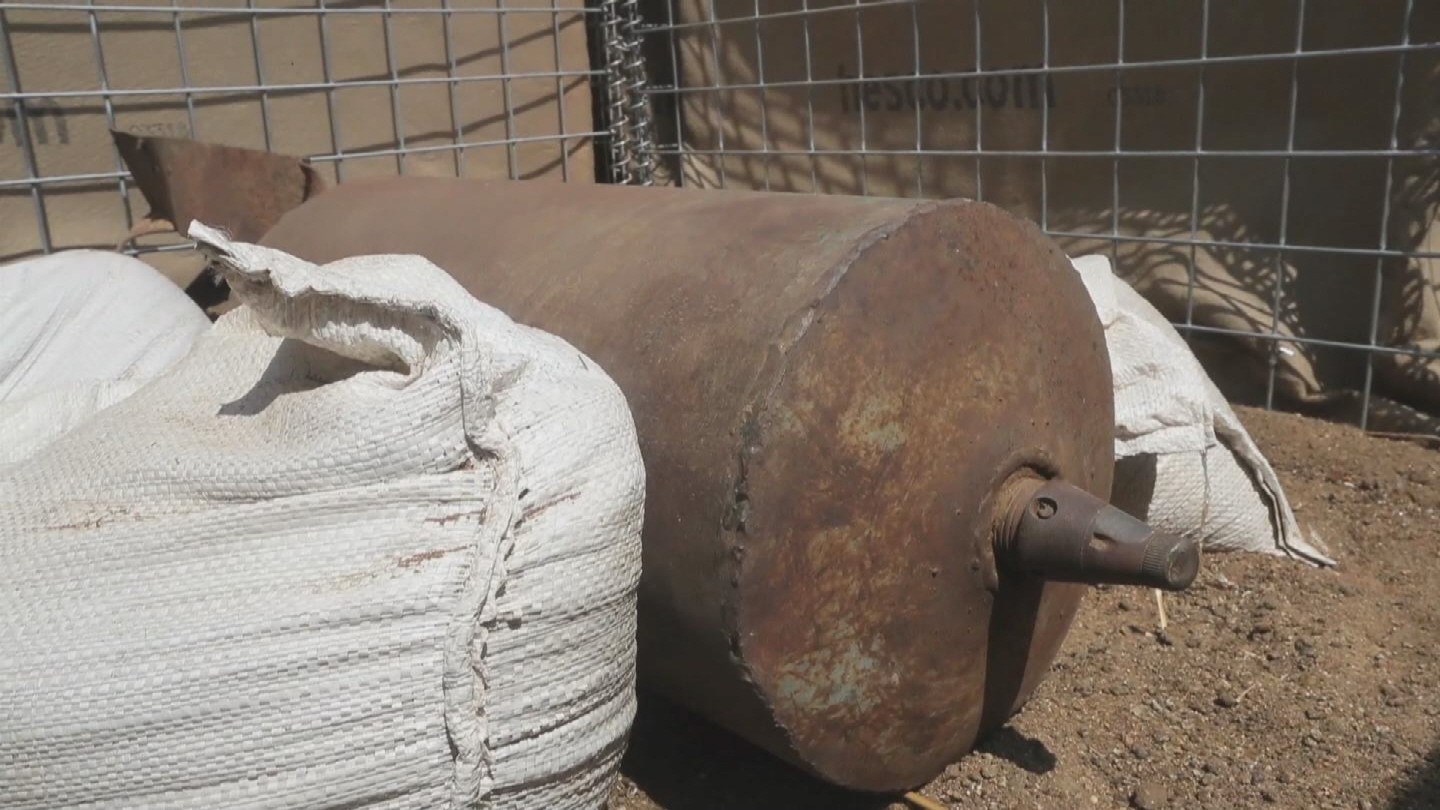
2. Close up, explosive remnant of war
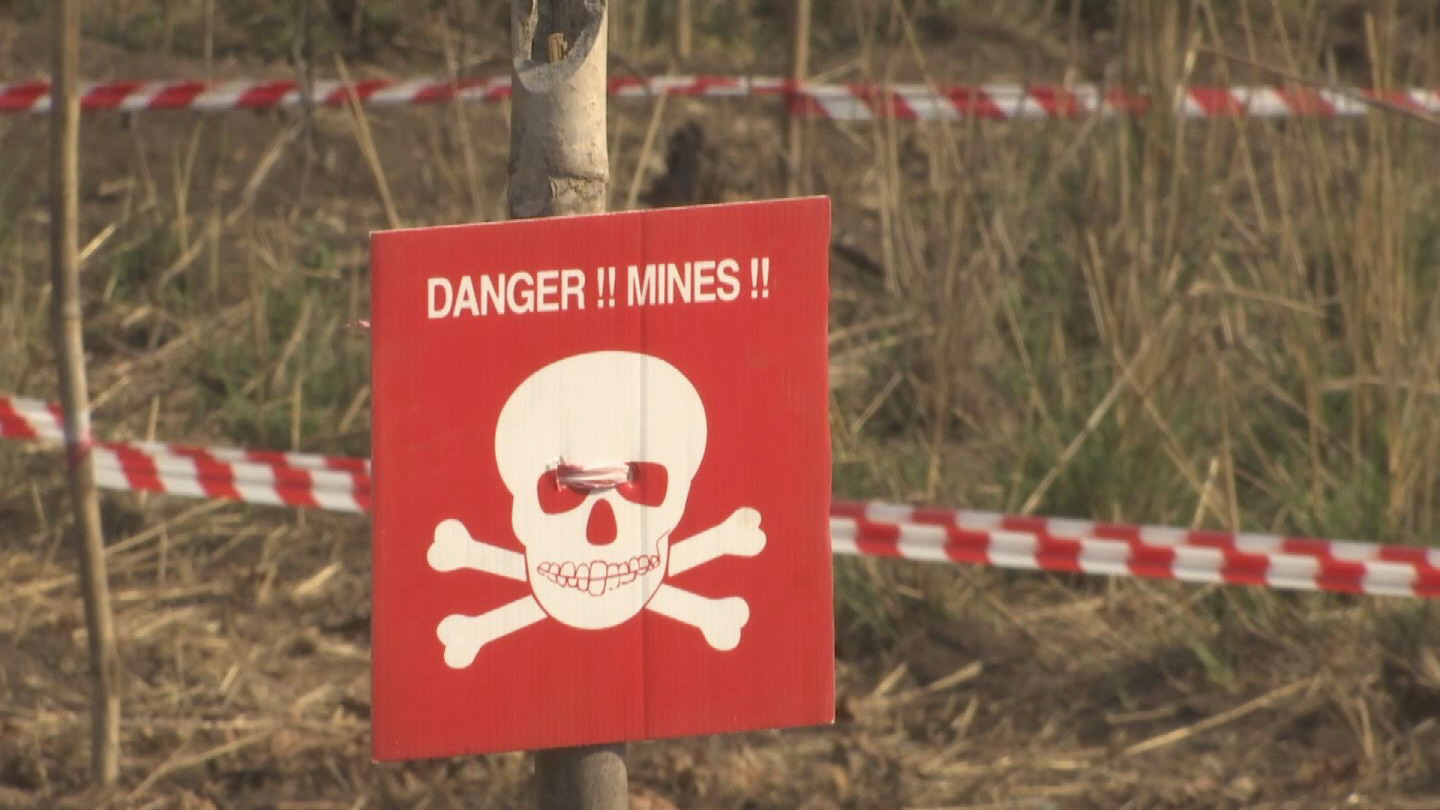
3. Various shots, mine field in Juba
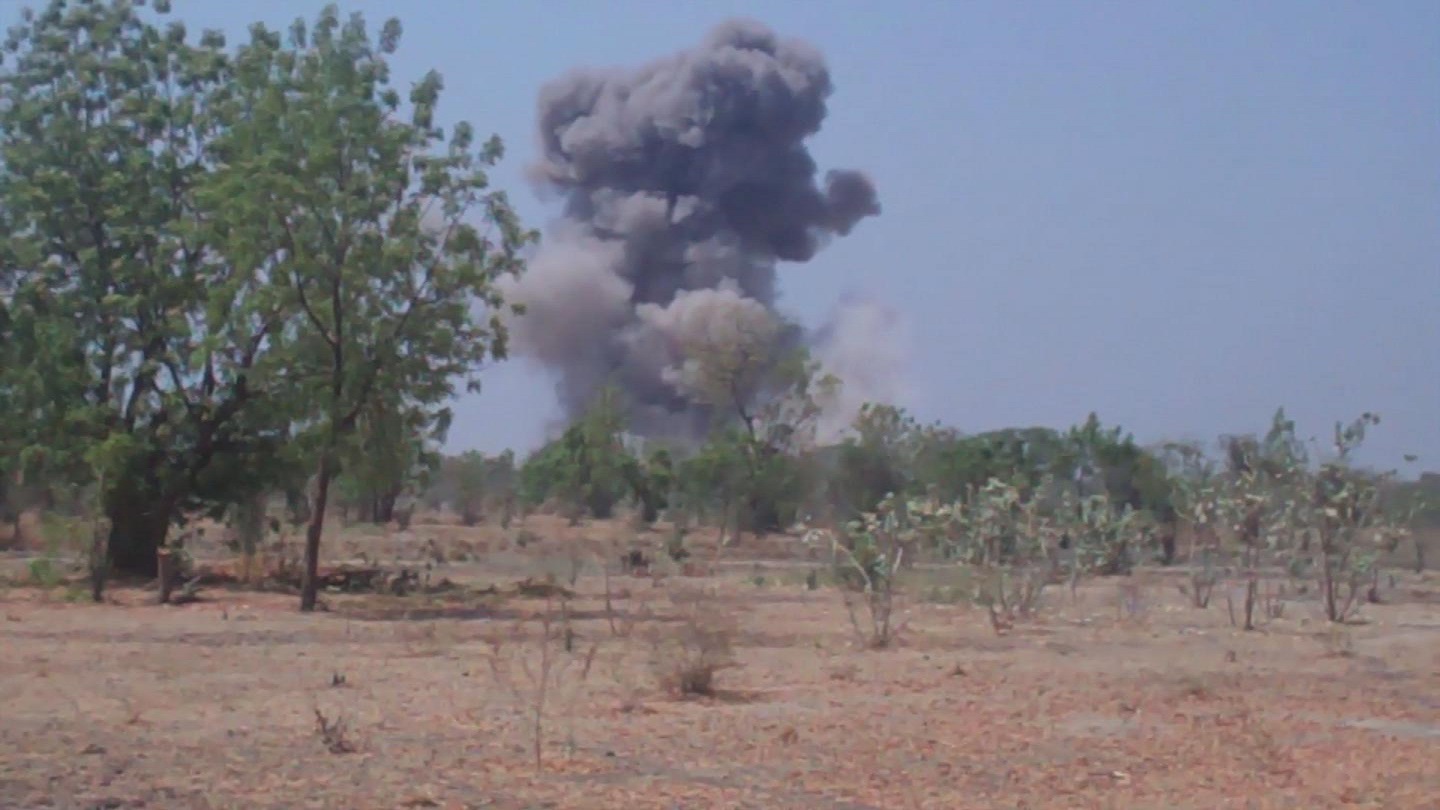
4. Various shots, demolishing remnants of war
5. Close up, remnants of war
02 APRIL 2026, JUBA, SOUTH SUDAN
6. SOUNDBITE (English) Nyoka Loice Scopas, Women in Mine Action Network:
“Every time we succeed, we are not just removing explosive ordinances. We are also planting possibilities. So today I invite you all to invest in peace.”
7. Various shots, event
8. SOUNDBITE (English) Zehrudin Sukanovic, Chief of United Nations Mine Action Programme, South Sudan:
“International Day of Mine Awareness and Assistance in Mine Action is not only a moment of reflection. It is also a commemoration of the victims of the war and explosive ordinances as a lasting legacy of a conflict. It is a reminder that the explosive ordinance risk persists long after the fighting subsides and a call for sustained collective efforts to address those risks.”
FILE – SOUTH SUDAN
9. Various shots, mine field
02 APRIL 2026, JUBA, SOUTH SUDAN
10. SOUNDBITE (English) Albino Akol Atak, Minister of Humanitarian Affairs and Disaster Management: “The presence of explosive hazards is not only humanitarian concern but also a barrier to peace. As we are pursuing peace, their presence remains a barrier to stability and development.”
FILE – SOUTH SUDAN
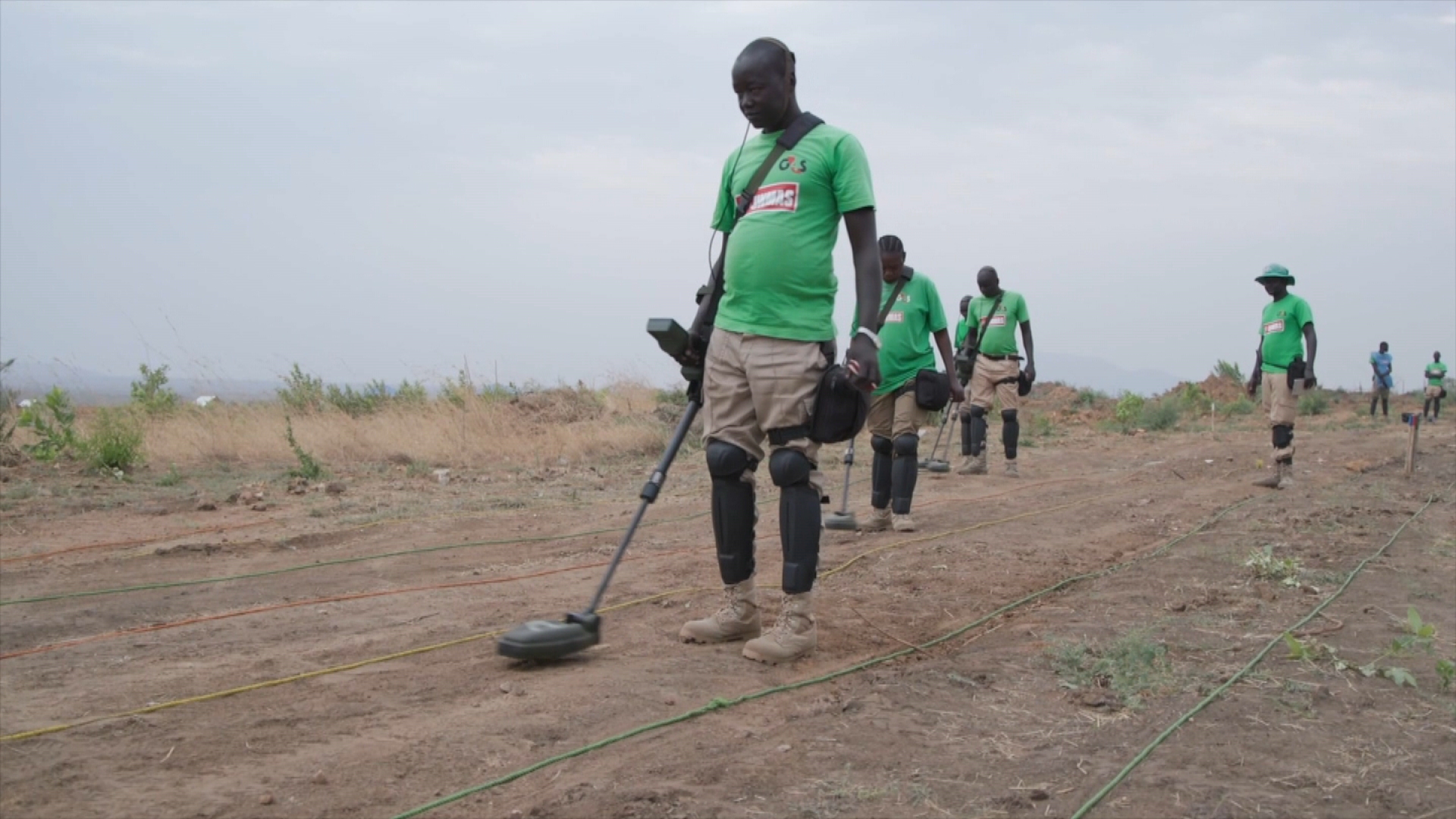
11. Various shots, mine field
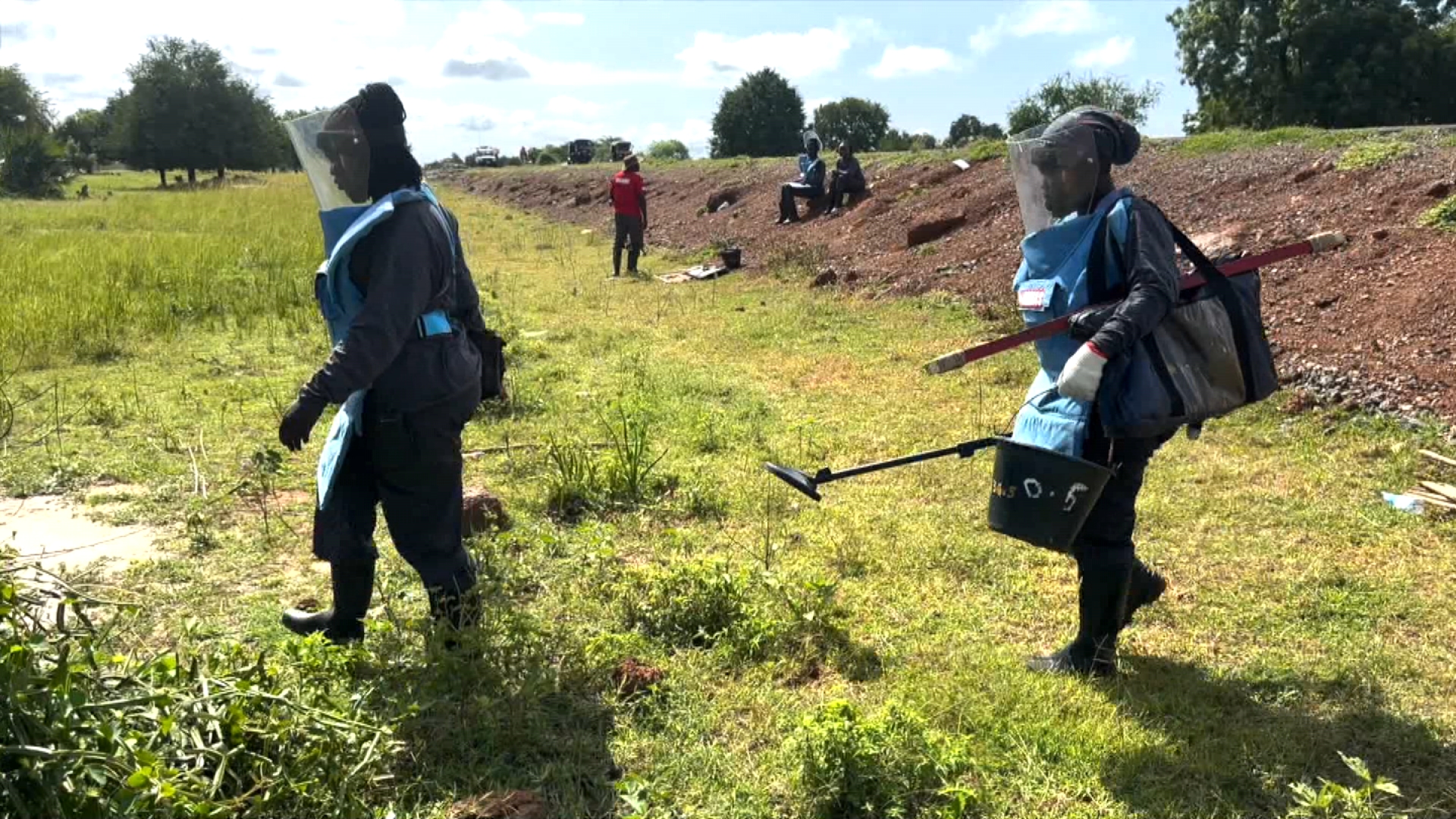
12. Med shot, wearing gear
13. Wide shot, UNMAS dog
02 APRIL 2026, JUBA, SOUTH SUDAN
14. SOUNDBITE (English) Musa Gassama, UNMISS Director of Human Rights:
“Without safe land and infrastructure, none of our collective work can move forward. If we aim for durable solutions and long-term stability, Mine Action must remain a priority.”
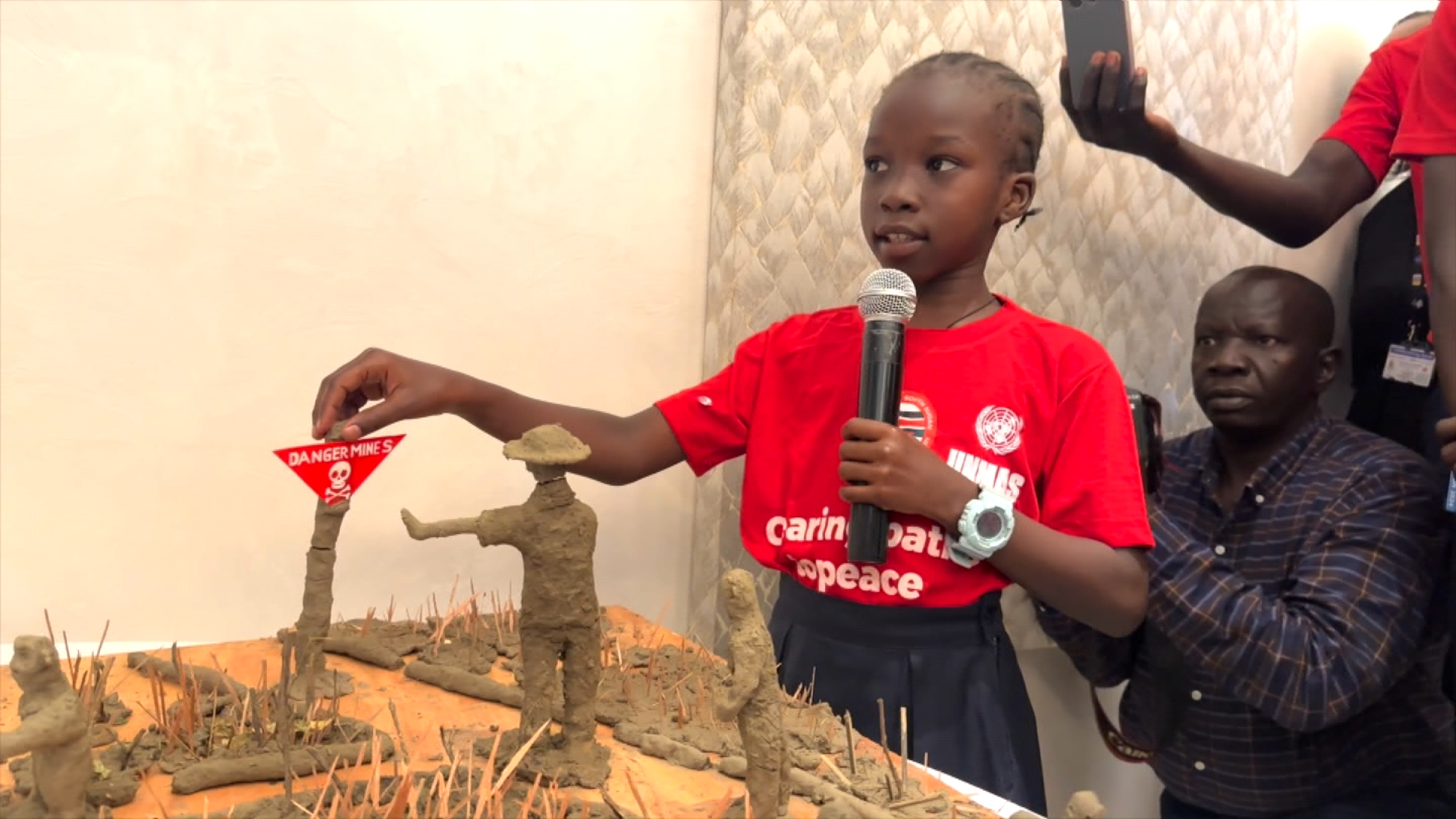
15. Med shot, exhibition in Juba
16. Wide shot, group celebrating
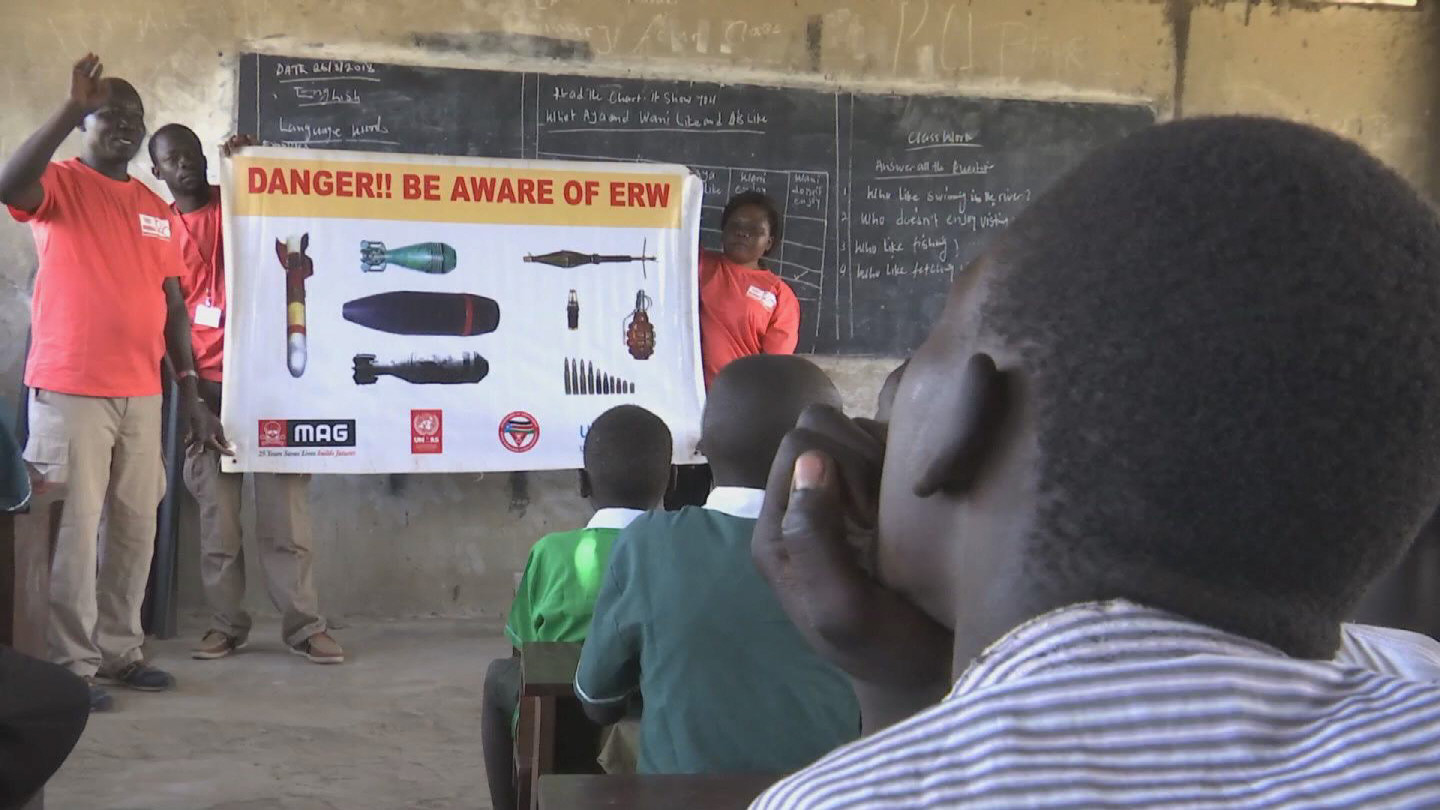
The civil war in South Sudan left a lingering legacy of landmines and other unexploded ordnances, which continue to kill indiscriminately. In the past 20 years, the United Nations Mine Action Service has made huge inroads in tackling this scourge, destroying more than 1.22 million explosive devices and 7.3m small ammunitions. Its teams have also cleared 4,907 kilometers of roads and educated 7.3 million people about the dangers posed by these deadly devices.
Nyoka Loice Scopas, with Women in Mine Action Network, said, “Every time we succeed, we are not just removing explosive ordinances. We are also planting possibilities. So today I invite you all to invest in peace.”
On the International Day for Mine Awareness, in partnership with the National Mine Action Authority, UNMAS’ extraordinary service to the people of South Sudan was commemorated at an event that emphasized the importance of investing in mine action and promoted the shared vision of achieving a mine-free world.
Zehrudin Sukanovic, Chief of United Nations Mine Action Programme in South Sudan said, “International Day of Mine Awareness and Assistance in Mine Action is not only a moment of reflection. It is also a commemoration of the victims of the war and explosive ordinances as a lasting legacy of a conflict. It is a reminder that the explosive ordinance risk persists long after the fighting subsides and a call for sustained collective efforts to address those risks.”
One of UNMAS’ key priorities is helping to create safe environments for communities and those who have been displaced by conflict and fear returning home due to the hidden risks of explosive ordnances and access to basic services. So far, the mine action team has cleared more than 2,300 water points, 3,347 schools and 442 health clinics.
Albino Akol Atak, Minister of Humanitarian Affairs and Disaster Management, said, “The presence of explosive hazards is not only humanitarian concern but also a barrier to peace. As we are pursuing peace, their presence remains a barrier to stability and development.”
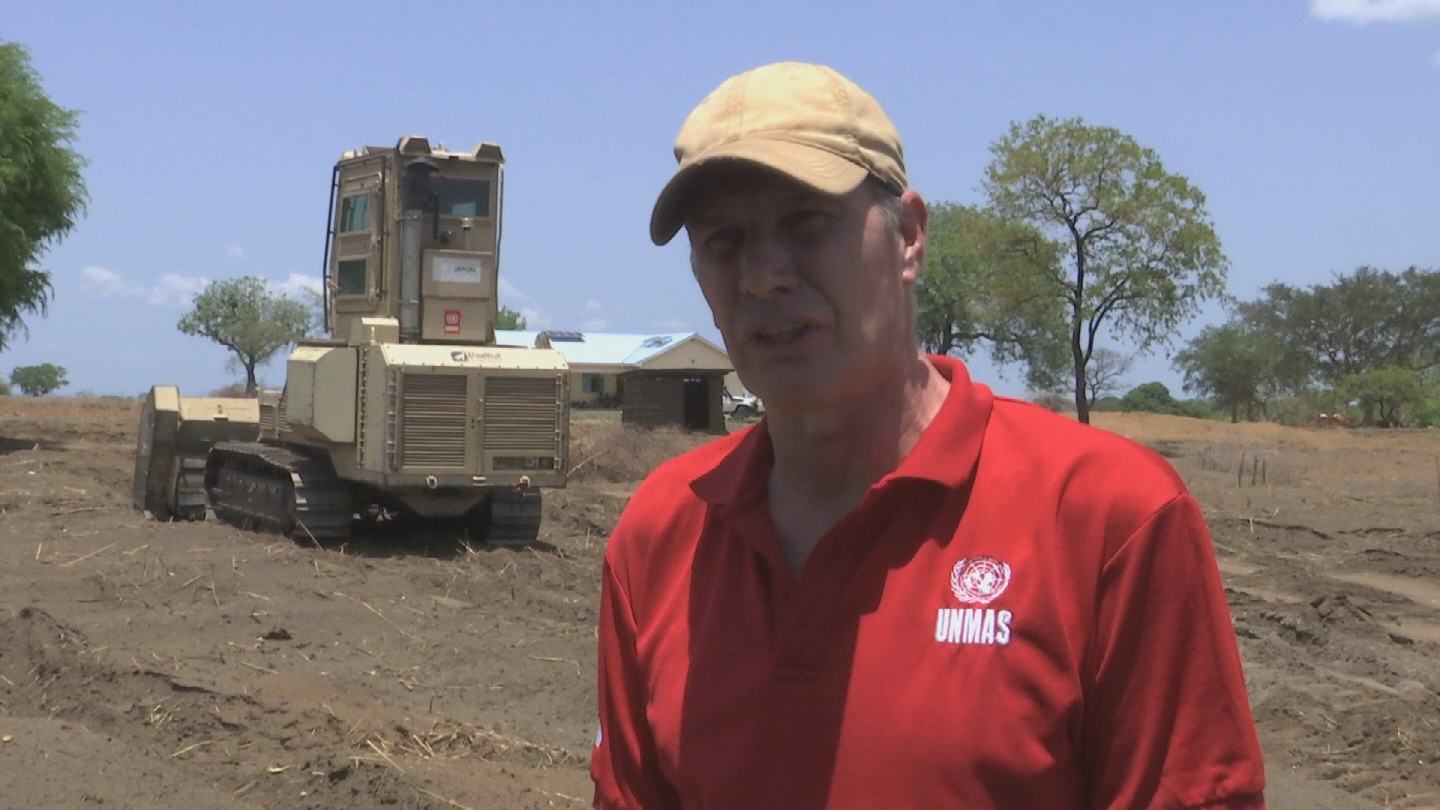
There is still more to be done, with the remaining contamination area estimated to be around 20.6 km², including minefields, cluster munition strike zones, military confrontation sites, and roads. But this life-saving support is at risk due to a UN-wide financial crisis, which forced UNMAS to downsize its demining teams from 19 to eight and demobilize its detection dogs and automated mine clearing machines.
Musa Gassama, UNMISS Director of Human Rights, said, “Without safe land and infrastructure, none of our collective work can move forward. If we aim for durable solutions and long-term stability, Mine Action must remain a priority.”
Despite the challenges, the mine action team persevere, motivated by the goal of ensuring South Sudan is land-mine free by 2030 so that the people they serve can live freely and safely.
Download
There is no media available to download.