Media Home
 UN Web TV
 UN Audiovisual Library
 UN Photo
GENEVA / MIDDLE EAST UPDATE
STORY: OHCHR / LEBANON ISRAEL DISPLACEMENT ORDERS
TRT: 04:19
SOURCE: UNTV CH / IFRC
RESTRICTIONS: PLEASE CREDIT IFRC FOOTAGE
LANGUAGES: ENGLISH / NATS
DATELINE: 14 APRIL 2026 GENEVA, SWITZERLAND / 12 APRIL 2026, DOĞUBAYAZIT DISTRICT, AĞRI PROVINCE, TÜRKIYE / FILE
FILE - GENEVA, SWITZERLAND
1. Wide shot, Palais des Nations
14 APRIL 2026 GENEVA, SWITZERLAND
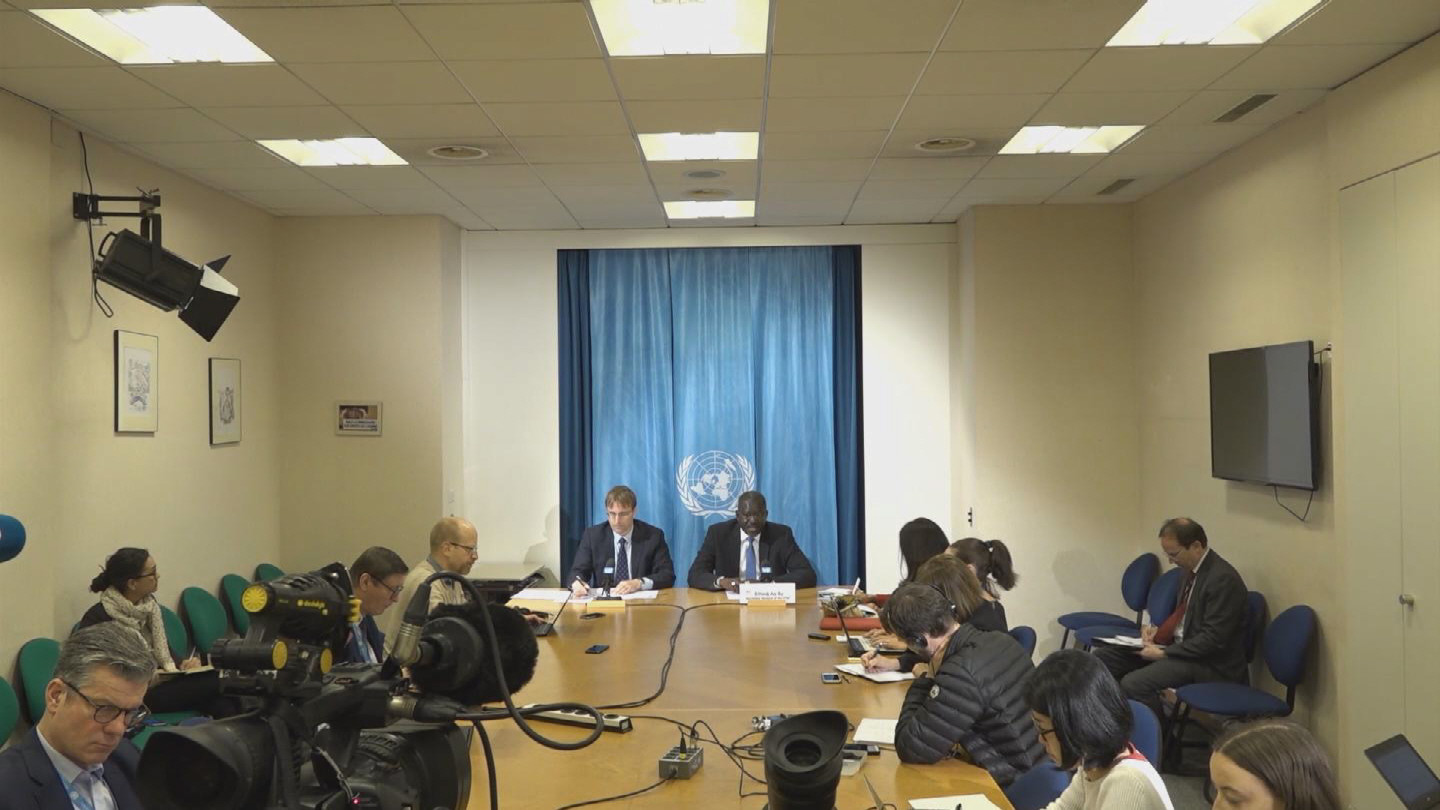
2. Wide shot, briefing room
3. SOUNDBITE (English) Anandita Philipose, Representative in Lebanon, United Nations Population Fund (UNFPA):
“Across Lebanon, grief, fear and exhaustion hang heavy in the air. Families are still desperately looking for loved ones. New mothers cradle new bonds, uncertain if safety will ever return. Healthcare workers already exhausted are working through their own trauma to save others. The loss is immense.”
4. Wide shot, briefing room
5. SOUNDBITE (English) Anandita Philipose, Representative in Lebanon, United Nations Population Fund (UNFPA) (From Beirut):
“On 8th of April, last Wednesday, over 100 bombs were dropped in less than 10 minutes. This was done without warning, and it was on a Wednesday afternoon hitting busy residential and commercial neighborhoods. It was complete devastation. The casualty figures are still coming in as teams are clearing through the rubble. As of 12th of April, 1,355 women have been killed or injured since the start of the conflict. On Wednesday alone, 99 women and 31 children were killed.”
6. Wide shot, briefing room
7. SOUNDBITE (English) Anandita Philipose, Representative in Lebanon, United Nations Population Fund (UNFPA):
“These attacks push an already fragile health system to the very brink. Hospitals, maternity wards, and clinics have been destroyed. 62 primary health care centers are partially or fully damaged, and 20 public hospitals are closed or damaged. This is no longer just a humanitarian emergency. It is a full-scale protection and health crisis, and women and girls are paying the highest price.”
8. Med shot, briefing room
9. SOUNDBITE (English) Tommaso Della Longa, Spokesperson, International Federation of Red Cross and Red Crescent Societies (IFRC):
“On Sunday, we had a shipment of aid crossing into Iran after travelling across Türkiye, having left Ankara on Friday. The shipment contained relief items from the Turkish Red Crescent and advanced trauma kits from the IFRC, marking one of the first cross-border shipments of medical supplies since the start of the conflict.”
10. Wide shot, briefing room
11. SOUNDBITE (English) Tommaso Della Longa, Spokesperson, International Federation of Red Cross and Red Crescent Societies (IFRC):
“The operation highlights how humanitarian supply chains are adapting in real time under significant pressure, with sourcing shifted to Türkiye to prioritize speed and ensure that urgent medical needs can be met.”
12. Med shot, briefing room
13. SOUNDBITE (English) Tommaso Della Longa, Spokesperson, International Federation of Red Cross and Red Crescent Societies (IFRC):
“The humanitarian situation remains very difficult. Needs are high, medical needs in particular, but also the psychological toll on people is immense. Our partners at the Iranian Red Crescent have been providing psychological care in addition to the work they did throughout literally, digging people out of buildings. They also lost four relief workers in the line of duty while saving lives. This is unacceptable. Humanitarian workers must be protected and respected at all times.”
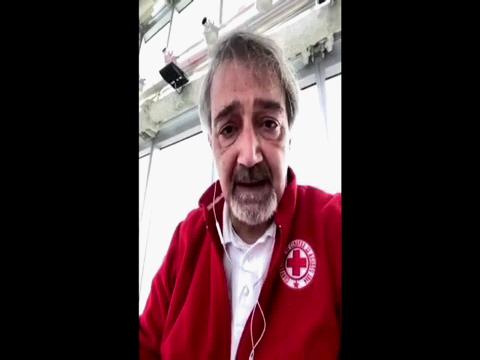
14. Various shots, spokesperson, journalists
IFRC FOOTAGE - PLEASE CREDIT - 12 APRIL 2026, DOĞUBAYAZIT DISTRICT, AĞRI PROVINCE, TÜRKIYE
15. Various shots, aid delivery from Türkiye to Iran. IFRC, in coordination with the Turkish Red Crescent, is delivering life-saving medical supplies and humanitarian relief items from Türkiye to Iran, as humanitarian needs rise in the country
UN humanitarians said, “new mothers cradle newborns, uncertain if safety will ever return” in Lebanon.
Violence is escalating in southern Lebanon persists as the UN Security Council is set to convene on Tuesday to discuss the ongoing crisis and a historic first encounter between Israeli and Lebanese envoys takes place in Washington.
Amid intensified Israeli ground operations, Lebanese authorities have reported at least 2,089 deaths since 2 March.
In the last 24 hours alone, Israel's military targeted 150 Hezbollah positions and confirmed the death of one of its reservists and injuries to three others.
Beyond Lebanon, the conflict is fueling widespread devastation across the Middle East with rising civilian deaths, mass displacement, major disruptions to trade and to the global flow of essential goods.
On Iran, talks hosted by Pakistan ended without agreement, though media reports suggest a new round of US–Iran negotiations could take place Thursday.
"Across Lebanon, grief, fear and exhaustion hang heavy in the air. Families are still desperately looking for loved ones. New mothers cradle newborns, uncertain if safety will ever return, " Anandita Philipose, the UN Population Fund's (UNFPA) representative in Lebanon told reporters in Geneva today (14 Apr).
"Healthcare workers already exhausted are working through their own trauma to save others. The loss is immense."
“An estimated 13,500 displaced pregnant women need urgent maternal and reproductive health care, including 1,700 that are still in southern Lebanon, which is under constant attack,” she explained.
Gender-based violence is threatening 620,000 displaced women and girls in Lebanon, she said, adding that as of 12th of April, 1,355 women have been killed or injured since the start of the conflict. Hostilities last Wednesday alone resulted in 99 women and 31 children killed in one day.
UN Secretary-General Antonio Guterres has called on US-Iran talks to continue constructively, stressing that all parties to this conflict must respect freedom of navigation, including in the Strait of Hormuz, in line with international law.
While the Strait of Hormuz remains closed, the first cross-border shipments of life-saving medical supplies since the start of the conflict left Ankara in Türkiye on Sunday towards Iran.
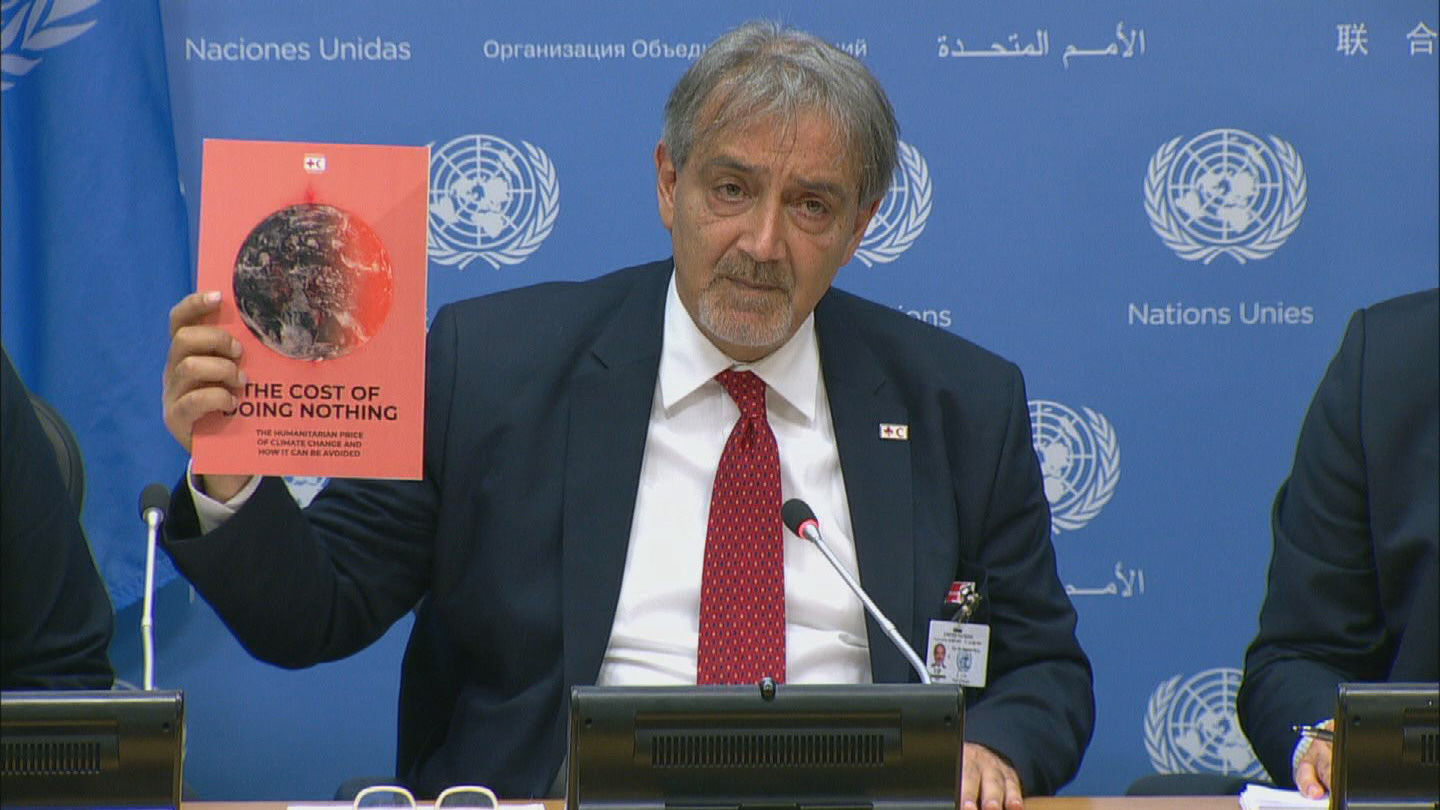
International Federation of Red Cross and Red Crescent Societies (IFRC) spokesperson Tommaso Della Longa said that the “International Federation of Red Cross Red Crescent Societies, in collaboration with the Turkish Red Crescent, is delivering life-saving medical supplies and humanitarian relief items from Türkiye to Iran, as humanitarian needs of the country continue to grow sharply.”
He told reporters in Geneva that the shipment contained relief items from the Turkish Red Crescent and advanced trauma kits from the IFRC.
Della Longa stated that this kind of operation highlights how humanitarian supply chains are adapting in real time under significant pressure, with sourcing shifted to Türkiye to prioritize speed and ensure that urgent medical needs can be met.
He concluded by stressing that the humanitarian situation remains very difficult in Iran with very high medical and psychological needs, giving credit to the "amazing job" of the Iranian Crescent who have been providing psychological care in addition to their work of literally “digging people out of buildings.”
Download
There is no media available to download.