Media Home
 UN Web TV
 UN Audiovisual Library
 UN Photo
UN / INDIGENOUS PERMANENT FORUM
STORY: UN / INDIGENOUS PERMANENT FORUM
TRT: 05:03
SOURCE: UNIFEED
RESTRICTIONS: NONE
LANGUAGES: ENGLISH / NATS
DATELINE: 20 APRIL 2026, NEW YORK CITY / FILE
FILE - NEW YORK CITY
1. Wide shot, United Nations headquarters
20 APRIL 2026, NEW YORK CITY
2. Wide shot, General Assembly Hall
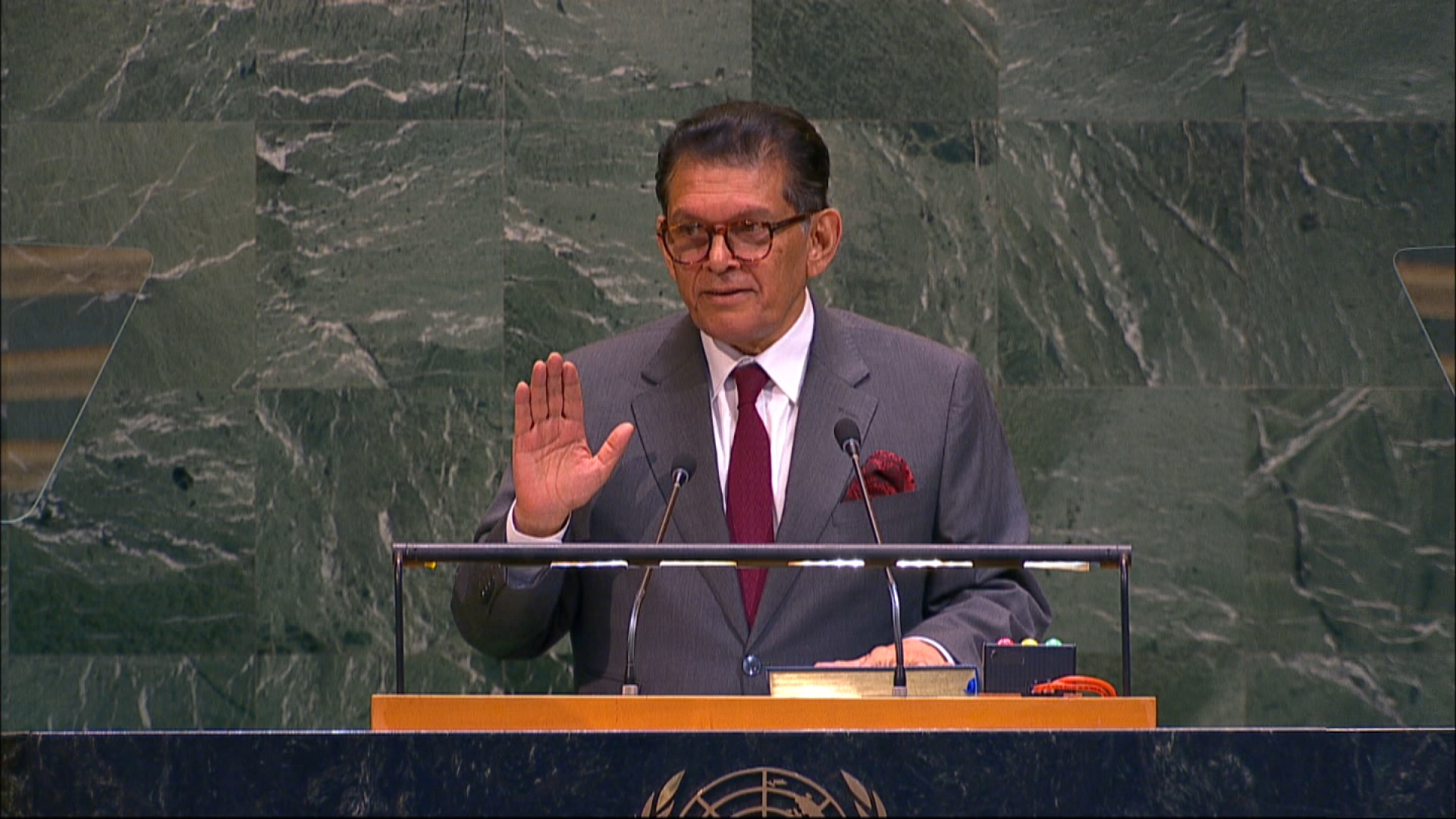
3. SOUNDBITE (Onondaga) Tadodaho Sid Hill, Chief of the Onondaga Nation:
“All the people, listen carefully. It's become my duty to pass these words of thanksgiving along. The first thing we do for thanksgiving, no matter the number of people gathered here, we all come of one mind, and we greet each other with peace and contentment with each other. And we let it be that way in our minds.”
4. Wide shot, General Assembly Hall
5. SOUNDBITE (English) Aluki Kotierk, the Chair of the United Nations Permanent Forum on Indigenous Issues:
“Amidst the backdrop of the UN80 reforms I call on member states to strengthen the participation of indigenous peoples and that of the forum as a key mechanism for the advancement of the rights of indigenous peoples. As we approach 20 years since the adoption of the United Nations Declaration on the Rights of Indigenous Peoples (UNDRIP), I call on Member States to honor their commitments under the declaration and to actively implement its articles into domestic law and policy.”
6. Wide shot, General Assembly Hall
7. SOUNDBITE (English) António Guterres, Secretary-General, United Nations:
“From the Amazon to Australia and Africa to the Arctic you are the great guardians of nature, a living library of biodiversity conservation and champions of climate action. And your participation in global decision making has never been more critical.”
8. Wide shot, General Assembly Hall
9. SOUNDBITE (English) António Guterres, Secretary-General, United Nations:
“Your theme for this session is a pivotal one. For indigenous peoples’ health is inseparable from your lands, waters, languages, cultures and ecosystems. When one is harmed, all are affected.”
10. Wide shot, General Assembly Hall
11. SOUNDBITE (English) António Guterres, Secretary-General, United Nations:
“Mother Earth is sending urgent signals. Storms intensify. Glaciers melt. Seas rise. Droughts grow more frequent, and floods get more severe. And indigenous peoples respond with knowledge and care. Your wisdom offers solutions the world urgently needs. We must listen, learn and act. But in too many venues and processes, the participation of indigenous peoples remains limited by practical, political or institutional barriers and progress at the international level has not always translated into real change on the ground. We must recognize these realities and take steps to rectify them.”
12. Wide shot, General Assembly Hall
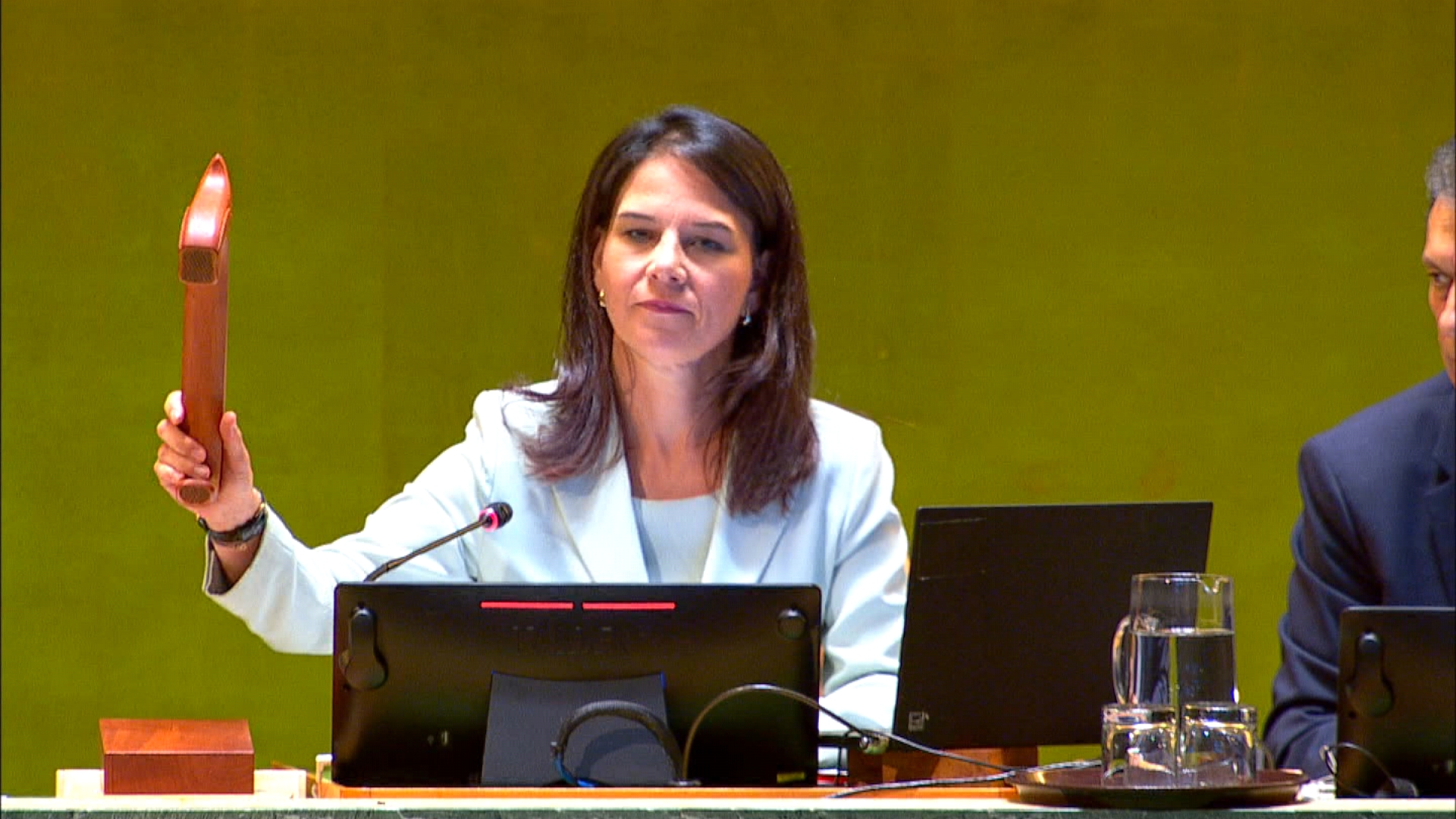
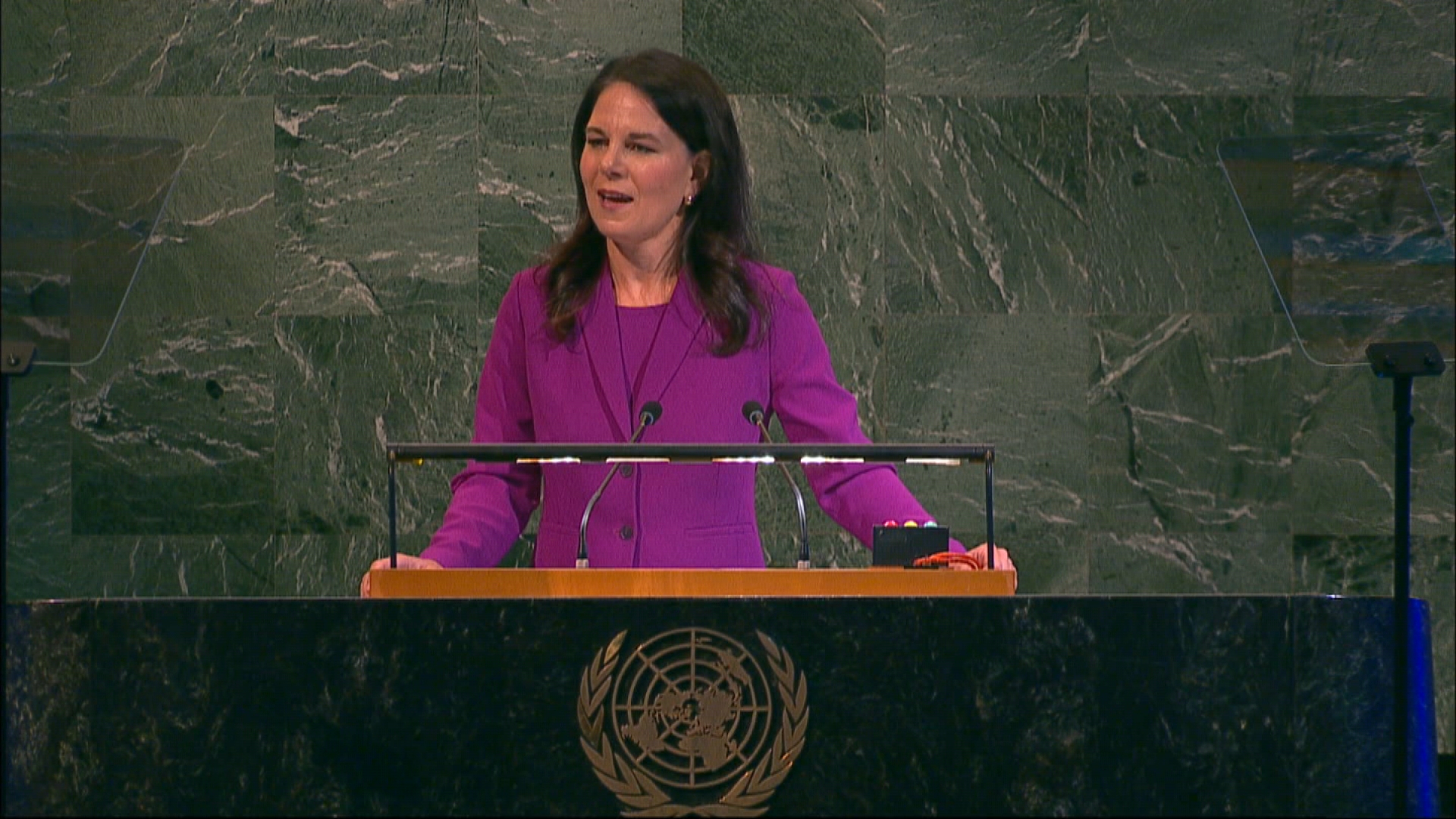
13. SOUNDBITE (English) Annalena Baerbock, President, General Assembly, United Nations:
“25 years after the first UN Permanent Forum on Indigenous issues our responsibility today is not to speak about indigenous people, about you or for you, but to amplify your voices, to join your hands, embrace your leadership and value your knowledge and culture, not only for your communities, but for the benefits of all societies.”
14. Wide shot, General Assembly Hall
15. SOUNDBITE (English) Annalena Baerbock, President, General Assembly, United Nations:
“Yet today, more than 476 million indigenous peoples around the world continue to face marginalization, discrimination and economic disadvantage. And nowhere are these inequalities more evident than in health, the main focus of this year's session. For indigenous peoples health is holistic. It is physical, mental, cultural, environmental and communal. Yet for many, that connection has been disrupted by land loss, displacement and marginalization. The result is stark: higher rates of illness, malnutrition and preventable disease, and also life expectancies that can be up to 20 years shorter.”
16. Wide shot, General Assembly Hall
17. SOUNDBITE (English) Annalena Baerbock, President, General Assembly, United Nations:
“Nature reminds us of an enduring truth: our own safety, security and well-being are only as strong as that of our fellow human beings. Let us carry that lesson forward through the discussions in the days ahead, as we work together to advance the rights, the health, the dignity of indigenous peoples as for all peoples.”
18. Wide shot, General Assembly Hall
The 25th session of the UN Permanent Forum on Indigenous Issues opened today (20 Apr) in New York, focused on ensuring indigenous peoples' health, including in the context of conflict.
The session opened with a ceremonial address by Tadodaho Sid Hill, traditional Chief of the Onondaga Nation, who called on those gathered to find common ground. “No matter the number of people gathered here, we all come of one mind, and we greet each other with peace and contentment with each other,” he said.
The Chair of the Permanent Forum, Aluki Kotierk, called on member states to strengthen indigenous participation in UN structures, warning that existing mechanisms must be reinforced amid ongoing reforms. With the 20th anniversary of the UN Declaration on the Rights of Indigenous Peoples approaching, she urged governments “to honor their commitments under the declaration and to actively implement its articles into domestic law and policy.”
Secretary-General António Guterres described indigenous peoples as “the great guardians of nature, a living library of biodiversity conservation and champions of climate action,” and said their role in global decision-making had never been more critical. He warned that progress at the international level had not always translated into real change on the ground. “We must recognize these realities and take steps to rectify them,” he said.
Guterres also stressed the interconnectedness of indigenous health and environment. “For indigenous peoples' health is inseparable from your lands, waters, languages, cultures and ecosystems. When one is harmed, all are affected,” he said.
General Assembly President Annalena Baerbock said the responsibility of the forum was not to speak about or for indigenous peoples, but “to amplify your voices, to join your hands, embrace your leadership and value your knowledge and culture.” She noted that more than 476 million indigenous people worldwide continue to face marginalization, discrimination and economic disadvantage, with life expectancies that can be up to 20 years shorter than the broader population.
“For indigenous peoples health is holistic. It is physical, mental, cultural, environmental and communal. Yet for many, that connection has been disrupted by land loss, displacement and marginalization,” Baerbock said.
Download
There is no media available to download.
Related Content
UN / PGA ELECTION
General Assembly: 75th plenary meeting, 80th session - International…