
 Media Home
 UN Web TV
 UN Audiovisual Library
 UN Photo
Security Council
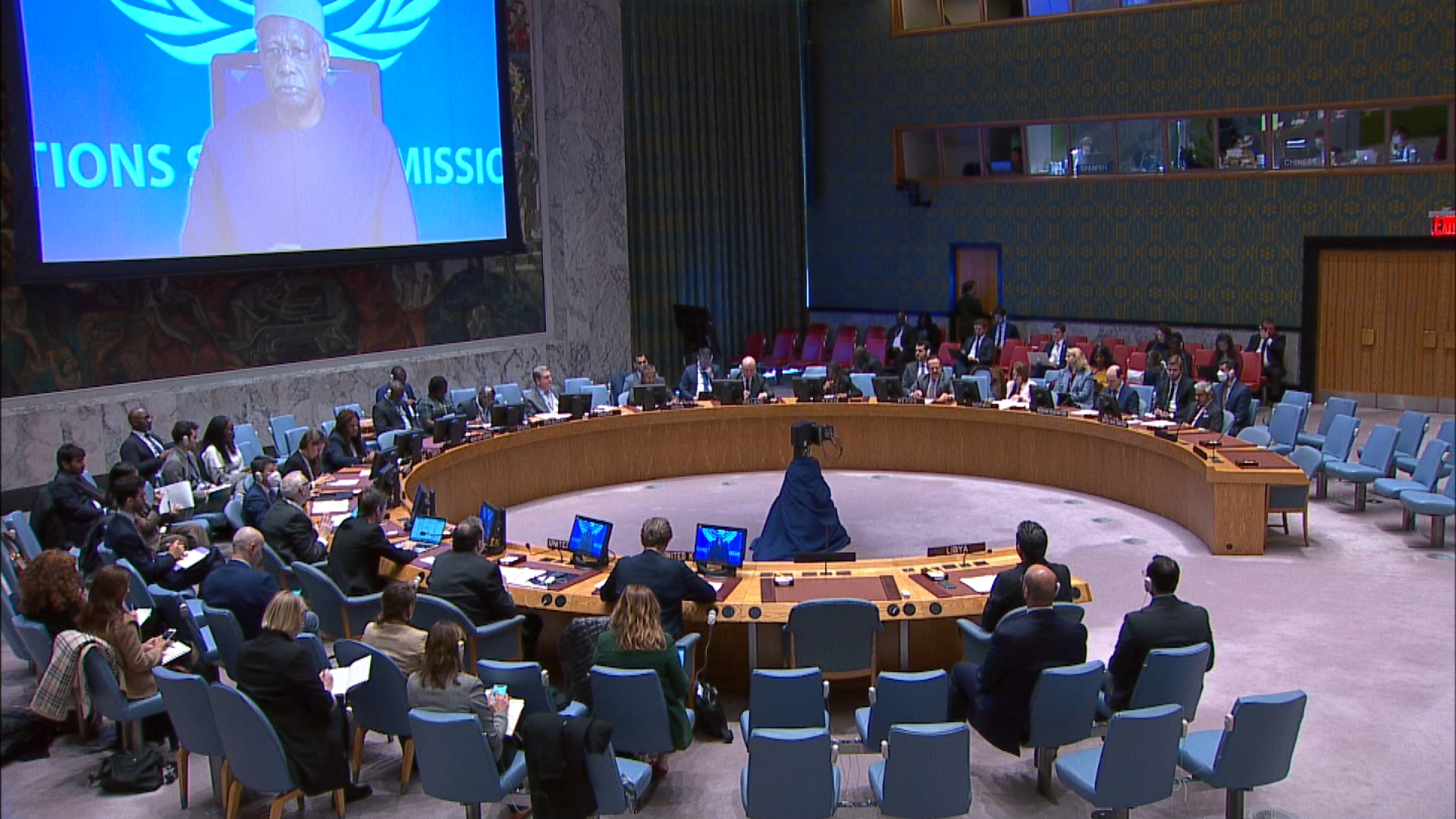
The situation in Libya - Security Council, 10142nd meeting
The Security Council today broadly agreed on the steps towards Libya’s peace and stability — including elections, institutional reunification, security sector reform and economic transparency — but emphasized that the real test will be effective implementation, sustained political will and a decisive break from the status quo.
Since the 2011 uprising that ended Muammar Gadhafi’s rule, efforts to establish unified governance in Libya have been hindered by institutional fragmentation and rival authorities. While the 2020 ceasefire reduced large-scale fighting, political divisions persist. Mediation through the United Nations Support Mission in Libya (UNSMIL) continues to pursue a constitutional basis and electoral framework under the Political Road Map.
“We are not where we would like to be in terms of progress on the road map,” said Hanna Serwaa Tetteh, Special Representative of the Secretary-General for Libya and Head of UNSMIL, noting that some Libyan actors continue to sidestep public expectations for democratic participation, while parallel structures outside existing agreements undermine institutional reunification.
- Briefer: Ms. Hanna Serwaa Tetteh, Special Representative of the Secretary-General for Libya and Head of the United Nations Support Mission in Libya (via video-teleconference)
- Statements: All Council members, with Democratic Republic of the Congo speaking on behalf of: Democratic Republic of the Congo, Liberia, Somalia
- Statement: Libya
Related Content

The situation in Libya - Security Council, 10176th meeting

UN / LIBYA
The situation in Libya - Security Council, 9162nd Meeting
8350th Security Council Meeting: Situation in Libya
The situation in Libya - Security Council, 10107th meeting
The situation in Libya - Security Council, 10074th meeting

UN / LIBYA
