Media Home
 UN Web TV
 UN Audiovisual Library
 UN Photo
WFP / SOUTH SUDAN HUNGER CRISIS
STORY: WFP / SOUTH SUDAN HUNGER CRISIS
TRT: 03:03
SOURCE: WFP
RESTRICTIONS: PLEASE CREDIT WFP ON SCREEN
LANGUAGES: ENGLISH / NATS
DATELINE: SEE THE SHOT LIST
20 APRIL 2026, CHUIL, JONGLEI STATE, SOUTH SUDAN
1. Wide shot, Jonglei State
An updated food insecurity analysis has confirmed that conflict and displacement is driving a worsening hunger crisis in South Sudan with a credible risk of famine in parts of Upper Nile and Jonglei states under a worst-case scenario. The situation is most severe in conflict-affected areas of Jonglei and Upper Nile states, where communities have been cut off from food, markets, and essential services.
16 AND 20 APRIL 2026, CHUIL, JONGLEI STATE, SOUTH SUDAN
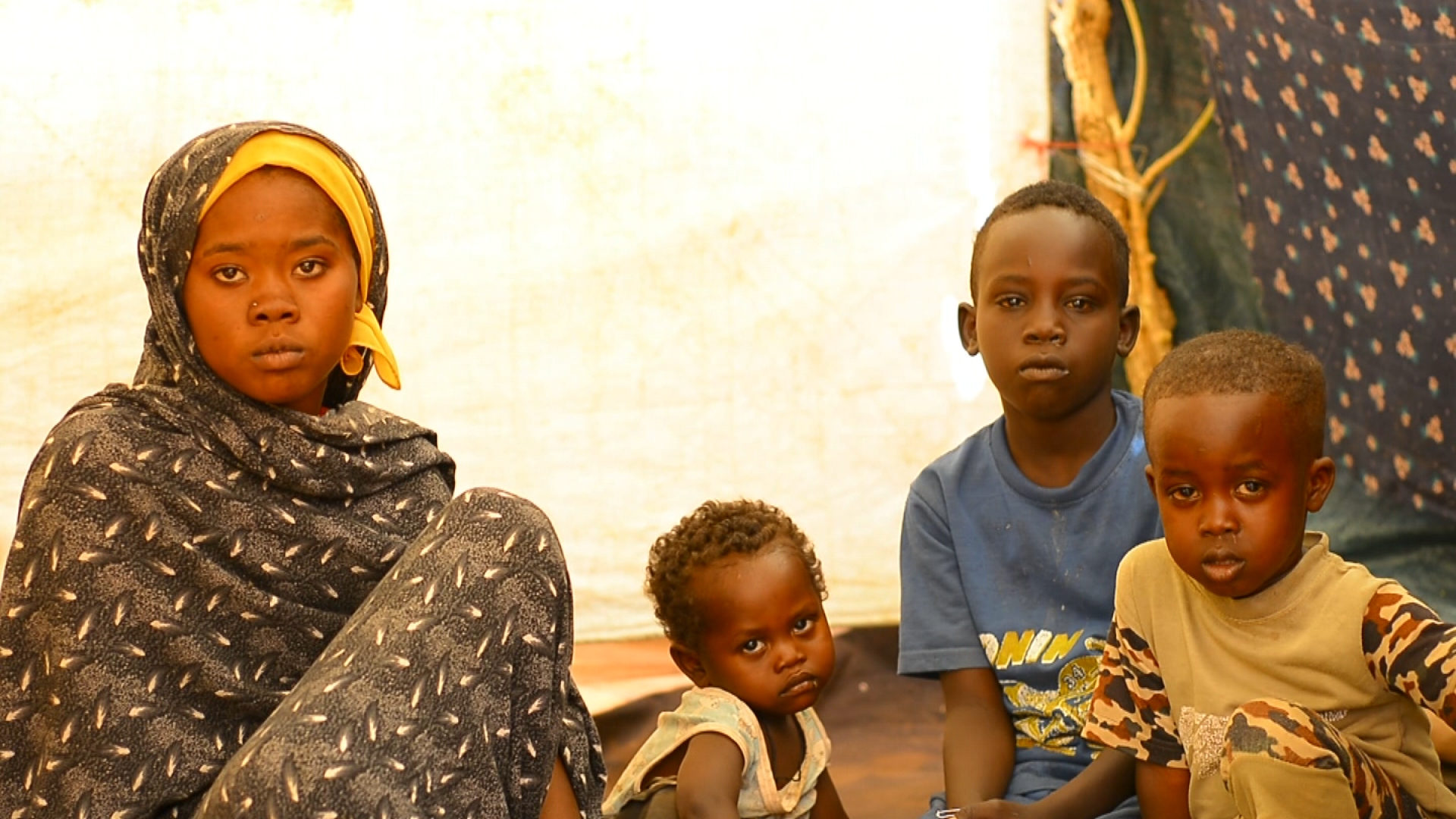
2. Various shots, displaced families and makeshift shelters in Chuil
The latest Integrated Food Security Phase Classification (IPC) analysis shows that 7.8 million people - 56 per cent of the population, among the highest in the world today – are facing high levels of acute food insecurity (IPC Phase 3 or above) between April and July 2026. This includes 73,300 people facing Catastrophe (IPC Phase 5)—the most severe level of hunger—while 2.5 million people are in Emergency (IPC Phase 4) and 5.3 million in Crisis (IPC Phase 3).
27 APRIL 2026, JUBA, SOUTH SUDAN
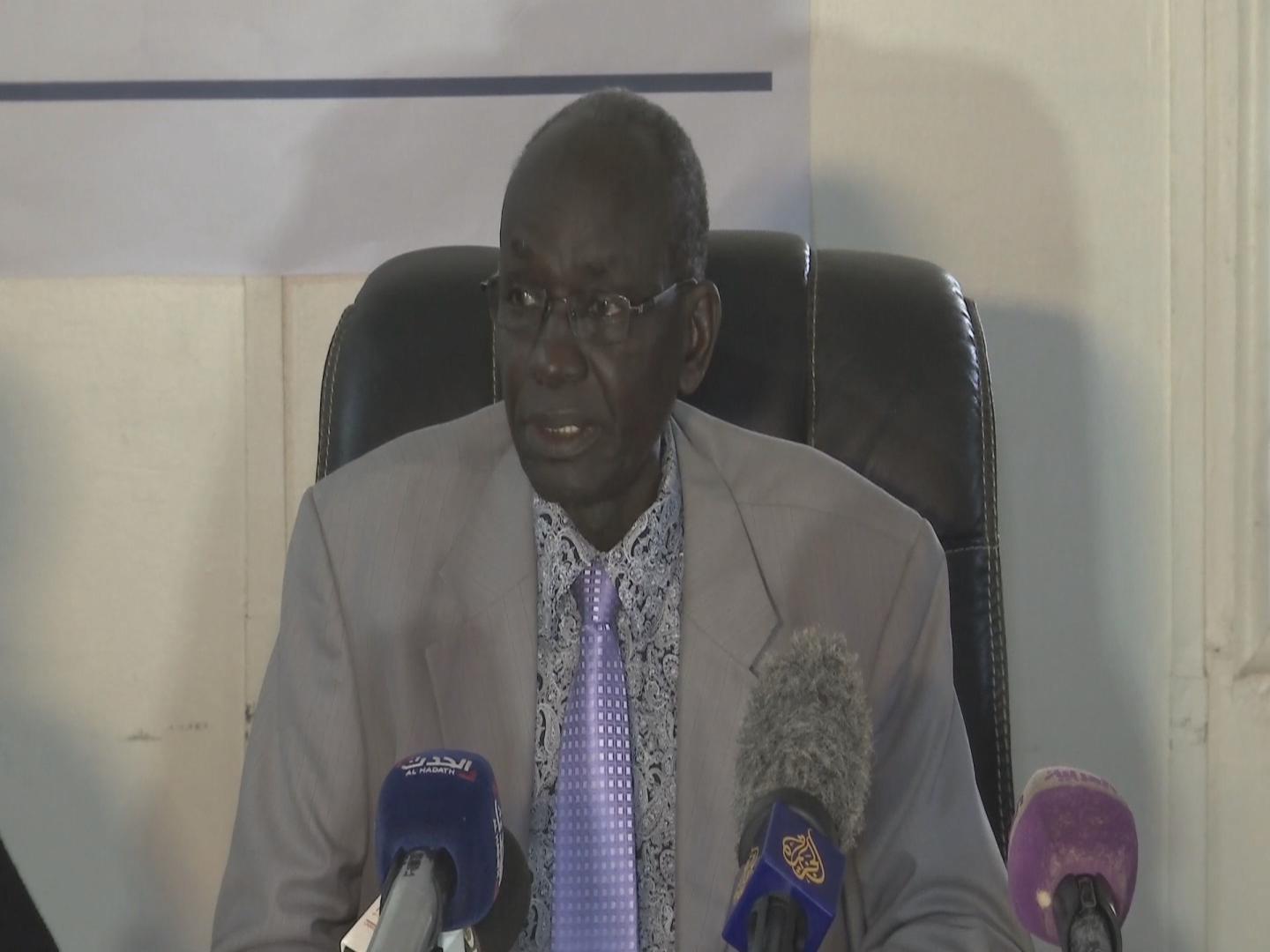
3. SOUNDBITE (English) Adham Effendi, Country Director for South Sudan a.i, World Food Programme (WFP):
“There’s a deepening hunger and malnutrition crisis in South Sudan. 7.8 million people are unable to find enough food to eat during the lean season. The World Food Programme is doing everything possible to reach the most vulnerable communities, but conflict and access denials are making it increasingly challenging.”
16, 20, 21 APRIL 2026, CHUIL, JONGLEI STATE, SOUTH SUDAN
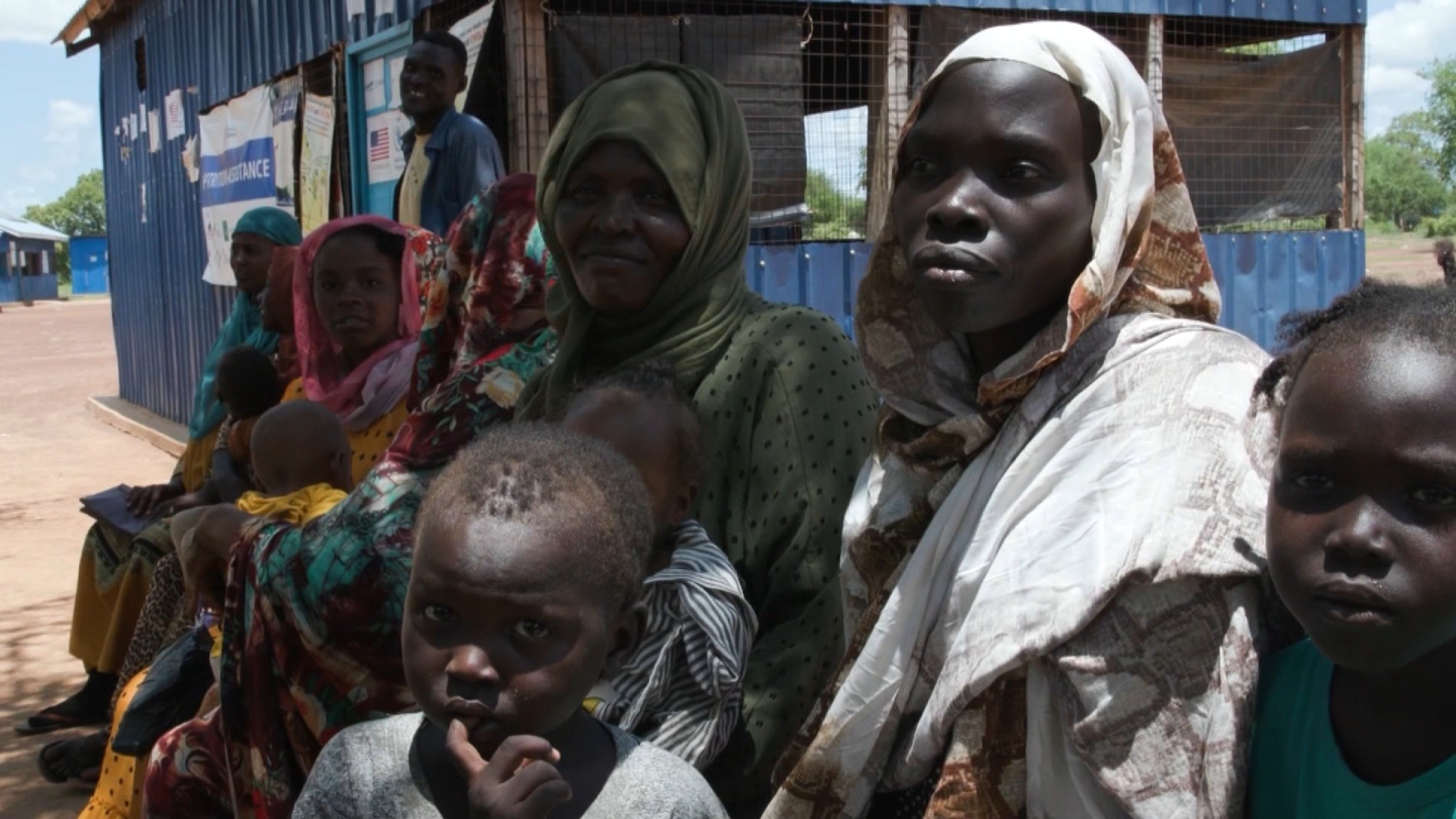
4. Various shots, displaced mothers and children at a malnutrition centre
Children being tested for malnutrition using Mid Upper-Arm Circumference test (MUAC) when the band is red it means the child is severely malnourished.
The malnutrition crisis is also deepening in South Sudan, 2.2 million children under-5 years are suffering from acute malnutrition, a figure projected to persist or worsen through July 2026, and which includes 696,554 children with severe acute malnutrition, the deadliest form. Similarly, 1.2 million pregnant and breastfeeding women are acutely malnourished, placing both mothers and infants at heightened risk.
21 APRIL 2026, CHUIL, JONGLEI STATE, SOUTH SUDAN
5. Various shots, Nyakuma Nyal and her triplets
Nyakuma Nyal fled her home in Lankien, Nyriol county – one of the areas at heightened risk of famine - when conflict broke out in her community. She was heavily pregnant and gave birth as she ran toward safety in Chuil.
6. SOUNDBITE (Nuer) Nyakuma Nyal, displaced community member from Lankien:
“I gave birth on the way. I delivered the babies and had to keep moving. There was nothing to cover them. Our clothes were burned. We only have the clothes we were wearing that day.”
16 AND 20 APRIL 2026, CHUIL, JONGLEI STATE, SOUTH SUDAN
7. Various shots, mothers and children receiving nutrition support
21 APRIL 2026, CHUIL, JONGLEI STATE, SOUTH SUDAN
8. Various shots, airlift of nutrition support for displaced mothers and children
Conflict-affected communities are becoming increasingly reliant on humanitarian assistance. Nearly 300,000 people have been displaced across Jonglei alone, with many communities isolated and unable to access markets. Even where food is available, rising food prices are pushing people further to the brink of food insecurity.
27 APRIL 2026, JUBA, SOUTH SUDAN
9. SOUNDBITE (English) Adham Effendi, Country Director for South Sudan a.i, World Food Programme (WFP):
“This conflict is hitting women and children the hardest, and even we can see that in the extreme high rates of malnutrition. These children are the future of the country, but without urgent support that future is at risk.”
20 APRIL 2026, CHUIL, JONGLEI STATE, SOUTH SUDAN
10. Various shots, WFP airdrops food assistance to displaced families in Chuil
Airdrops are a last resort and utilized only when there are no possible overland routes. In South Sudan, the cost of airdropping food or airlifting nutrition supplies to remote communities is up to 15 times more expensive than road or river routes, meaning critical resources don’t stretch as far.
21 APRIL 2026, CHUIL, JONGLEI STATE, SOUTH SUDAN
11. Various shots, community members collecting food for distribution following an airdrop
Families receive rations of sorghum, pulses, and vegetable oil. However, resourcing shortfalls in South Sudan mean most families have been receiving only half rations, less than 300 grams of food each day, making it even more difficult to dig themselves out of food insecurity.
22 APRIL 2026, CHUIL, JONGLEI STATE, SOUTH SUDAN
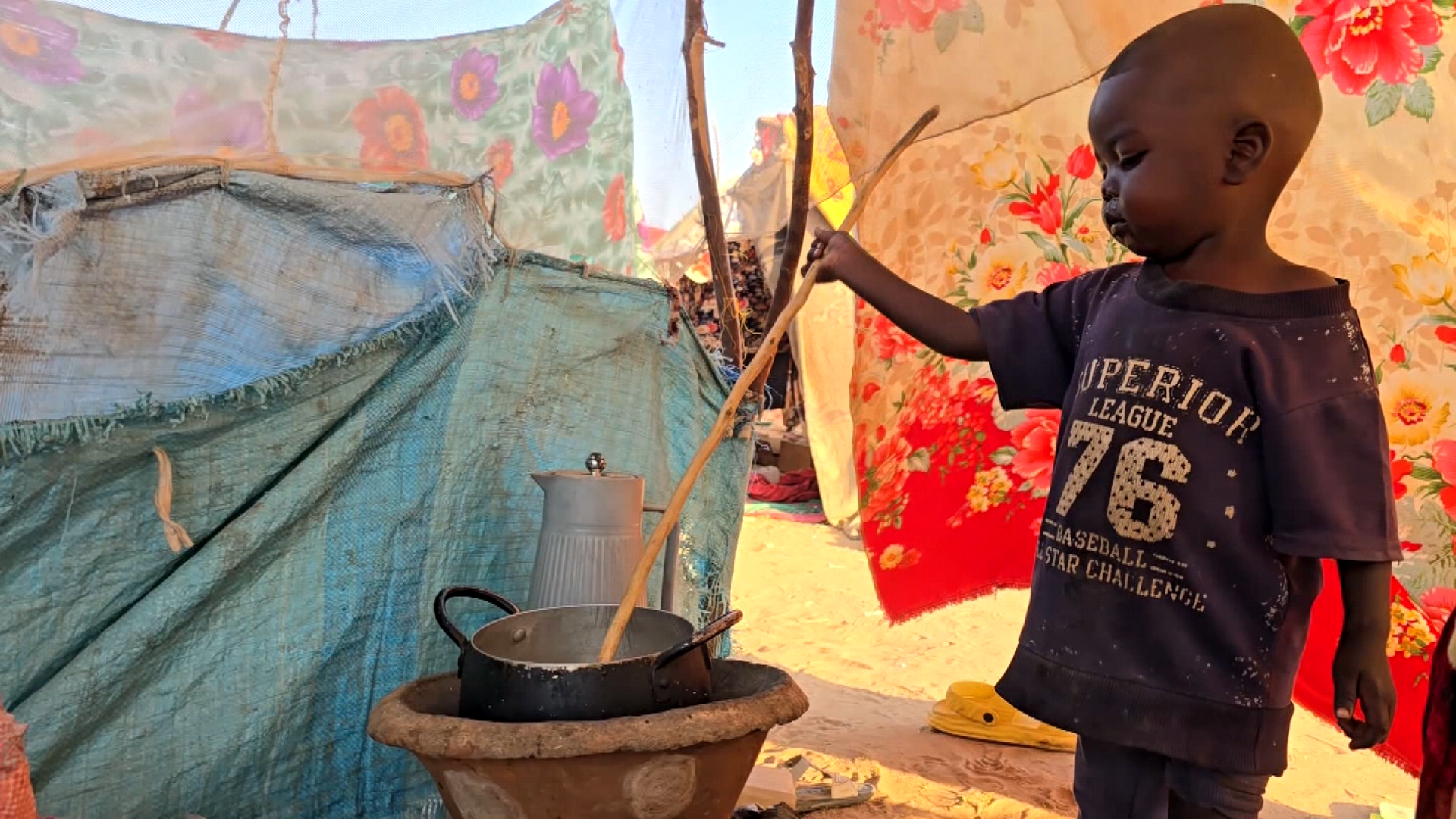
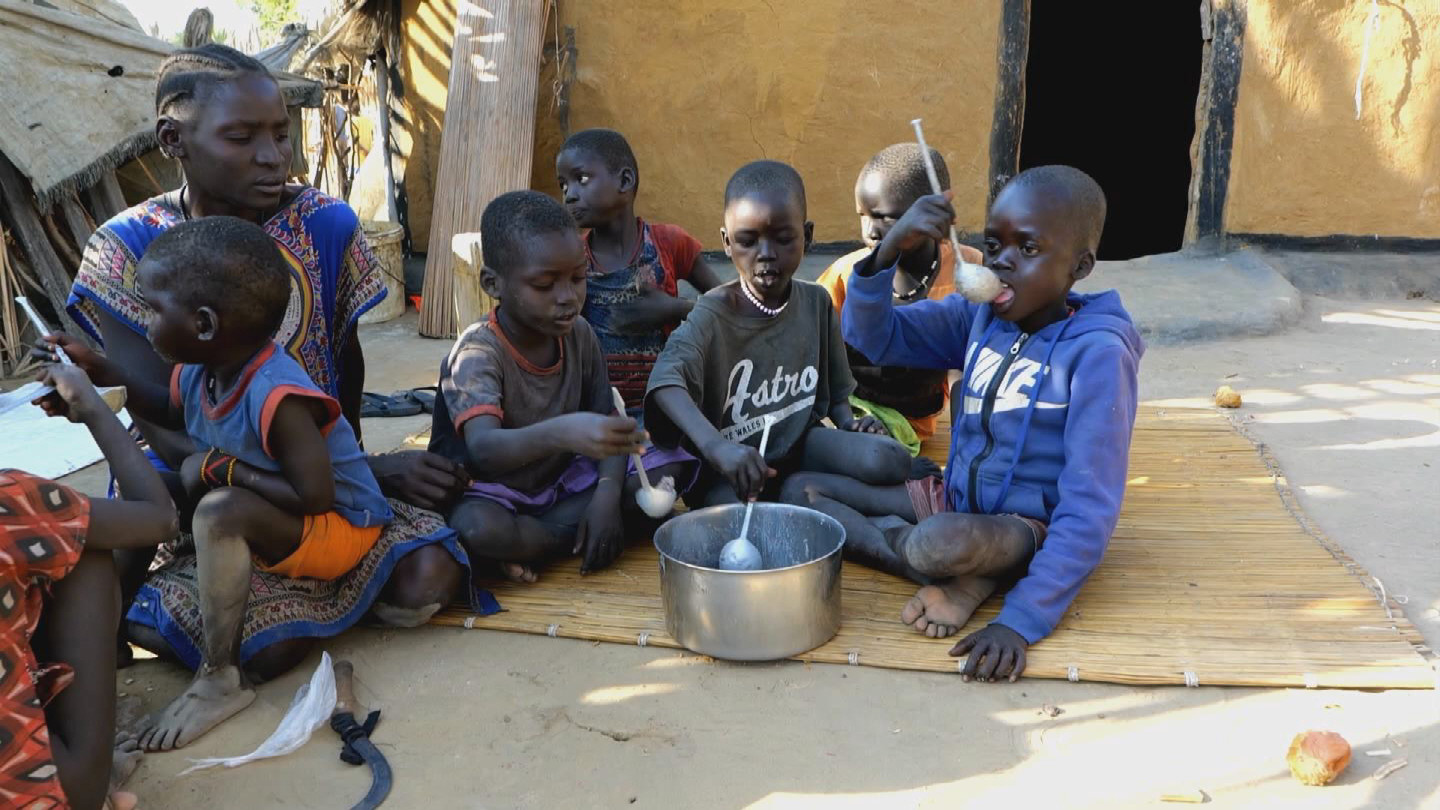
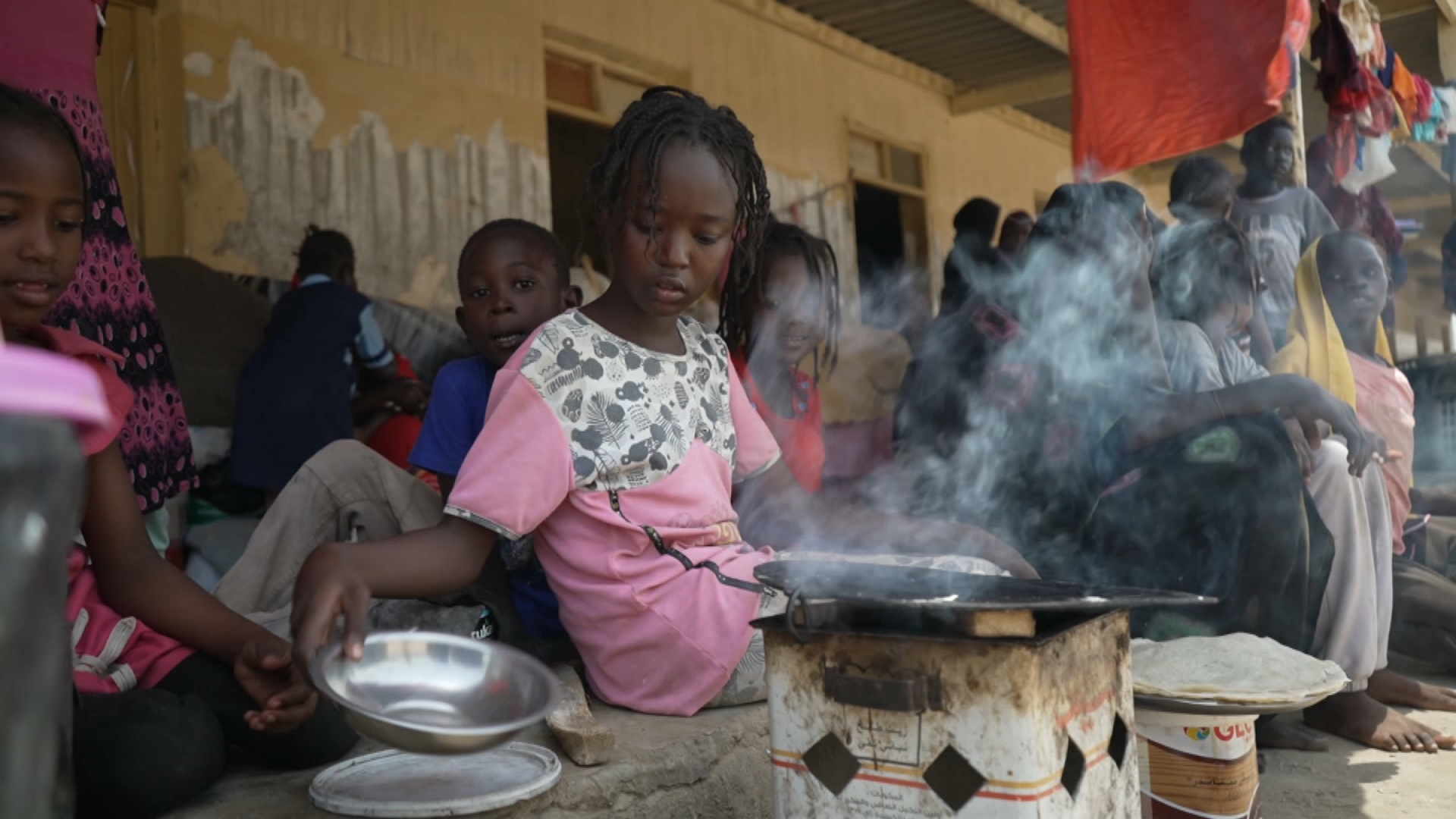
12. Various shots, families cooking outside their shelters
The latest Integrated Food Security Phase Classification (IPC) analysis shows a deepening hunger crisis amid conflict and access challenges in South Sudan.
With 56 percent of the population – one of the highest proportions in the world – acutely food insecure, UN agencies are warning that there is a credible risk of famine in parts of Upper Nile and Jonglei states under a worst-case scenario, particularly if conflict escalates further, displacement increases, and humanitarian access remains constrained.
Download
There is no media available to download.
Related Content
WFP / SUDAN SOUTH SUDAN CHAD MALNUTRITION
WFP / SUDAN FAMINE AID IMPEDED