Media Home
 UN Web TV
 UN Audiovisual Library
 UN Photo
ILO / INTERNATIONAL LABOUR CONFERENCE OPENING
STORY: ILO / INTERNATIONAL LABOUR CONFERENCE OPENING
TRT: 03:27
SOURCE: UNIFEED
RESTRICTIONS: PLEASE CREDIT ILO ON SCREEN
LANGUAGE: ENGLISH / SPANISH / NATS
DATELINE: 01 JUNE 2026, GENEVA, SWITZERLAND
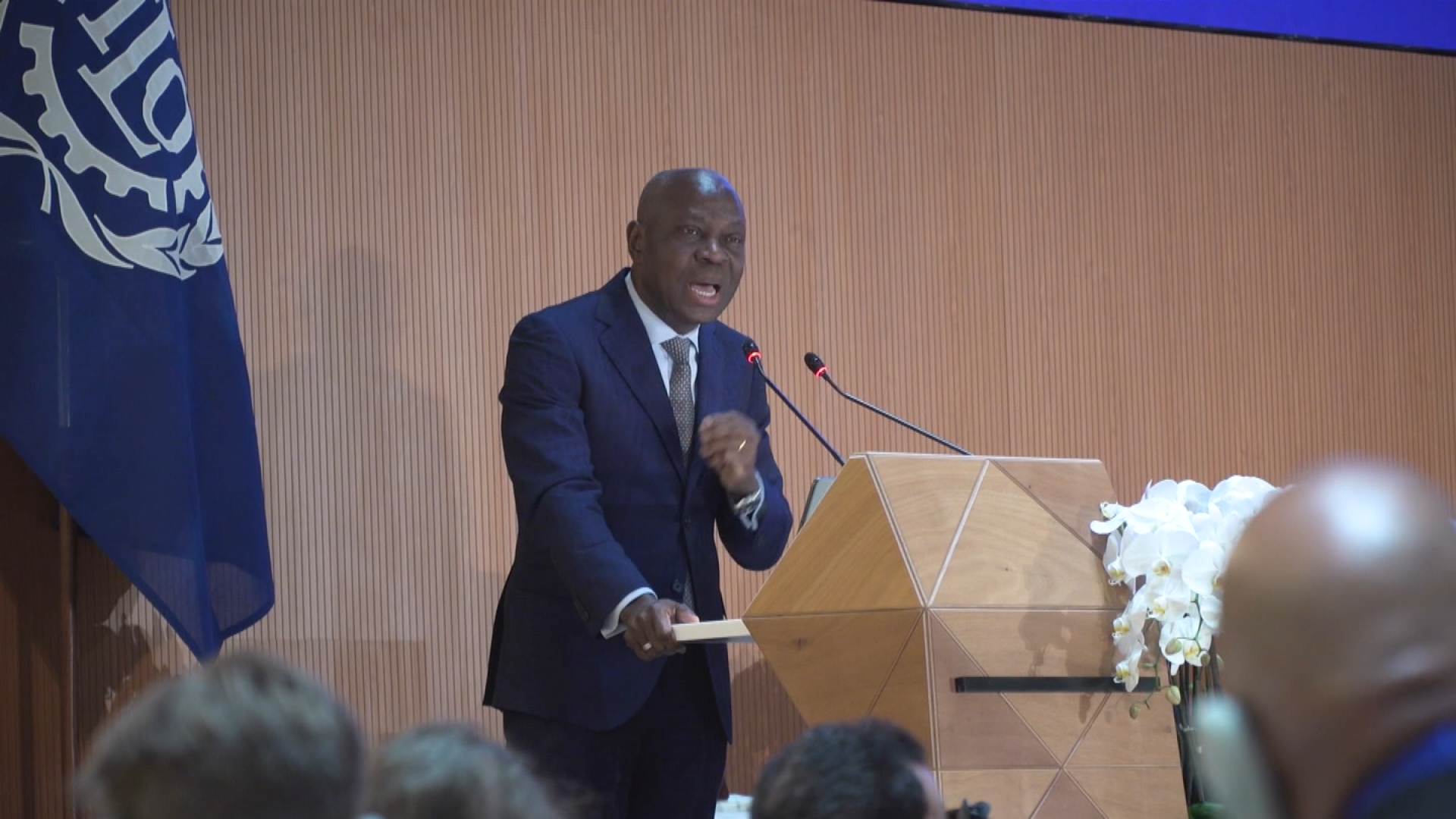
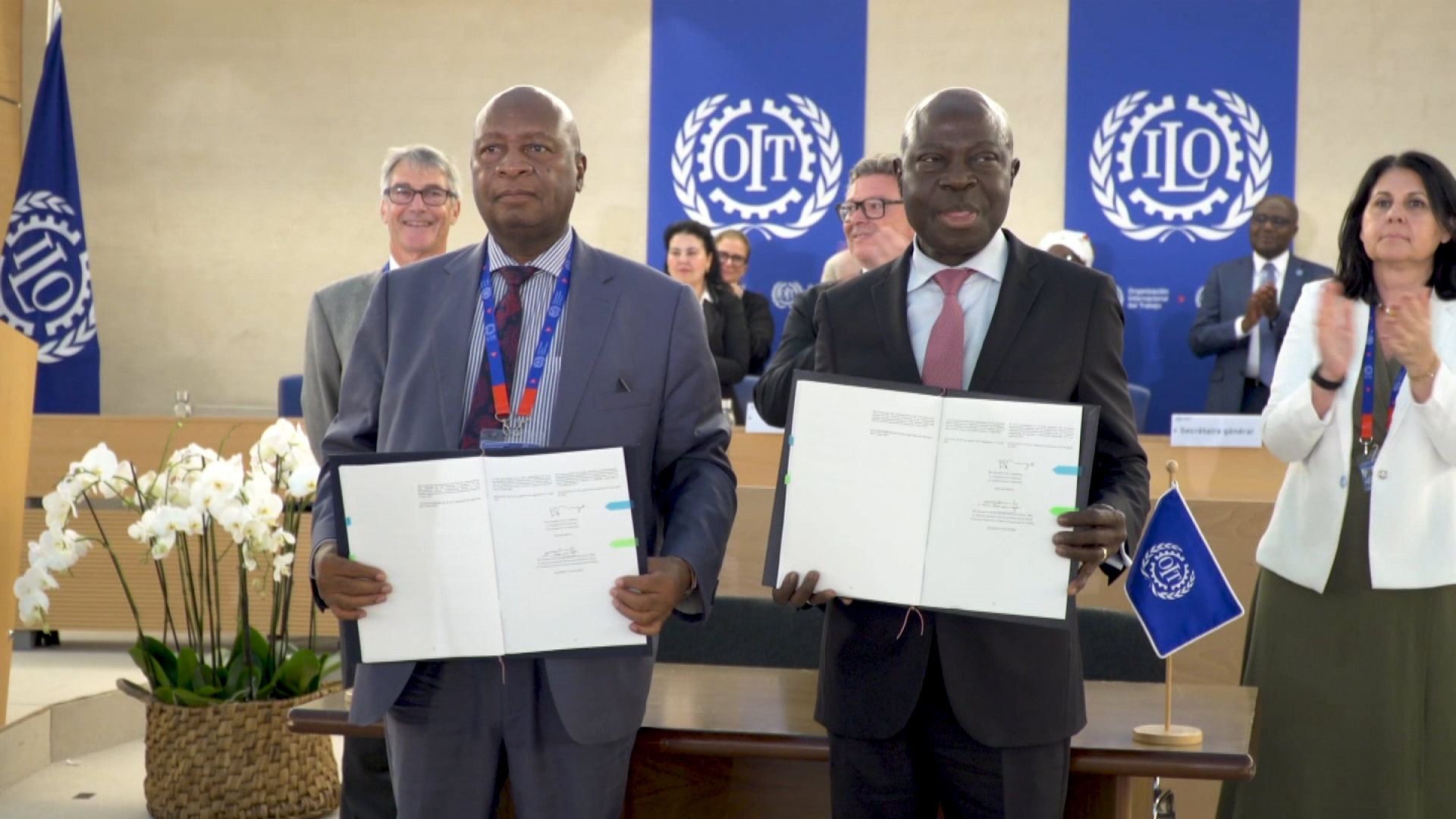
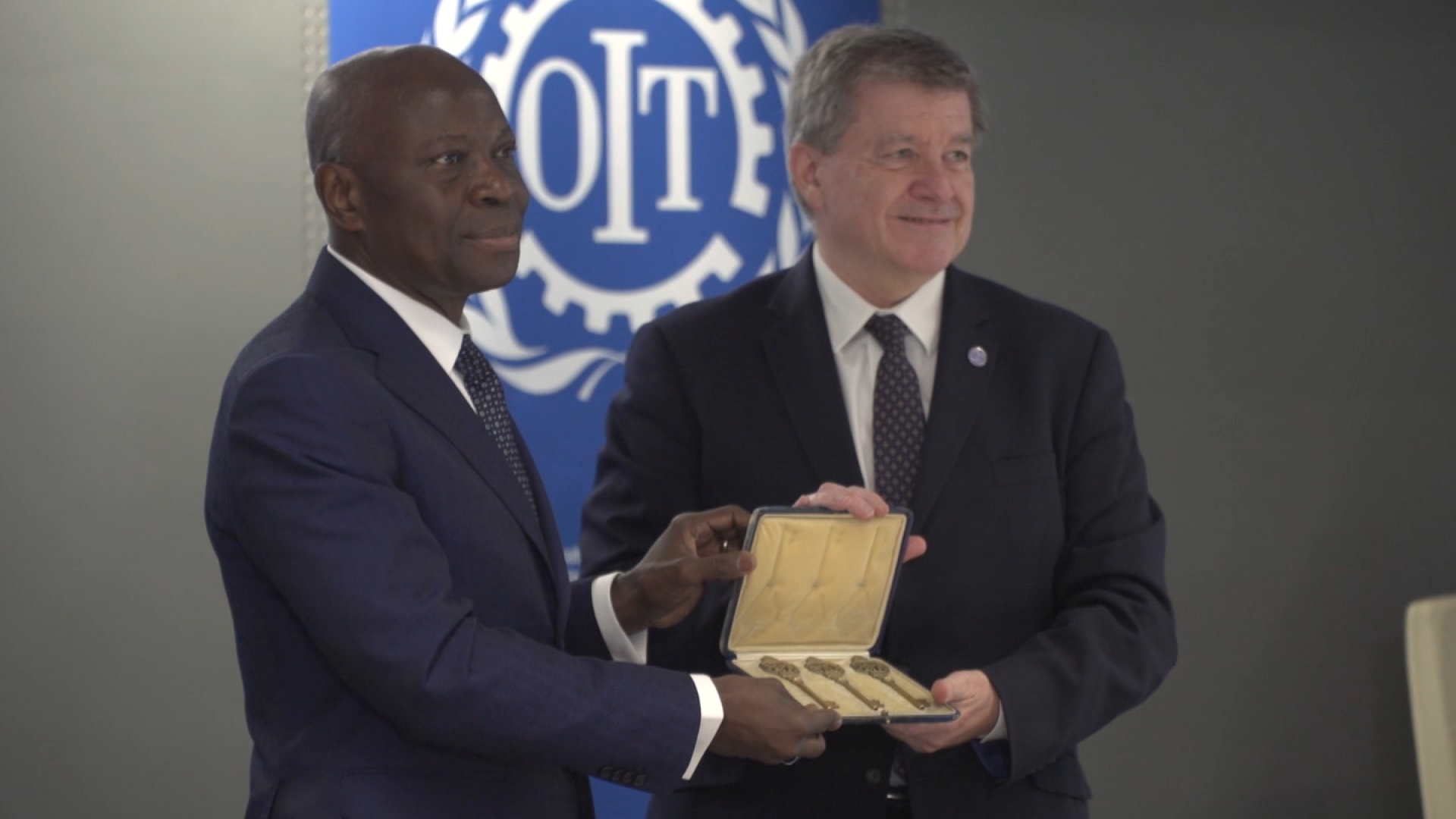
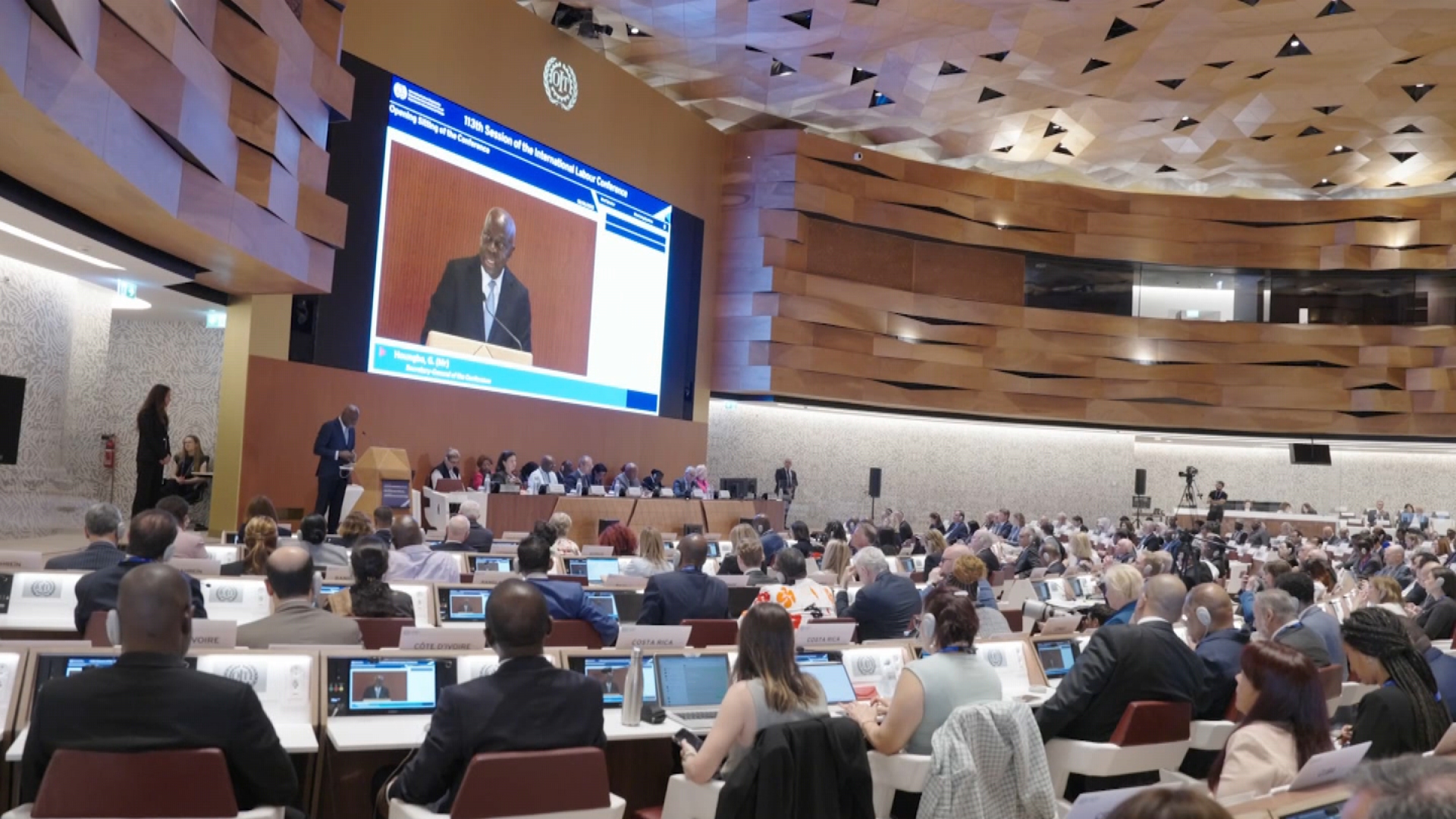
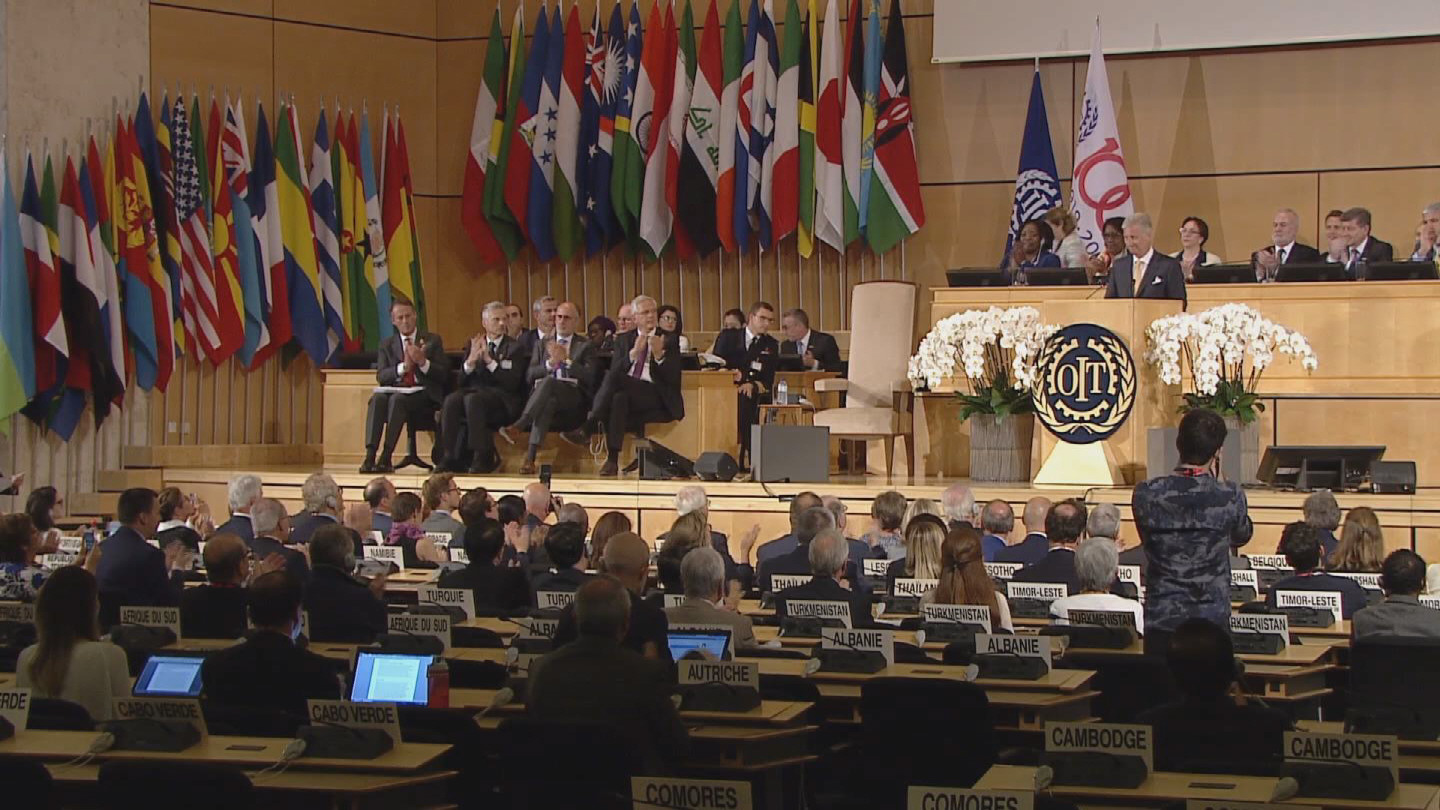
1. Various shots, delegates at the 114th International Labour Conference at the Assembly Hall in the Palace of Nations
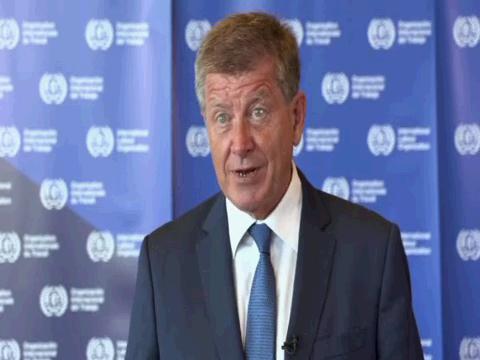
2. SOUNDBITE (English) Gilbert F. Houngbo, Director-General, International Labour Organization (ILO):
“The future of work will not be determined by technology alone, but by the policies, the institutions and the social dialogue that guide it. The choices we make today will determine whether AI broadens opportunity and shared prosperity or deepens inequality and insecurity.”
3. Wide shot delegates
4. SOUNDBITE (English) Gilbert F. Houngbo, Director-General, International Labour Organization (ILO): “Workers everywhere must be able to share the productivity gains generated by AI. Those gains must be distributed fairly through better wages, stronger labour protections and more inclusive growth.”
5. Close up, camera
6. SOUNDBITE (English) Gilbert F. Houngbo, Director-General, International Labour Organization (ILO):
“In an already slow-growing global economy marked by persistent decent work deficits, the consequences could be significant. Under a prolonged oil shock scenario, we predict global hours worked could fall by the equivalent of 14 million full-time jobs this year and 38 million next year, with labour income losses reaching up to US$3 trillion by 2027.”
7. Various shots, Uruguay’s Minister of Labour Juan Castillo speaking
8. SOUNDBITE (Spanish) Juan Castillo, Minister of Labour and Social Security, President of
the 114th Session of the ILC, Uruguay:
“We are convening this International Labour Conference at a decisive moment for the world of work, for our democracies, for peace, and for the future of millions of workers around the world. We are living in an era of profound transformations that are redefining the world of work at an unprecedented pace. The rapid expansion of artificial intelligence, the growth of the platform economy, and the digitalization of
labour relations are changing not only the way we produce and work, but also the way profits, opportunities, power and rights are distributed across our societies.”
9. Various shots, delegates
At the opening of the 114th International Labour Conference, ILO Director-General Gilbert F. Houngbo today (1 Jun) warned that the impact of artificial intelligence on jobs will depend on policy choices made today, arguing that workers must share in AI-driven productivity gains through better wages, stronger labour protections and inclusive growth.
SOUNDBITE (English) Gilbert F. Houngbo, Director-General, International Labour Organization (ILO):
“The future of work will not be determined by technology alone, but by the policies, the institutions and the social dialogue that guide it. The choices we make today will determine whether AI broadens opportunity and shared prosperity or deepens inequality and insecurity.”
“Workers everywhere must be able to share the productivity gains generated by AI. Those gains must be distributed fairly through better wages, stronger labour protections and more inclusive growth.”
At the same time, he cautioned that geopolitical tensions and a potential prolonged oil shock linked to the Middle East crisis could have severe consequences for global employment.
SOUNDBITE (English) Gilbert F. Houngbo, Director-General, International Labour Organization (ILO):
“In an already slow-growing global economy marked by persistent decent work deficits, the consequences could be significant. Under a prolonged oil shock scenario, we predict global hours worked could fall by the equivalent of 14 million full-time jobs this year and 38 million next year, with labour income losses reaching up to US$3 trillion by 2027.”
For his part, Uruguay’s Minister of Labour and Social Security Juan Castillo told the meeting that “the rapid expansion of artificial intelligence, the growth of the platform economy, and the digitalization of
labour relations are changing not only the way we produce and work, but also the way profits, opportunities, power and rights are distributed across our societies.”
SOUNDBITE (Spanish) Juan Castillo, Minister of Labour and Social Security, President of
the 114th Session of the ILC, Uruguay:
“We are convening this International Labour Conference at a decisive moment for the world of work, for our democracies, for peace, and for the future of millions of workers around the world. We are living in an era of profound transformations that are redefining the world of work at an unprecedented pace. The rapid expansion of artificial intelligence, the growth of the platform economy, and the digitalization of
labour relations are changing not only the way we produce and work, but also the way profits, opportunities, power and rights are distributed across our societies.”
The 114th session of the International Labour Conference (ILC) takes place from 1 to 12 June 2026. The Conference activities will be held at three different venues including the ILO Headquarters building, the Palais des Nations and the Geneva International Conference Centre (CICG).
Worker, Employer and Government delegates from the ILO’s 187 Member States will discuss a wide range of key issues shaping the world of work. The Conference agenda includes the reports of the Chairperson of the Governing Body and of the Director-General, discussions on the Programme and Budget, and the application of international labour standards.
The Conference will also address major policy themes, including a recurrent discussion on social dialogue and tripartism, a second standard-setting discussion on decent work in the platform economy, and a general discussion on advancing gender equality in the world of work.
Download
There is no media available to download.
Related Content

ILO / COALITION SOCIAL JUSTICE