Media Home
 UN Web TV
 UN Audiovisual Library
 UN Photo
UNHCR / SOUTH SUDAN DISPLACED POPULATION
STORY: UNHCR / SOUTH SUDAN DISPLACED POPULATION
TRT: 02:27
SOURCE: UNHCR
RESTRICTIONS: PLEASE CREDIT UNHCR ON SCREEN
LANGUAGES: NATS
DATELINE: 04 JUN 2026, AKOBO, SOUTH SUDAN
1. Aerial shot, Bor town and IDP site
2. Wide shot, delegation walking towards Akoboriver dock
3. Wide shot, people entering boats
4. Wide shot, barge on river
5. Med shot, various delegation on speed boats
6. Med shot, women in canoe, river
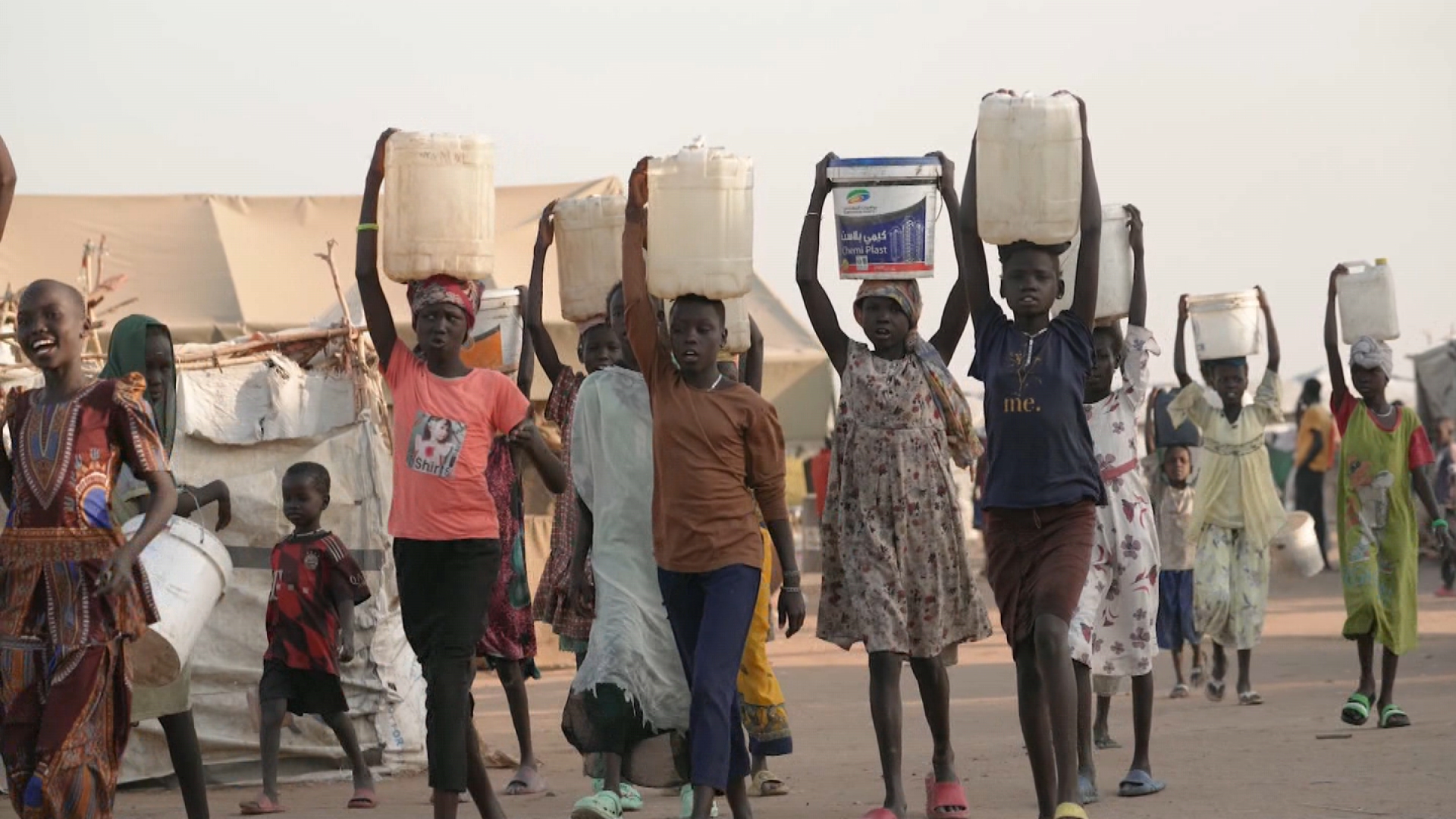
7. Wide shot, children carrying chairs and tables
8. Med shot, boys carrying boxes on their heads
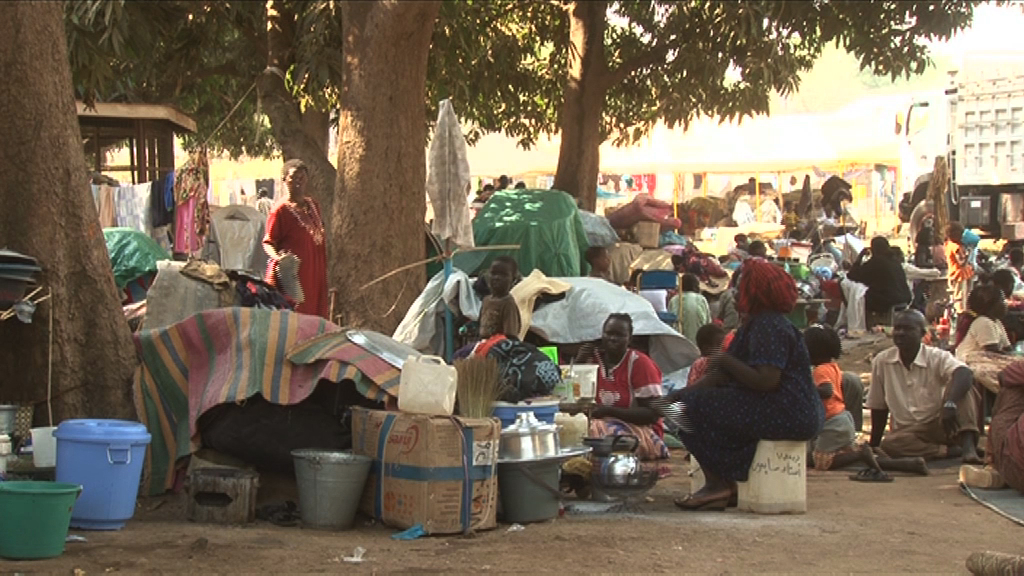
9. Wide shot, people seated under a tree
10. Med shot, women under tree
11. Wide shot, people walking, Akobo town
12. Wide shot, destroyed tent structures
13. Med shot, young women chatting
14. Various shots, UNHCR regional director for Eastern and Southern Africa talking to families
15. Med shot, various of UNHCR regional director Mamadou Dian Balde talking to traditional elders
16. SOUNDBITE (English) Mamadou Dian Balde, Regional Director, Eastern and Southern Africa, UN Refugee Agency (UNHCR):
“I am in Dibolle, South Sudan, Akobo County. On the other side is Tiergol in Ethiopia in the Gambella region. This is the route that hundreds of thousands of people have used when violence intensified in Akobo County. People have suffered. People have lost loved ones. It’s about accountability. It is about finding solutions to end this violence. This endless violence in South Sudan should end. This is what people who have been affected by this brutal conflict are asking for.”
17. Aerial shot, Bor town and IDP site
The UN Refugee Agency (UNHCR) warned that renewed insecurity and rising displacement in South Sudan’s Jonglei are putting thousands at grave risk.
According to UNHCR, a grave protection crisis is unfolding in South Sudan’s eastern Jonglei State, where months of fighting and insecurity have forced hundreds of thousands of people to flee their homes, triggering one of the most severe conflict-related displacement emergencies in recent years.
Jonglei’s Akobo County, the epicentre of the violence, is bearing the heaviest impact.
Around 140,000people have been displaced there alone, while more than 300,000 have been uprooted across Jonglei and neighbouring states since December last year.
Around 100,000 people fled into neighboring Ethiopia in search of safety, with population movements remaining fluid and pendular.
Meanwhile, thousands have also returned in recent weeks despite ongoing insecurity, limited services and severe humanitarian needs.
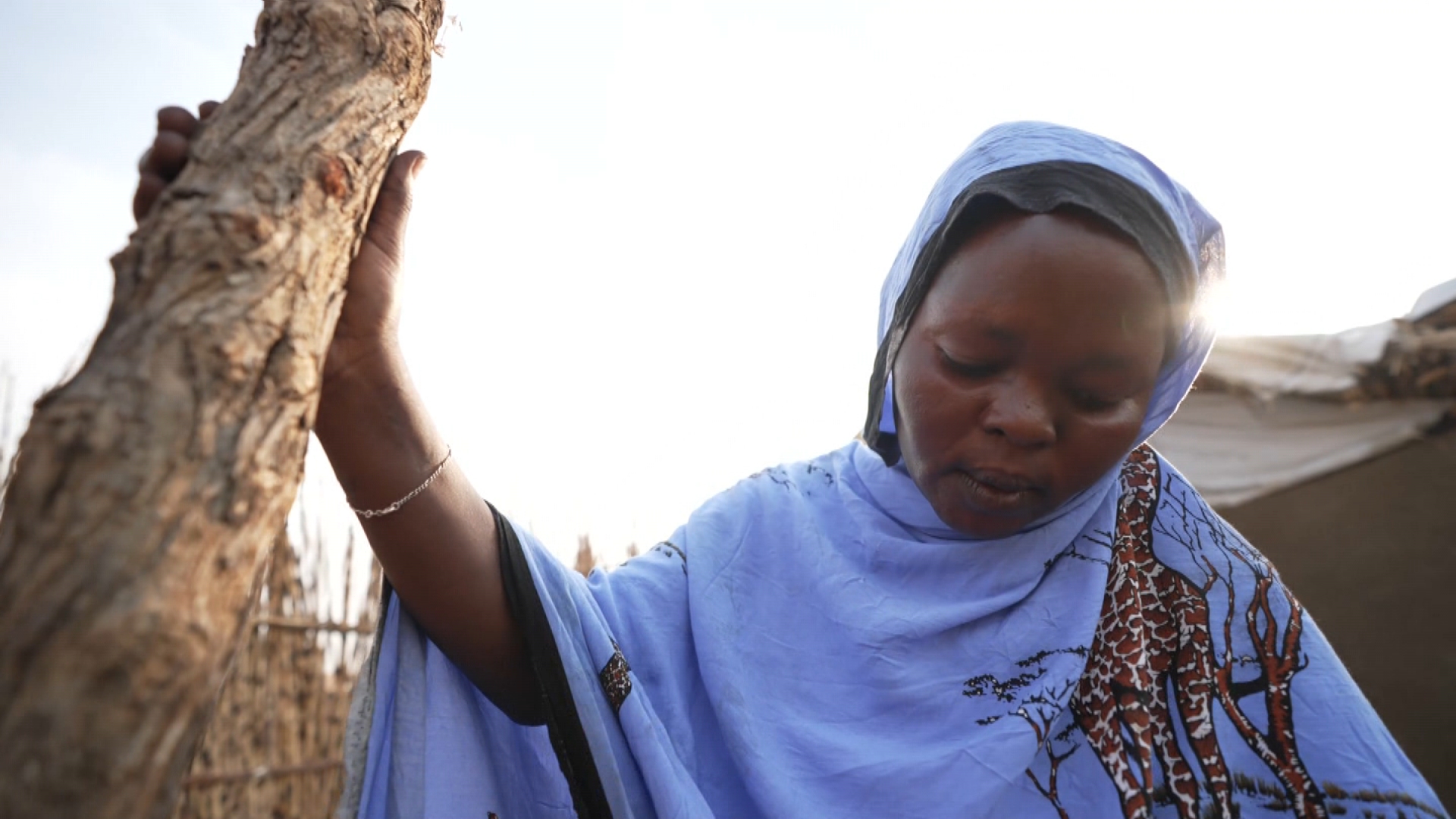
UNHCR teams on the ground have witnessed the emergency unfold. Many families are returning to find their homes destroyed, or looted, forcing them to cram into unfinished buildings and makeshift shelters made from sticks and plastic sheeting.
Children have been traumatized having been witness to the conflict, while others have been separated from their families.
At the same time, there are multiple reports of women having experienced severe conflict-related sexual violence.
The lack of safe shelter and basic services is sharply increasing protection risks.
Women and children remain particularly exposed to exploitation, abuse and violence, while older persons, persons with disabilities and other vulnerable groups face serious challenges accessing food, health care, protection and other essential support.
Constrained humanitarian access across several locations has cut off the most vulnerable from critical aid, further deepening the crisis.
Many have exhausted their resources after moving repeatedly between South Sudan and Ethiopia in search of safety.
For some, returning to Akobo is not a sign that conditions for return are ideal, but instead a reflection of how few options remain.
With South Sudan’s rainy season now underway, likely flooding is adding another layer of hardship to an already dire crisis.
In 2025, unprecedented floods affected more than one million people across the country, damaging homes, roads and basic infrastructure, cutting off communities and restricting humanitarian access.
Similar impacts are expected this year, raising the risk that displaced families in Akobo and surrounding areas will become even more isolated as heavy rains intensify, disease risks grow and relief operations become increasingly difficult.
The humanitarian situation in Jonglei comes against the backdrop of a wider displacement crisis in South Sudan, the world’s youngest nation, which has faced repeated waves of conflict, displacement and climate shocks since independence in 2011.
Some 2.4 million South Sudanese refugees remain hosted across the region, while nearly 2 million people are internally displaced inside the country.
South Sudan is also absorbing the impact of the war in neighbouring Sudan, with more than 1.3 million people crossing into the country since April 2023, including returnees, refugees and asylum-seekers.
UNHCR and partners remain on the ground monitoring borders and carrying out targeted community-based protection services to identify those most in need and referring them to available services.
However, humanitarian needs are growing fast, and the response cannot keep pace.
As of May 2026, UNHCR had only 25 per cent of the USD 286 million required to support people forced to flee, as well as local host communities in South Sudan.
UNHCR is calling for urgent, flexible funding to scale up protection and life-saving assistance in Akobo and across South Sudan.
Without immediate support, thousands of families who fled violence risk facing the rainy season without safe shelter, basic services or the protection they need to survive.
Download
There is no media available to download.
Related Content
UNHCR / SOUTH SUDAN SUDANESE REFUGEES
GENEVA / SUDAN ONE YEAR

UNHCR / UGANDA REFUGEES