Media Home
 UN Web TV
 UN Audiovisual Library
 UN Photo
SOUTH SUDAN / MUNDRI LIVESTOCK VACCINATION
STORY: SOUTH SUDAN / MUNDRI LIVESTOCK VACCINATION
TRT: 03:45
SOURCE: UNMISS
RESTRICTIONS: NONE
LANGUAGES: ENGLISH / ARABIC / NATS
DATELINE: 16 JULY 2026, GREATER MUNDRI, WESTERN EQUATORIA STATE, SOUTH SUDAN
1. Wide shot, UNMISS convoy driving along rural road to Greater Mundri
2. Various shots, Peacekeepers providing security along the route
3. Wide shot, Arrival at cattle camp
4. FAO veterinary team loading and unloading vaccines and equipment
5. Close-up, Vaccine cooler boxes
6. Livestock officers preparing vaccines
7. Close-up, Vaccination of cattle
8. Soundbite (English) Abakar Rajab, FAO Deputy Field Coordinator, Yambio Field Office:
"It was important for us to join the UNMISS convoy. Through their support, we were able to reach livestock communities in Mundri, where we will be able to vaccinate the animals."
11. Various shots, more cattle being vaccinated
12. Soundbite (Arabic) Laverick Taban Kule, Cattle Keeper:
"Our cattle are very important to us. If we need to pay school fees, we can sell one to educate our children. If there is a bride price to settle, we sell one to meet that obligation. If there is a funeral, we can also sell one to help the family. But when our cattle become sick, many of them die, and we suffer huge losses. We need this kind of support to keep our cattle healthy so they can multiply, because livestock is our livelihood."
15. Various shots, Community members assisting during vaccination
16. Various shots, more cattle being vaccinated
17. Soundbite (Arabic) John Mamur Bago, Director of Livestock, Greater Mundri:
"The importance of this vaccination is, firstly, that it keeps the animals healthy; secondly, it helps keep the community healthy; and thirdly, when herders can move freely from one boma to another, it helps reduce insecurity."
18. Various shots, UNMISS peacekeepers interacting with community members
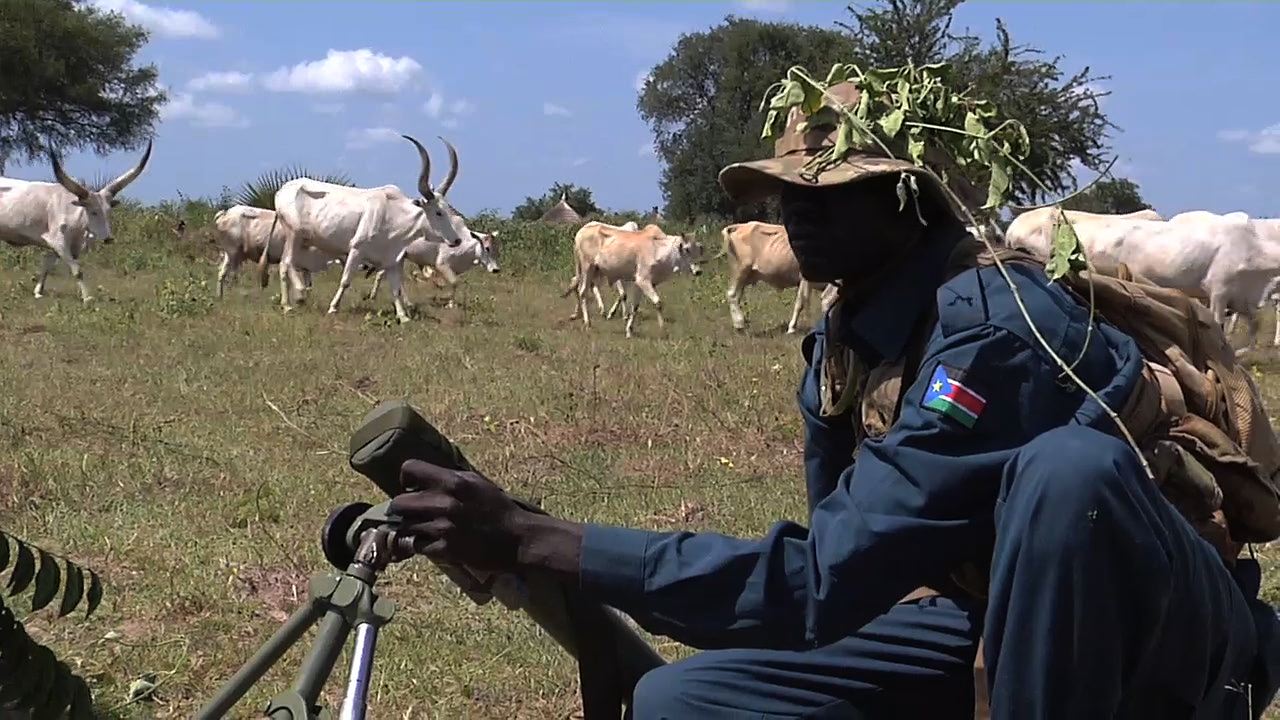
19. Wide shot, Cattle grazing after vaccination
20. Soundbite (English) Anthony Nwapa, Officer-in-Charge, UNMISS Field Office Yambio:
"People need livelihood opportunities. For these communities, their main source of livelihood is these cattle. It is about a robust commitment from us to facilitate the delivery of humanitarian assistance to the remote communities across South Sudan to build their livelihood and to ensure that conflict is reduced to the bare minimum."
21. Wide shot, Sunrise over cattle camp
22. Various shots, UNMISS convoy driving along rural road to Greater Mundri.
For families in Greater Mundri, cattle are more than livestock. They are savings, school fees, and a lifeline in times of need. But years of insecurity and limited veterinary services have left herds vulnerable to disease, putting livelihoods at risk. With security escorts from the United Nations Mission in South Sudan (UNMISS), veterinary teams from the Food and Agriculture Organization (FAO) and the State Ministry of Animal Resources were able to reach remote cattle camps with life-saving vaccinations.
Soundbite (English) – Abakar Rajab, FAO Deputy Field Coordinator:
"It was important for us to join the UNMISS convoy. Through their support, we were able to reach livestock communities in Mundri, where we will be able to vaccinate the animals."
For cattle keepers, protecting livestock means protecting their future.
Soundbite (Arabic) – Laverick Taban Kule, Cattle Keeper:
"Our cattle are very important to us. If we need to pay school fees, we can sell one to educate our children. If there is a bride price to settle, we sell one to meet that obligation. If there is a funeral, we can also sell one to help the family. But when our cattle become sick, many of them die, and we suffer huge losses. We need this kind of support to keep our cattle healthy so they can multiply, because livestock is our livelihood."
The impact reaches beyond individual households, helping build healthier and more secure communities.
Soundbite (Arabic) – John Mamur Bago, Director of Livestock, Greater Mundri:
"The importance of this vaccination is, firstly, that it keeps the animals healthy; secondly, it helps keep the community healthy; and thirdly, when herders can move freely from one boma to another, it helps reduce insecurity."
By enabling humanitarian access, UNMISS is helping essential services reach communities that need them most.
Soundbite (English) – Anthony Nwapa, Officer-in-Charge, UNMISS Field Office Yambio:
"People need livelihood opportunities. For these communities, their main source of livelihood is these cattle. It is about a robust commitment from us to facilitate the delivery of humanitarian assistance to the remote communities across South Sudan to build their livelihood and to ensure that conflict is reduced to the bare minimum."
The benefits extend beyond individual households. Healthier herds also contribute to healthier, more secure communities. Together, UNMISS, FAO, government authorities, and local cattle keepers are helping protect livelihoods while supporting long-term peace in Greater Mundri.
Download
There is no media available to download.