Media Home
 UN Web TV
 UN Audiovisual Library
 UN Photo
UN / SYRIA POLITICAL HUMANITARIAN
STORY: UN / SYRIA POLITICAL HUMANITARIAN
TRT: 4:01
SOURCE: UNIFEED
RESTRICTIONS: NONE
LANGUAGE: ENGLISH / ARABIC / NATS
DATELINE: 21 JULY 2026, NEW YORK CITY / FILE
FILE - NEW YORK CITY
1. Wide shot, exterior, United Nations Headquarters
21 JULY 2026, NEW YORK CITY
2. Wide shot, Security Council
3. SOUNDBITE (English) Claudio Cordone, Deputy Special Envoy of the Secretary-General for Syria:
“The consolidation of the legislative and the judicial institutions as independent from the executive, reflecting the principle of separation of powers enshrined in the Constitutional Declaration, will be an important component of a credible, inclusive, and sustainable transition. The Member of Parliament’s professionalism and responsibilities with which they tackle their work, will also be crucial factors in fostering public confidence in the emerging state institutions.”
4. Wide shot, Security Council
5. SOUNDBITE (English) Claudio Cordone, Deputy Special Envoy of the Secretary-General for Syria:
“A year since grave human rights violations in Suweida, the political impasse remains as deep as ever. On the ground, there were clashes between General Security Forces and the National Guard in late June. While these did not escalate into a wider confrontation, the security environment continued to deteriorate.”
6. Wide shot, Security Council
7. SOUNDBITE (English) Claudio Cordone, Deputy Special Envoy of the Secretary-General for Syria:
“I remain deeply concerned by continued Israeli military activity in southern Syria. Incursions, shelling, drone overflights and restrictions on civilian movement continued across Quneitra and Daraa.”
8. Wide shot, Security Council
9. SOUNDBITE (English) Claudio Cordone, Deputy Special Envoy of the Secretary-General for Syria:
“We reiterate our call on Israel to end violations of the 1974 Disengagement of Forces Agreement, and respect international law.”
10. Wide shot, Security Council
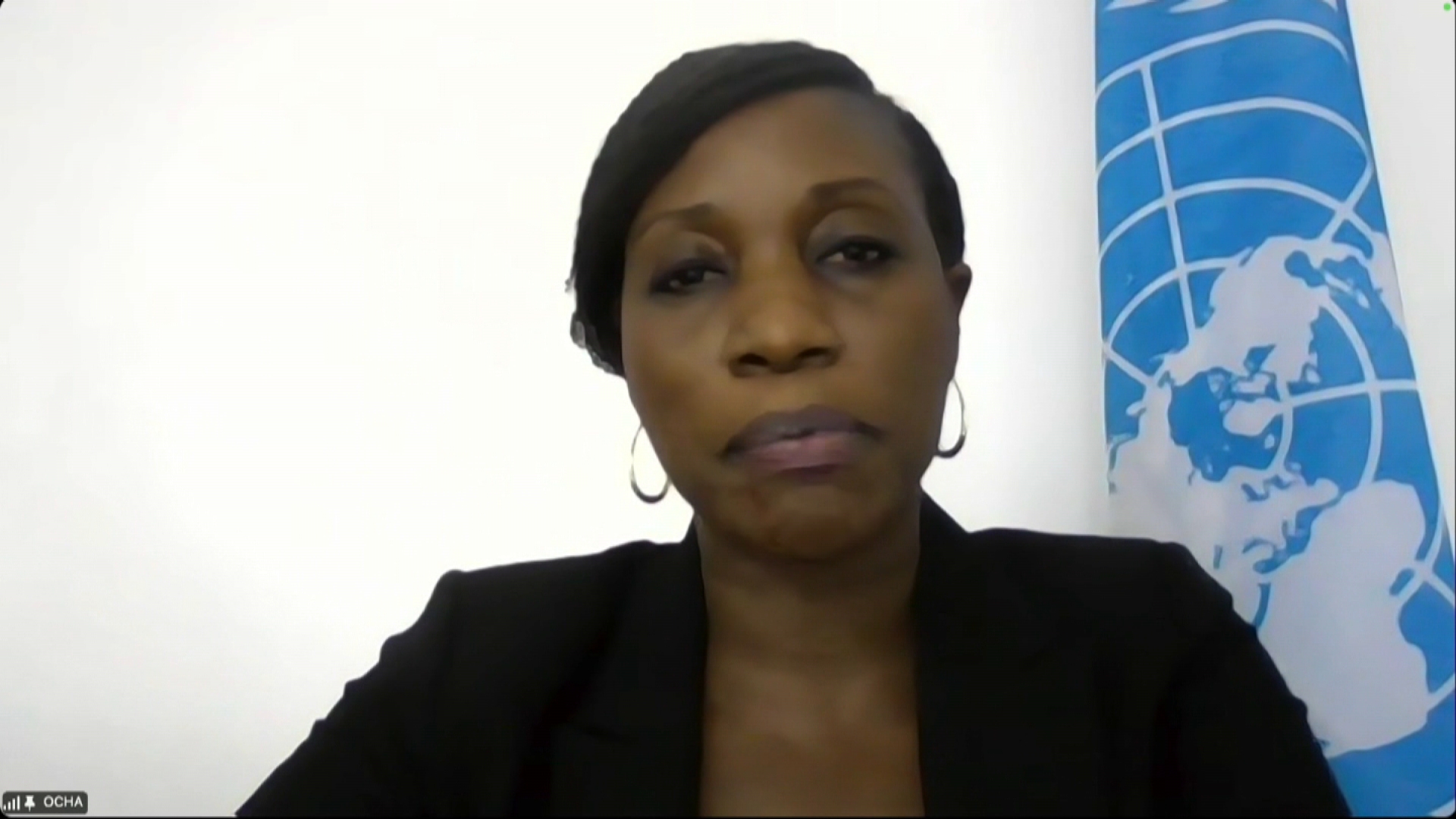
11. SOUNDBITE (English) Edem Wosornu, Director, Crisis Response Division, Office for the Coordination of Humanitarian Affairs (OCHA):
“For those seeking to return home, the main barriers are not only safety and security. They include housing, land and property rights, civil documentation, rubble removal, employment, and access to basic services such as clean water, electricity, schools, housing and healthcare. Recovery is not measured by how many people return. It is measured by whether they can stay, rebuild and thrive.”
12. Wide shot, Security Council
13. SOUNDBITE (English) Edem Wosornu, Director, Crisis Response Division, Office for the Coordination of Humanitarian Affairs (OCHA):
“We remain deeply concerned by developments in southern Syria. The Special Envoy has highlighted, let me also reinforce: Repeated incursions, insecurity and movement restrictions are affecting civilians and complicating humanitarian operations. These conditions undermine livelihoods, restrict access to basic services and increase protection risks. They also risk undermining confidence in Syria’s recovery.”
14. Wide shot, Security Council
15. SOUNDBITE (English) Edem Wosornu, Director, Crisis Response Division, Office for the Coordination of Humanitarian Affairs (OCHA):
“Halfway through the year, and with great gratitude to our donors, the humanitarian appeal is just under one-third funded. We received 815 million US dollars of the 2.11 billion requested. The funding gaps mean less food, fewer health services, fewer much needed protection programmes for women and children, of course, amongst many others.”
16. Wide shot, Security Council
17. SOUNDBITE (Arabic) Ibrahim Olabi, Permanent Representative to the United Nations, Syrian Arab Republic:
“Syria once again affirms that it will not be a corridor for illegal weapons, nor will it be a venue for settling regional scores. Nor will it be a launching pad to threaten the security of state and peoples of the region.”
18. Wide shot, Security Council
19. SOUNDBITE (Arabic) Ibrahim Olabi, Permanent Representative to the United Nations, Syrian Arab Republic:
“Syria has chosen diplomacy and restraint. It has chosen to move forward through the appreciated American initiative. We are fully aware that dialog does not mean accepting occupation, and diplomacy does not mean relinquishing our rights.”
20. Wide shot, Security Council
Deputy Special Envoy for Syria Claudio Cordone remains “deeply concerned” by continued Israeli military activity in southern Syria. He called on Israel to “end violations of the 1974 Disengagement of Forces Agreement, and respect international law.”
Cordone briefed the Council today (21 Jul) on the situation in Syrian from Damacus via video link.
He emphasized that despite the challenges - underscored by security incidents, economic hardship and unresolved local tensions - the opportunities for Syria are real, if institutions are built that are inclusive, accountable and capable of delivering for all Syrians.
The Deputy Special Envoy noted that on 5 July, a Supreme Constitutional Court was appointed by President Sharaa, composed of seven judges, including two women. And, following President Sharaa’s naming on 1 July of 70 appointed members to the People’s Assembly, he attended its inaugural session on 12 July.
Cordone said, “the consolidation of the legislative and the judicial institutions as independent from the executive, reflecting the principle of separation of powers enshrined in the Constitutional Declaration, will be an important component of a credible, inclusive, and sustainable transition.”
He continued, “the Member of Parliament’s professionalism and responsibilities with which they tackle their work, will also be crucial factors in fostering public confidence in the emerging state institutions.”
Cordone also highlighted, “a year since grave human rights violations in Suweida, the political impasse remains as deep as ever.”
He said, “on the ground, there were clashes between General Security Forces and the National Guard in late June. While these did not escalate into a wider confrontation, the security environment continued to deteriorate.”
For her part, OCHA senior official Edem Wosornu stated that communities in Syria receiving large numbers of returnees are under pressure. Many already suffered years of conflict and economic decline. They are now trying to absorb returnees while coping with damaged infrastructure and limited basic services.
She added, “for those seeking to return home, the main barriers are not only safety and security. They include housing, land and property rights, civil documentation, rubble removal, employment, and access to basic services such as clean water, electricity, schools, housing and healthcare.”
Wosornu emphasized, “recovery is not measured by how many people return. It is measured by whether they can stay, rebuild and thrive.”
The OCHA official remains “deeply” concerned by developments in southern Syria. She said, “repeated incursions, insecurity and movement restrictions are affecting civilians and complicating humanitarian operations.”
“These conditions undermine livelihoods, restrict access to basic services and increase protection risks. They also risk undermining confidence in Syria’s recovery,” Wosornu underscored.
On funding gap, the OCHA official said, “halfway through the year, and with great gratitude to our donors, the humanitarian appeal is just under one-third funded.”
She cautioned, “the funding gaps mean less food, fewer health services, fewer much needed protection programmes for women and children, of course, amongst many others.”
For his part, Syrian Ambassador Ibrahim Olabi commented on the interdiction of a cross-border weapons shipment originating from Iraq and reportedly intended for transfer to Lebanon.
He said, “Syria once again affirms that it will not be a corridor for illegal weapons, nor will it be a venue for settling regional scores. Nor will it be a launching pad to threaten the security of state and peoples of the region.”
On Israel, Ambassador Olabi said, “Syria has chosen diplomacy and restraint. It has chosen to move forward through the appreciated American initiative.”
He reiterated, “we are fully aware that dialog does not mean accepting occupation, and diplomacy does not mean relinquishing our rights.”
Download
There is no media available to download.
Related Content
The situation in the Middle East (Syria) - Security Council,…