Media Home
 UN Web TV
 UN Audiovisual Library
 UN Photo
SOUTH SUDAN / GONDOKORO UNEXPLODED ORDNANCES
STORY: SOUTH SUDAN / GONDOKORO UNEXPLODED ORDNANCES
TRT: 04:01
SOURCE: UNMISS
RESTRICTIONS: NONE
LANGUAGES: ENGLISH / NATS
DATELINE: 23 JULY 2026, BILINYANG, GONDOKORO, SOUTH SUDAN
1. Various shots, UXO site marked for clearance
2. Med shot, UXO prepped for detonation
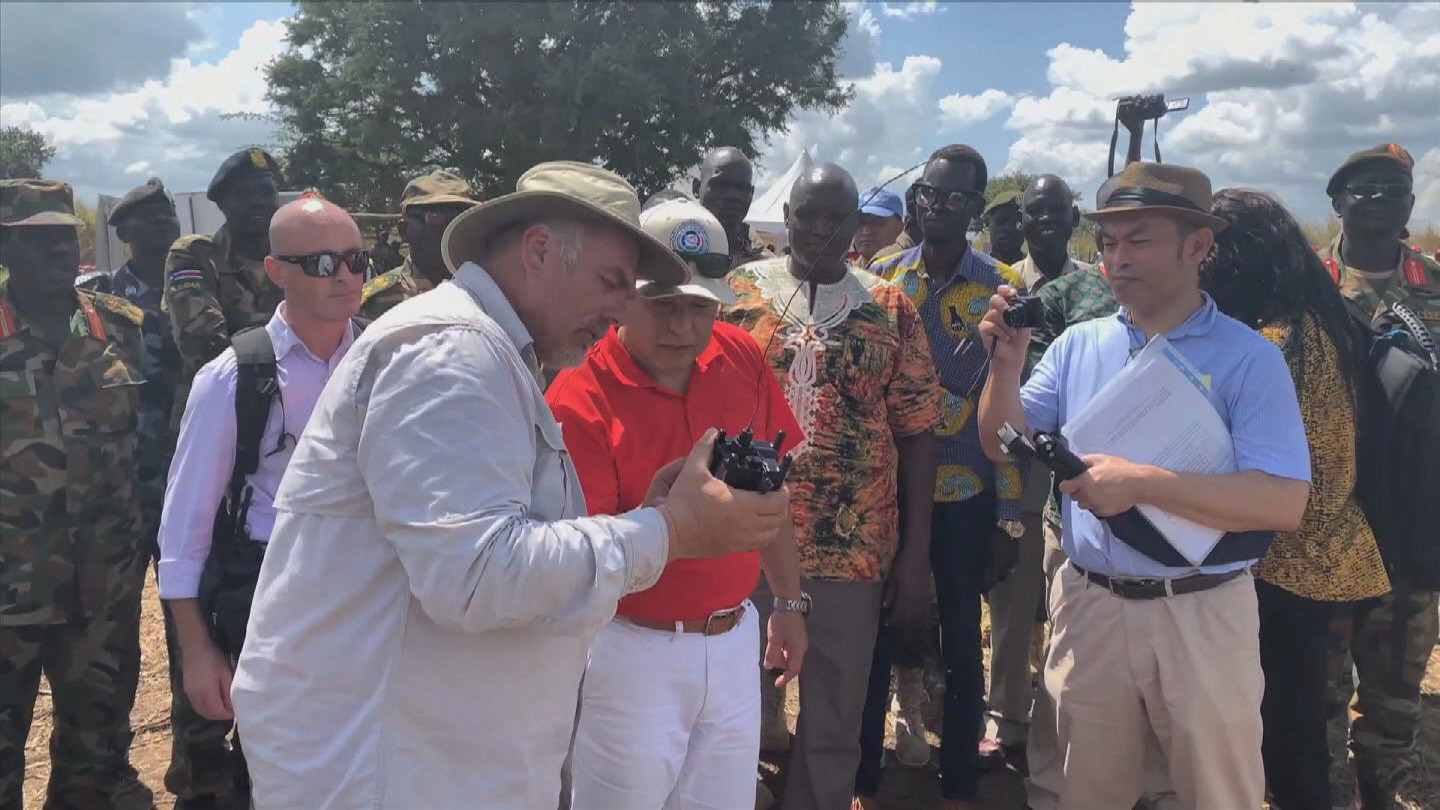
3. Wide shot, UXO demolition site with visitors
4. SOUNDBITE (English) Jurkuch Barak Jurkuch, Chairperson of the South Sudan National Mine Action Authority:
“This village, like many others in South Sudan, has lived for years with the presence of explosive remnants of war. These hazards do, not only, threaten lives, they restrict movement, delay returns, and limit opportunities for farming, trade and daily life. For communities, mine action is not an abstract concept it is about safety, access and dignity.”
5. Various shots, UNMAS and donors meeting with the locals in Gondokoro
6. SOUNDBITE (English) Elizabeth Angok Agok, Gondokoro resident:
“This clearing the mines in Southern Sudan, you help our children and we as women go to get firewood, we walk anyhow to get firewood out there. We thank you. God bless you.”
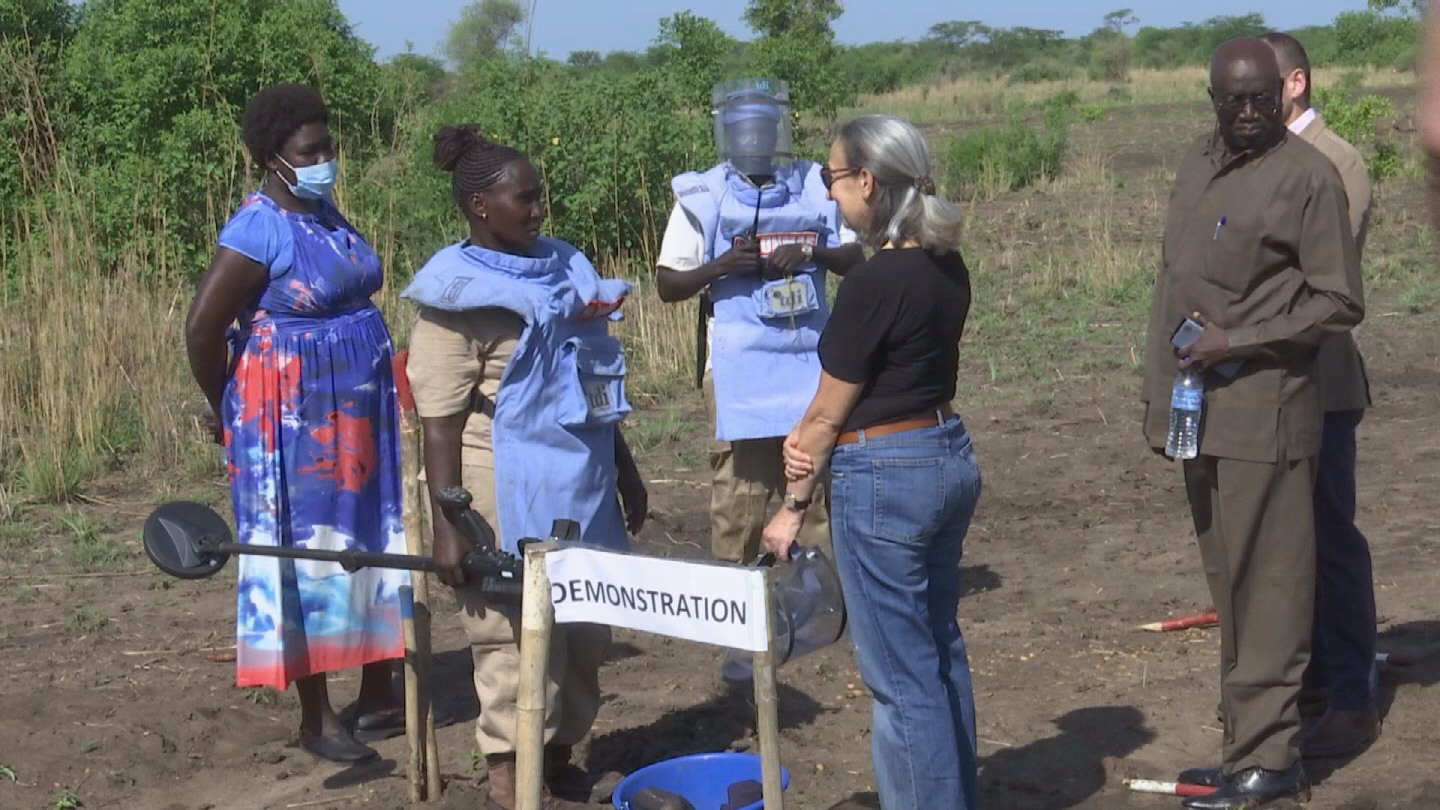
7. Various shots, UNMAS deminers clearing a field
8. SOUNDBITE (English) Zehrudin Sukanovic, Chief of Mine Action Programme, UNMAS:
“Mine Action, the work that we are doing, is not just about removing explosive hazards. It’s not just about clearing the land. It’s about creating the conditions for communities, people, for the nation to recover and rebuild, for the communities to establish a new living area, to maintain their lives, but, also, for the humanitarians to deliver their projects and, for the country, the Government to implement their development projects.”
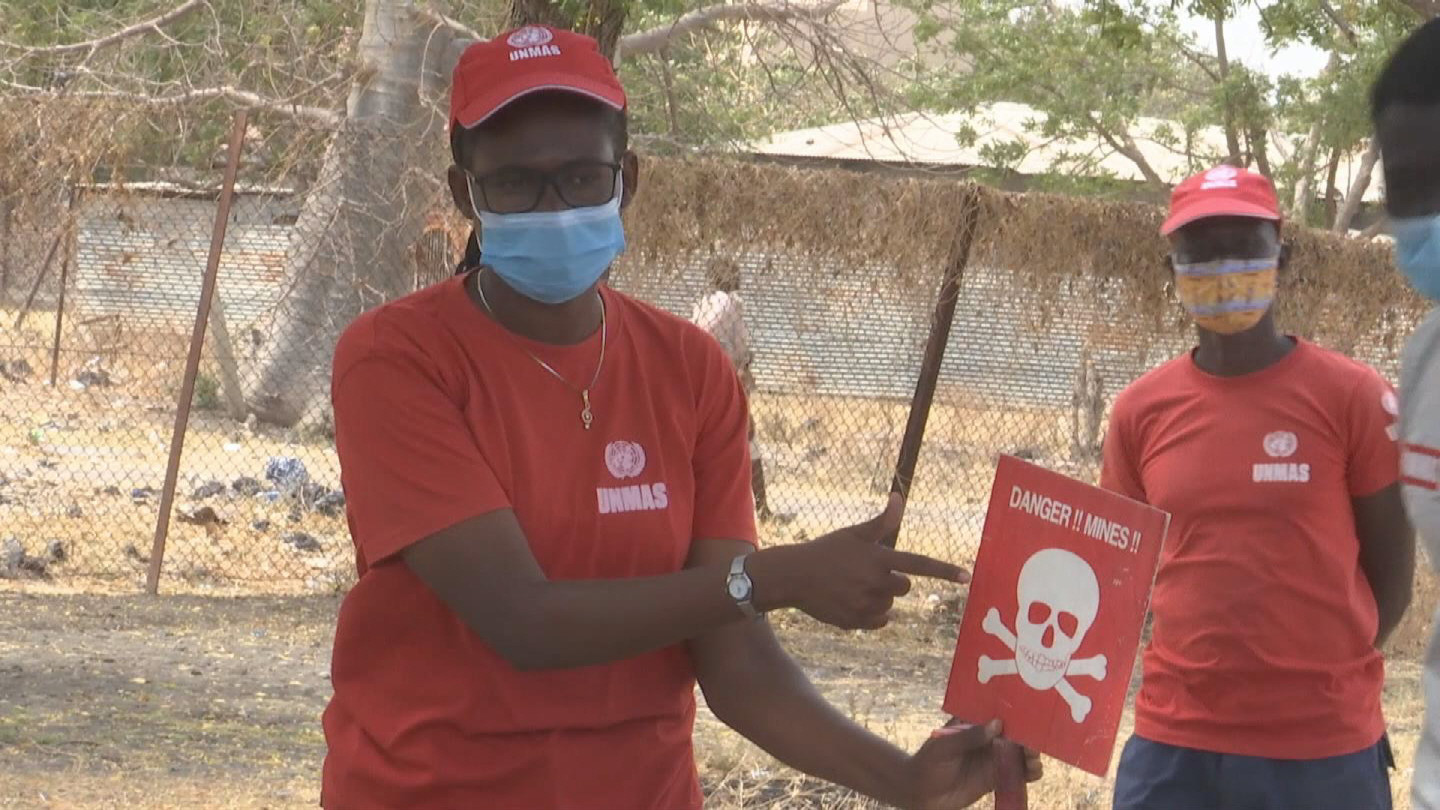
9. Close up, UXO danger sign
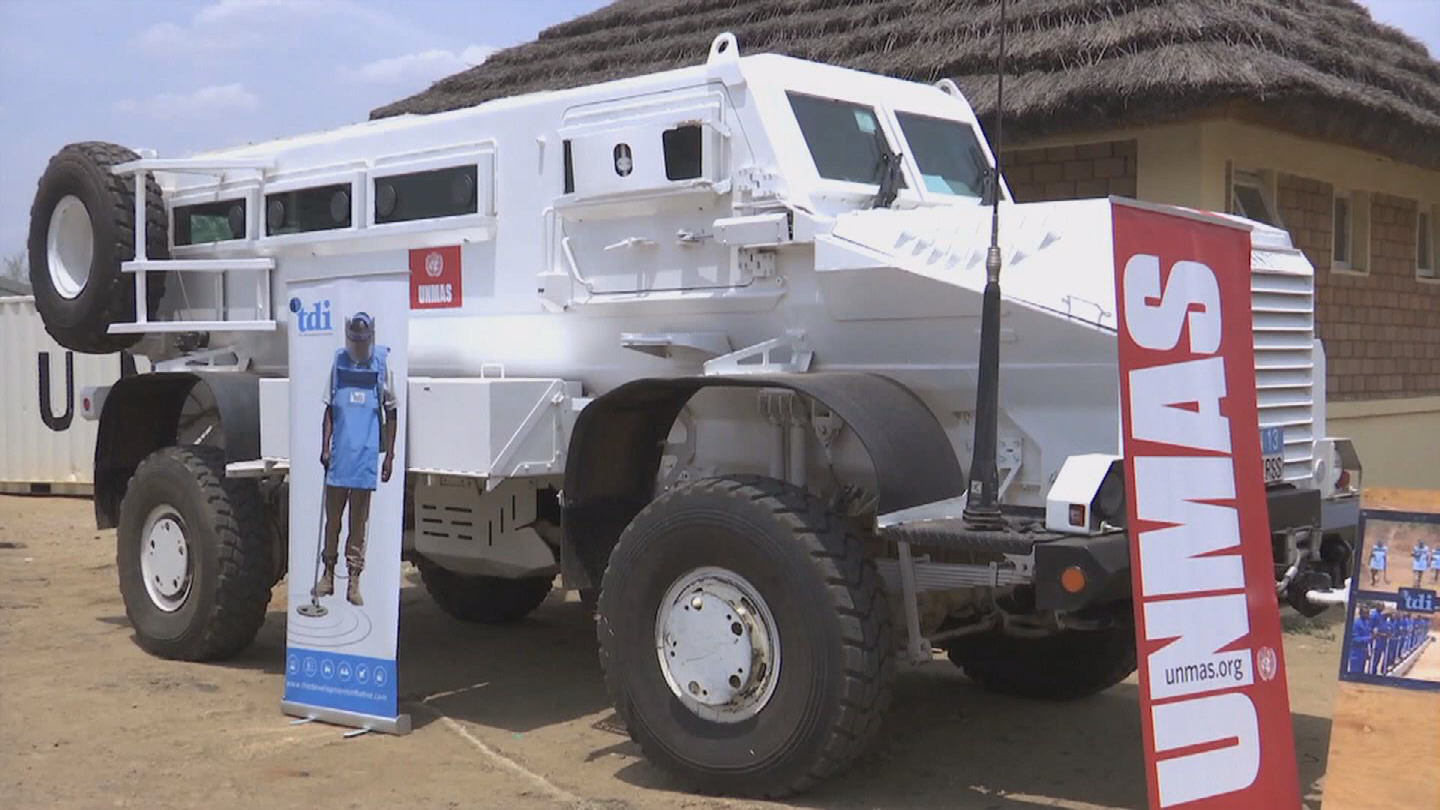
10. Med shot, UNMAS vehicles driving down a dirt road
11. Wide shot, cows moving through the landscape in South Sudan
12. SOUNDBITE (English) Faye Price, Policy Officer, Humanitarian Mine Action, Ministry of Foreign Affairs of the Kingdom of the Netherlands:
“Being here on the ground after working from a distance for quite a while, mine action right now is such a different experience, seeing really the tough work that people are doing out here, the dangerous work as well and, obviously, the very important work. We talk about mine action quite a lot and how important it is for the safety of communities, for the renovation of schools, for roads, for everything that is possibly needed for the reconstruction of the country, but it is also really impactful to see the people behind the mine action activities, who are actually carrying out the very tough, important but also dangerous work, working in the heat here, long days, really trying to build their communities and have a safer environment for communities around. So, it’s really impactful to see that.”
13. Med shot, moving shot showing the Gondokoro community
14. Med shot, women from the community walking in single file
15. Med shot, community women meeting with UNMAS team member
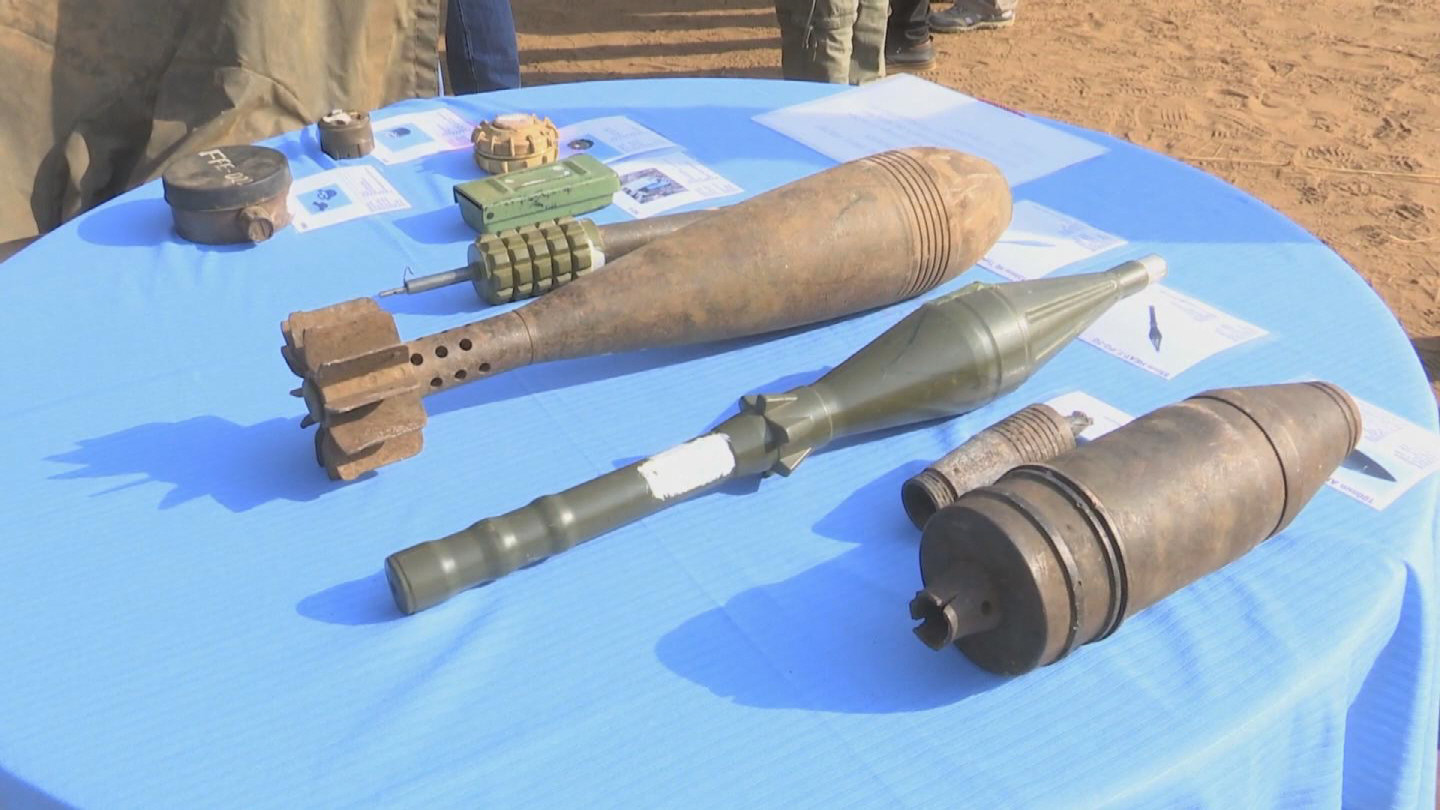
The civil wars that plagued South Sudan for decades have left a deadly legacy of millions of explosive remnants that have killed or injured more than 5000 people in the last 20 years. The historic town of Gondokoro, 25 kilometers east of the capital Juba, is among the many areas that were left littered with landmines, unexploded ordnances, and abandoned ammunition.
Jurkuch Barak Jurkuch, Chairperson of the South Sudan National Mine Action Authority, said, “This village, like many others in South Sudan, has lived for years with the presence of explosive remnants of war. These hazards do, not only, threaten lives, they restrict movement, delay returns, and limit opportunities for farming, trade and daily life. For communities, mine action is not an abstract concept it is about safety, access and dignity.”
In coordination with national authorities, the United Nations Mine Action Service has destroyed more than 7.3 million items of small arms ammunition and 1.2 million explosive devices, including in Gondokoro where they conducted an extensive operation to clear the land so that communities can live without fear. These efforts are a deeply emotional experience for the community after a terrible accident a few years ago when a child was killed after stumbling across an explosive item buried in the soil.
Elizabeth Angok Agok, Gondokoro resident, said, “This clearing the mines in Southern Sudan, you help our children and we as women go to get firewood, we walk anyhow to get firewood out there. We thank you. God bless you.”
This impactful support is at risk due to a UN-wide financial crisis, which has forced UNMAS to significantly downsize its capacity. Its demining teams have been cut from 19 to eight. Detection dogs and three large, automated mine clearing machines have also been demobilized.
Zehrudin Sukanovic, Chief of Mine Action Programme at UNMAS, said, “Mine Action, the work that we are doing, is not just about removing explosive hazards. It’s not just about clearing the land. It’s about creating the conditions for communities, people, for the nation to recover and rebuild, for the communities to establish a new living area, to maintain their lives, but, also, for the humanitarians to deliver their projects and, for the country, the Government to implement their development projects.”
With 20 million square kilometers of land still to be cleared, international support is critical to the continuation of these operations. As a core donor to mine action and stabilization efforts in South Sudan, the Netherlands is channeling flexible multi-year funding through United Nations agencies to clear these deadly devices from the landscape. A visiting high-level delegation was able to see first-hand the impact of that support.
Faye Price, Policy Officer at Humanitarian Mine Action with the Ministry of Foreign Affairs of the Kingdom of the Netherlands, said, “Being here on the ground after working from a distance for quite a while, mine action right now is such a different experience, seeing really the tough work that people are doing out here, the dangerous work as well and, obviously, the very important work. We talk about mine action quite a lot and how important it is for the safety of communities, for the renovation of schools, for roads, for everything that is possibly needed for the reconstruction of the country, but it is also really impactful to see the people behind the mine action activities, who are actually carrying out the very tough, important but also dangerous work, working in the heat here, long days, really trying to build their communities and have a safer environment for communities around. So, it’s really impactful to see that.”
The tangible impact of UNMAS’ activities is clear in Bilinyang but also across the broader Gondokoro area, where the destruction of 70 anti-tank mines has resulted in people returning from across the country to build a new village in what was once a large minefield. This community now feels settled, stable, and enabled to rebuild their homes and secure the better future they deserve.
Download
There is no media available to download.