Media Home
 UN Web TV
 UN Audiovisual Library
 UN Photo
WFP / GAZA FOOD SECURITY
STORY: WFP / GAZA FOOD SECURITY
TRT: 2:30
SOURCE: WFP
RESTRICTIONS: PLEASE CREDIT WFP ON SCREEN
LANGUAGE: ENGLISH / ARABIC / NATS
DATELINE: PLEASE CHECK SHOTLIST FOR DETAILS
29 APRIL 2026, GAZA CITY
1.Various shots, destruction
More than nine months after the ceasefire announcement and people are still living in abysmal conditions. Disease outbreaks, unclean water, poor shelter, sanitation and hygiene persist. An estimated 75 percent of homes were destroyed during the war and more than 80 percent of people remain unemployed. In this context, two-thirds of Gaza’s population (1.4 million people) remain acutely food insecure and rely on humanitarian assistance to survive. Any improvements in food security in Gaza are largely attributable to the scale of the humanitarian response, rather than to a recovery of livelihoods, markets, or local food systems.
01 JULY 2026, AL BUREIJ, GAZA
2. SOUNDBITE (English) Shaun Hughes, WFP Country Director for Palestine:
“We have managed, to some extent, to stabilize the situation and push back the famine that was here last year. But those gains are incredibly fragile. We've only managed to achieve that because we've been able to deliver humanitarian assistance, reaching about 75 percent of the population consistently every month.”
03 JUNE 2026, JABALIYAH, GAZA
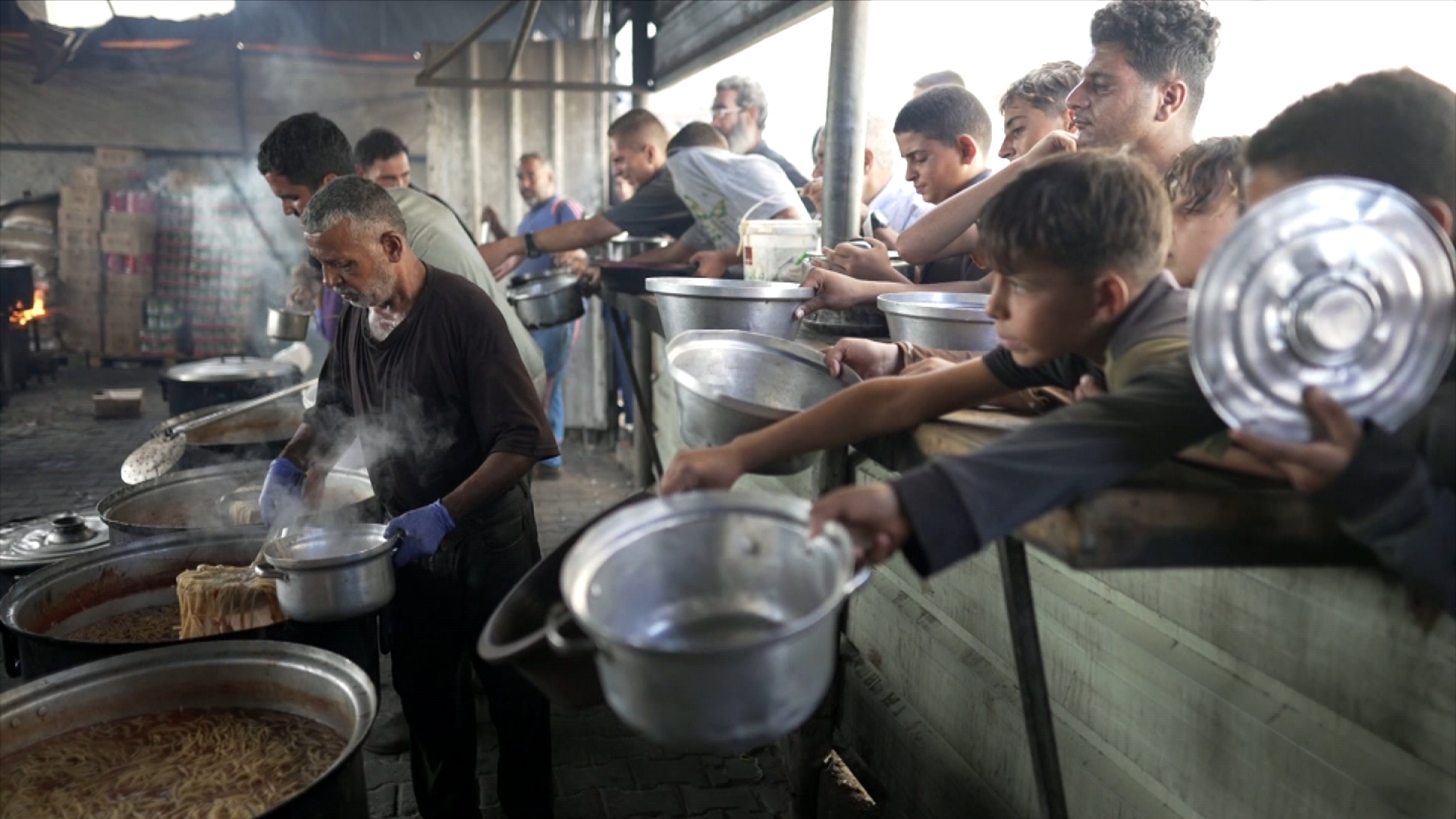
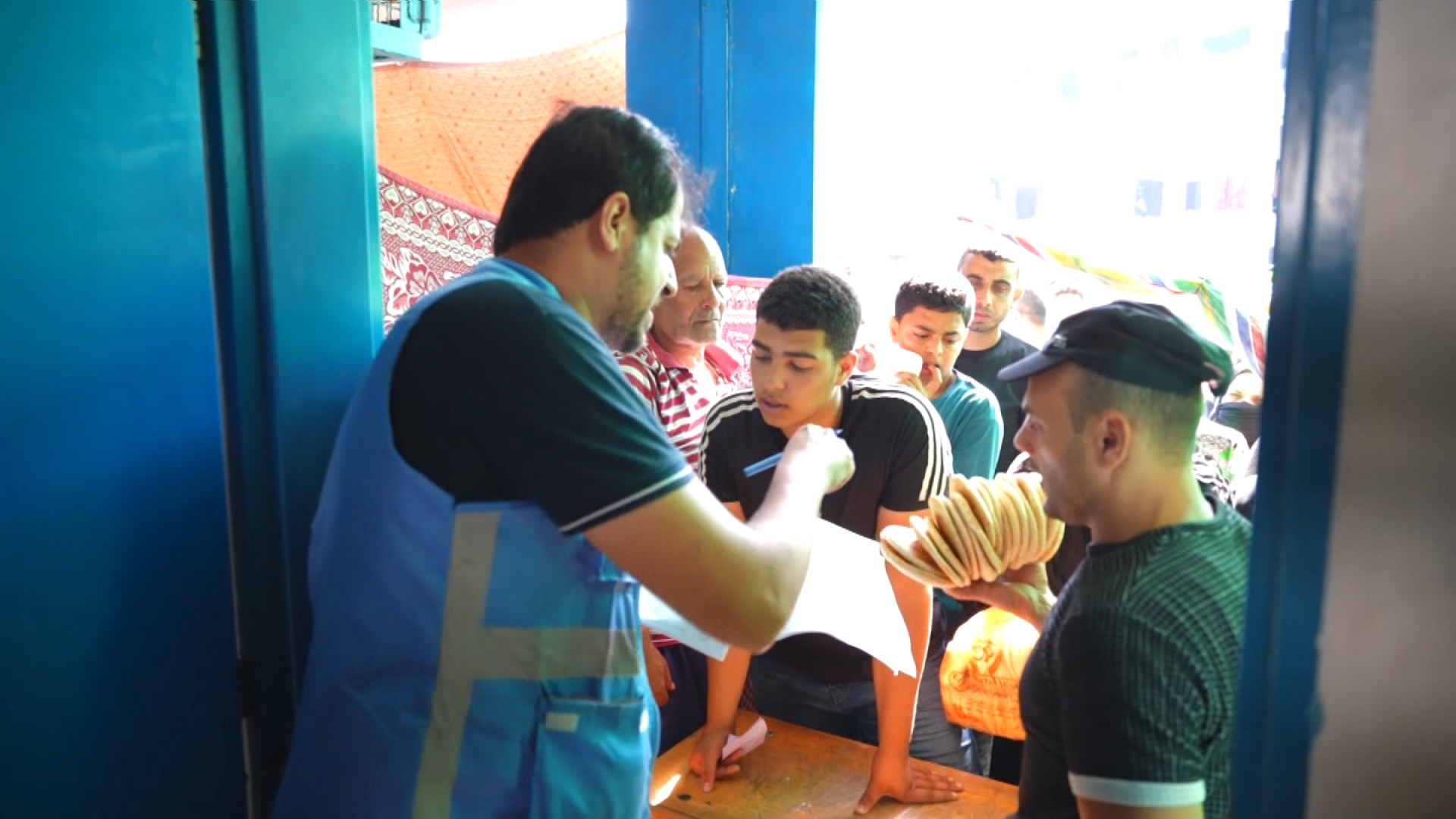
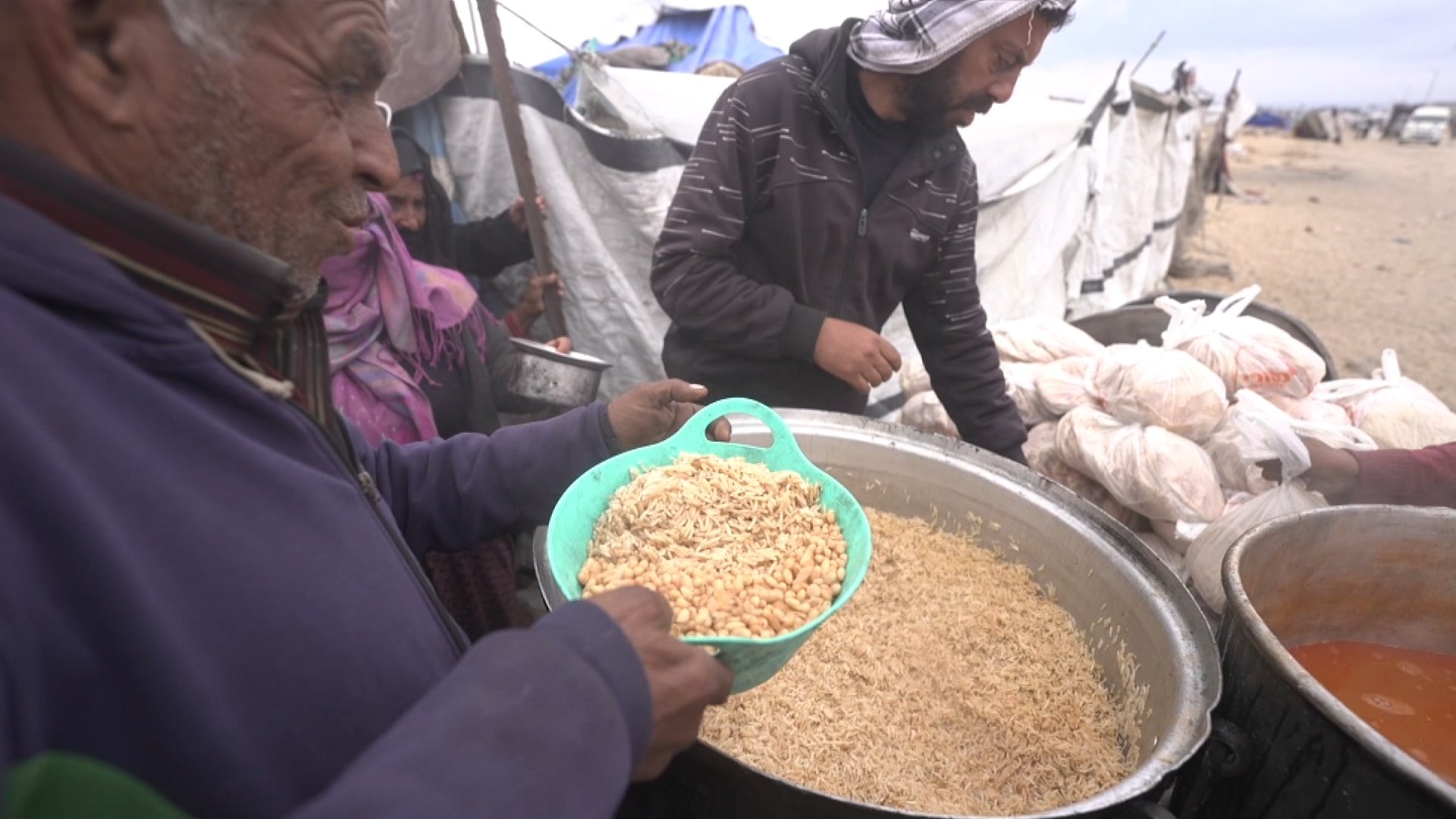
3. Various shots, WFP hot meals and bread distribution
WFP has been reaching an average of 1.5 million people every month with a combination of food parcels, wheat flour, bread, hot meals, healthy school snacks, nutrition support and cash. This is a lifeline for families and without this assistance, many could easily slip back into emergency levels of food insecurity. Despite this assistance, food rations remain insufficient in quantity, quality and dietary diversity. Compounding the problem, commercial imports of fresh produce and proteins are inconsistent.”
01 JULY 2026, AL BUREIJ, GAZA
4. SOUNDBITE (English) Shaun Hughes, WFP Country Director for Palestine:
“Moreover, we need to see markets and the private sector working well and to be able to scale up cash assistance so that people can access fresh food in the market, the fruits and vegetables and the protein that people need for a healthy diet.”
03 JUNE 2026, GAZA CITY
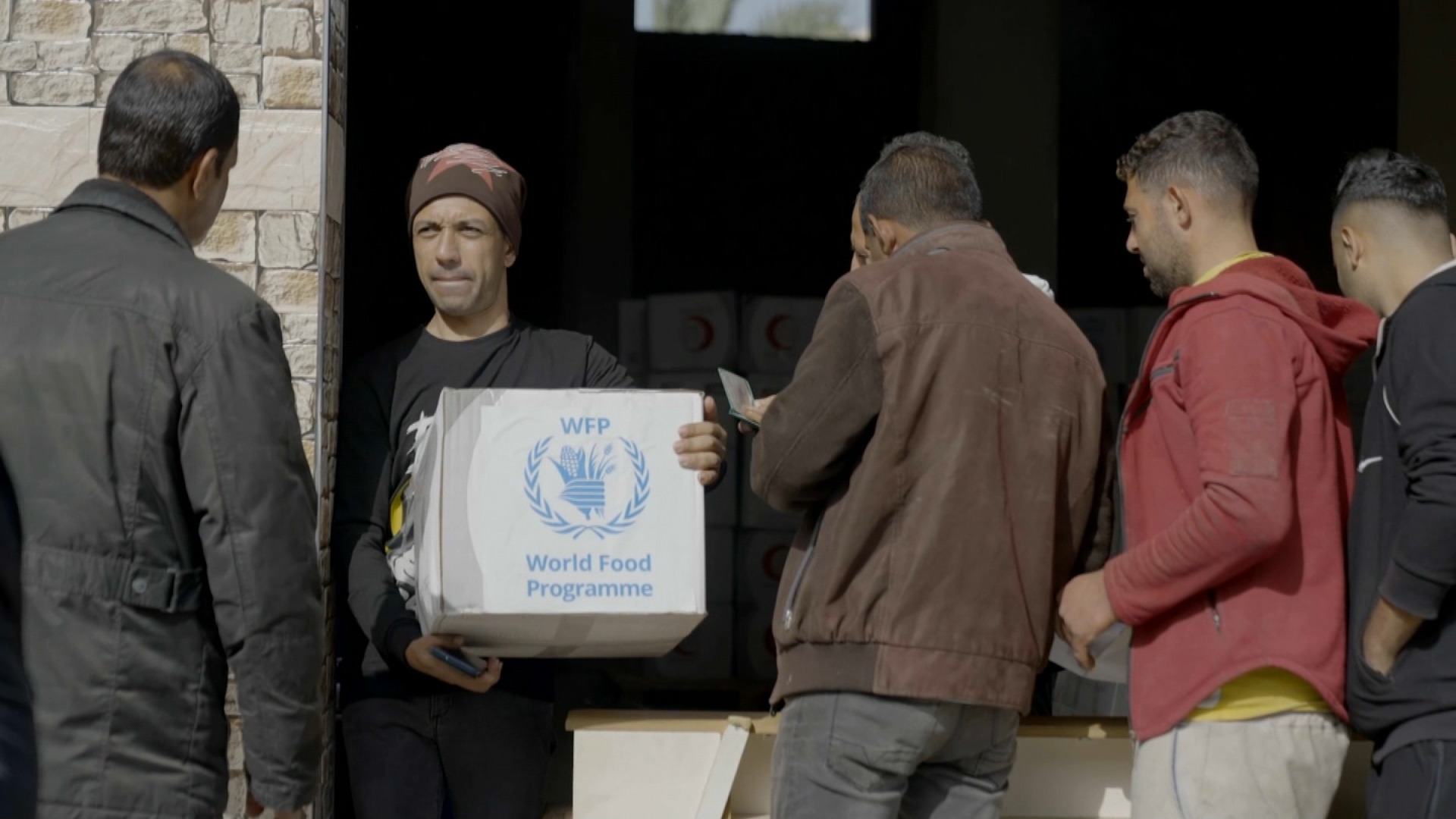
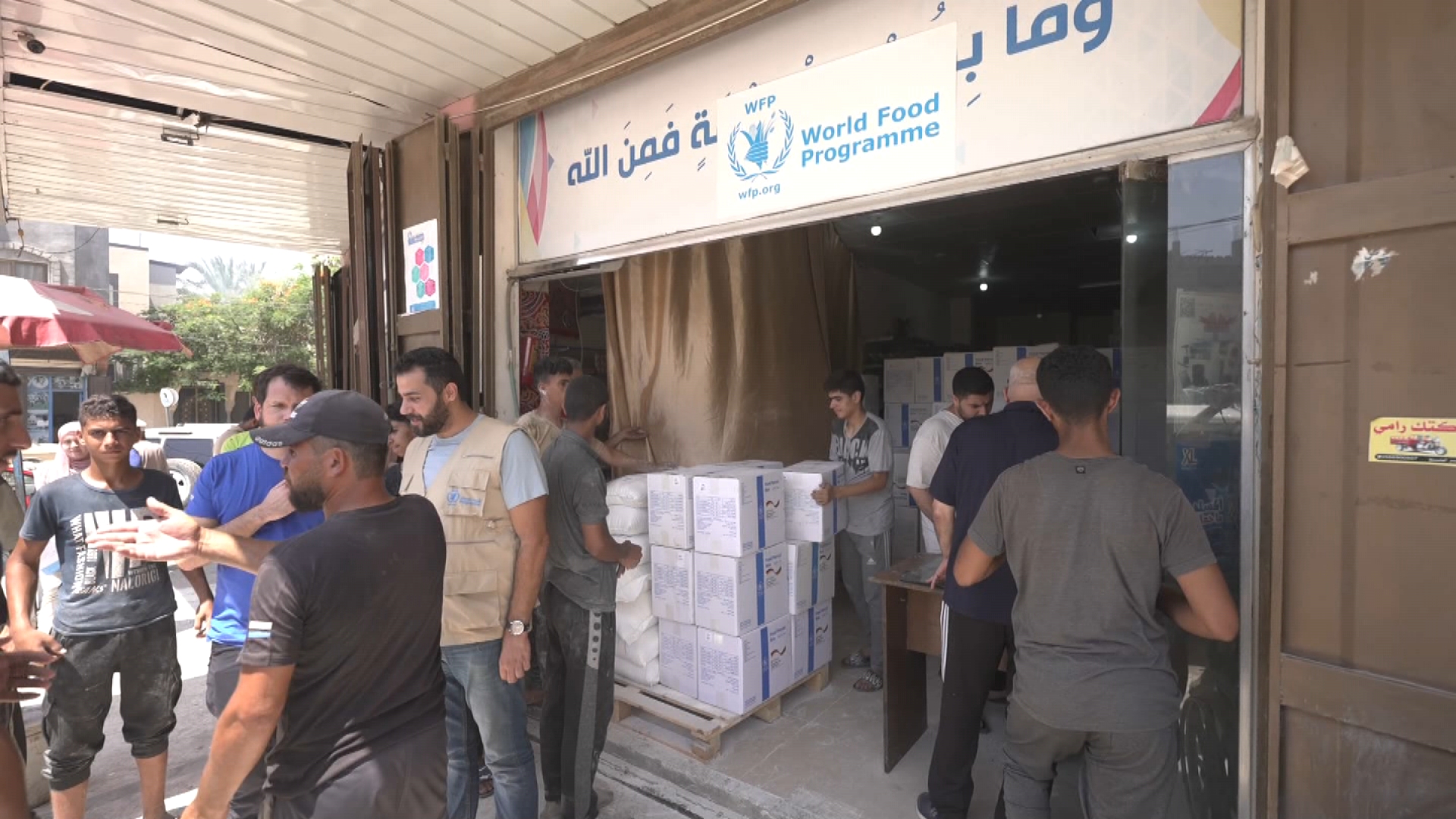
5. Various shots, WFP food box distribution
WFP’s funding shortfalls now pose one of the greatest threats to food security in Gaza. Rations are already been cut and without urgent funding, the only lifeline for many families in Gaza will be broken. WFP has a USD 426 million funding shortfall for the next six months.
03 JUNE 2026, AL JAWAZAT, GAZA
6. Various shots, tents / IDP camp
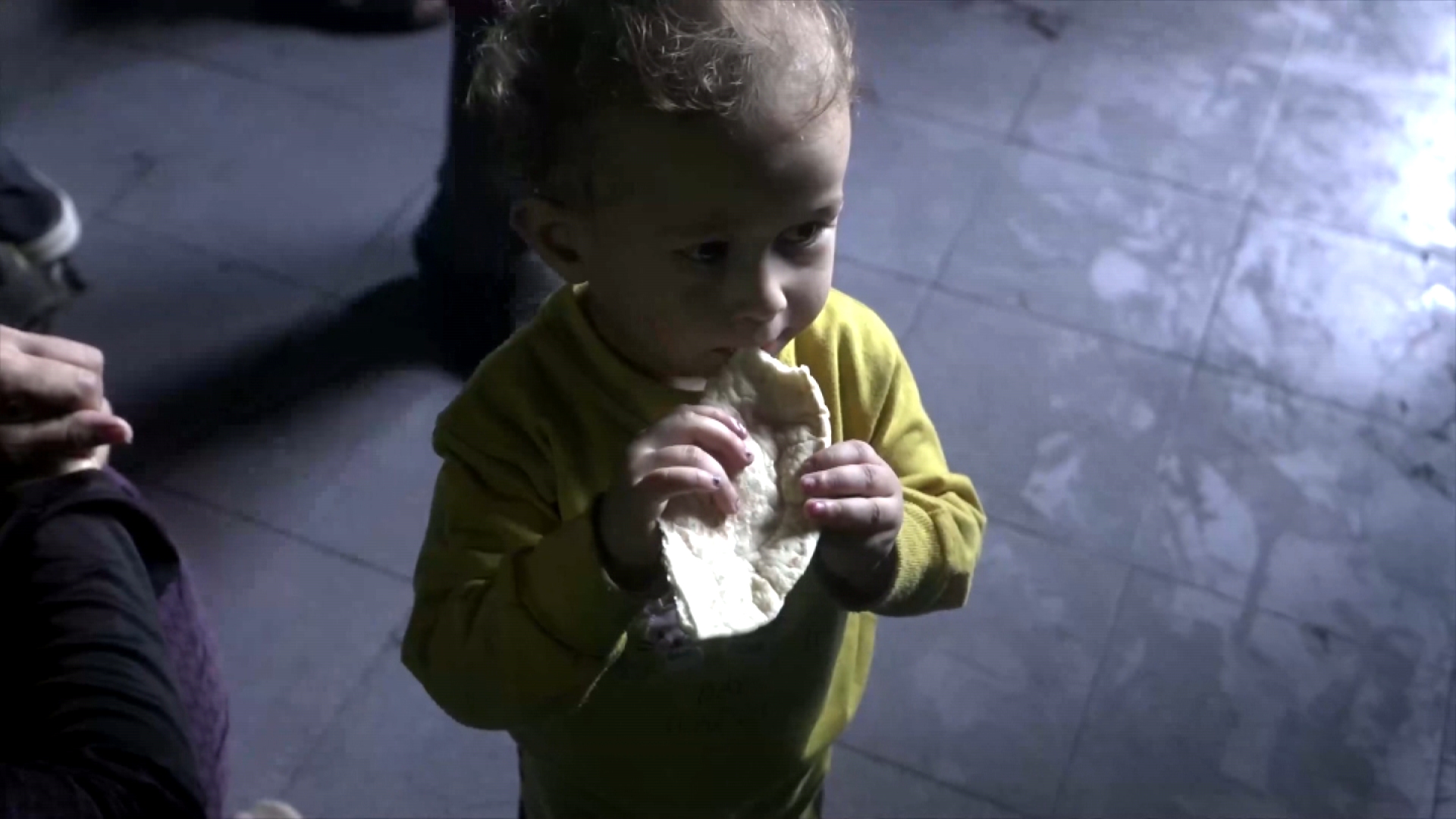
7. Various shots, Dina, a displaced mother of four, receiving WFP nutrition assistance
Her youngest child is still breastfeeding while Dina herself is also malnourished after constant displacement and lack of proper food. Child malnutrition rates have improved in Gaza which is largely attributable to the rapid expansion of nutrition prevention programmes, alongside increased access to treatment for severe and moderate malnutrition. Some 74,000 children are still expected to require treatment for acute malnutrition over the coming year, with approximately 25,000 pregnant and breastfeeding women requiring nutrition support in the same period.
8. SOUNDBITE (Arabic) Dina Ayyad, displaced mother of four:
“These days, even buying basic things has become very difficult. Vegetables are hard to afford. When aid is distributed, others rush so much that you can barely get anything. Water is also a problem; People rush to fill containers, and you cannot even fill a gallon."
03 MAY 2026, KHAN YUNIS, GAZA
9. Various shots, families cooking and eating
New analysis released today (23 Jul) shows improvements in food security and child nutrition across the Gaza Strip. However, the United Nations cautioned that the progress, driven largely by expanded access to humanitarian food, nutrition, agricultural and health assistance, remains fragile.
While access into Gaza has improved, only one crossing – Kerem Shalom/ Abu Salem – in the south of Gaza remains open, limiting the flow of essential goods that can assist with recovery and leaving the majority of the population dependent on humanitarian aid. The people of Gaza are still struggling to recover their livelihoods, local food systems and essential services.
The Food and Agriculture Organization of the United Nations (FAO), UNICEF, and the United Nations World Food Programme (WFP) highlighted that improvements in food security and nutrition indicators show how quickly conditions can improve when humanitarian response and commercial activity are scaled-up. However, the agencies warned that families in Gaza are still struggling to meet basic needs and improvements could be reversed quickly without sustained humanitarian aid, private sector reactivation, funding, and investment in recovery.
The latest Integrated Food Security Phase Classification (IPC) analysis outlined populations in greatest need and showed improvements in food security and child nutrition since December 2025.
• An estimated 1.4 million people - 67 percent of Gaza’s population - are currently experiencing crisis or worse levels of acute food insecurity (IPC Phase 3 or above). This is a decrease from 1.6 million people, or 77 percent of the population, at the end of last year.
• An estimated 212,000 people remain in Emergency conditions (IPC Phase 4), many of them living in areas near the Israeli military-controlled line where access to humanitarian aid and services remains particularly challenging.
• Four governorates (North Gaza, Gaza, Deir Al-Balah and Khan Younis) are expected to face “alert” levels of malnutrition (IPC phase 2). Some areas near the “yellow line” remained inaccessible to analysts during the survey period, leaving insufficient data for a classification.
A significant scale-up in food and nutrition assistance has taken place since the ceasefire agreement was reached in October 2025. In May 2026 alone:
• Food parcels reached around 1.5 million people
• Multipurpose cash assistance peaked at around 700 000 people
• Nutrition support reached 60 percent of children under-5 with access to acute malnutrition treatment also increasing.
This compares to September 2025, when around 500,000 people were reached with some form of food assistance and nutrition coverage for children under-5 was less than 1 percent. Immediate improvements in food security were observed following the scale-up and this IPC confirms the trend has continued. Despite these gains, food rations remain insufficient in quantity, quality and dietary diversity. Compounding the problem, commercial imports of fresh produce and proteins are inconsistent.
An overall improvement in malnutrition rates is largely attributable to the rapid expansion of nutrition prevention programmes, alongside increased access to treatment for severe and moderate malnutrition. These gains remain highly dependent on sustained humanitarian assistance and have occurred despite continued shortages of nutritious foods, recurrent disease outbreaks, limited access to safe water and sanitation, and the near collapse of livelihoods. Some 74,000 children are still expected to require treatment for acute malnutrition over the coming year, with approximately 25,000 pregnant and breastfeeding women requiring nutrition support in the same period.
While any significant recovery of livelihoods or broader economic activity has yet to begin, there are early signs that local food production can be restored where farmers and herders are able to access cropland, agricultural inputs, productive assets, veterinary support and other essential services such as energy for irrigation. This is already evident in the livestock sector, where sheep inventories have increased by 33 percent in areas where support has been sustained. Communities are showing considerable resourcefulness in restarting small-scale economic activity wherever conditions allow. However, this can only go so far without the removal of restrictions on what enters the Strip. More than 70 percent of Gaza's cropland is not accessible, placing it out of reach regardless of damage or input access, and only 3 percent is currently usable. Recovery cannot happen at scale while this land remains inaccessible and while there are continued restrictions on the commercial import and humanitarian delivery of agricultural inputs. This includes the import of non-dual-use agricultural inputs, such as seeds, organic fertilizers, fertilized eggs and small animals, for both commercial and humanitarian actors. Sea access also remains prohibited, limiting people’s ability to produce food, earn an income and rebuild their lives.
FAO, UNICEF, and WFP stress that sustained peace, safety and security are essential to enable people to return to their farms, businesses and communities and to begin rebuilding their lives. The continued flow of lifesaving humanitarian assistance along all corridors through Jordan, Israel and Egypt, and via crossings in the north and south, is also essential to recovery in Gaza. The agencies are also calling for the immediate provision of shelter materials, fuel, cooking gas and agricultural inputs via the private sector, as well as the expansion of commercial access to enable markets to recover and stabilize. They stress that restoring water, sanitation and health systems is critical to ensuring recovery, otherwise disease outbreaks risk eroding nutrition gains.
The agencies are appealing to the international community to scale up flexible and predictable funding for food and nutrition assistance, agricultural production, health care, water and sanitation services, and livelihood recovery programmes. With agencies’ current funding for Palestine fast running out, a failure to mobilize additional resources risks reversing hard-won gains and putting the lives of 2.1 million people in Gaza at further risk.
“Food security in Gaza cannot recover unless local food production starts again and farmers, herders, fishers and other producers can rebuild their livelihoods,” said FAO Director-General QU Dongyu. “Producers need access to farmland and the sea, and to seeds, tools, livestock supplies and other agricultural inputs, as well as technical support. Restrictions on agricultural imports and humanitarian supplies must be lifted. Without these essentials, food production and security will remain a pressing situation."
“There is progress on food security in Gaza, but it is fragile and can easily be reversed,” said Carl Skau, WFP’s Acting Executive Director. “The overall humanitarian situation remains brutal: families lack water, sanitation and medicine. We need sustained access, funding and stability so people of Gaza can begin recovery.”
“Acute malnutrition has fallen, but many children are still going hungry, and some children may never fully recover from prolonged lack of proper nutrition,” said UNICEF Executive Director Catherine Russell. “This progress shows that when humanitarian access improves and aid gets through, children can be pulled back from the brink. But it rests on a supplementary feeding program that doesn’t reach all children, and where funding is running out. Without sustained access and funding, these gains could be lost within months."
Download
There is no media available to download.
Related Content


WFP / GAZA FOOD DISTRIBUTION
WFP / GAZA ONE MILLION